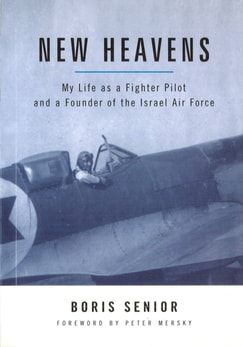
Although Boris Senior may not be well known outside Israel, he played an important, even vital, part in the formation of the Israel Air Force (IAF) and in the 1948 War of Independence.
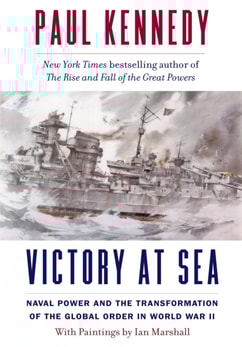
A sweeping, lavishly illustrated one-volume history of the rise of American naval power during World War II"e;A brilliant and gripping book by a master historian working at the top of his powers.
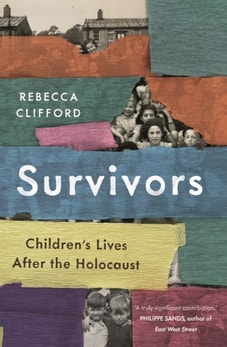
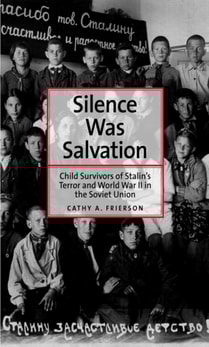
Shortlisted for the 2021 Wolfson History Prize and a finalist for the 2021 Cundill History Prize Told for the first time from their perspective, the story of children who survived the chaos and trauma of the Holocaust-named a best history book of 2020 by the Daily Telegraph ?
A fascinating chronicle of how the character of American society revealed itself under the duress of World War IIThe Second World War exists in the American historical imagination as a time of unity and optimism.
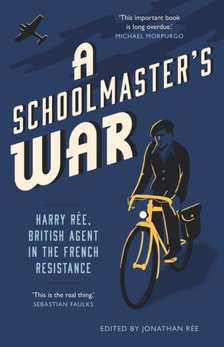
The wartime adventures of the legendary SOE agent Harry Rée, told in his own words A school teacher at the start of the war, Harry Rée renounced his former pacifism with the fall of France in 1940.
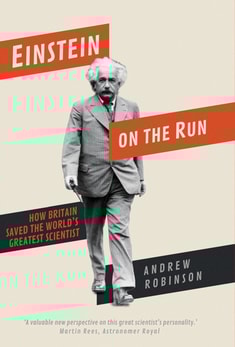
A "e;highly readable"e; account of the role Britain played in Einstein's life-by inspiring his teenage passion for physics and providing refuge from the Nazis (The Wall Street Journal).
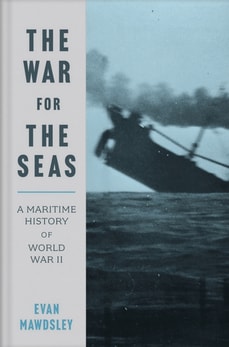
This "e;impeccable, myth-busting study"e; of WWII maritime operations sheds new light on the conflict with sharp analysis and an international perspective (The Sunday Times, UK).
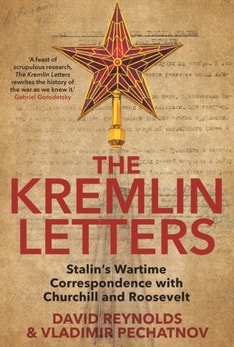
A penetrating account of the dynamics of World War II’s Grand Alliance through the messages exchanged by the "Big Three" Stalin exchanged more than six hundred messages with Allied leaders Churchill and Roosevelt during the Second World War.
An innovative reassessment of Holocaust testimony, revealing the dramatic ways in which the languages and places of postwar life inform survivor memory This groundbreaking work rethinks conventional wisdom about Holocaust testimony, focusing on the power of language and place to shape personal narrative.
An exposé of Hitler’s relationship with film and his influence on the film industry A presence in Third Reich cinema, Adolf Hitler also personally financed, ordered, and censored films and newsreels and engaged in complex relationships with their stars and directors.
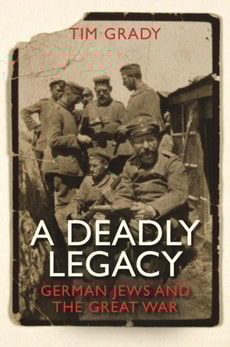
Shortlisted for the Wolfson History Prize 2018 This book is the first to offer a full account of the varied contributions of German Jews to Imperial Germany’s endeavors during the Great War.
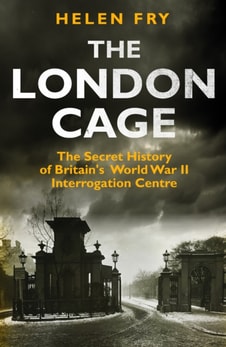
The first complete account of the fiercely guarded secrets of London's clandestine interrogation center, operated by the British Secret Service from 1940 to 1948 Behind the locked doors of three mansions in London's exclusive Kensington Palace Gardens neighborhood, the British Secret Service established a highly secret prison in 1940: the London Cage.
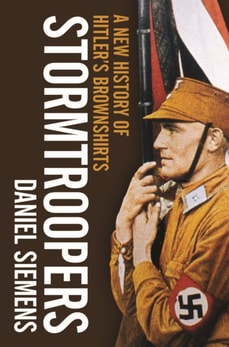
The first full history of the Nazi Stormtroopers whose muscle brought Hitler to power, with revelations concerning their longevity and their contributions to the Holocaust Germany’s Stormtroopers engaged in a vicious siege of violence that propelled the National Socialists to power in the 1930s.
The first book about the Albatross Press, a Penguin precursor that entered into an uneasy relationship with the Nazi regime to keep Anglo-American literature alive under fascism The Albatross Press was, from its beginnings in 1932, a “strange bird”: a cultural outsider to the Third Reich but an economic insider.
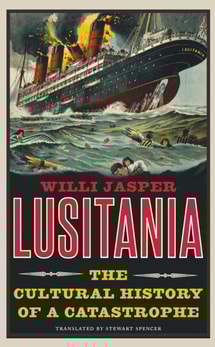
A fascinating reassessment of a turning point in the First World War, revealing its role in shaping the German psyche On May 7, 1915, the Lusitania, a large British luxury liner, was sunk by a German submarine off the Irish coast.
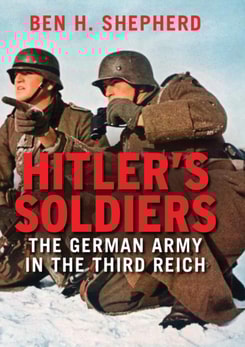
A penetrating study of the German army’s military campaigns, relations with the Nazi regime, and complicity in Nazi crimes across occupied Europe For decades after 1945, it was generally believed that the German army, professional and morally decent, had largely stood apart from the SS, Gestapo, and other corps of the Nazi machine.
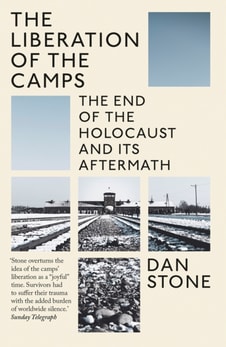
A moving, deeply researched account of survivors' experiences of liberation from Nazi death camps and the long, difficult years that followed When tortured inmates of Hitler's concentration and extermination camps were liberated in 1944 and 1945, the horror of the atrocities came fully to light.
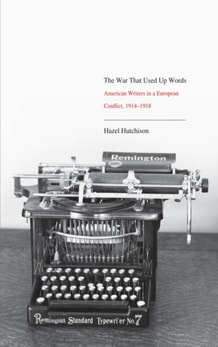
In this provocative study, Hazel Hutchison takes a fresh look at the roles of American writers in helping to shape national opinion and policy during the First World War.
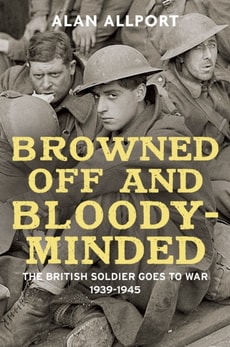
More than three-and-a-half million men served in the British Army during the Second World War, the vast majority of them civilians who had never expected to become soldiers and had little idea what military life, with all its strange rituals, discomforts, and dangers, was going to be like.
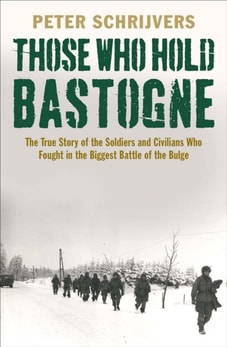
The acclaimed World War II historian delivers "e;a panoramic and compelling boots-on-the-ground illumination of one of the Bulge's most epic battles"e; (Patrick K.
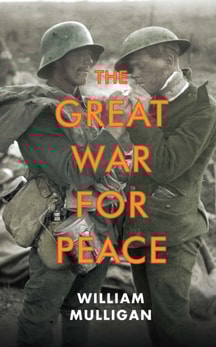
A new look at the legacy of WWI, a war fought for peace yet followed by a century of devastating violence “The war to end all wars” rings out a bitter mockery of the First World War, often viewed as the seminal catastrophe of the twentieth century, the crucible from which Soviet, Fascist, and Nazi dictatorships emerged.
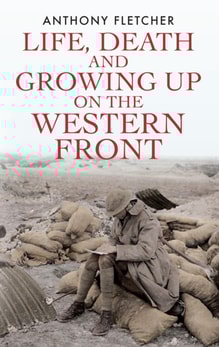
A powerful account of life and loss in the Great War, as told by British soldiers in their letters home This book was inspired by the author’s discovery of an extraordinary cache of letters from a soldier who was killed on the Western Front during the First World War.
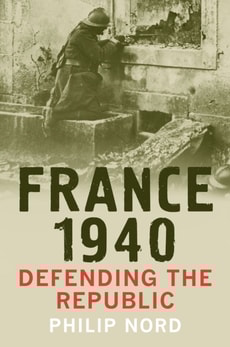
A new perspective on the calamitous fall of France in 1940 and why blame has been misplaced ever since In this revisionist account of France’s crushing defeat in 1940, a world authority on French history argues that the nation’s downfall has long been misunderstood.
A Polish writer’s experience of wartime France, a cosmopolitan outsider’s perspective on politics, culture, and life under duress When the aspiring young writer Andrzej Bobkowski, a self-styled cosmopolitan Pole, found himself caught in occupied France in 1940, he recorded his reflections on culture, politics, history, and everyday life.
How Britain, standing alone, persevered in the face of near-certain defeat at the hands of Nazi Germany From the comfortable distance of seven decades, it is quite easy to view the victory of the Allies over Hitler’s Germany as inevitable.
The master historian John Lukacs explores lasting questions and enigmas about World War II, its consequences, and its persistent legacy Sixty-five years after the conclusion of World War II, its consequences are still with us.
Historian John Buckley offers a radical reappraisal of Great Britain’s fighting forces during World War Two, challenging the common belief that the British Army was no match for the forces of Hitler’s Germany.
This book is the culmination of more than three decades of meticulous historiographic research on Nazi Germany by one of the period's most distinguished historians.
Upon publication of her “field manual,” The Origins of Totalitarianism, in 1951, Hannah Arendt immediately gained recognition as a major political analyst.
In this memoir of life aboard aircraft carriers during World War II, Alvin Kernan combines vivid recollections of his experience as a young enlisted sailor with a rich historical account of the Pacific war.