The "e;fascinating"e; story of a First World War prisoner of war camp which held captured German personnel in the very heart of the English countryside (Books Monthly).
'One of the greatest codebreakers of the twentieth century' Suzannah Lipscomb An astounding story of codebreaking, personal sacrifice and a life lived in the shadows.
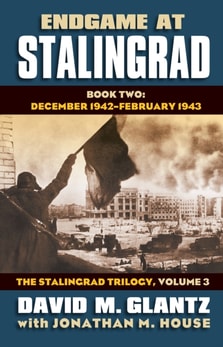
In Book Two of the third volume of his magisterial Stalingrad Trilogy, David Glantz continues and concludes his definitive history of one of the most infamous battles of World War Two, the Stalingrad campaign that signaled Germanys failure on the Eastern Front and marked a turning point in the war.
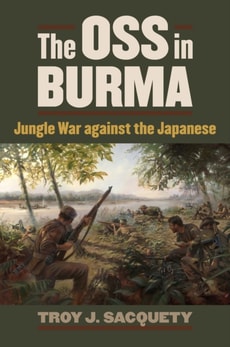
One could not choose a worse place for fighting the Japanese, said Winston Churchill of North Burma, deeming it the most forbidding fighting country imaginable.
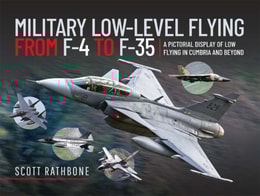
"e;The author and his friends have been able to capture some truly remarkable images of modern military aircraft engaged in this activity - everything from a glider, to the massive and strange A400 Atlas, to Lockheed Martin F-35s.
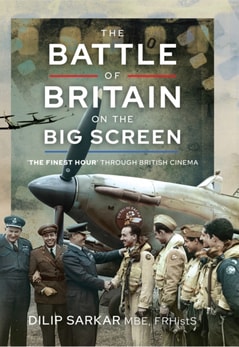
During the Second World War, the British movie industry produced a number of films concerning the war, all of which were, by necessity, heavily myth-laden and propagandised.
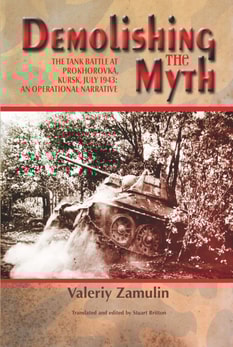
"e;Comprehensive scholarship and convincing reasoning, enhanced by an excellent translation, place this work on a level with the best of David Glantz"e; (Dennis Showalter, award-winning author of Patton and Rommel).
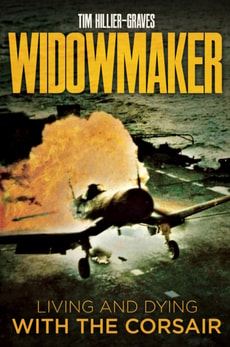
The dramatic history behind one of WWII's most powerful-and dangerous-planes, "e;spiced with many first-hand accounts, American and British"e; (Aeroplane).
The North African campaign was one of the hardest fought episodes of the Second World War, yet the vital part played by the Italian Army - and in particular, its Folgore Parachute Division on behalf of the Axis Alliance - is frequently overlooked.
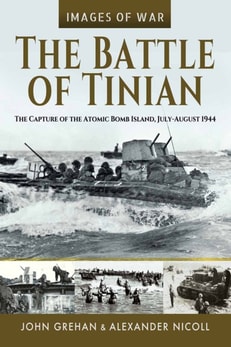
The authors have created a competent, well-written, and very well-illustrated overview history of an important but lesser-known battle of World War II in the Pacific.
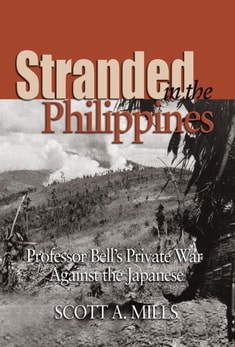
American missionaries Henry Roy Bell and his wife Edna had been teaching in the Philippines at Silliman University for twenty years when the Japanese invaded the islands after the attack on Pearl Harbor.
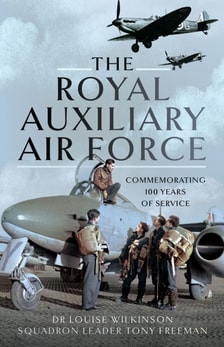
Owing its origins to Lord Trenchard's desire to establish an elite corps of civilians who would serve their country in flying squadrons during their spare time, the Auxiliary Air Force (AAF) was first formed in October 1924.
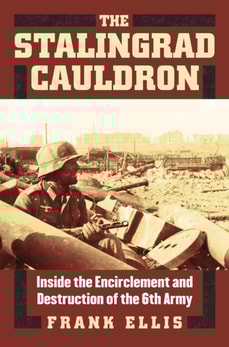
The encirclement of the German 6th Army at Stalingrad in mid-November 1942 and its final collapse in February 1943 was a signature defeat for Hitler, as more than 100,000 of his soldiers were marched off into captivity.
Isabella Ginor and Gideon Remez's groundbreaking history of the Six-Day War in 1967 radically changes our understanding of that conflict, casting it as a crucial arena of Cold War intrigue that has shaped the Middle East to this day.
A fast-moving account that details Even-Epstein's experiences particularly in the intense conflicts of 1967, the Six Day War, and 1973, the Yom Kippur War.