In the 1930s, as nations braced for war, the German military build up caught Britain and the United States off-guard, particularly in aviation technology.
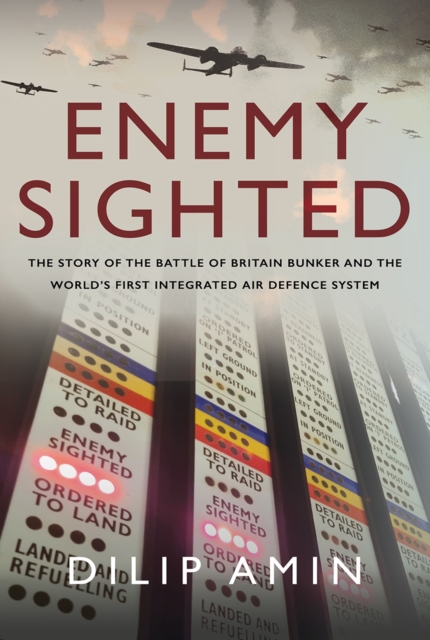
Enemy Sighted is the story of the world's first integrated air defense system and how the coalition of Hurricanes and Spitfires, Fighter Command's Operations Rooms and Sector Stations, Radar Stations, Observer Corps posts, anti-aircraft gun and searchlight batteries, and balloon barrages, stood resolutely in the way of Operation Seelowe, Hitler's plan for invading Britain in the Summer of 1940.
Enemy Sighted is the story of the world's first integrated air defense system and how the coalition of Hurricanes and Spitfires, Fighter Command's Operations Rooms and Sector Stations, Radar Stations, Observer Corps posts, anti-aircraft gun and searchlight batteries, and balloon barrages, stood resolutely in the way of Operation Seelowe, Hitler's plan for invading Britain in the Summer of 1940.
'A stunningly good and surely definitive biography of one of the most fascinating British engineers ever to have lived' JAMES HOLLANDBarnes Wallis is remembered for contributions to aviation that spanned most of the 20th century, from airships at its start to reusable spacecraft near the end.
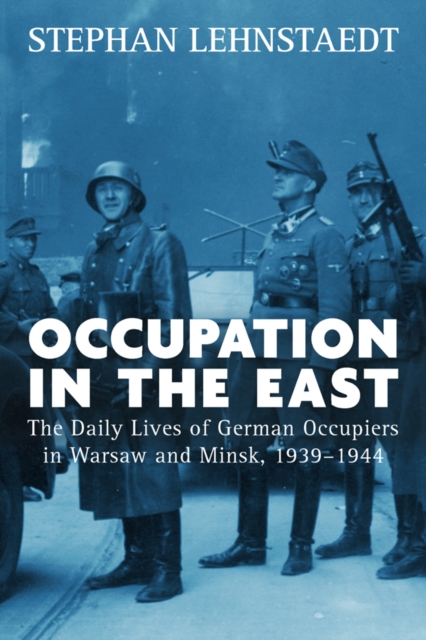
Convinced before the onset of Operation "e;Barbarossa"e; in June 1941 of both the ease, with which the Red Army would be defeated and the likelihood that the Soviet Union would collapse, the Nazi regime envisaged a radical and far-reaching occupation policy which would result in the political, economic and racial reorganization of the occupied Soviet territories and bring about the deaths of 'x million people' through a conscious policy of starvation.
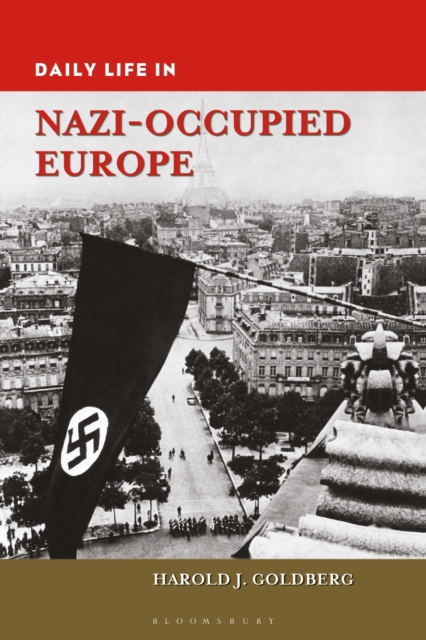
Daily Life in Nazi-Occupied Europe provides readers with information about political and military affairs, economic life, religious life, intellectual life, and other aspects of daily life in those countries occupied by Nazi Germany during World War II.
An indispensable resource on the Treaty of Versailles, one of the most influential and controversial documents in history, this book explains how the treaty tried to solve the complex issues that emerged from the destruction of World War I.
The exodus of refugees from Nazi Germany in the 1930s has received far more attention from historians, social scientists, and demographers than many other migrations and persecutions in Europe.
In this first interdisciplinary study of this contentious subject, leading experts in politics, history, and philosophy examine the complex aspects of the terror bombing of German cities during World War II.
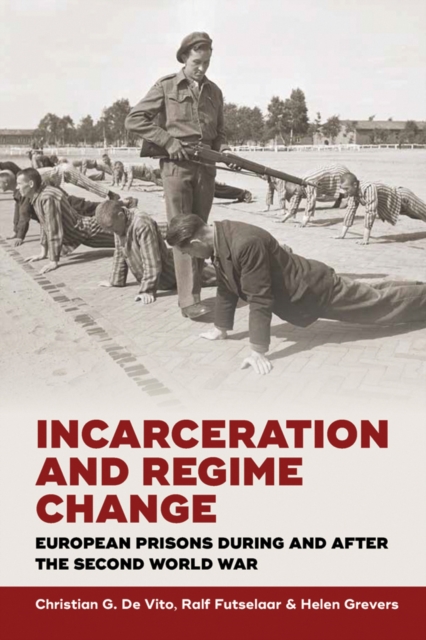
Political instability is nearly always accompanied by fuller prisons, and this was particularly true during the long Second World War, when military mobilization, social disorder, wrenching political changes, and shifting national boundaries swelled the ranks of the imprisoned and broadened the carceral reach of the state.
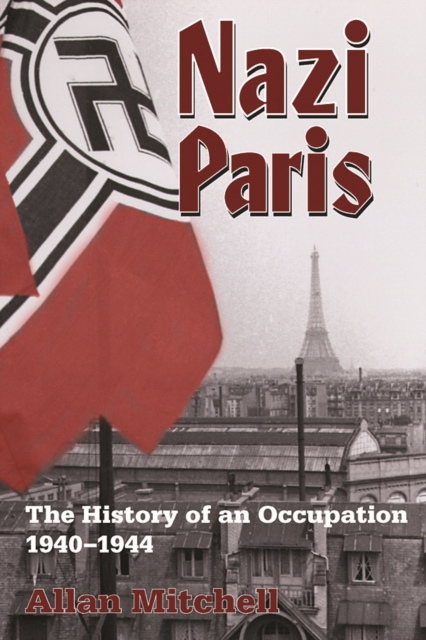
Basing his extensive research into hitherto unexploited archival documentation on both sides of the Rhine, Allan Mitchell has uncovered the inner workings of the German military regime from the Wehrmacht s triumphal entry into Paris in June 1940 to its ignominious withdrawal in August 1944.
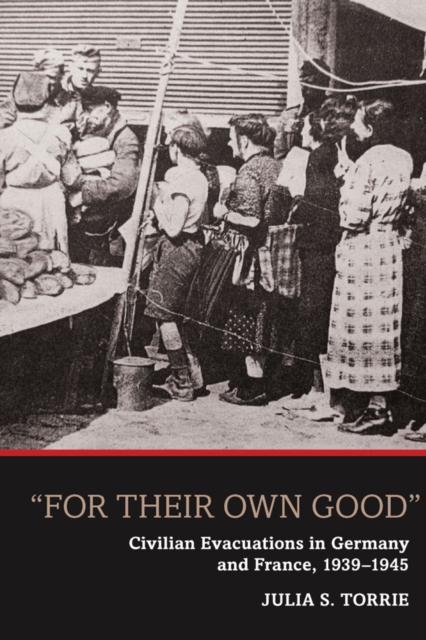
The early twentieth-century advent of aerial bombing made successful evacuations essential to any war effort, but ordinary people resented them deeply.
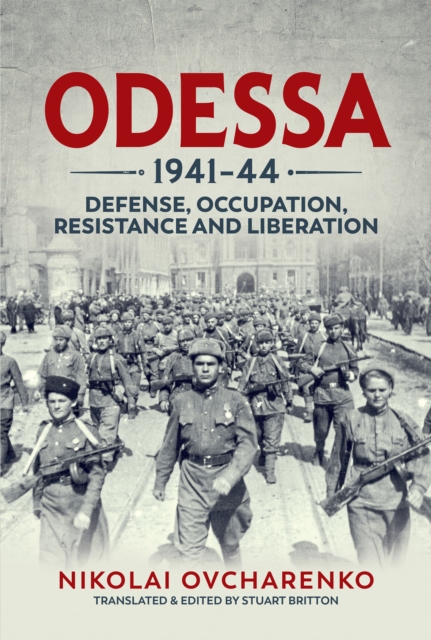
After a brief overview of the origins and development of the city of Odessa on the Black Sea Coast, author Nikolai Ovcharenko turns to its citizens’ ordeal during the Second World War.
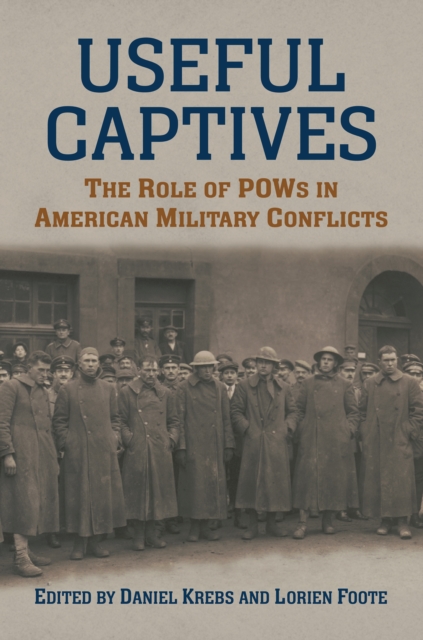
Useful Captives: The Role of POWs in American Military Conflicts is a wide-ranging investigation of the integral role prisoners of war (POWs) have played in the economic, cultural, political, and military aspects of American warfare.
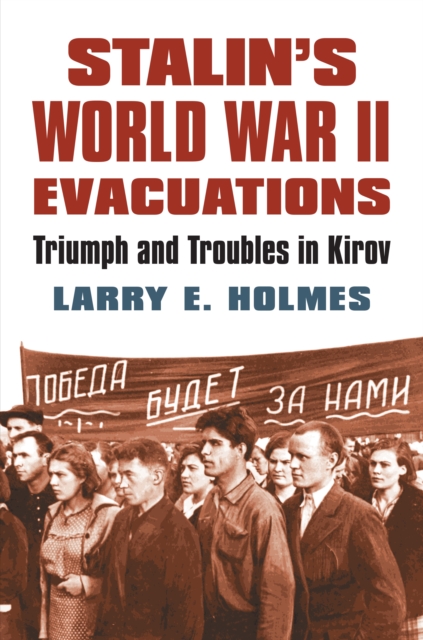
Choice Outstanding Academic TitleIn the face of the German onslaught in World War II, the Soviets succeeded, as Molotov later recalled, in relocating to the rear virtually an entire industrial country.
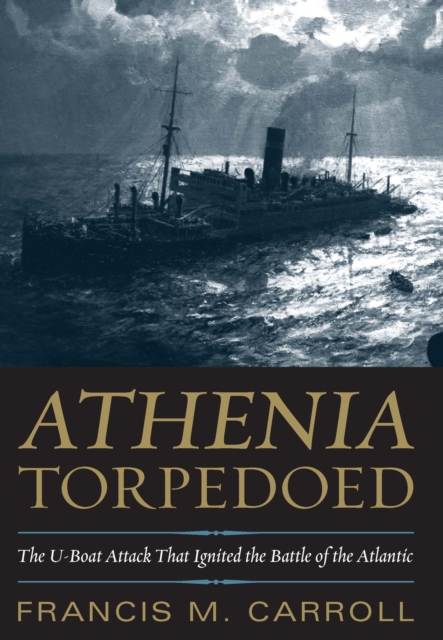
This book is an account of a disaster at sea, the sinking by a German submarine of the passenger liner Athenia sailing from Liverpool to Montreal, loaded with Americans, Canadians, and Europeans, attempting to cross the Atlantic before the outbreak of war.
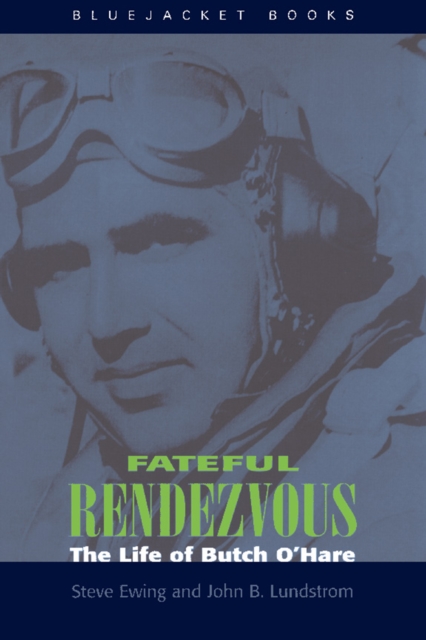
Fighter pilot Butch O'Hare became one of America's heroes in 1942 when he saved the carrier Lexington in what has been called the most daring single action in the history of combat aviation.
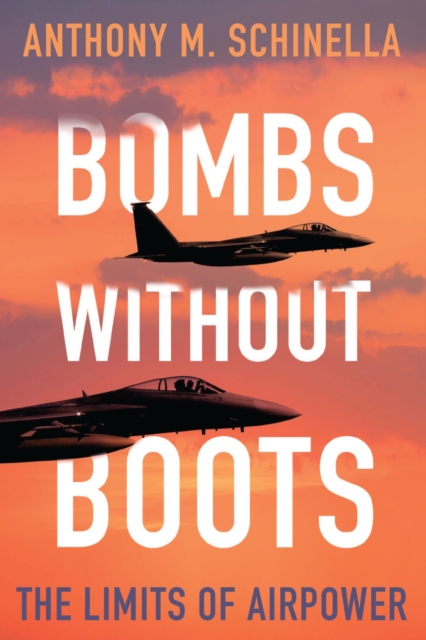
Airpower can achieve military objectives—sometimes, in some circumstancesIt sounds simple: using airpower to intervene militarily in conflicts, thus minimizing the deaths of soldiers and civilians while achieving both tactical and strategic objectives.
Chronicles the air war above Britain from March 1942 to June 1943 and includes in-the-cockpit accounts from German and British pilots Assesses offensive and defensive tactics Incorporates hundreds of rarely seen photos As the Battle of Britain came to a close, the Luftwaffe began arming its single-engine fighters with bombs and using them instead of bombers for many daylight raids against shipping and coastal installations, railways, fuel depots, and other military and civilian objectives.
Thanks to the PBY's daring pilots and their effective tactics, the slow outdated Catalina patrol bombers became the scourge of Japanese shipping in the South Pacific during World War II.
A classic and poignant treatment of Japan's struggle between recognition of the kamikaze's futility and the country's pride in having made the attempt to stem the tide of the American advance in 1944-1945, this account, given by two former Kamikaze pilots, testifies to Japanese perspective of the last days of World War II.
On July 25, 2010, Arnold Ebneter flew across the country in a plane he designed and built himself, setting an aviation world record for aircraft of its class.
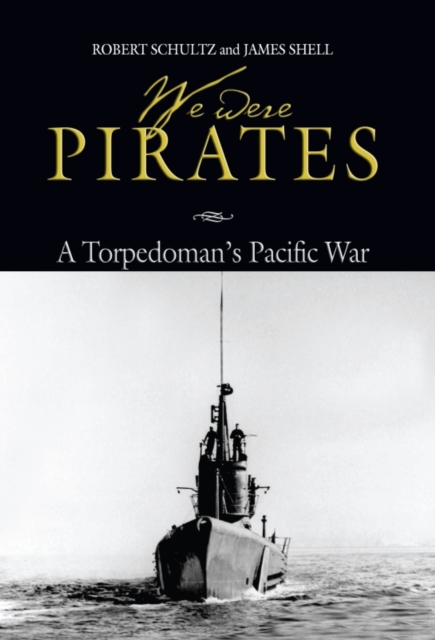
A sailors extraordinary experiences on an American submarine in the Pacific are candidly reported in this eyewitness account of war from a torpedomans perspective.
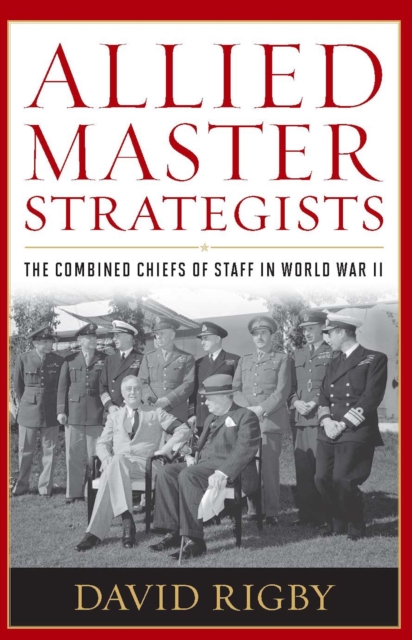
Calling the Combined Chiefs of Staff the glue that held the British-American alliance together in World War II, David Rigby describes the vital contributions to Allied victory made by the organization, which drew its members from the U.
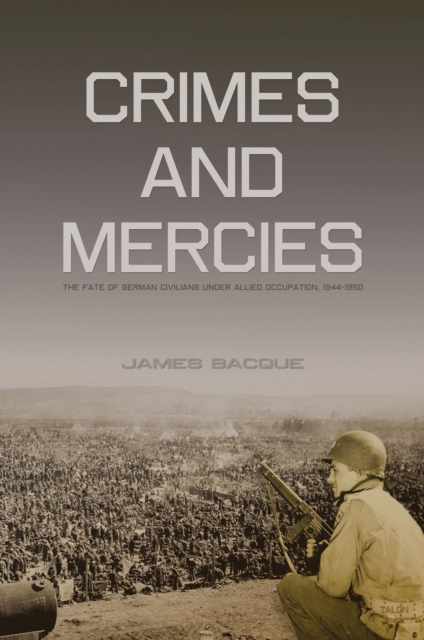
More than 9 million Germans died as a result of deliberate Allied starvation and expulsion policies after World War II-one quarter of the country was annexed, and about 15 million people expelled in the largest act of ethnic cleansing the world has ever known.
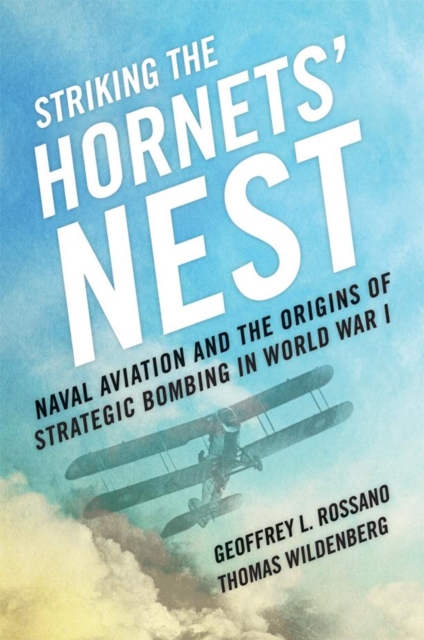
Striking the Hornets' Nest provides the first extensive analysis of the Northern Bombing Group (NBG), the Navy's most innovative aviation initiative of World War I and one of the world's first dedicated strategic bombing programs.
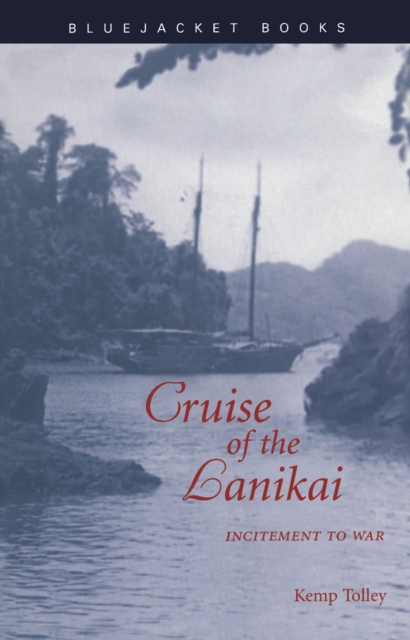
In early December 1941 in the Philippines, a young Navy ensign named Kemp Tolley was given his first ship command, an old 76-foot schooner that had once served as a movie prop in John Ford's "e;The Hurricane.
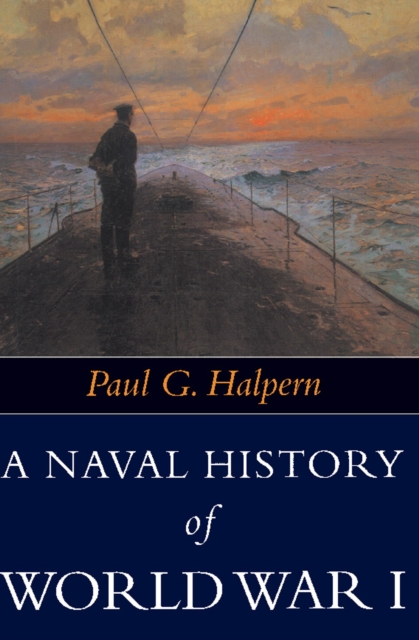
There have been a number of studies published on the activities of British and German navies during World War I, but little on naval action in other arenas.
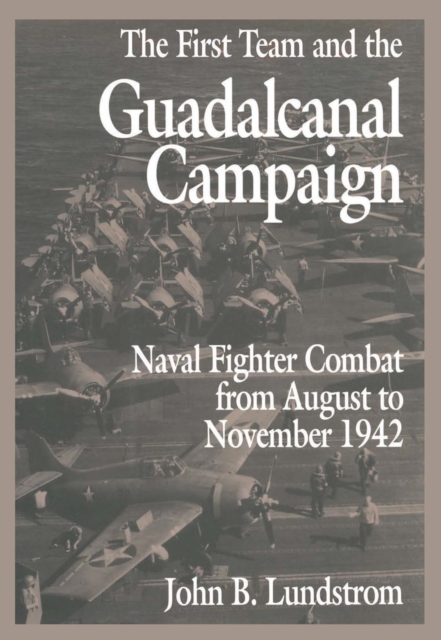
From huddled command conferences to cramped cockpits, John Lundstrom guides readers through the maelstrom of air combat at Guadalcanal in this impressively researched sequel to his earlier study.
A Military History of India since 1972 is a definitive work of military history that gives the Indian military its rightful place as a key contributor to Indian democracy.
In August 1943, the Luftwaffe began using radio-controlled anti-ship glide bombs and within weeks they had sunk one battleship, crippled another, wrecked two cruisers, and destroyed numerous merchant ships.
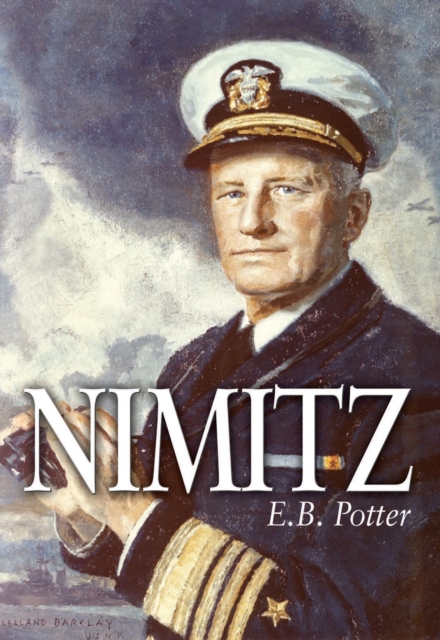
Called a great book worthy of a great man, this definitive biography of the commander in chief of the Pacific Fleet in World War II, first published in 1976 and now available in paperback for the first time, continues to be considered the best book ever written about Adm.
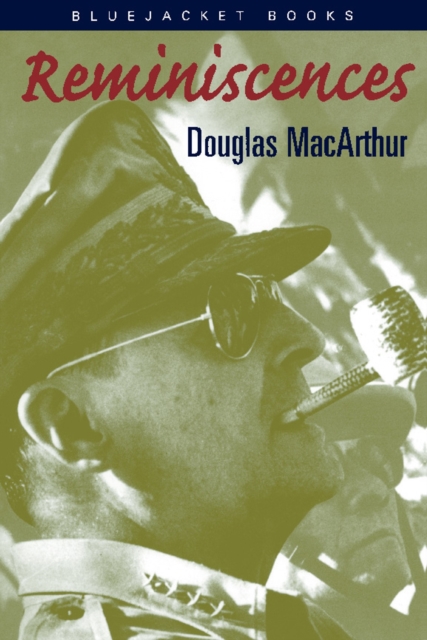
Written in his own hand, and finished only weeks before his death, Reminiscences by General Douglas MacArthur spans more than half a century of modern history.