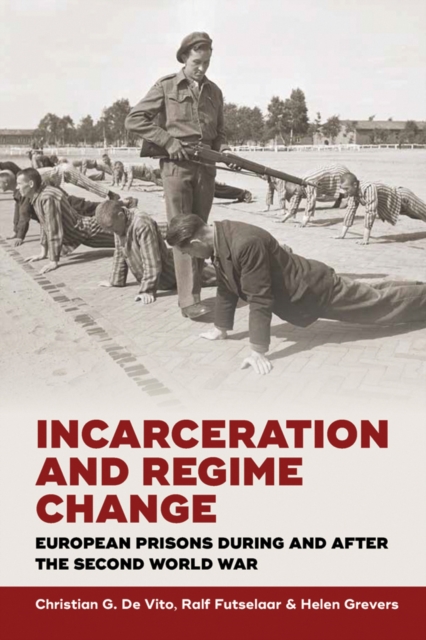
Political instability is nearly always accompanied by fuller prisons, and this was particularly true during the long Second World War, when military mobilization, social disorder, wrenching political changes, and shifting national boundaries swelled the ranks of the imprisoned and broadened the carceral reach of the state.
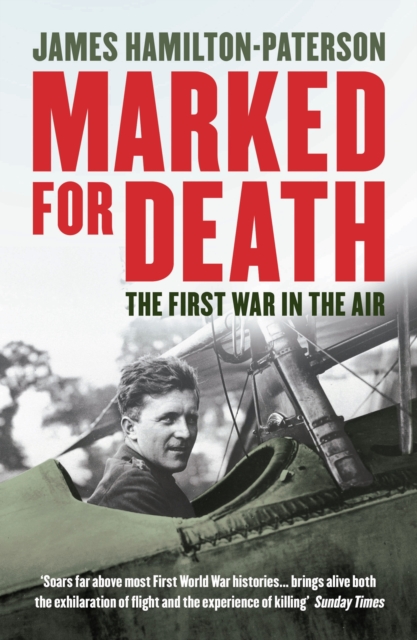
A compelling and fascinating account of aerial combat in World War I, revealing the terrible risks run by the men who fought and died in the world's first air war.
Ever since its invention, aviation has embodied the dream of perpetual peace between nations, yet the other side of this is the nightmare of an unprecedented deadly power.
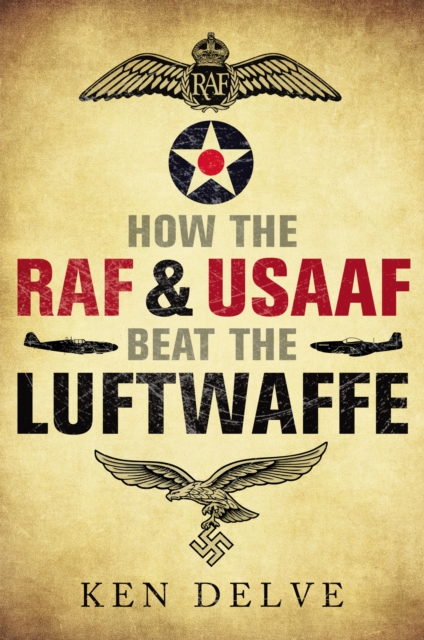
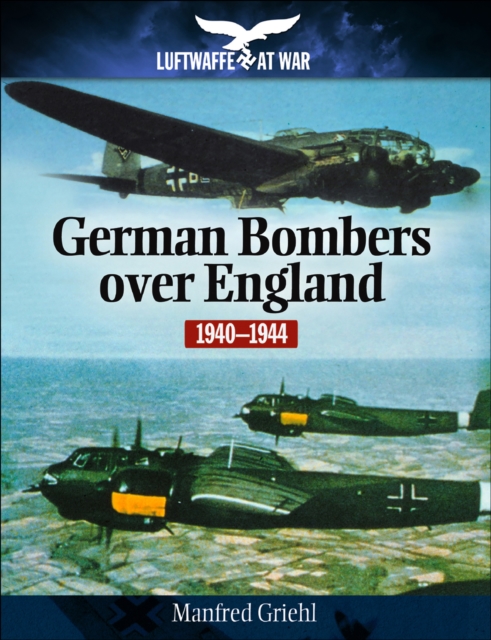
Between July and October 1940, in what became known as the Battle of Britain, a nation held its breath while the pilots of the Royal Air Force battled Hitler's Luftwaffe in the skies above England.
Between July and October 1940, in what became known as the Battle of Britain, a nation held its breath while the pilots of the Royal Air Force battled Hitler's Luftwaffe in the skies above England.
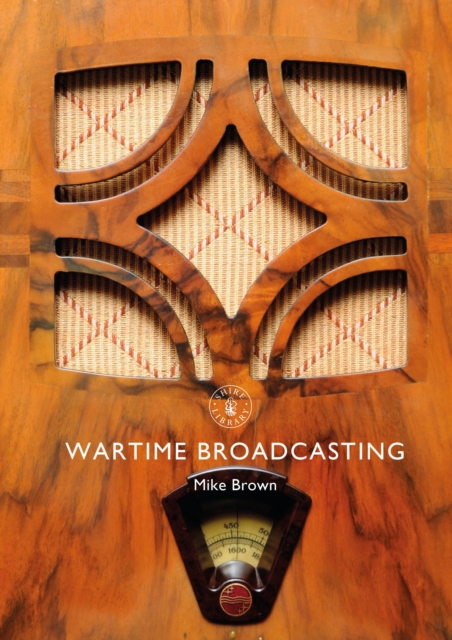
On 3 September 1939, Prime Minister Neville Chamberlain sat tensely at a microphone, using radio to declare that 'this country is at war with Germany'.
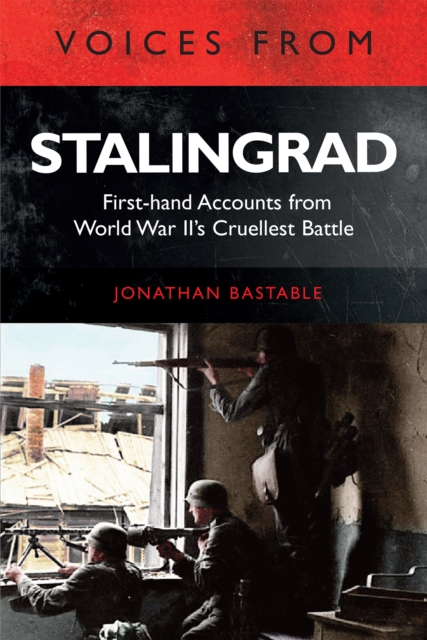
This history of the pivotal WWII Battle of Stalingrad reveals newly translated firsthand accounts from Russian and German soldiers as well as civilians.
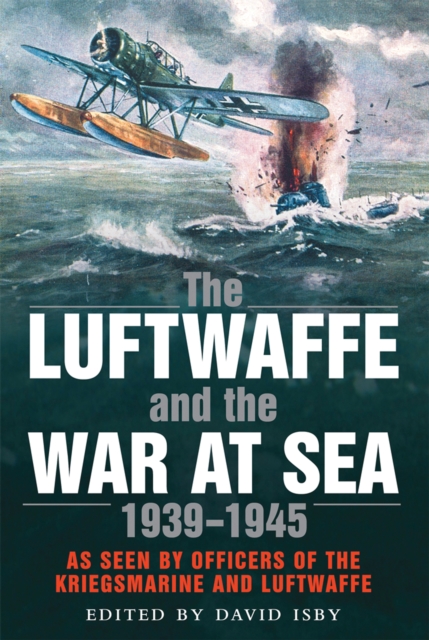
The Luftwaffe and the War at Sea is a collection of fascinating accounts written by German military officers – both Kriegsmarine and Luftwaffe – about the naval war in the air in the North Atlantic and around Great Britain.
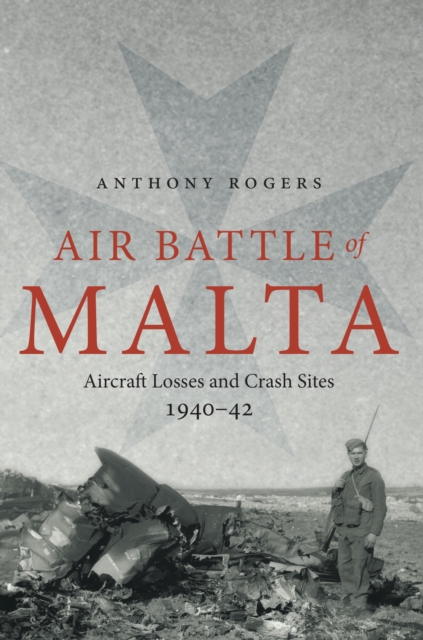
In the Second World War, Malta was besieged for nearly two and a half years, during which time a decisive air war was waged between Britain, Italy and Germany.
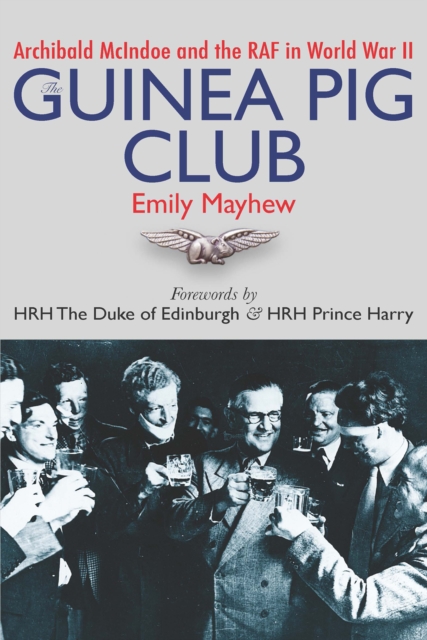
'This book speaks to two of the most diametrically opposed yet mutually supportive aspects of war: the ability to inflict horrific injury and the ability to heal Mayhew is to be commended on an outstanding addition to expanding our knowledge of an area rarely discussed by historians.
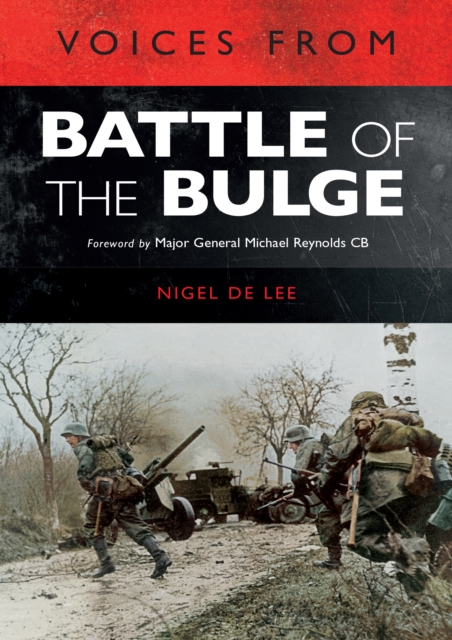
After the Allies broke out from Normandy in July 1944, they drove quickly through the rest of France and were threatening the German border by the autumn.
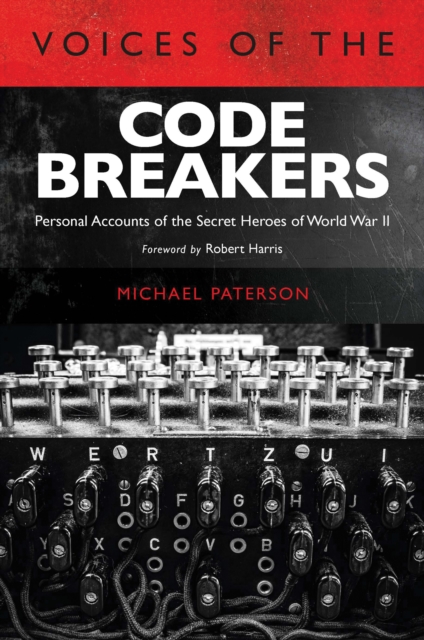
Alongside the open conflict of World War II there were other, hidden wars - the wars of communication, in which success depended on a flow of concealed and closely guarded information.
The history of WWI aviation is a rich and varied story marked by the evolution of aircraft from slow moving, fragile, and unreliable powered kites, into quick, agile, sturdy fighter craft.
The history of WWI aviation is a rich and varied story marked by the evolution of aircraft from slow moving, fragile, and unreliable powered kites, into quick, agile, sturdy fighter craft.
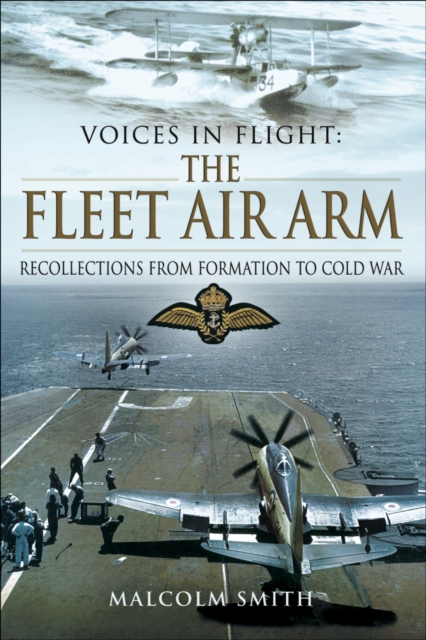
The author Malcolm Smith has been the Editor of Jabberwock, the bi-annual journal of the Fleet Air Arm Museum, for two years and has inherited the complete archive of editions dating back to the formation of SOFFAAM in 1979.
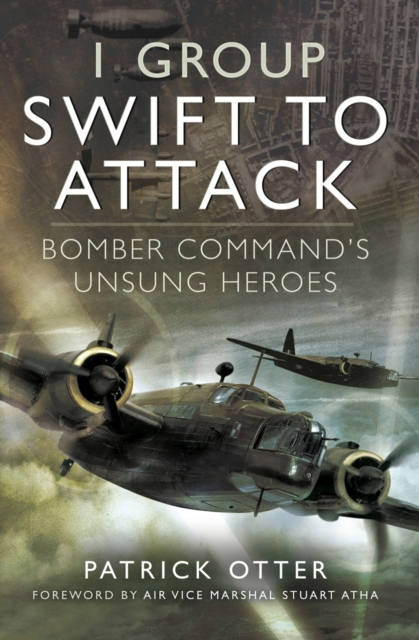
Following the recent unveiling of the monument to Bomber Command in London's Green Park, the publication of this lovingly crafted account of the exploits of oft-overlooked 1 Group is set to be a timely one.
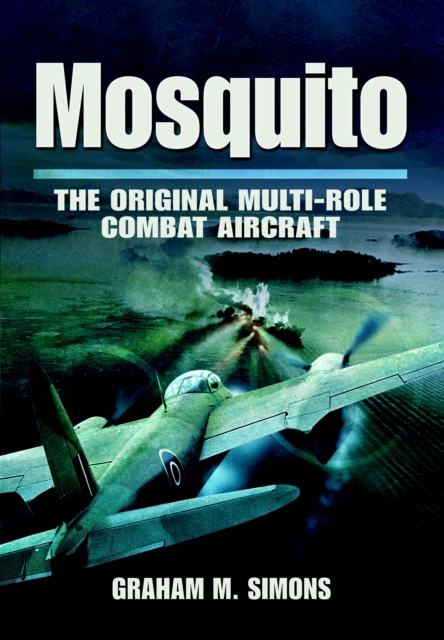
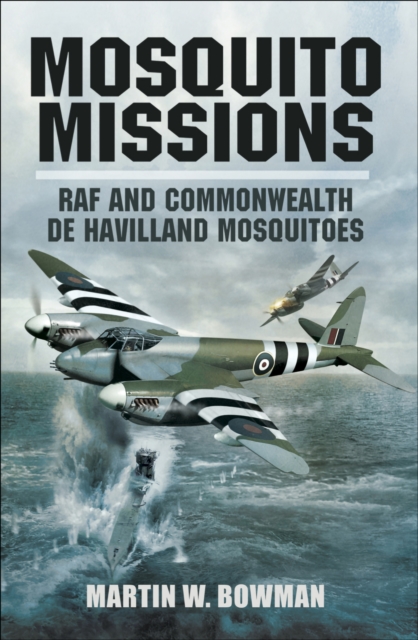
The Wooden Wonder was probably the most versatile combat aircraft that operated on all fronts in World War Two and was still giving valuable service in first-line service after 1945 when it enjoyed a limited renaissance both at home, in Germany and abroad until the advent of jet aircraft.