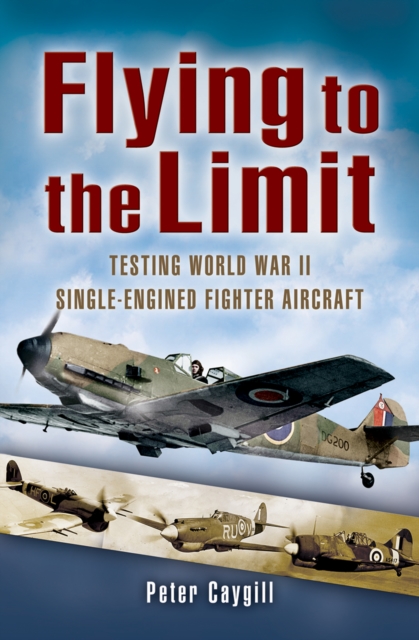
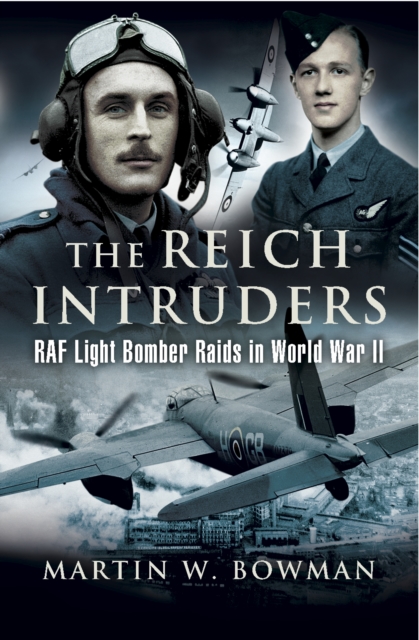
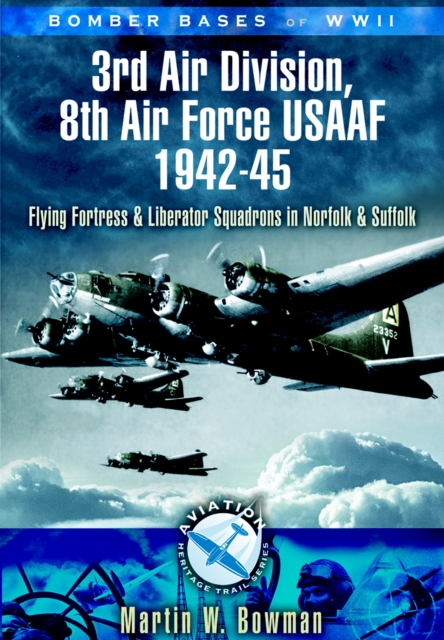
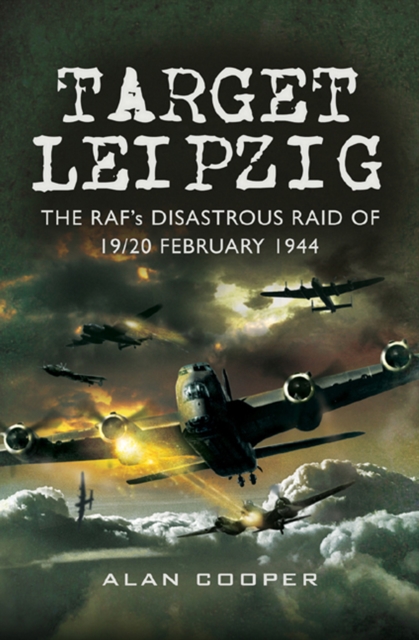
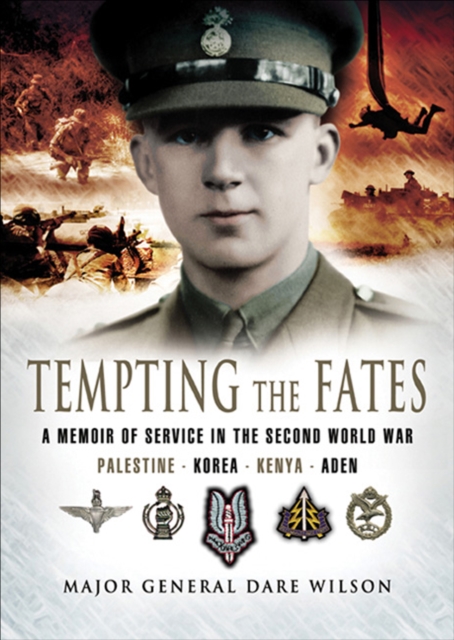
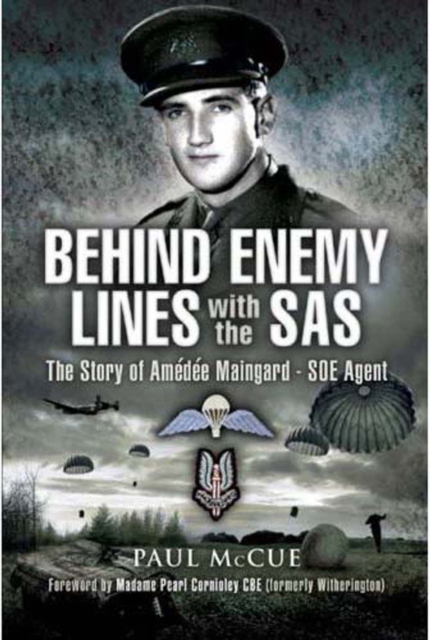
Packed with personal accounts of the action, this is a vivid narrative history of the often-overlooked USAAF campaign in North Africa and Sicily in World War II.
This book presents a selection of the newest research on themes amplified by the sixth annual Beyond Camps and Forced Labour conference on the post-Holocaust period, including 'displaced persons', reception and resettlement, exiles and refugees, trials and justice, reparation and restitution, and memory and testimony.
The book assembles case studies on the human dimension of the Holocaust as illuminated in the academic work of preeminent Holocaust scholar Deborah Dwork, the founding director of the Strassler Center for Holocaust and Genocide Studies, home of the first doctoral program focusing solely on the Holocaust and other genocides.
This book offers a unique approach to memory studies by focusing on local memory work conducted across the divide of the fall of Communism, whereas other histories have consistently used 1989 as a watershed moment.
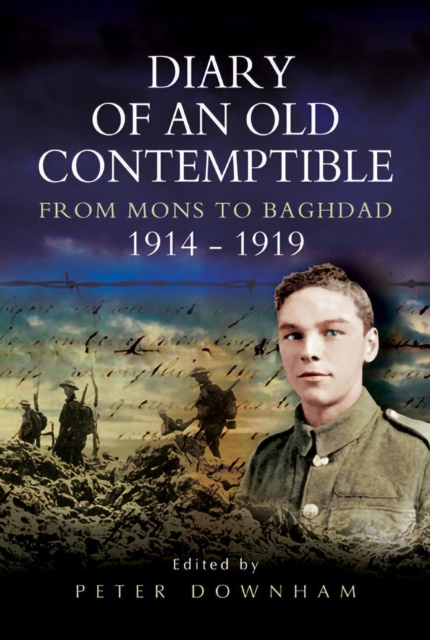
The Palgrave Handbook of Holocaust Literature and Culture reflects current approaches to Holocaust literature that open up future thinking on Holocaust representation.
This book provides numerous examples that apply the modern theory of bureaucracy developed in Breton and Wintrobe (1982 and 1986) to the Nazi Holocaust.
This book is the first to bring together analyses of the full range of post-war testimony given by survivors of the Sonderkommando of Auschwitz-Birkenau.
"e;Whether you have feelings about Bader or not, this is an excellent book to gain insight into the summer of 1941 when, ready or not, the RAF went on the offensive.
Pour la première fois, deux membres de la haute administration entreprennent de réfléchir, sur un mode qui n'est pas celui du plaidoyer pro domo, sur l'attitude d'un corps auquel ils appartiennent, dont ils sont solidaires, mais dont ils analysent avec probité le comportement sous l'Occupation.
À la Libération, des régions entières du territoire français sont infestées de mines que les Allemands, les Alliés et la Résistance ont posées durant le conflit.
A staggering new account of the civilian death toll of the world warsand what it reveals about the true nature and cost of modern warSoldiers have never been the only casualties of wars.
"e;The Battle of Moscow, 1941-1942: The Red Army's Defensive Operations and Counteroffensive Along the Moscow Strategic Direction"e; is a detailed examination of one of the major turning points of World War II, as seen from the Soviet side.
In this compelling memoir, Erich Sommer recalls his life in pre-war Germany and the adventures he had flying for the Luftwaffe during the Second World War.
This remarkable and very rare memoir discusses the bloody combat history of the Texas National Guard 36th Infantry Division in World War II, from pre-embarkation training through the capture of Rome.
Viet Nam may be the only war we ever fought, or perhaps that was ever fought, in which the heroism of the American soldier was accompanied by humanitarianism unmatched in the annals of warfare.
The V Force consisted of three four-jet bombers, the Valiant, the Vulcan and the Victor, all required as part of the nuclear deterrent in the Cold War following the end of the Second World War.
Panzers in Defence of Festung Poznan 1945 by Maciej Karalus and Jarosław Jerzak is the first book published in English to describe the bitter battle for Festung Poznań in 1945.
Of Islands, Ports, and Sea Lanes,/i> explains the operational and strategic importance of the ports and sea lanes of Africa and the Indian Ocean during the Second World War.
Details a critical period in the Red Army's advance along the southwest strategic direction during the general offensive that followed the fighting in the area of the Kursk salient in July-August 1943.
Under the leadership of a sagacious and patriotic ruler, who wasn't only cautious about the security of his state but was acting to stabilize worldwide peace by means of keeping the Middle East secure from the danger of Communism, the third most powerful Army Aviation in the world was born and flourished, its efficiency proven during its role defending Iran during the war with Iraq, 1980-88.
Sixty years since the tripartite aggression of France, Great Britain and Israel against Egypt, this is the first account about Egyptian military operations during the Suez War of 1956 (or ‘Suez Crisis’, as it is known in the West).
Designed by Sydney Camm as a swept wing, daytime interceptor with excellent maneuverability, the Hunter became the first jet aircraft manufactured by Hawker for the Royal Air Force.
Using the Russian Ministry of Defense’s archives and Western sources, the author has produced a companion work to his masterful study of II SS Panzer Corps’ offensive and the culminating clash at Prokhorovka.
The development of the F-5 lightweight supersonic fighter in the mid 1950s was almost a gamble for the Northrop Corporation, but ultimately resulted in one of most commercially successful combat aircraft in modern history.
In December of 1914, veteran Boer commander General Louis Botha landed his forces on the coast of German South West Africa to finish off the colony’s Schutztruppe defenders.
For years before the outbreak of the First World War, it was the expectation of most officers of the Royal Navy and the Imperial German Navy that very shortly thereafter; a decisive fleet action would be fought.
The author, Igor’ Sdvizhkov, takes a close look at the attempt by the Briansk Front’s Operational Group Chibisov to collapse the northern shoulder of the German drive to the Caucasus - north-west of Voronezh - in July 1942.
The Battle of Kursk in the summer of 1943 was one of the greatest battles in military history involving more than 3 million soldiers, 10,000 tanks and 8,000 aircraft.
After a brief overview of the origins and development of the city of Odessa on the Black Sea Coast, author Nikolai Ovcharenko turns to its citizens’ ordeal during the Second World War.
The North African campaign was one of the hardest fought episodes of the Second World War, yet the vital part played by the Italian Army - and in particular, its Folgore Parachute Division on behalf of the Axis Alliance - is frequently overlooked.
In June 1941 - during the first week of the Nazi invasion in the Soviet Union - the quiet cornfields and towns of Western Ukraine were awakened by the clanking of steel and thunder of explosions; this was the greatest tank battle of the Second World War.