The second and concluding volume of the definitive two-volume account of the HolocaustWith THE YEARS OF EXTERMINATION, Friedlander completes his work on Nazi Germany and the Jews.
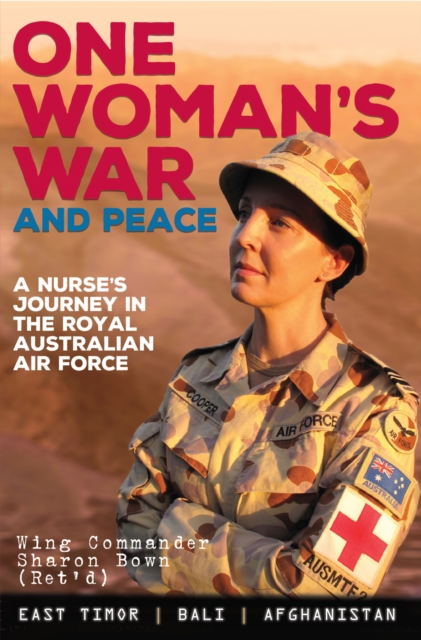
In 1999, idealistic 23-year-old Registered Nurse Sharon Bown left her comfortable family life in Tasmania and joined the Royal Australian Air Force with the aim of providing humanitarian aid to the world.
This book documents the case that World War II happened in such a different world that it has little relevance to todays foreign policy, as well as the case that U.
Based on extensive archival research, Sterling Michael Pavelec recounts the adventures of the handful of aviators and their aircraft during the Gallipoli Campaign.
Rise of the War Machines: The Birth of Precision Bombing in World War II examines the rise of autonomy in air warfare from the inception of powered flight through the first phase of the Combined Bomber Offensive in World War II.
Catkiller 3-2 provides unique insights into the role of the tactical air controller, airborne (TACA) in I Corps as seen through the eyes of one of the pilots who flew low-flying, unarmed, single-engine aircraft in support of Marine ground units during the Vietnam War.
Given the dearth of scholarship on the Phoney War, this book examines the early months of World War II when Winston Churchill's ability to lead Britain in the fight against the Nazis was being tested.
India's armed forces play a key role in protecting the country and occupy a special place in the Indian people's hearts, yet standard accounts of contemporary Indian history rarely have a military dimension.
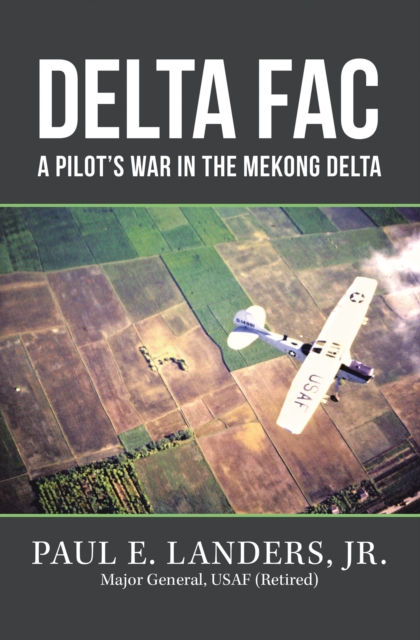
As a young Air Force officer, Major General Paul Landers flew small Cessna O-1 aircrafts, called Bird Dogs, over the trees and rice paddies of the Mekong Delta as a forward air controller (FAC).
Based on extensive archival research, Sterling Michael Pavelec recounts the adventures of the handful of aviators and their aircraft during the Gallipoli Campaign.
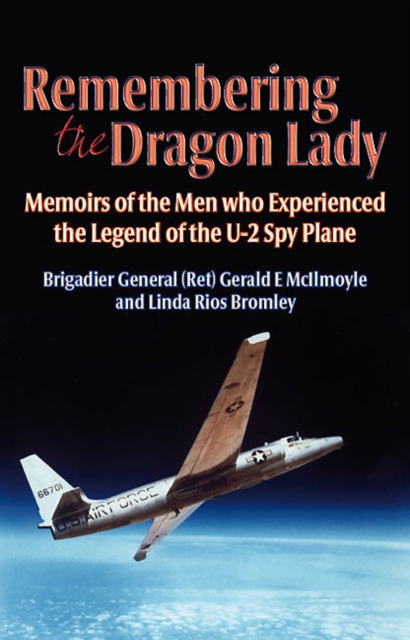
With heightened tensions mounting in the Cold War, President Dwight Eisenhower's request for more accurate intelligence information on the Soviet Union was the spark that ignited the U-2 project.
This edited volume offers a new interpretation of the historically momentous 1952 Wassenaar negotiations between representatives of the Federal Republic of Germany, Israel, and the Jewish Claims Conference to negotiate reparations, compensation, and restitution in the aftermath of the Holocaust.
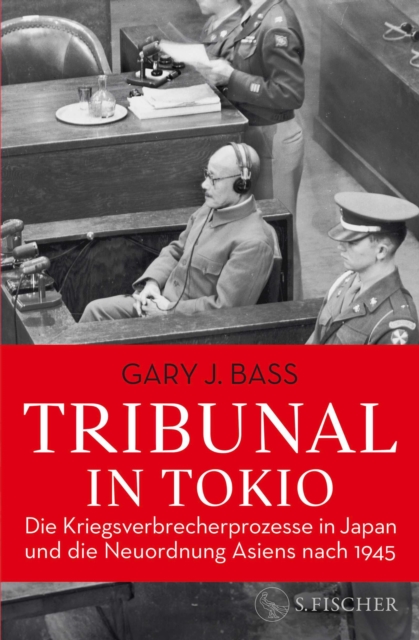
»Ein atemberaubend ehrgeiziges und gut gemachtes Stück Geschichte, das nur schwer zu übertreffen ist«, schreibt History Today über Gary Bass' einzigartiges Standardwerk zum wichtigsten Kriegsverbrecherprozesses neben den Nürnberger Prozessen.
On December 22, 1964, at a small, closely guarded airstrip in the desert town of Palmdale, California, Lockheed test pilot Bob Gilliland stepped into a strange-looking aircraft and roared into aviation history.
On December 22, 1964, at a small, closely guarded airstrip in the desert town of Palmdale, California, Lockheed test pilot Bob Gilliland stepped into a strange-looking aircraft and roared into aviation history.
Winner, 2022 Army Historical Foundation Distinguished Writing Awards, Unit HistoryThis second volume follows on from the first in recounting the WWII history of B Company, 756th Tank Battalion in vivid detail.
The US Army National Guard’s 34th 'Red Bull' Infantry Division was mobilized against the complex backdrop of the United States’ lack of readiness for modern war before the Japanese attack on Pearl Harbor.