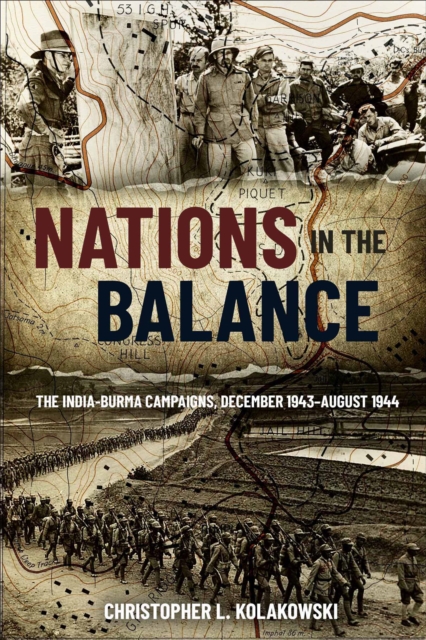
An account of the decisive WWII battles that helped shape Asia's future: "e;Reminds us of the high stakes at risk for both Allies and Axis powers in Burma.
One of the largest and most complex military efforts ever undertaken, the Leyte Operation was the Allies' first and most important major combined operation to liberate the Philippine archipelago.
Stuart Goldman convincingly argues that a little-known, but intense Soviet-Japanese conflict along the Manchurian-Mongolian frontier at Nomonhan influenced the outbreak of World War II and shaped the course of the war.
The US Army National Guard’s 34th 'Red Bull' Infantry Division was mobilized against the complex backdrop of the United States’ lack of readiness for modern war before the Japanese attack on Pearl Harbor.
Following the 1952 reorganization of the Portuguese Air Force from the army and naval air arms, Portugal now had an entity dedicated solely to aviation that would bring it into line with its new NATO commitment.
When his electronic warfare plane--call sign Bat 21--was shot down on 2 April 1972, fifty-three-year-old Air Force navigator Iceal "e;Gene"e; Hambleton parachuted into the middle of a North Vietnamese invasion force and set off the biggest and most controversial air rescue effort of the Vietnam War.
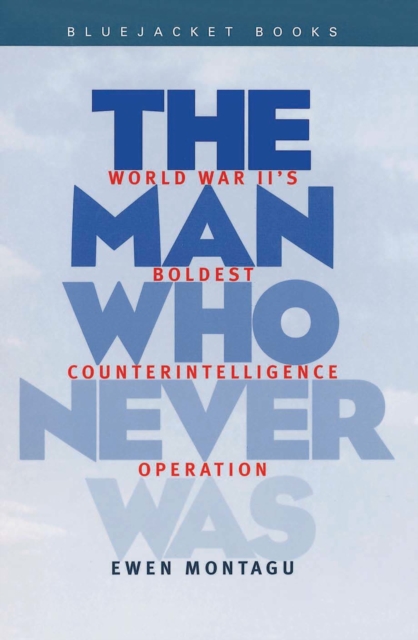
As plans got under way for the Allied invasion of Sicily in June 1943, British counter-intelligence agent Ewen Montagu masterminded a scheme to mislead the Germans into thinking the next landing would occur in Greece.
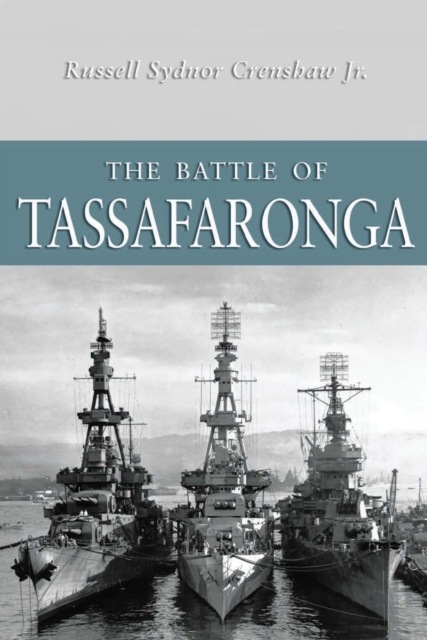
The Battle of Tassafaronga, November 30, 1942, was the fifth and last major night surface action fought off Savo Island during World War II's Guadalcanal campaign.
Today only a select few know firsthand what it is like to feel their ship shudder from the blast of their own guns, watch enemy guns flash back, and see friendly ships erupt in flames.
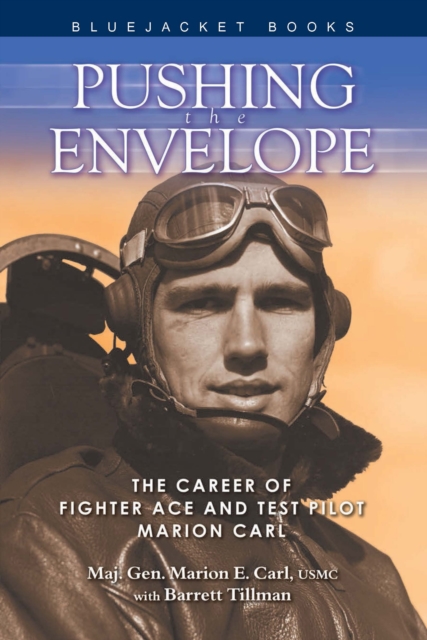
First published in 1994, this stirring autobiography of a fighter and test pilot takes readers full throttle through Carl's imposing list of "e;firsts.
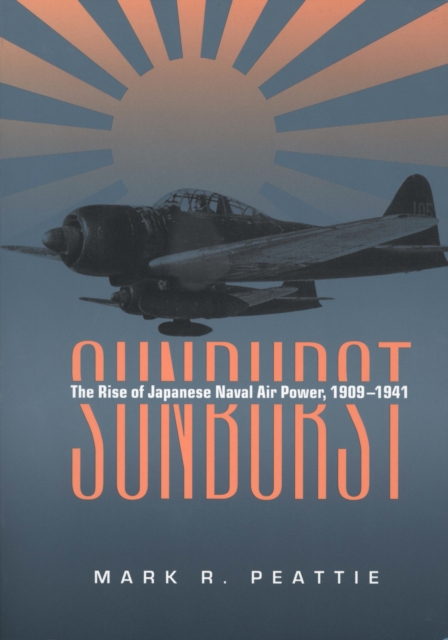
This acclaimed sequel to the Peattie/Evans prizewinning work, Kaigun, illuminates the rise of Japanese naval aviation from its genesis in 1909 to its thunderbolt capability on the eve of the Pacific war.
During the first half of the 1970s, two new fighter aircraft entered operational service in the United States: The Navy's Grumman F-14 Tomcat and the Air Force's McDonnell Douglas F-15 Eagle.
In the latest addition to the History of Military Aviation series, Peter Dye describes how the development of the air weapon on the Western Front during World War I required a radical and unprecedented change in the way that national resources were employed to exploit a technological opportunity.
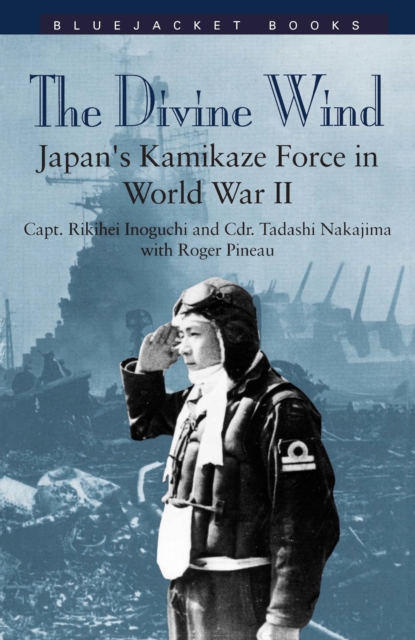
This highly regarded war memoir was a best seller in both Japan and the United States during the 1960s and has long been treasured by historians for its insights into the Japanese side of the surface war in the Pacific.
Striking the Hornets' Nest provides the first extensive analysis of the Northern Bombing Group (NBG), the Navy's most innovative aviation initiative of World War I and one of the world's first dedicated strategic bombing programs.
From the start of the Cold War to the fall of Saigon, from the Congo to Tibet, from the Bay of Pigs to North Vietnam and Nicaragua, here is a comprehensive overview of U.
This is the story of the first jet versus jet war, the largest in number of victories and losses, and one of the few military bright spots in the Korean War.
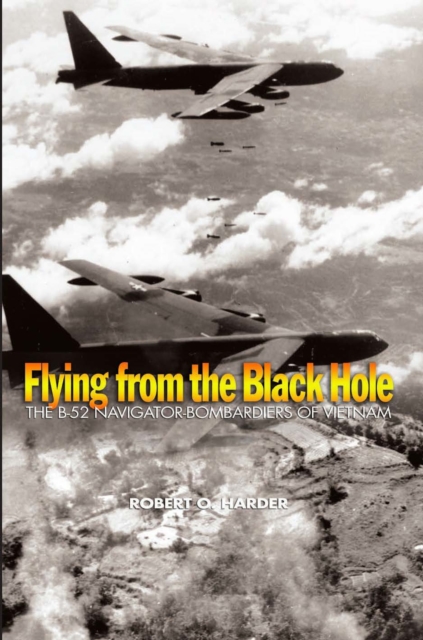
Air Force navigators and bombardiers have long labored under the shadow of pilots--their contributions undervalued, misunderstood, or simply unknown to the general public.
A classic and poignant treatment of Japan's struggle between recognition of the kamikaze's futility and the country's pride in having made the attempt to stem the tide of the American advance in 1944-1945, this account, given by two former Kamikaze pilots, testifies to Japanese perspective of the last days of World War II.
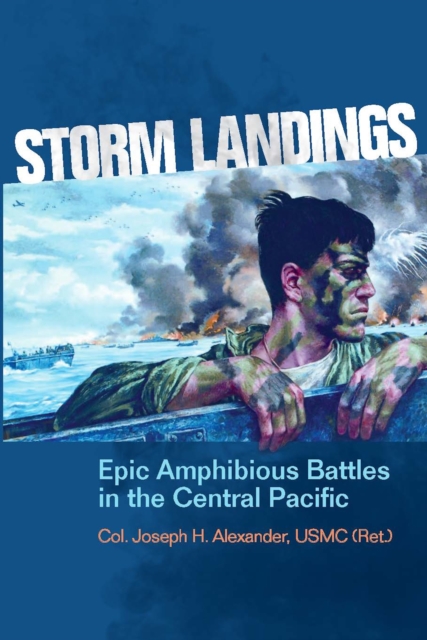
The Pacific War changed abruptly in November 1943 when Admiral Chester Nimitz unleashed a relentless 18-month, 4,000-mile offensive across the Central Pacific, spearheaded by fast carrier task forces and U.