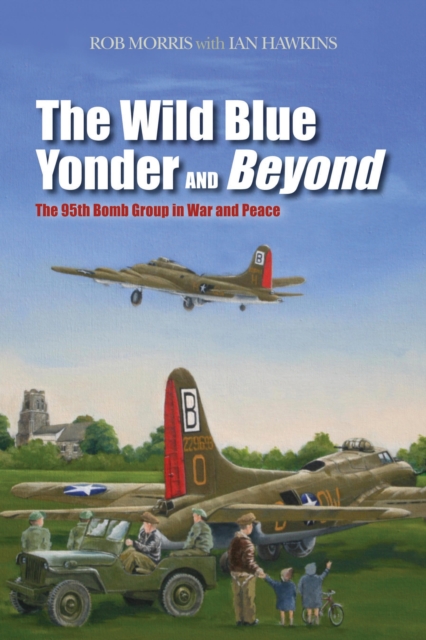
The 95th Bomb Group (Heavy), the most highly decorated bomb group of World War II, participated in every major mission of the war in Europe from May 1943 through the wars end and was awarded an unprecedented three Presidential Unit Citations.
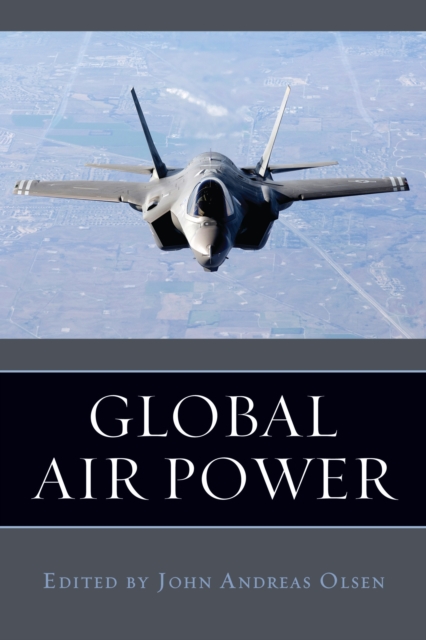
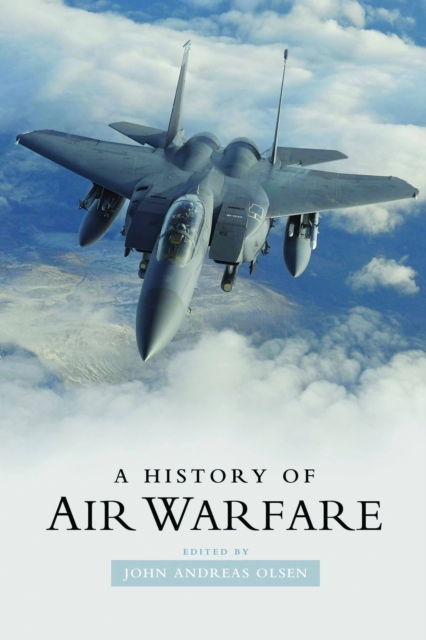
***Selected for the 2010 Chief of the United States Air Force's Reading List***This one-volume anthology provides a comprehensive analysis of the role that air power has played in military conflicts over the past century.
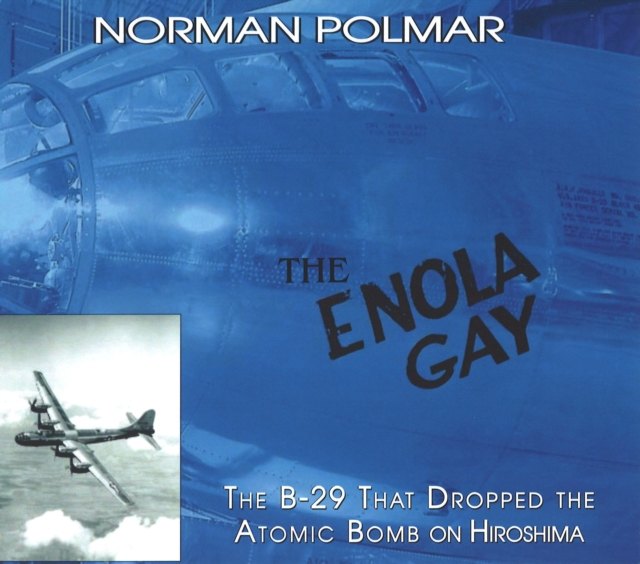
The world entered the atomic age in August 1945, when the B-29 Superfortress nicknamed Enola Gay flew some 1,500 miles from the island of Tinian and dropped an atomic bomb on Hiroshima, Japan.
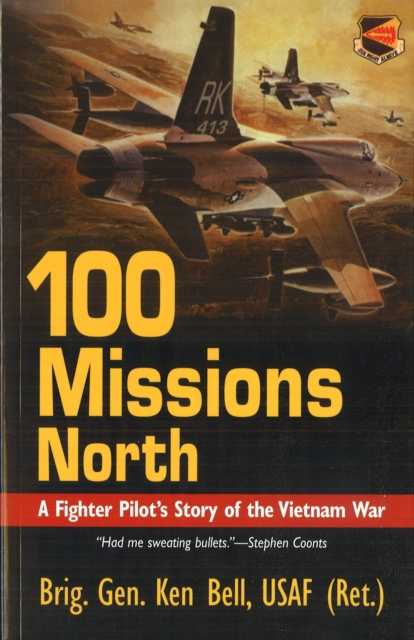
In 100 Missions North, Ken Bell recounts the harrowing sorties that he and his comrades flew in F-105 Thunderchiefs, the famous Thud, in 1966-67, when pilots faced a 50 percent loss rate.
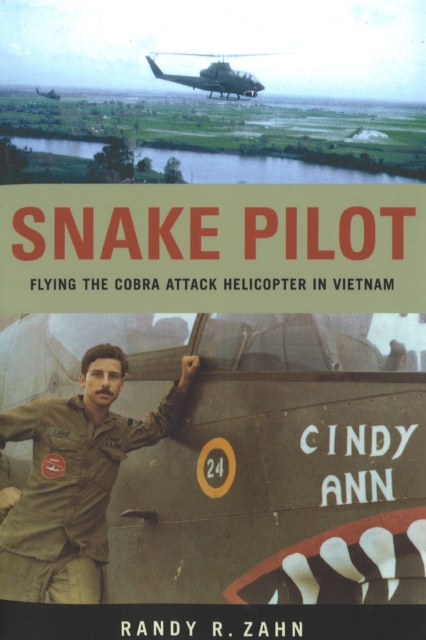
Zahn reconstructed his year of combat in Vietnam with surprising detail, capturing the cockiness, angst, and attitude of the naive nineteen-year-old 1st Cavalry Division attack helicopter pilot of 1970 and 1971.
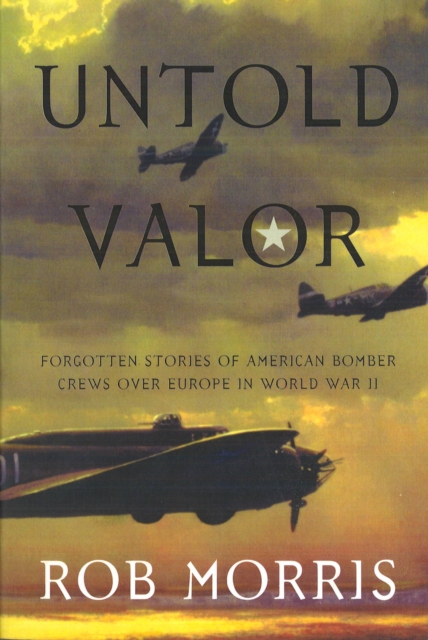
For the men of the Army Air Corps in early World War II, the chance of surviving the obligatory twenty-five missions without death, injury, or imprisonment was one in three.
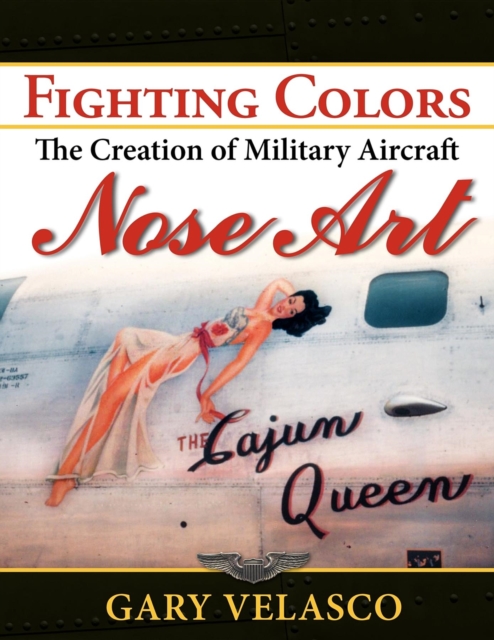
Since the early days of flight, military pilots have personalized aircraft with artistic creations, giving each plane a unique identity and aircrews a sense of pride in "e;"e;their war bird.
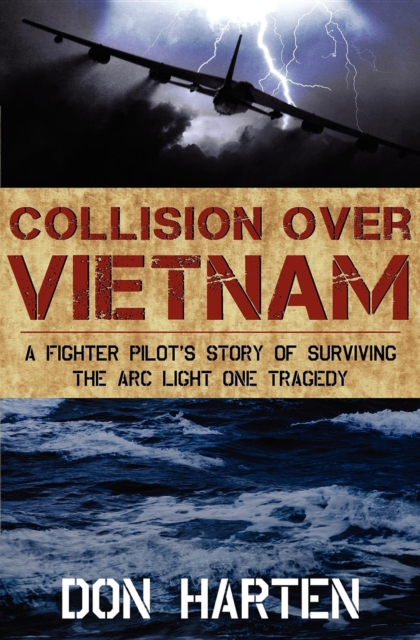
On June 18, 1965, thirty B-52s took part in the first Strategic Air Command B-52 bombing mission in Vietnam, a mission that, if carried out successfully, might have halted the war in its tracks.
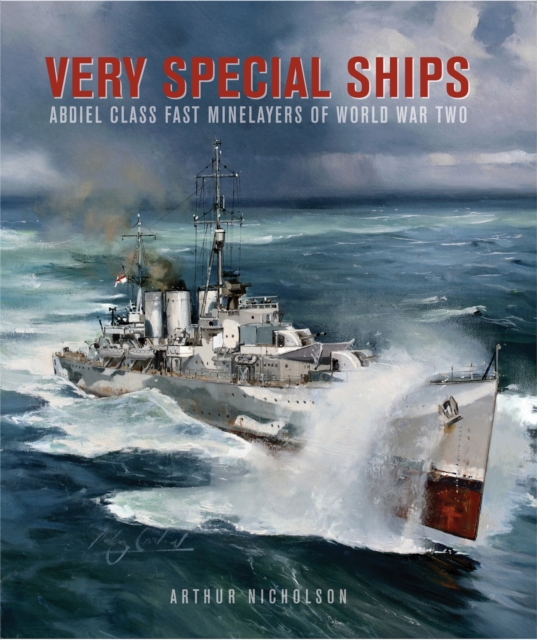
Very Special Ships is the first full-length book about the Abdiel-class fast minelayers, which were considered the fastest and most versatile to serve in the Royal Navy during World War II.
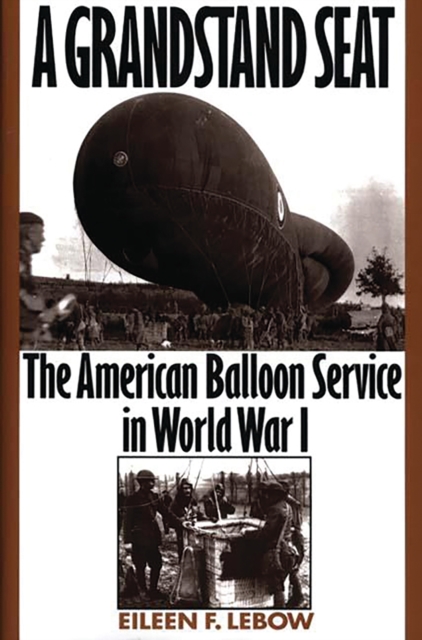
The little-known American Balloon Service worked in combat to help direct artillery fire more accurately and provide essential intelligence on enemy troop movements during World War I.
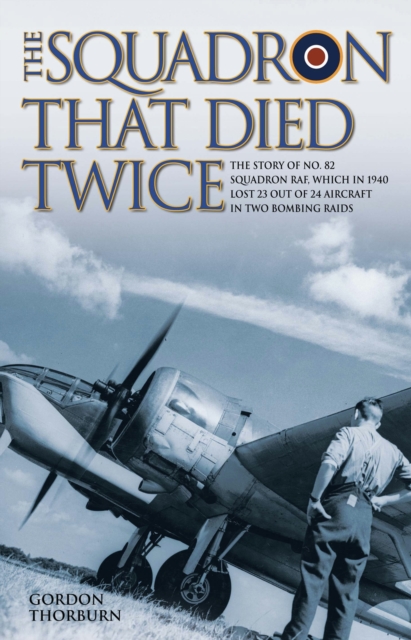
Apart from the quiet chatter of a few mechanics, who were checking that one aircraft was too badly damaged ever to fly again, there was a shocked silence over the aerodrome as everyone there tried to understand the impossible.
The breathtakingly moving true story of the women who created a fashion workshop within one of WWII's most notorious death camps - and sewed to survive the Holocaust.
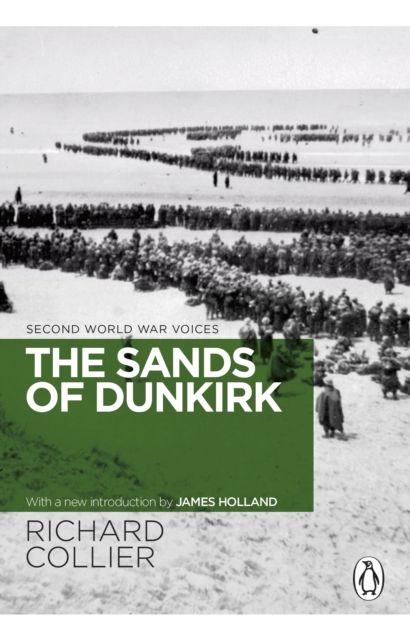
Part of the SECOND WORLD WAR VOICES series, with a new introduction by bestselling historian James Holland, and in partnership with the podcast We Have Ways of Making You Talk, presented by comedian Al Murray and James HollandMay 1940: In the face of a lightning German advance, the British Army found themselves, stunned, broken, beaten, their backs truly against the wall on the sands of the north French coast.
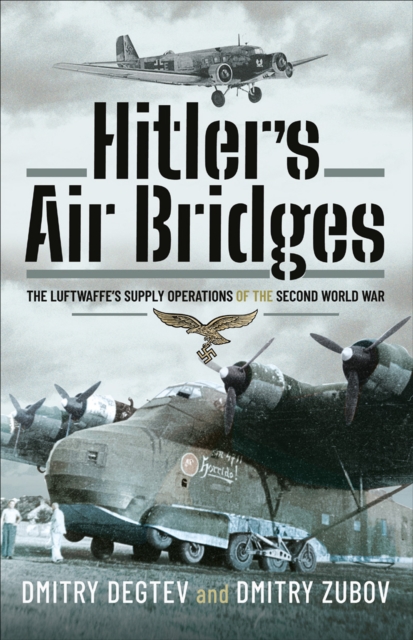
Germany was never able to match the power of the Allied air forces with their great four-engine bombers, the Lancasters, Liberators and Flying Fortresses.
Germany was never able to match the power of the Allied air forces with their great four-engine bombers, the Lancasters, Liberators and Flying Fortresses.
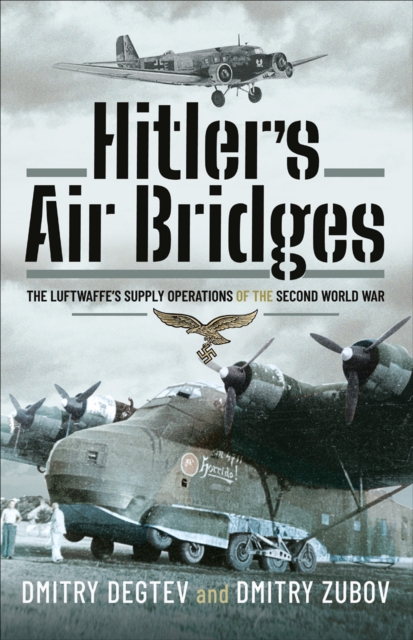
Much has been written about the famous fighters and bombers of the Luftwaffe which proved so successful in the invasion of Poland, the Battle of France, the Battle of Britain and in the early operations in Eastern Europe.
Much has been written about the famous fighters and bombers of the Luftwaffe which proved so successful in the invasion of Poland, the Battle of France, the Battle of Britain and in the early operations in Eastern Europe.
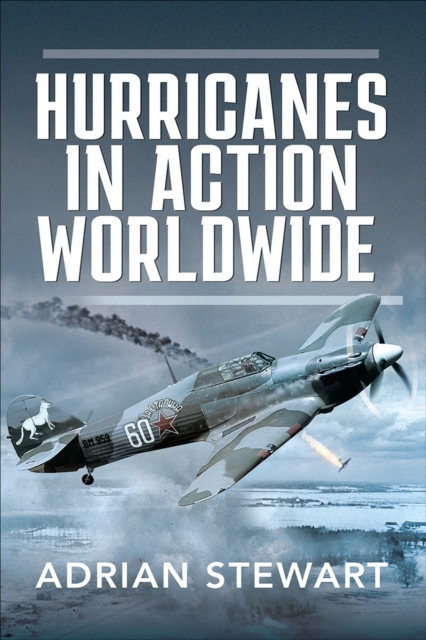
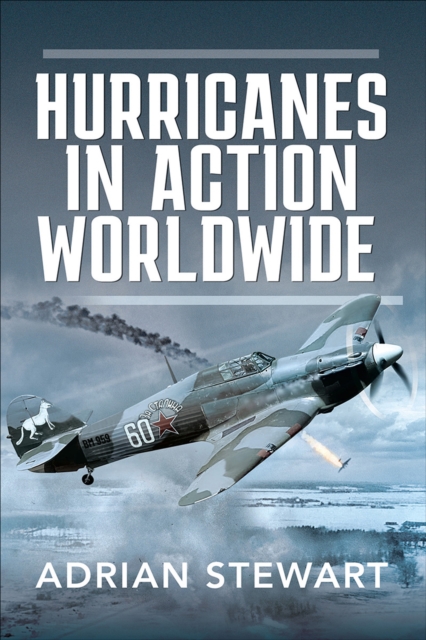
The Hawker Hurricane was the RAF's most valuable fighter asset in the Second World War, yet even today is relatively under-appreciated by the general public.
The Hawker Hurricane was the RAF's most valuable fighter asset in the Second World War, yet even today is relatively under-appreciated by the general public.
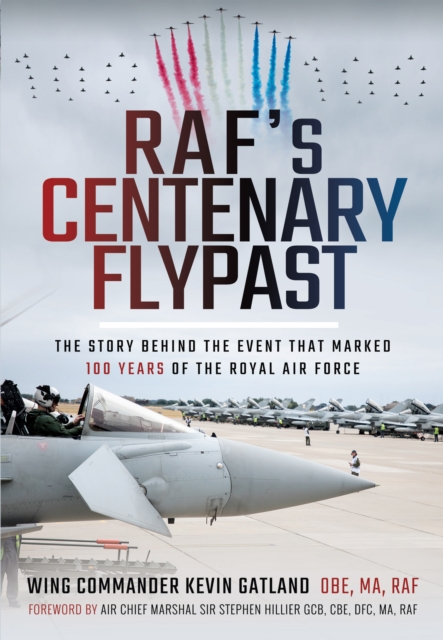
On 10 July 2018, exactly 100 years and 100 days after the formation of the world's first independent air force, 103 aircraft of twenty-four types from twenty-five squadrons flew over London in the largest formation of military aircraft seen over the capital of the UK in nearly thirty years.