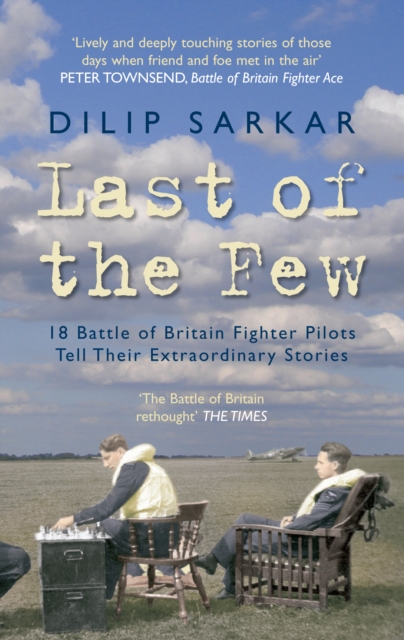
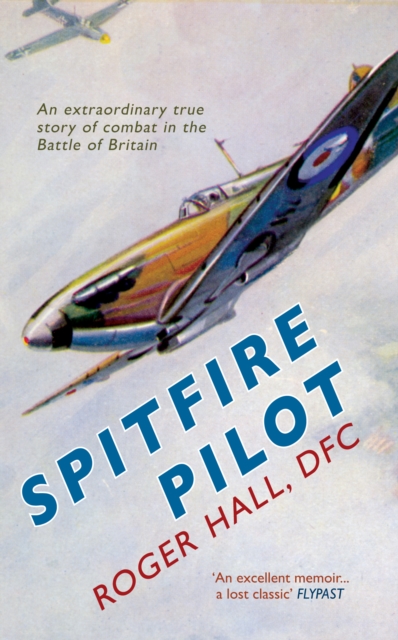
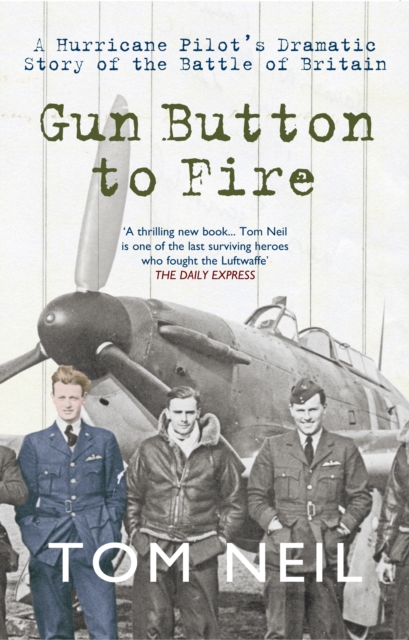
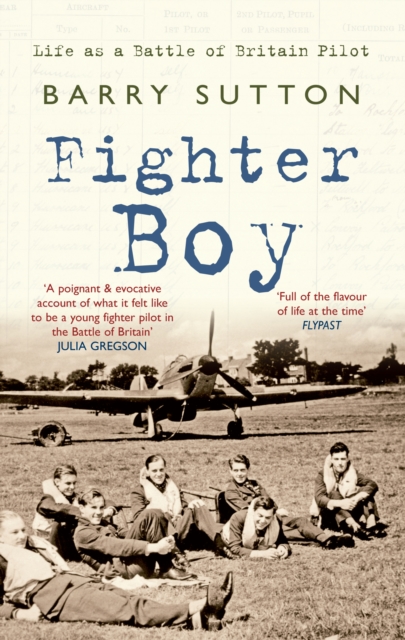
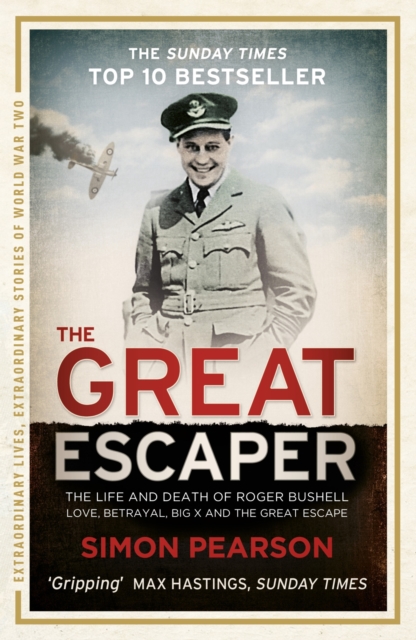
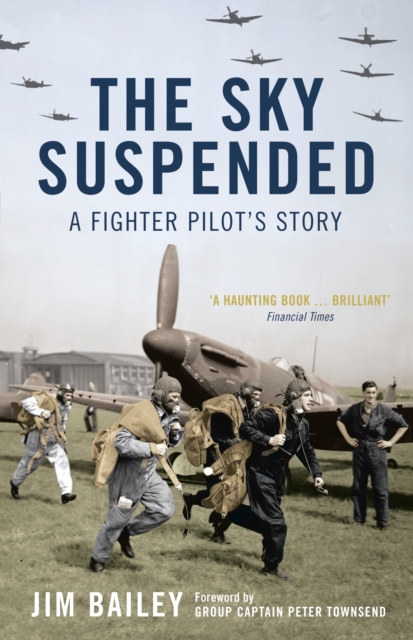
This is the Battle of Britain memoir of Roger Hall, a 152 Squadron Spitfire pilot based in southern England, the heart of the fighting during the epic battle.
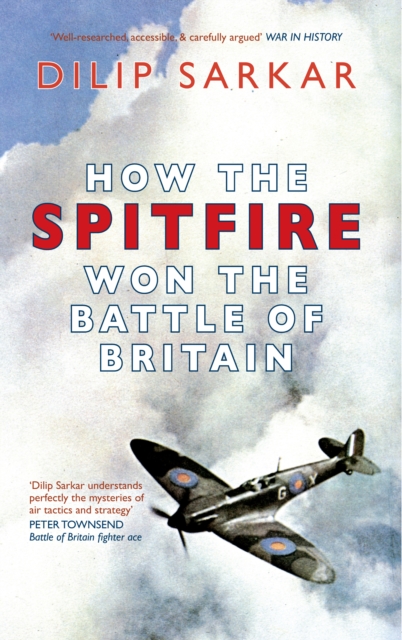
Although there were many more Hawker Hurricanes than Supermarine Spitfires engaged in the epic conflict fought over southern England in the summer of 1940, the public's imagination was captured by the shapely and charismatic Spitfire.
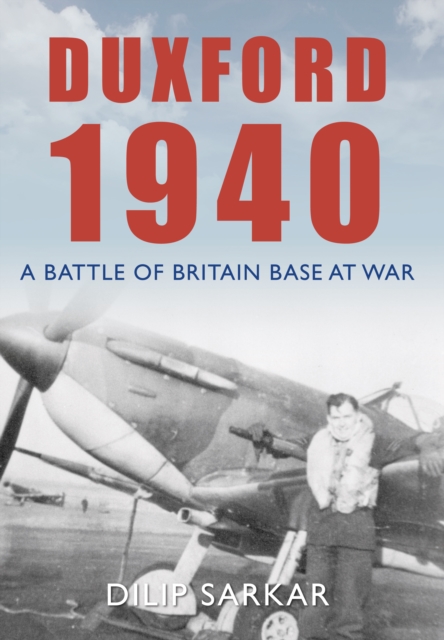
The Imperial War Museum site at Duxford is rightly recognised as the premier aviation museum in Europe, hosting exciting air shows and where the evocative sight and sound of an airborne Spitfire can be experienced most days.
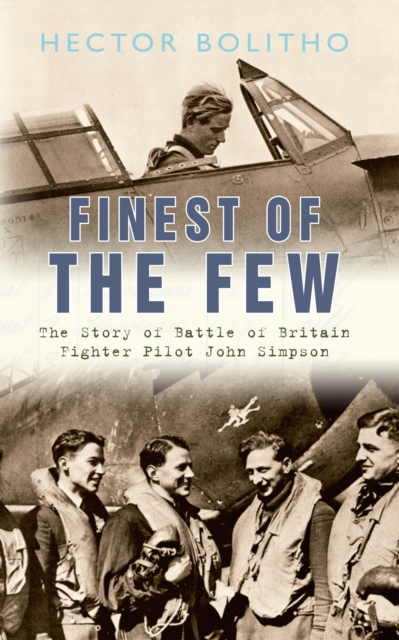
Written by 43 Squadron's intelligence officer, Hector Bolitho, Finest of the Few is full of John's first-hand accounts of his combat missions against German Me 109s, Heinkel 111s and Dorniers.
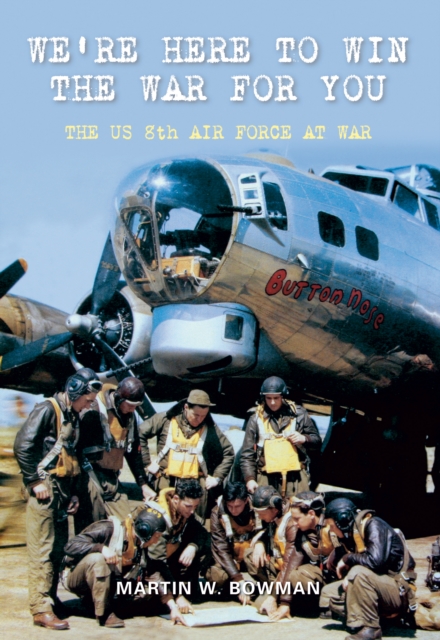
Asked why he was in Britain, a US serviceman, fighting the war in the skies over Germany with the US 8th Air Force quipped, 'We're here to win the war for you'.
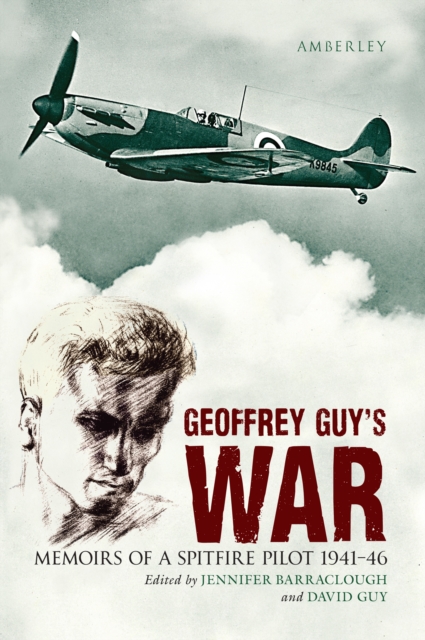
Geoffrey's memoir opens in May 1940, when he was eighteen years old and his grammar school in Kent was being evacuated to Staffordshire, away from the danger of German invasion.
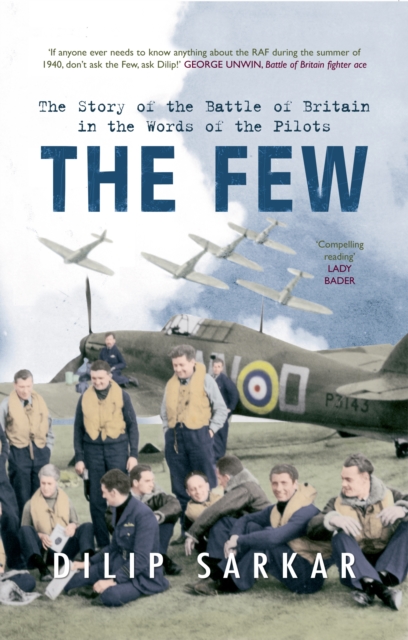
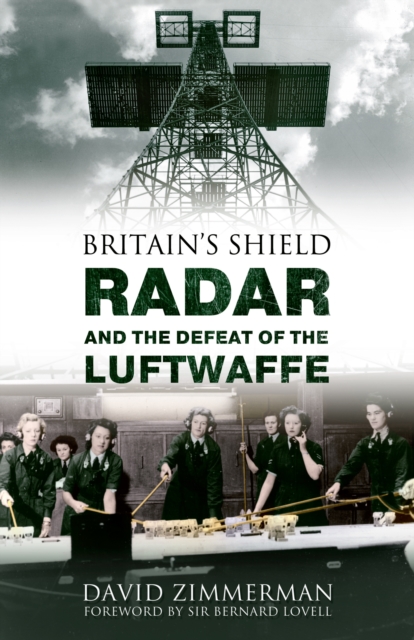
The individual bravery and skill of the Battle of Britain pilots and the fighting qualities of their aircraft would have been in vain if they had not been part of a highly complex and sophisticated air defence system based on radar.
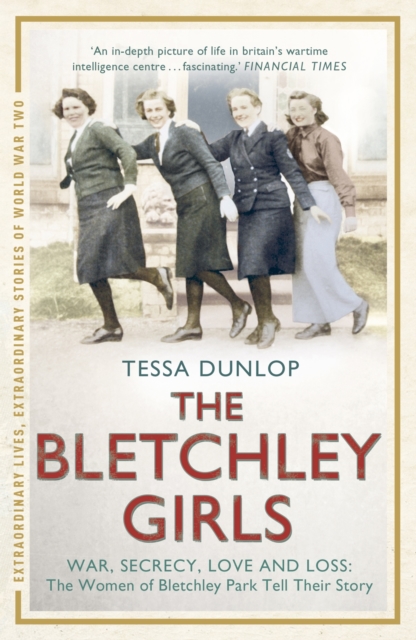
The extraordinary true story of the codebreaking women of World War Two'Nothing has breathed life into WWII in the same way as this truly engaging portrait of life at Bletchley Park sharing the memories of the women who worked at the code breaking coal face' - READER REVIEW 'Beautifully written .
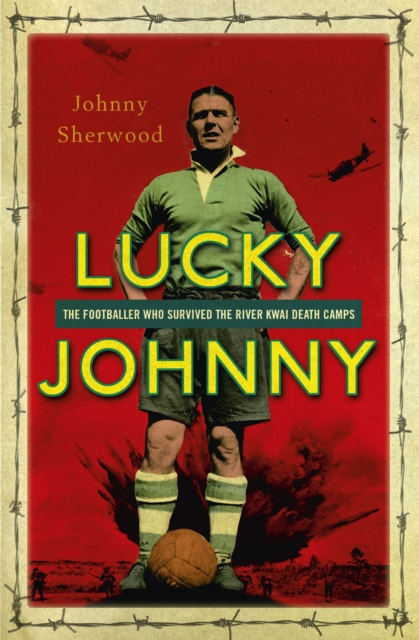
In 1938 Johnny Sherwood was a young professional footballer on the brink of an England career, touring the world with the all-star British team the Islington Corinthians.
After suffering devastating losses in the early stages of the Second World War, the United Kingdom's Royal Air Force established an Operational Research Section within bomber command in order to drastically improve the efficiency of bombing missions targeting Germany.
After suffering devastating losses in the early stages of the Second World War, the United Kingdom's Royal Air Force established an Operational Research Section within bomber command in order to drastically improve the efficiency of bombing missions targeting Germany.
A United Nations specialized agency, the International Civil Aviation Organization (ICAO) oversees and encourages the development of international civil aviation.
One of the most common assumptions about World War II is that the Jews did not actively or effectively resist their own extermination at the hands of the Nazis.
This book offers a fresh approach to the debate on the RAF's bomber offensive by using modern strategic leadership theory as an analytical tool to examine the campaign.
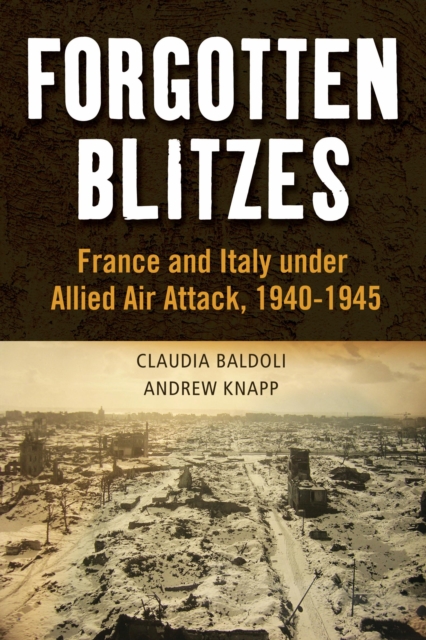
Forgotten Blitzes analyses how states and civil society in Vichy France and Fascist Italy reacted to the experience of Allied bombing between 1940 and 1945.
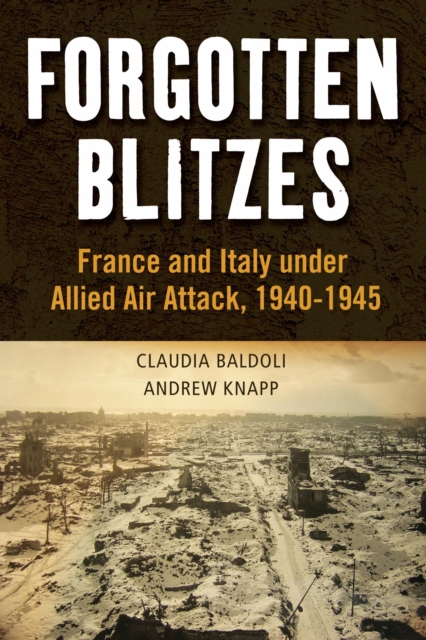
Forgotten Blitzes analyses how states and civil society in Vichy France and Fascist Italy reacted to the experience of Allied bombing between 1940 and 1945.
This book offers a fresh approach to the debate on the RAF's bomber offensive by using modern strategic leadership theory as an analytical tool to examine the campaign.
Daily Life in Nazi-Occupied Europe provides readers with information about political and military affairs, economic life, religious life, intellectual life, and other aspects of daily life in those countries occupied by Nazi Germany during World War II.
An indispensable resource on the Treaty of Versailles, one of the most influential and controversial documents in history, this book explains how the treaty tried to solve the complex issues that emerged from the destruction of World War I.
Shedding light on a forgotten aspect of Cypriot history, this book explores the involvement of Cyprus during the Great War and the impact it left on British colonial rule.
One of the most common assumptions about World War II is that the Jews did not actively or effectively resist their own extermination at the hands of the Nazis.
Peter Caddick-Adams - one of the leading military historians of his generation - reviews one of the great final engagements of WW2: The Battle of the Bulge.
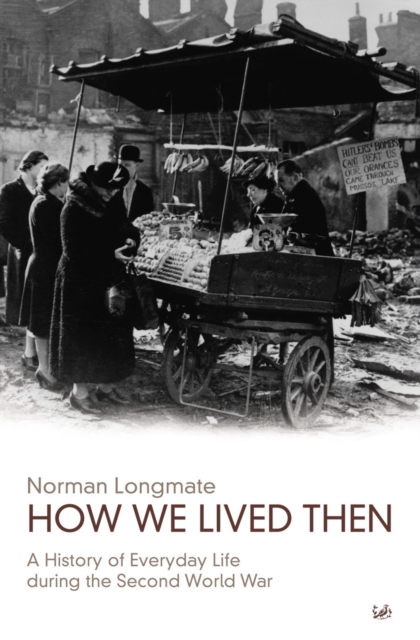
Although nearly 90% of the population of Great Britain remained civilians throughout the war, or for a large part of it, their story has so far largely gone untold.
The Great War not only destroyed the lives of over twenty million soldiers and civilians, it also ushered in a century of huge political and social upheaval, led directly to the Second World War and altered for ever the mechanisms of governments.
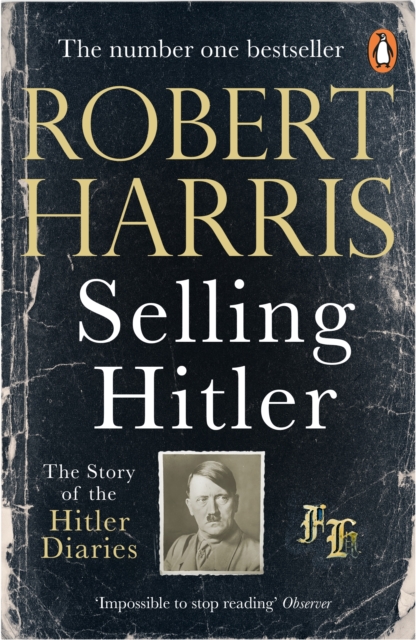
'Impossible to stop reading' OBSERVER'Thrilling, intricate and hilarious' DAILY MAILAPRIL 1945: From the ruins of Berlin, a Luftwaffe transport plane takes off carrying secret papers belonging to Adolf Hitler.
Simon Winchester, author of A Crack in the Edge of the World and The Professor and the Madman:"e;The essence of this inexpressibly beautiful story will remain with me, I believe, for the rest of my life.
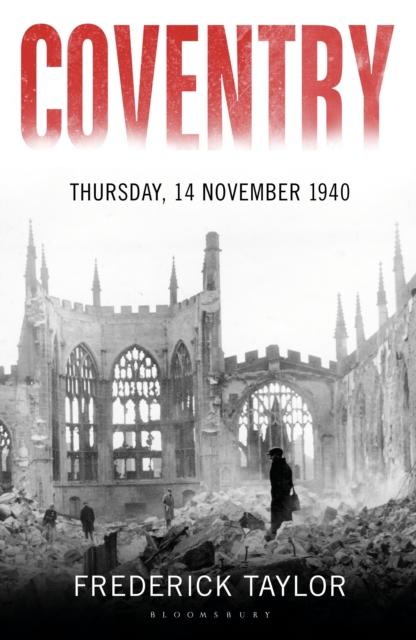
At a few minutes past seven on the evening of Thursday, 14 November 1940, the historic industrial city of Coventry was subjected to the longest, most devastating air raid Britain had yet experienced.