At the Nuremberg War Crimes Tribunal, Albert Speer, Hitler's one-time number two, persuaded the judges that he 'knew nothing' of the Holocaust and related atrocities.
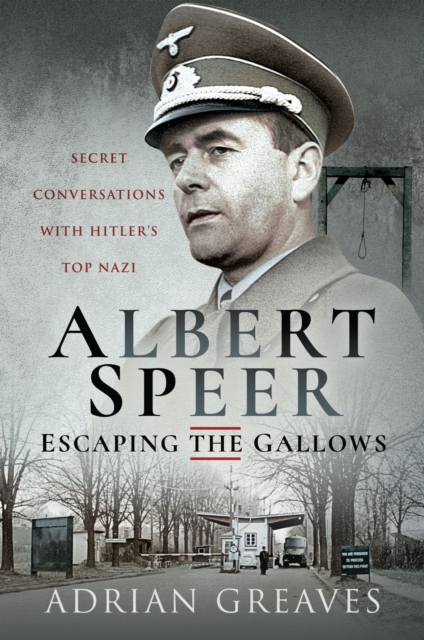
At the Nuremberg War Crimes Tribunal, Albert Speer, Hitler's one-time number two, persuaded the judges that he 'knew nothing' of the Holocaust and related atrocities.
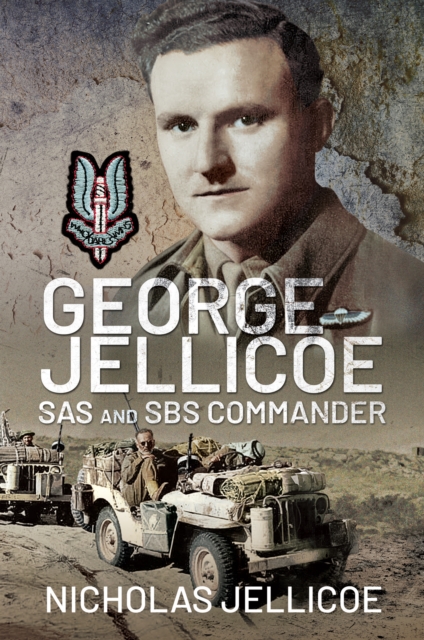
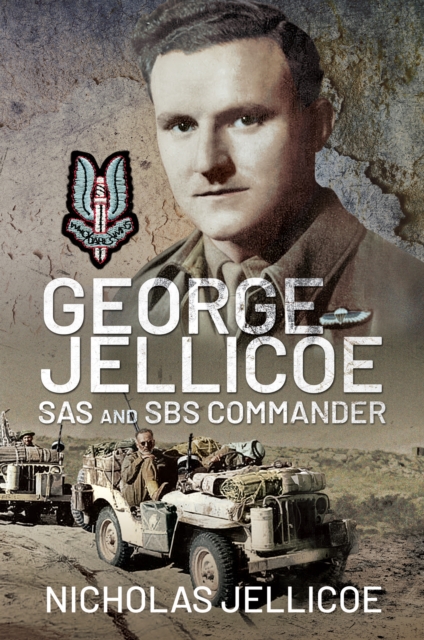
George Jellicoe, son of Admiral Sir John Jellicoe, commander of the British Grand Fleet at Jutland, was never compromised by his privileged upbringing.
George Jellicoe, son of Admiral Sir John Jellicoe, commander of the British Grand Fleet at Jutland, was never compromised by his privileged upbringing.
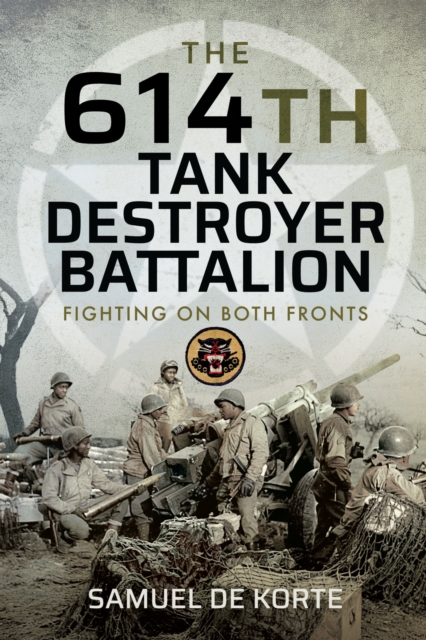
Finalist, 2022 Army Historical Foundation Distinguished Writing AwardsThe 614th Tank Destroyer Battalion was activated on 25 July 1942 at Camp Carson, USA and, like many other tank destroyer battalions, would be sent to Europe.
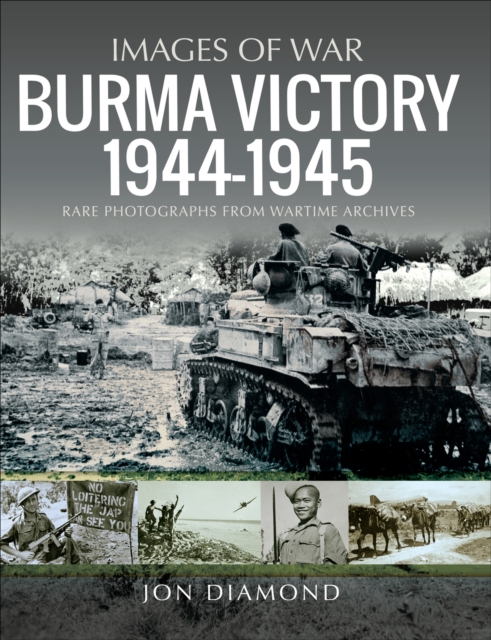
General Stilwell's ad hoc force of Merrill's Marauders, American-trained Chinese divisions, Kachin guerrillas and General Wingate's Chindits conducted a northern Burmese offensive that led to the coup de main seizure of Myitkyina's airfield in May 1944.
General Stilwell's ad hoc force of Merrill's Marauders, American-trained Chinese divisions, Kachin guerrillas and General Wingate's Chindits conducted a northern Burmese offensive that led to the coup de main seizure of Myitkyina's airfield in May 1944.
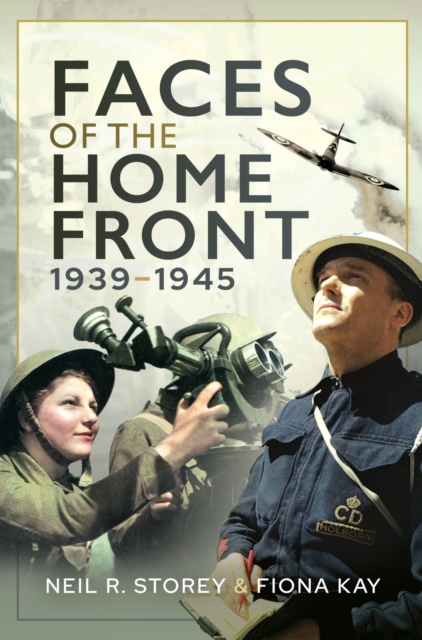
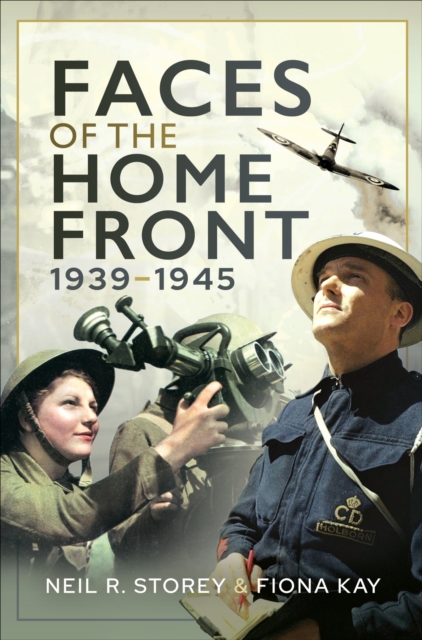
Faces of the Home Front presents a fascinating insight into the people, wartime organisations, events, life and work on the British Home Front during the Second World War.
An account of the lives of the British people and wartime organizations during WWII, with photographs and remembrances from the author's personal archives.
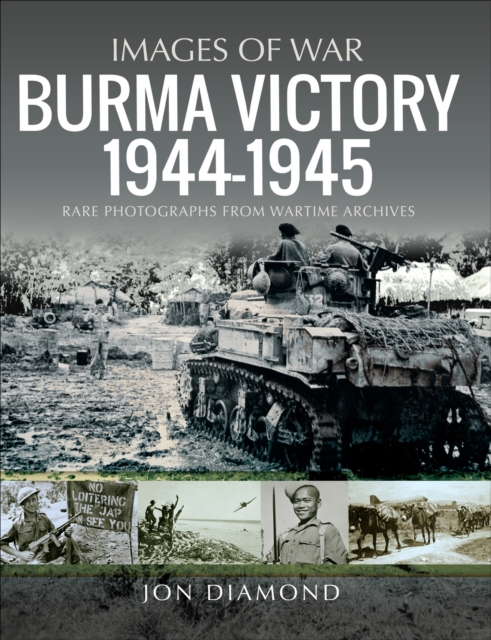
Captain John Alexander served in the Royal Engineers and was posted to the 17th Indian Division, known as the Black Cats, which was sent into Burma against the Japanese as part of the 14th Army.
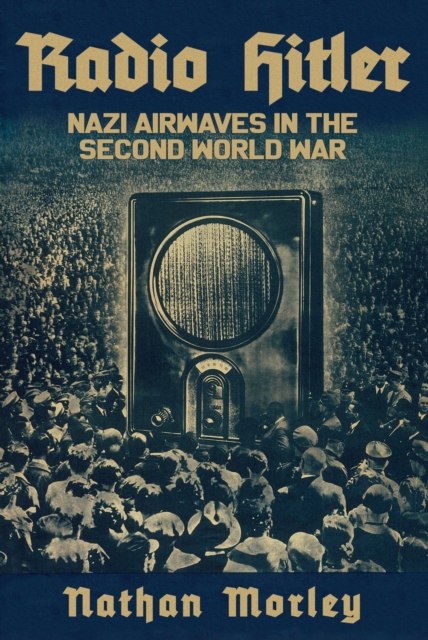
Radio Hitler follows the life of Deutschlandsender, the Nazi equivalent of BBC Radio 4, and its sister stations that transmitted to Germany and the world at large.
This is the true story of the Englishman allegedly freed from a French prison after meeting John Amery, the treacherous son of a Cabinet minister, and sent back to Britain to spy - only to be caught, prosecuted and hanged as a traitor.
Published to commemorate the 80th anniversary of VE Day'[The] stories are every bit as dramatic as those from the front lines and Barrett and Calvi have done an incredible job.
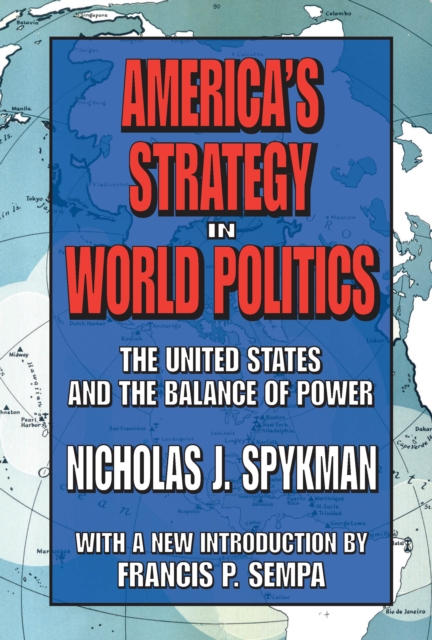
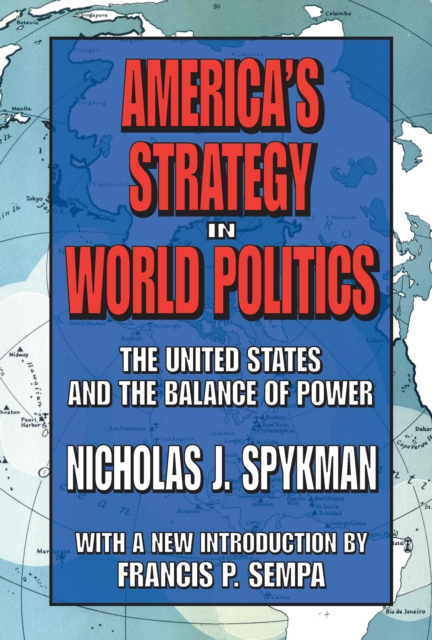
Less than a year after the United States entered the Second World War, Nicholas Spykman wrote a book that placed the war effort in the broader context of the 1940s global balance of power.
Less than a year after the United States entered the Second World War, Nicholas Spykman wrote a book that placed the war effort in the broader context of the 1940s global balance of power.
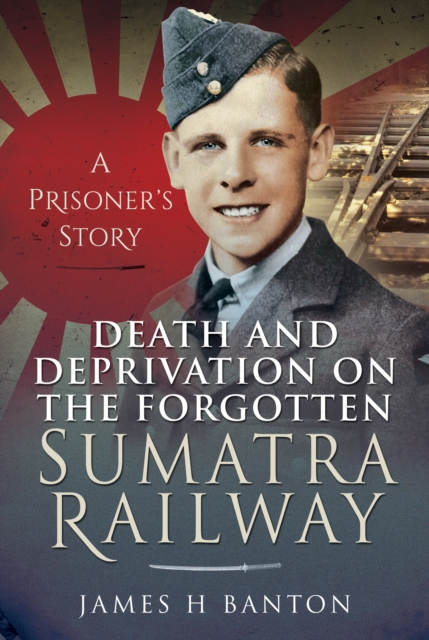
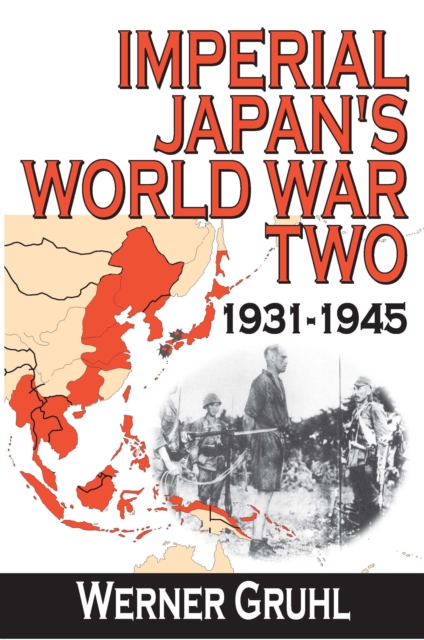
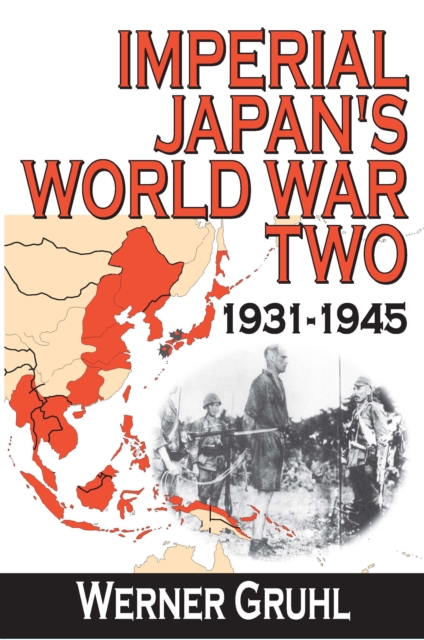
Gruhl's narrative makes clear why Japan's World War II aggression still touches deep emotions with East Asians and Western ex-prisoners of war, and why there is justifiable sensitivity to the way modern Japan has dealt with this legacy.
Gruhl's narrative makes clear why Japan's World War II aggression still touches deep emotions with East Asians and Western ex-prisoners of war, and why there is justifiable sensitivity to the way modern Japan has dealt with this legacy.
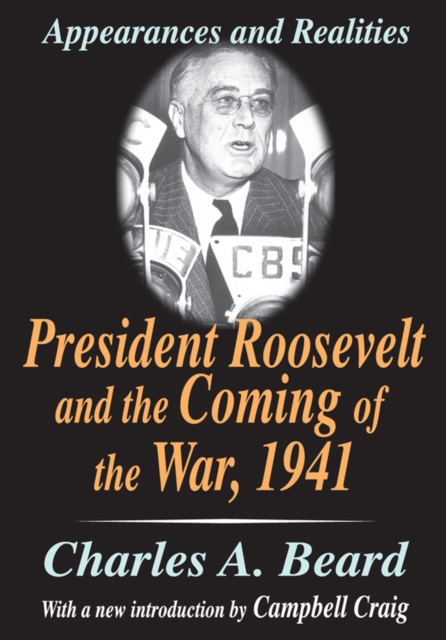
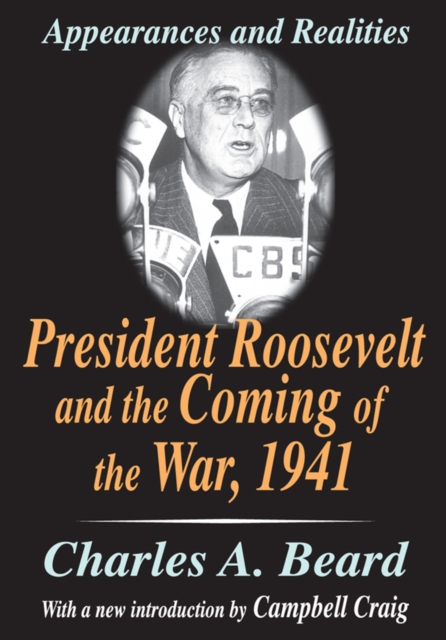
Conceived by Charles Beard as a sequel to his provocative study of American Foreign Policy in the Making, 1932-1940, President Roosevelt and the Coming of the War outraged a nation, permanently damaging Beard's status as America's most influential historian.
Conceived by Charles Beard as a sequel to his provocative study of American Foreign Policy in the Making, 1932-1940, President Roosevelt and the Coming of the War outraged a nation, permanently damaging Beard's status as America's most influential historian.
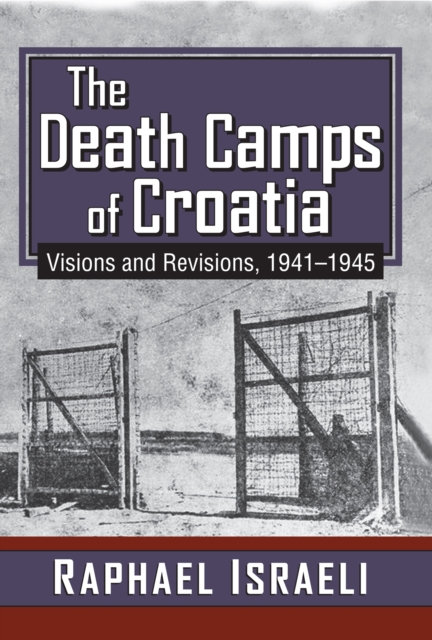
In The Death Camps of Croatia, Raphael Israeli shows that throughout Yugoslavia during World War II, anti-semitism was both deeply rooted and widespread.
In The Death Camps of Croatia, Raphael Israeli shows that throughout Yugoslavia during World War II, anti-semitism was both deeply rooted and widespread.