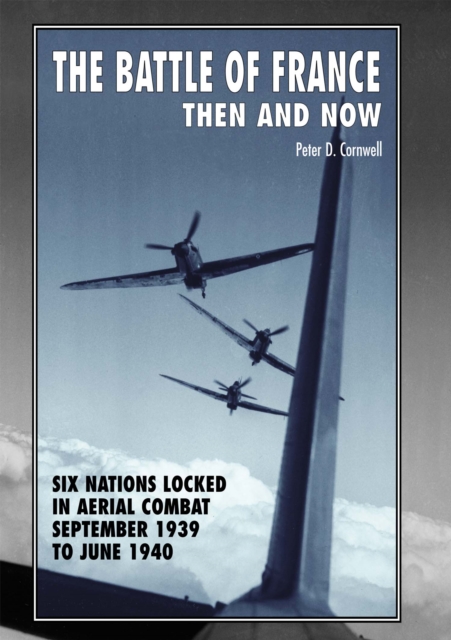
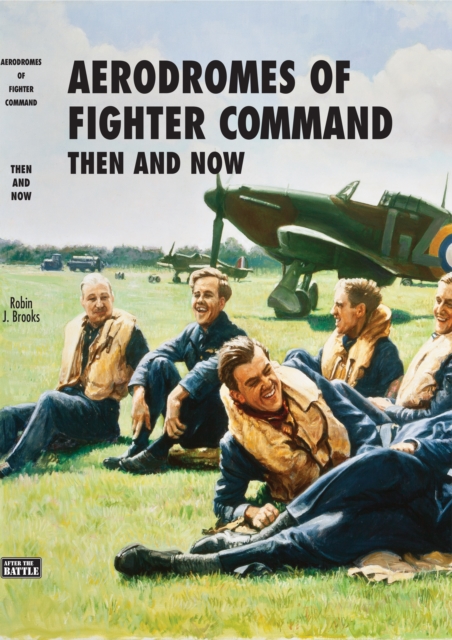
Peter Cornwell tells the story of the greatest air battle of the Second World War when six nations were locked in combat over north-western Europe for a traumatic six weeks in 1940.
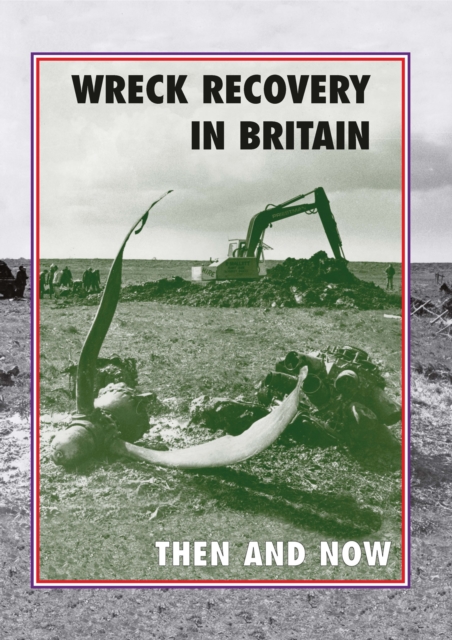
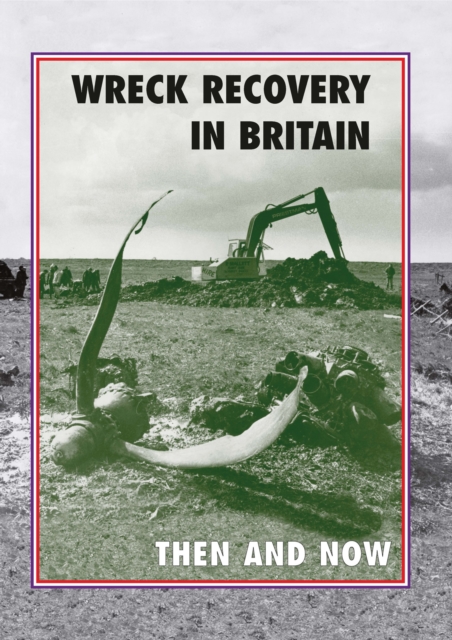
Whereas on the Continent, the Missing Research and Enquiry Unit left no stone unturned to try to trace the thousands of airmen who still remained missing, strangely enough no similar operation was carried out by the RAF on crash sites in the United Kingdom.
Whereas on the Continent, the Missing Research and Enquiry Unit left no stone unturned to try to trace the thousands of airmen who still remained missing, strangely enough no similar operation was carried out by the RAF on crash sites in the United Kingdom.
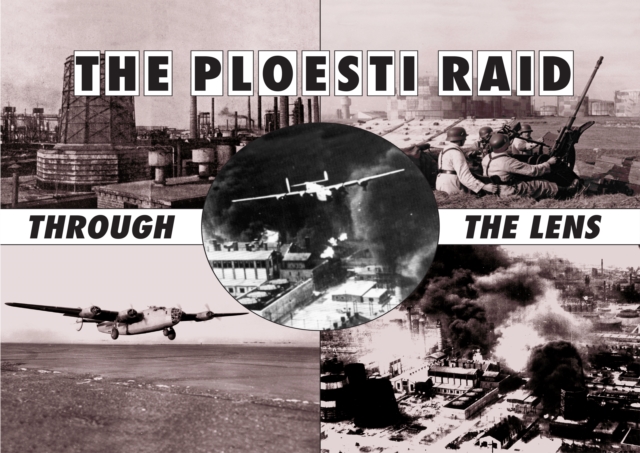
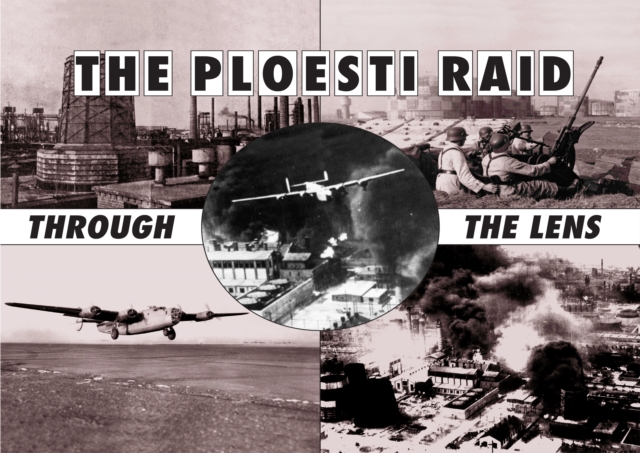
The Ploesti Raid took place on Sunday, August 1, 1943 and, but for a navigational error which put the leading formation on a course away from the target, the operation might have resulted in the destruction of the seven chosen targets.
The Ploesti Raid took place on Sunday, August 1, 1943 and, but for a navigational error which put the leading formation on a course away from the target, the operation might have resulted in the destruction of the seven chosen targets.
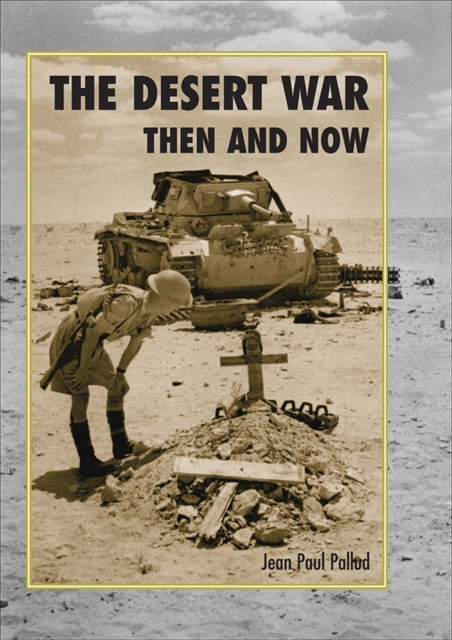
Following Mussolini's declaration of war in June 1940, initially Italy faced only those British troops based in the Middle East but as the armed confrontation in the Western Desert of North Africa escalated, other nations were drawn in - Germany, Australia, India, South Africa, New Zealand, France and finally the United States to wage the first major tank-versus-tank battles of the Second World War.
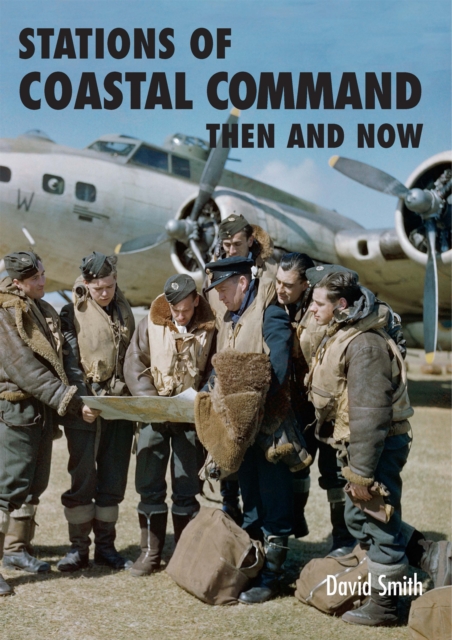
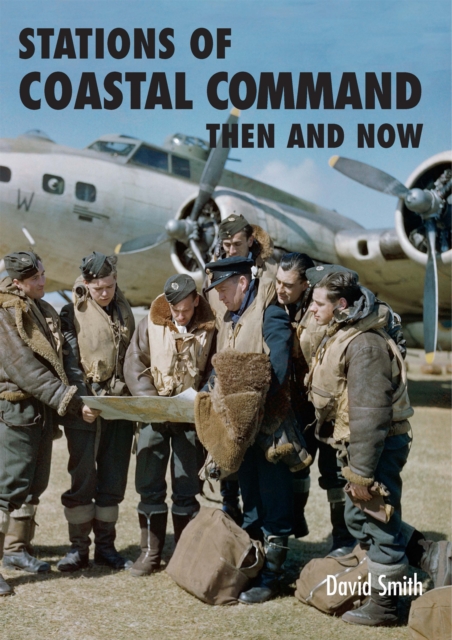
Coastal Command, created in 1936 alongside Fighter and Bomber Commands in the reorganization of the RAF in its preparations for the coming war, was Britain’s mainstay in the battle against the German submarine.
Coastal Command, created in 1936 alongside Fighter and Bomber Commands in the reorganization of the RAF in its preparations for the coming war, was Britain’s mainstay in the battle against the German submarine.
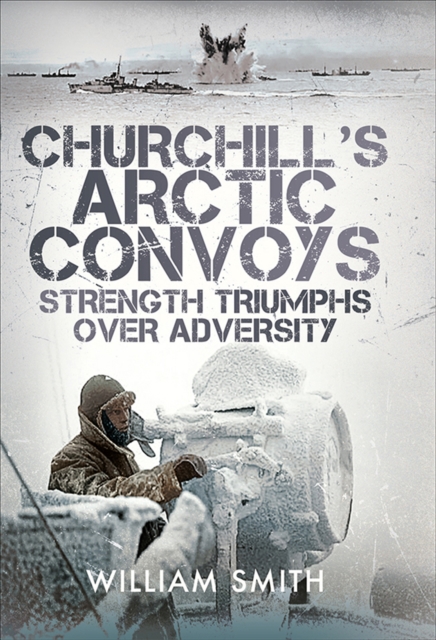
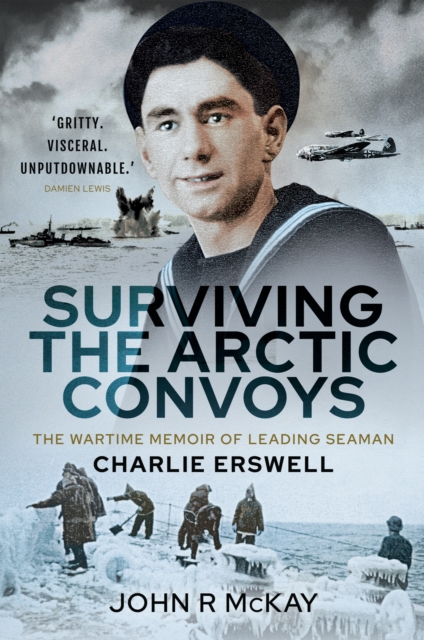
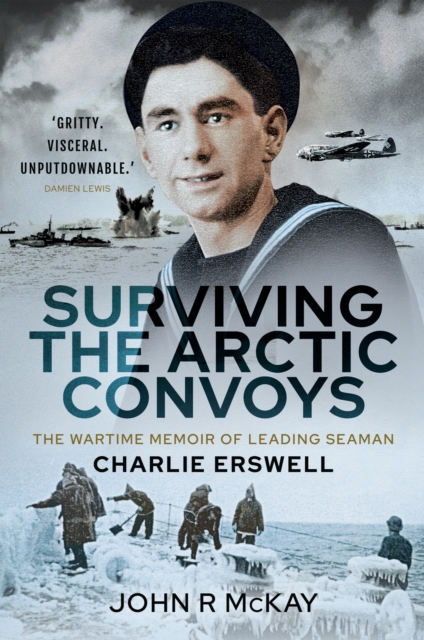
The threat of Operation Barbarossa, Hitler's surprise invasion of Russia in June 1941, succeeding prompted Churchill to decide to send vital military supplies to Britain's new ally.
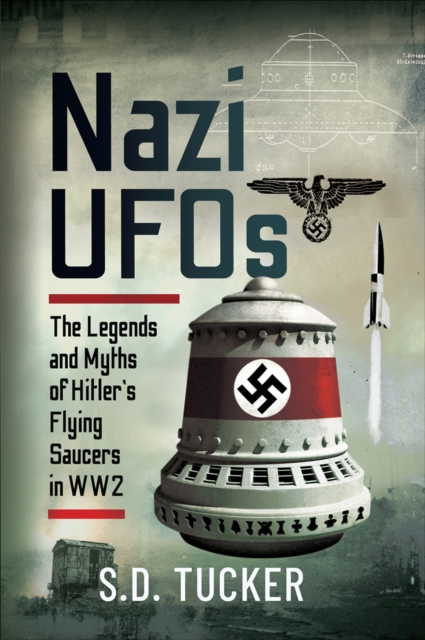
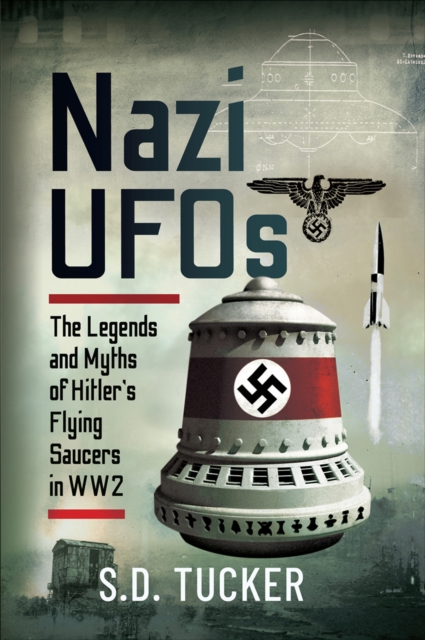
Nazi UFOs tells the strange tale of how, following the first alleged flying saucer sightings made in the USA in 1947, a series of fantasists and neo-fascists came forward to create a media myth that the Nazis may have invented these incredible craft as a means for winning the Second World War, a plan which was tantalisingly close to completion before the Allies conquered Berlin in 1945.
Nazi UFOs tells the strange tale of how, following the first alleged flying saucer sightings made in the USA in 1947, a series of fantasists and neo-fascists came forward to create a media myth that the Nazis may have invented these incredible craft as a means for winning the Second World War, a plan which was tantalisingly close to completion before the Allies conquered Berlin in 1945.
The British Expeditionary Force sent to France in the late summer of 1914 has been referred to as 'The Best British Army Ever Sent to War' as it was one of the most highly trained and disciplined forces in the world.
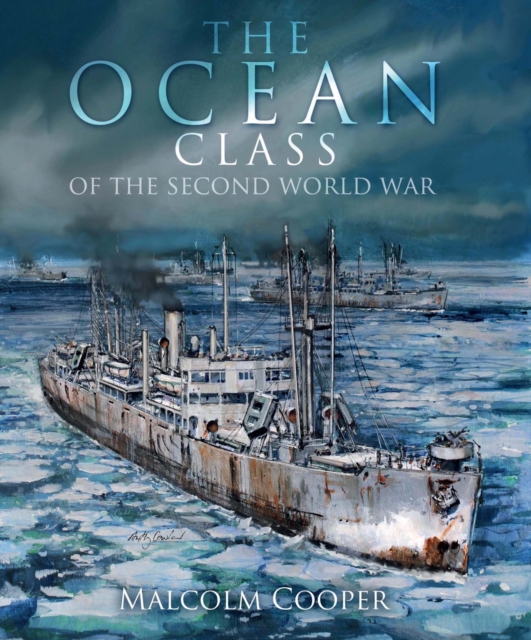
This new book tells the story of the Ocean class of standard cargo ships, their design, building, and careers, and the author places them firmly in the context of the battle of the Atlantic which was raging at the time of the first launchings.
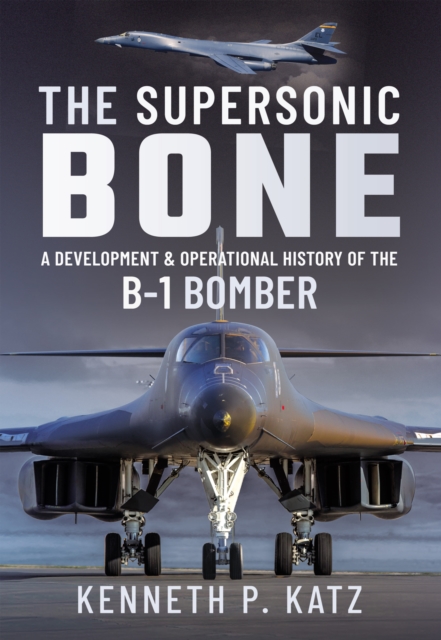
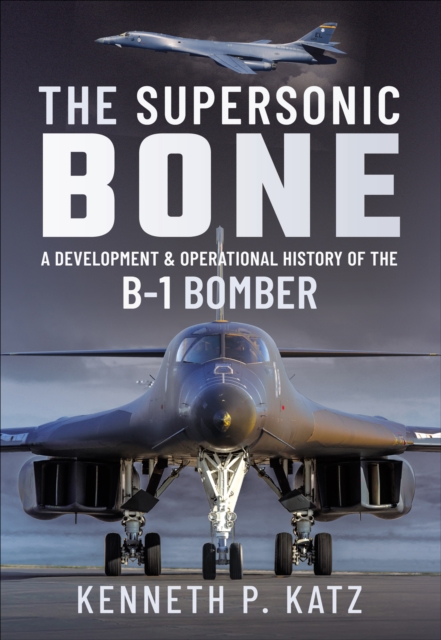
"e;This profusely illustrated and thoroughly researched book conveys a wealth of information"e; about the USAF's B-1 bomber (Aviation History Magazine).
"e;This profusely illustrated and thoroughly researched book conveys a wealth of information"e; about the USAF's B-1 bomber (Aviation History Magazine).
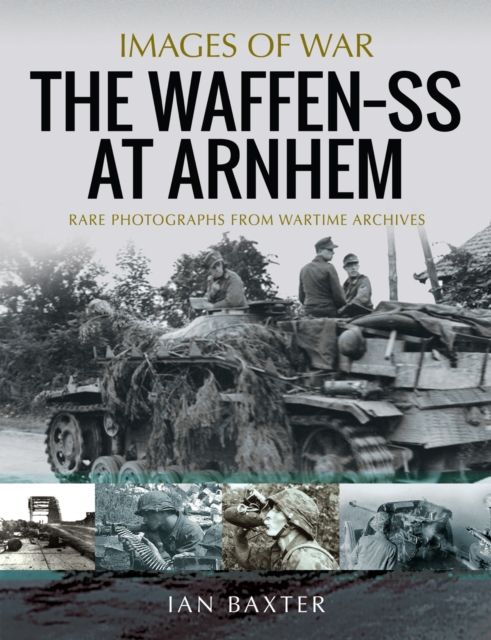
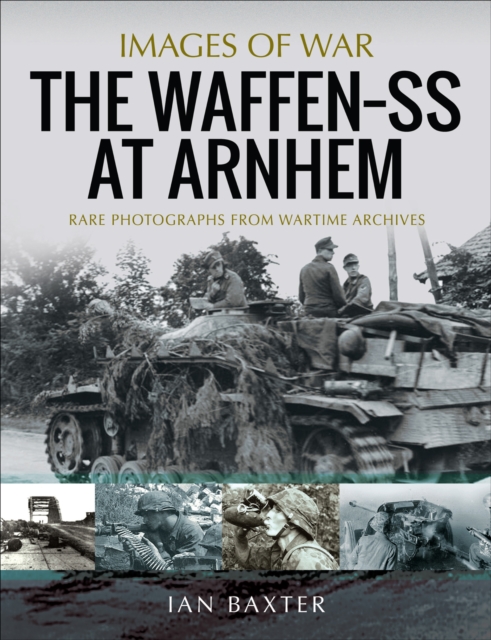
This pictorial WWII history examines the brutal Battle of Arnhem with particular focus on the SS units that fought the Allied push into the Netherlands.
This pictorial WWII history examines the brutal Battle of Arnhem with particular focus on the SS units that fought the Allied push into the Netherlands.