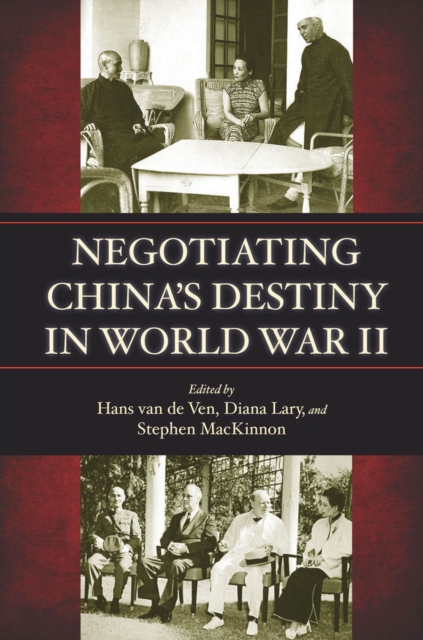
Negotiating China's Destiny explains how China developed from a country that hardly mattered internationally into the important world power it is today.
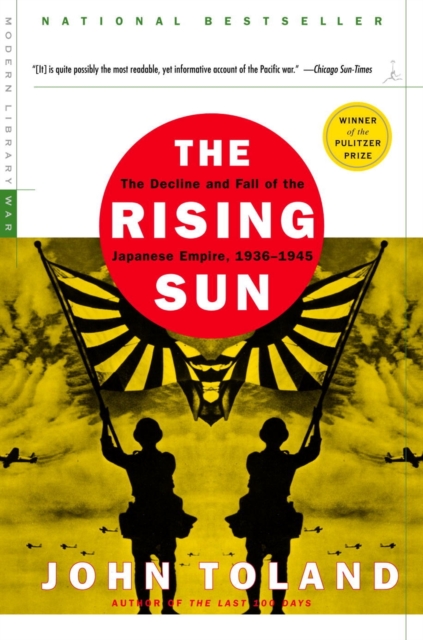
This Pulitzer Prize–winning history of World War II chronicles the dramatic rise and fall of the Japanese empire, from the invasion of Manchuria and China to the atomic bombing of Hiroshima and Nagasaki.
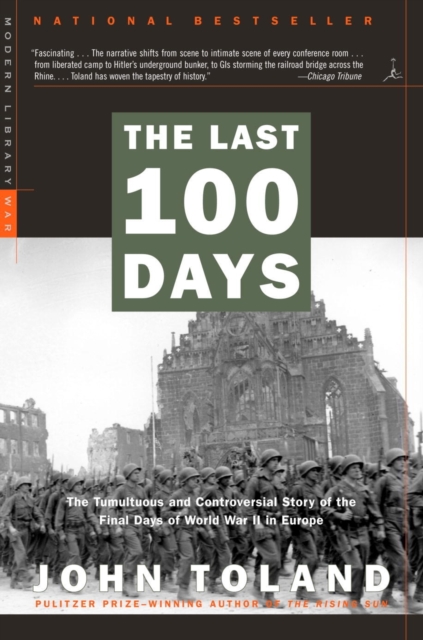
A dramatic countdown of the final months of World War II in Europe, The Last 100 Days brings to life the waning power and the ultimate submission of the Third Reich.
Alan Scott Haft provides the first-hand testimony of his father, Harry Haft, a holocaust victim with a singular story of endurance, desperation, and unrequited love.
Volume two in this "e;expert, anecdote-filled, thoroughly entertaining"e; history of WWII follows The Rise of Germany as the Allied forces turn the tides (Kirkus).
During World War I, a specialized Russian battalion comprised of ethnic Czechs and Czech and Slovak prisoners of war--the Legion--became a pawn in an international game of power and deceit.
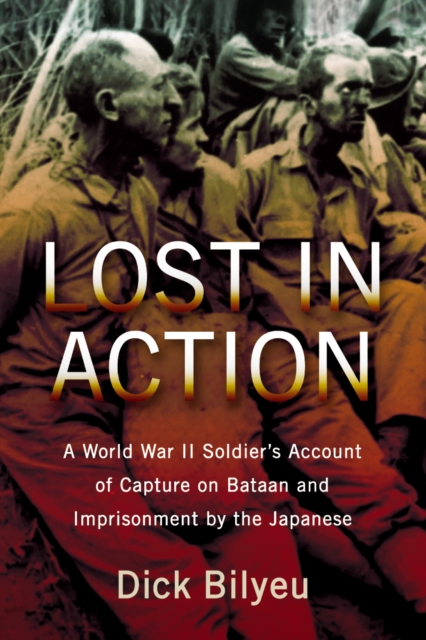
"e;Lost in action,"e; a term used to account for soldiers last seen in combat but not identified as killed or captured, was applied to the author for years following his capture by Japanese in the Philippines after the fall of Bataan.
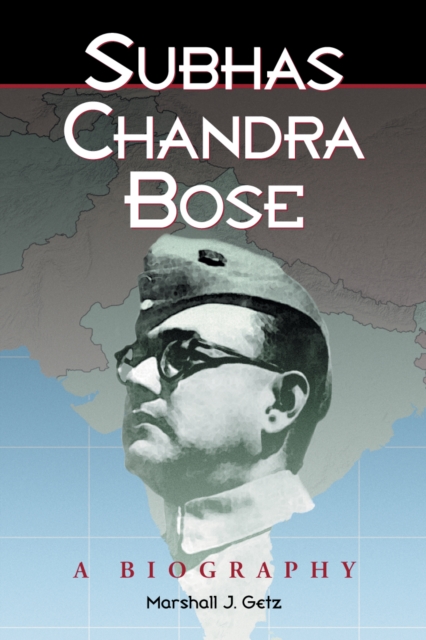
Subhas Chandra Bose continues to be a well-known figure in India more than fifty years after his death, but in the West remains a shadowy figure unknown to many.
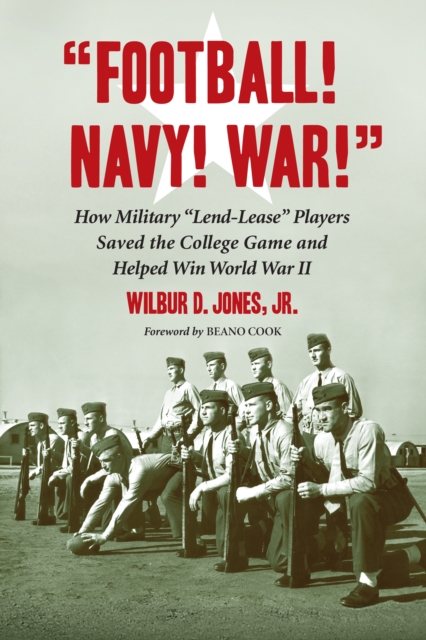
Not coincidentally, the sport of football naturally employs terms usually associated with war, such as "e;aerial attack,"e; "e;blitz,"e; and "e;trench warfare.
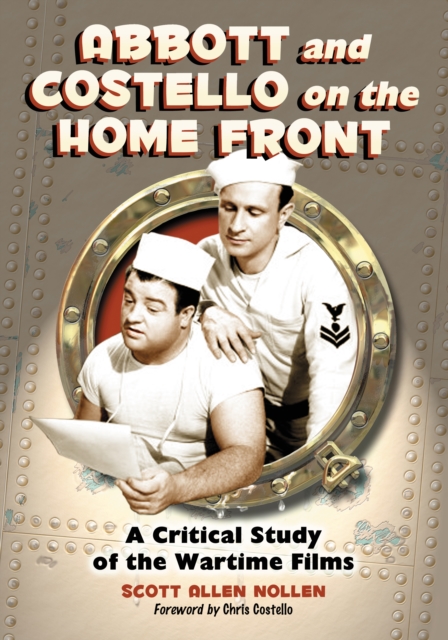
As two of the most popular entertainers of the mid-century film industry, comic greats Bud Abbott and Lou Costello offered an essential balm to the American public following the sorrows of the Great Depression and during the trauma of World War II.
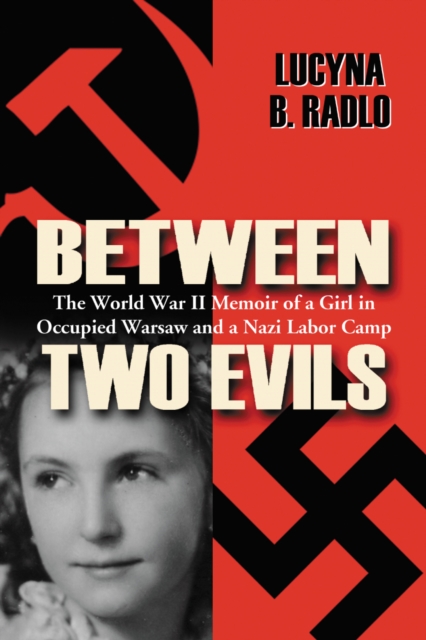
This vivid memoir describes the author's experiences as young girl in Poland, forced to flee to Warsaw after the Nazi bombing of Brest at the outbreak of World War II.
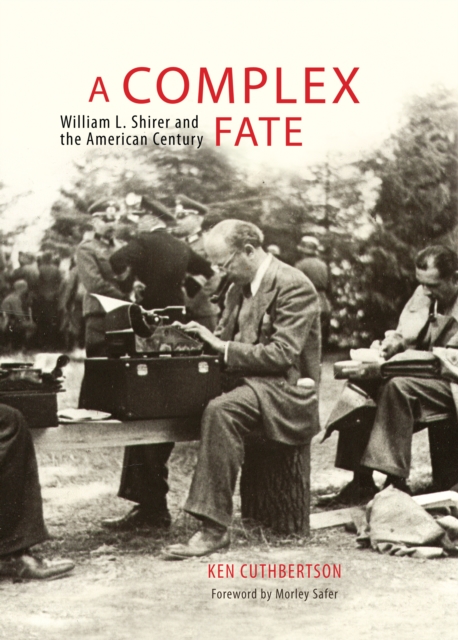
William Shirer (1904-1993), a star foreign correspondent with the Chicago Tribune in the 1920s and '30s, was a prominent member of what one contemporary observer described as an extraordinary band of American journalists, some with the Midwest hayseed still in their hair, who gave their North American audiences a visceral sense of how Europe was spiralling into chaos and war.
English describes the development of a uniquely Canadian selection system that attempted to match the aptitudes of aircrew candidates to the duties they would perform and the evolution of the RCAF's training program from a haphazard system with enormous attrition to one that became the model for many modern systems.
Gripping true tale how of men who patrolled by dogsleds a stark 500-mile stretch of Greenland fought capture or death by outwitting and outlasting the Nazis.
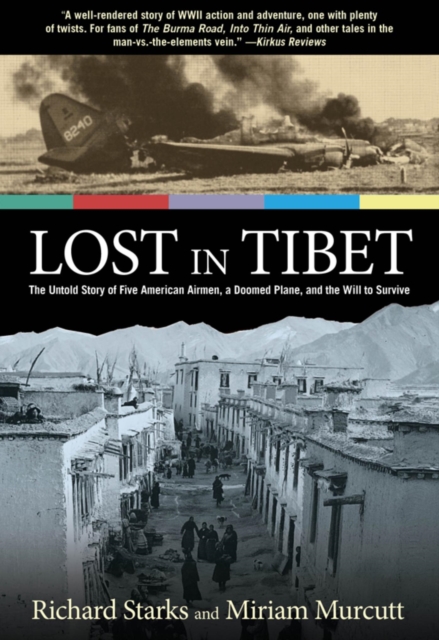
Caught in a violent storm and blown far off their intended course, five American airmen--flying the dangerous Himalayan supply route known as "e;The Hump"e;--were forced to bail out just seconds before their plane ran out of fuel.
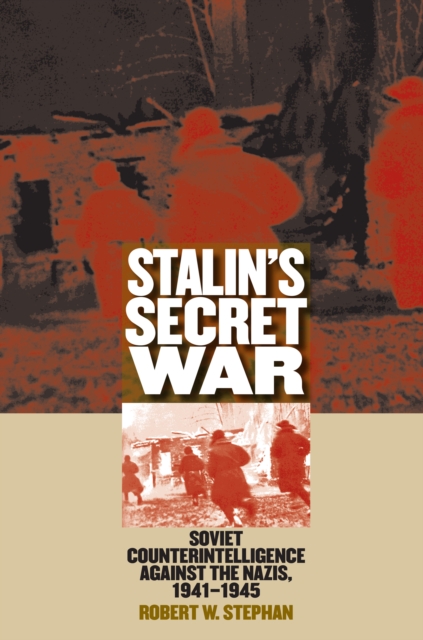
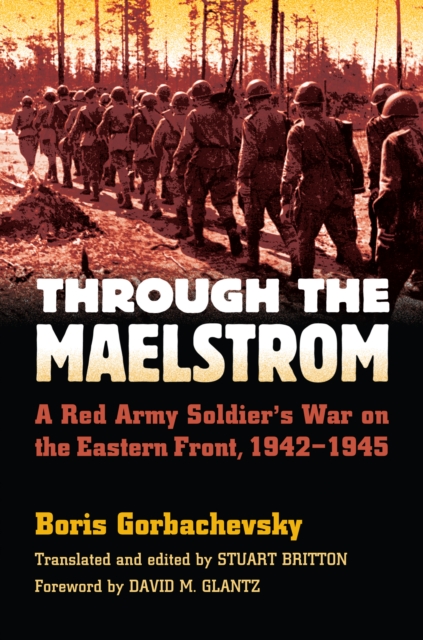
The Soviet-German War of 1941-1945 was the most extensive intelligence/counterintelligence war in modern history, involving the capture, torture, deportation, execution, and doubling of tens of thousands of agentsmost of them Soviet citizens.
THE TOUCHING TRUE STORYTwo young Second World War evacueesFar from home, far from family, safe from the warGwenda and Douglas Brady were among the millions of British children sent to live with new families for their own safety during the Second World War, leaving behind their parents, their friends and all that felt familiar and safe.
Winner of the Longman-History Today Book Prize: A 'profoundly moving chronicle' (Observer) that tells the story of Ravensbr ck, the only concentration camp designed specifically for women, using new testimony from survivorsOn a sunny morning in May 1939 a phalanx of 800 women - housewives, doctors, opera singers, politicians, prostitutes - were marched through the woods fifty miles north of Berlin, driven on past a shining lake, then herded through giant gates.
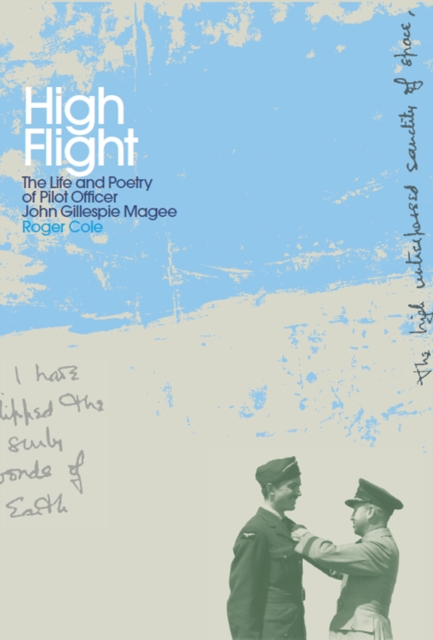
When Second World War Spitfire pilot John Gillespie Magee penned his poem 'High Flight', little did he know that his words would inspire legions of aspiring aviators who had a similar wish to fly their 'eager craft through footless halls of air'.