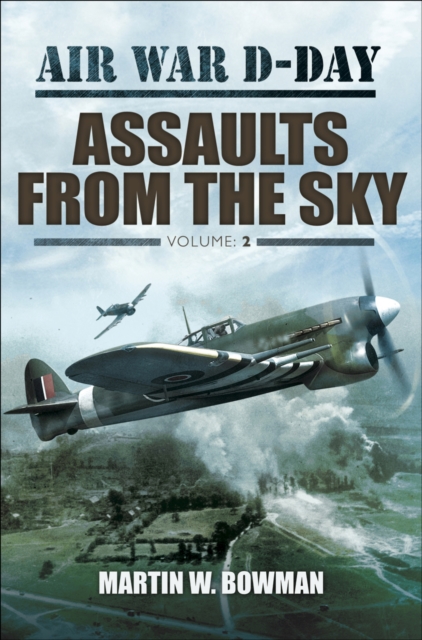
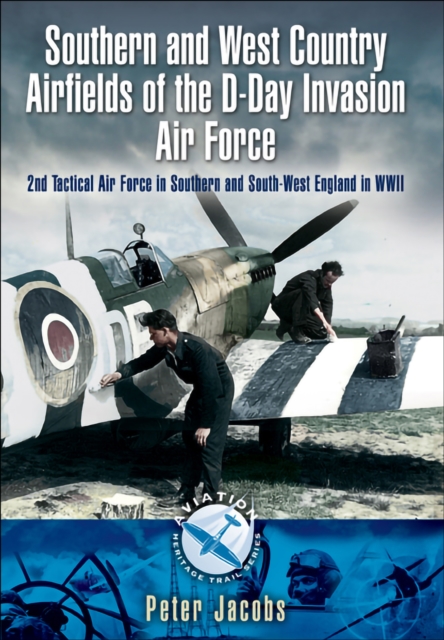
This is the second volume of a comprehensive five part work on D-Day that includes a multitude of personal military accounts from both Allied and German Aviation personnel who were there.
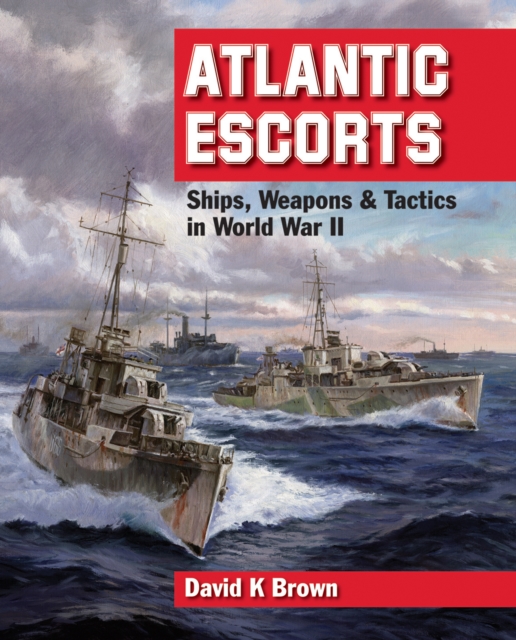
"e;Altogether, a very detailed year-by-year account of escort development for anti-submarine work from the period between the wars to post World War II.
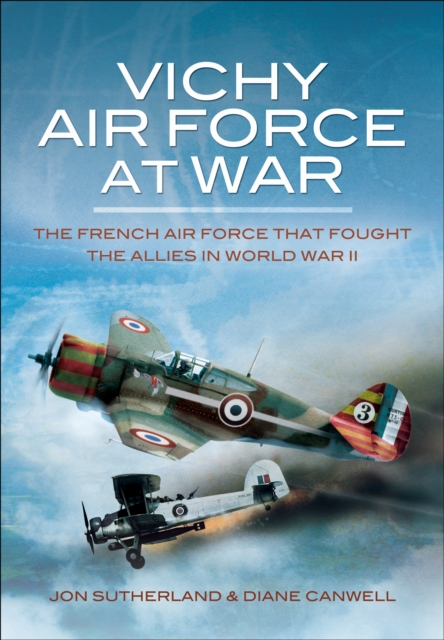
At the beginning of World War II the French faced the German invasion with 4,360 modern combat aircraft and 790 new machines currently arriving from French and American factories each month.
There has been bookshelf after bookshelf of books compiled, written and published about British aircraft, the Royal Air Force and the activities of its pilots during World War Two.
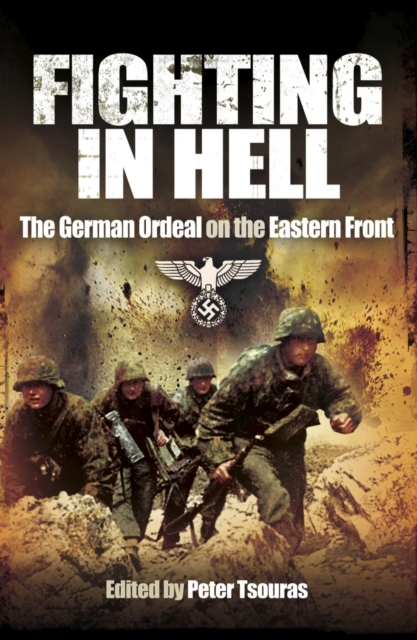
Detailed reports by German commanders: "e;Powerful testimony to the Germans' lack of preparation for the harsh climatic conditions of the Russian winter.
The first volume of Roger Brooks detailed reference to the Victor covers the conception, design and test-flying of the prototype HP 80 and then the production and operation of the Mark 1 in its many roles.
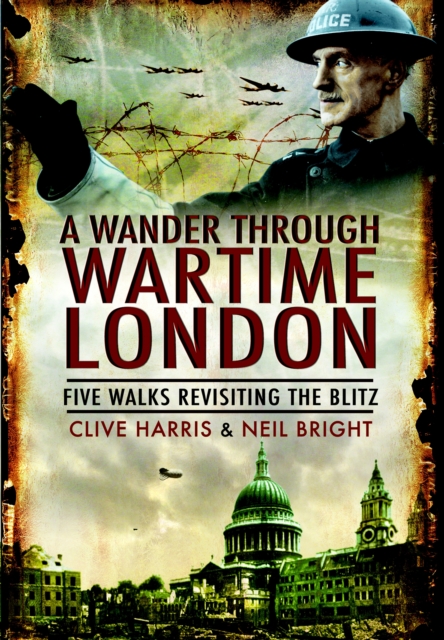
Through a series of five walks this book discovers the sights, sounds and experience of the capital at war; it details the remaining tangible evidence of the dark days via air raid shelter signs, bomb damage on buildings and memorials detailing heroic and often tragic events.
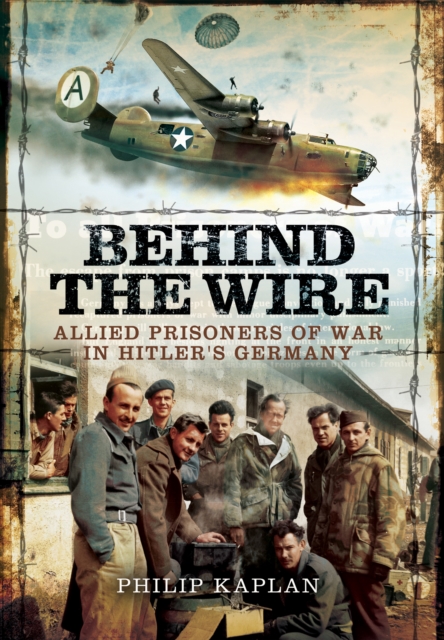
Philip Kaplan presents us here with a riveting account of the Allied experience behind enemy lines, detailing the trials and tribulations experienced by the British and American airmen who were shot down in European skies during World War Two, to be incarcerated 'behind the wire' in enemy camps.
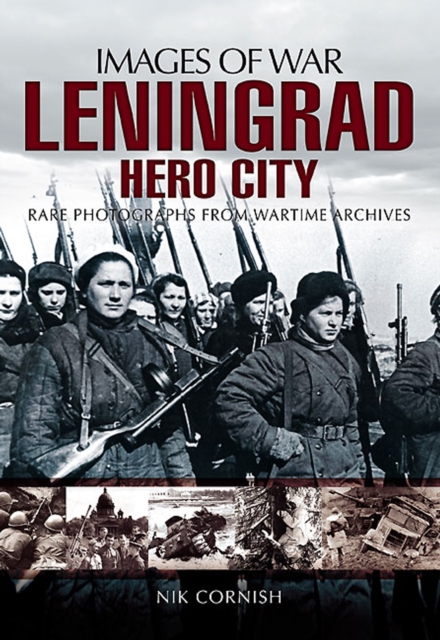
The 900-day siege of the Soviet city of Leningrad by the combined forces of the Germans and the Finns is one of the most remarkable, and terrible, events of the Second World War, yet until recently it has not received the attention it deserves it has been overshadowed by other massive confrontations on the Eastern Front, at Stalingrad and Kursk.
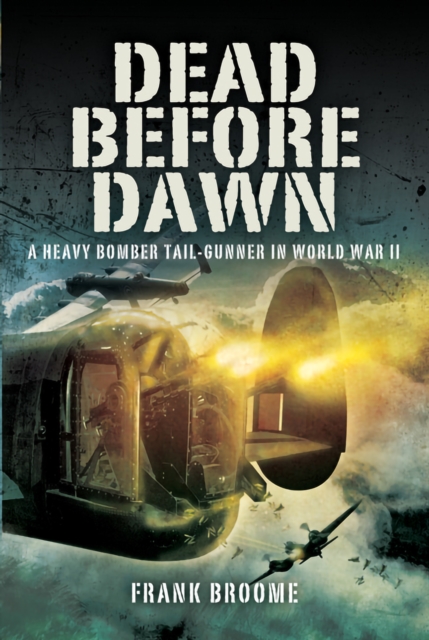
Frank Broome was a 15 year old schoolboy when he experienced the three major blitzes in his home city of Coventry and at the age of 17 volunteered for the Royal Air Force Volunteer Reserve in 1942 for pilot training.
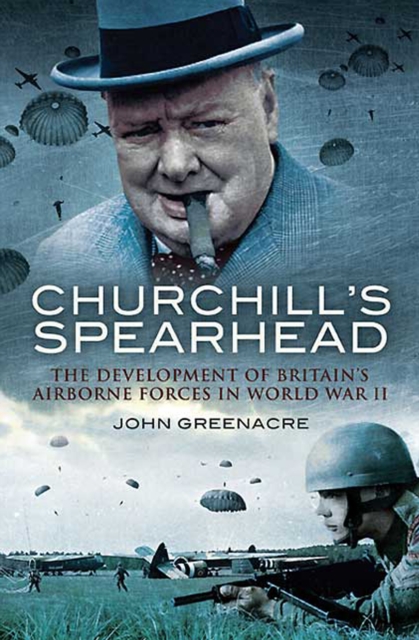
This book covers the inception, growth and employment of Britains airborne forces (parachute and glider-borne formations) between June 1940 and March 1945.
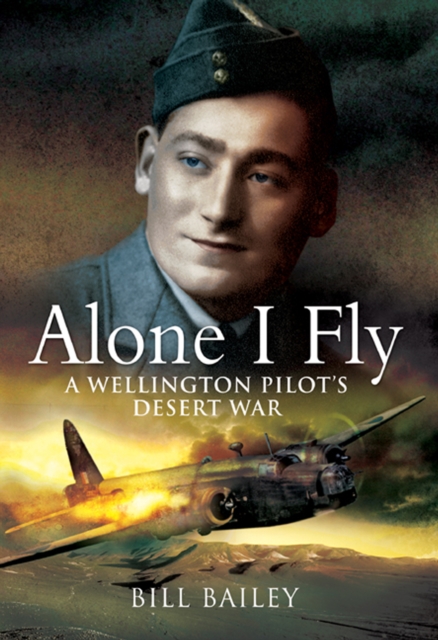
The riveting firsthand account of an RAF pilot's adventures in World War II-from life-and-death situations to unusual posts that test his usual good humor.
This little known campaign against the Italian invasion of British Somalia was bravely fought by a small force of elderly RAF and Commonwealth aircraft against almost overwhelming odds.
"e;As part of the Aviation Heritage Trail series, the airfields and interest in this book are concentrated in a particular area in this case West Sussex, Hampshire, Dorset, Wiltshire and Cornwall.