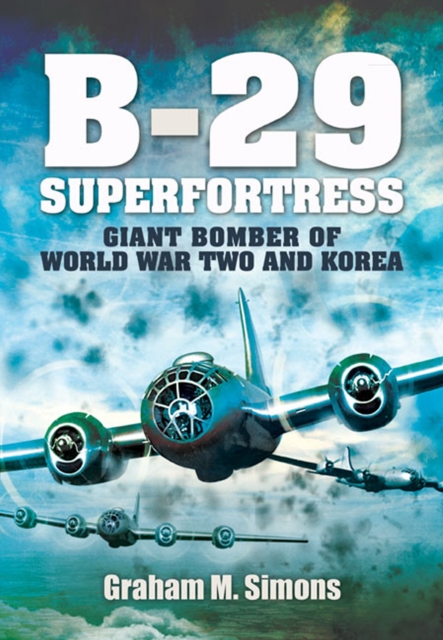
"e;A well written history of a history-changing aircraft,"e; the bomber that carried the two atomic bombs that destroyed Hiroshima and Nagasaki in WWII (Aeromilitaria).
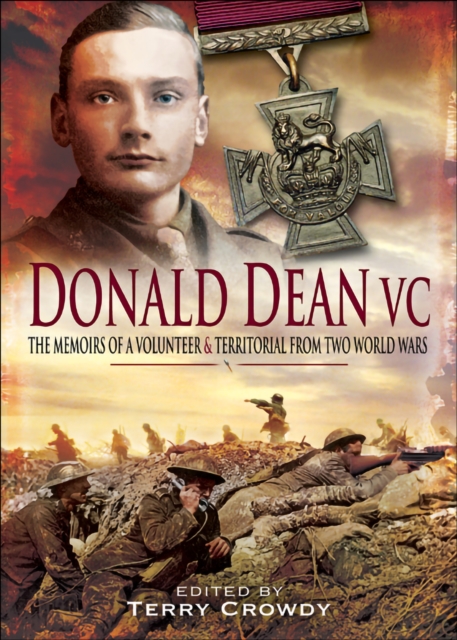
Donald Dean lied about his age to enlist in the Queen's Own Royal West Kent Regiment and serve on the Western Front, where he worked his way up from Private to acting Captain.
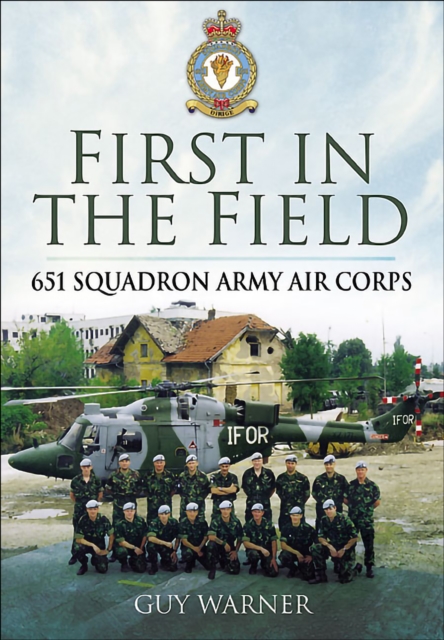
651 was the first Air Observation Post (AOP) Squadron, formed at Old Sarum on August 1 1941 to work closely with army units in artillery spotting and liaison.
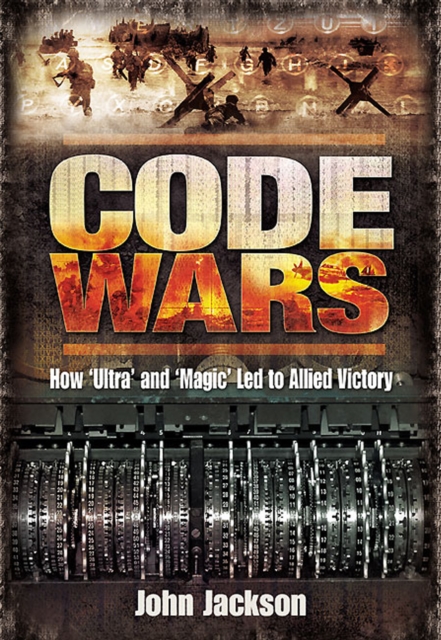
When the top secret code breaking activities at Bletchley Park were revealed in the 1970s, much of the history of the Second World War had to be rewritten.
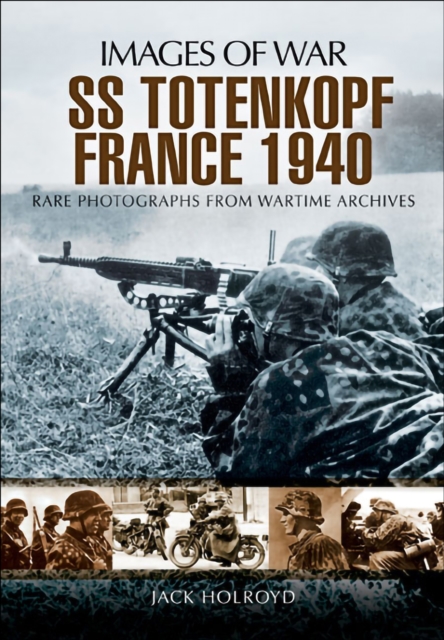
"e;By the end of the Second World War the reputation of Hitler's Schutzstaffel (SS) had become so heavily sullied that the organization was branded criminal and banned in postwar Germany.
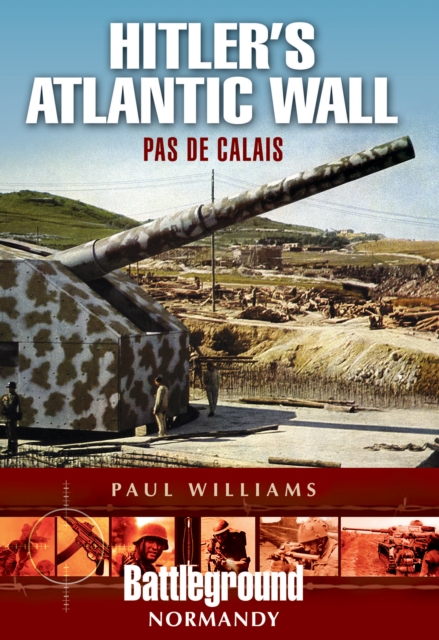
This well-illustrated book describes the massive effort that the occupying Nazi forces put into the construction of the Eastern section of the Atlantic Wall.
First published to acclaim in 1985, this book is set to be a timely release, in line with the 70th Anniversary of the outset of the Raids, near approaching in November 2013.
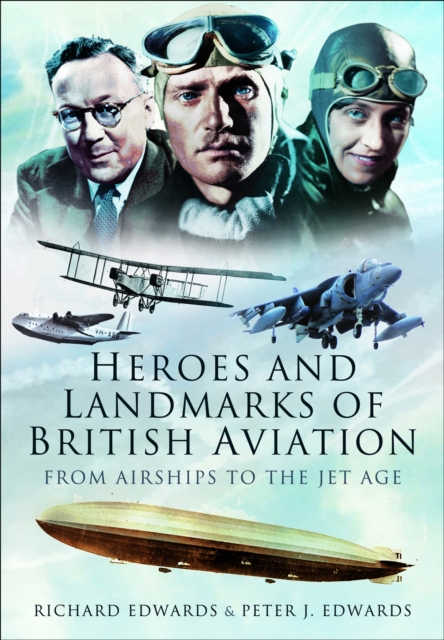
Heroes and Landmarks of British Aviation tells the dramatic story of a world leading aviation industry, from the sweat and grease of the workshop, to the board rooms and government nationalisations that ultimately fashioned its destiny.
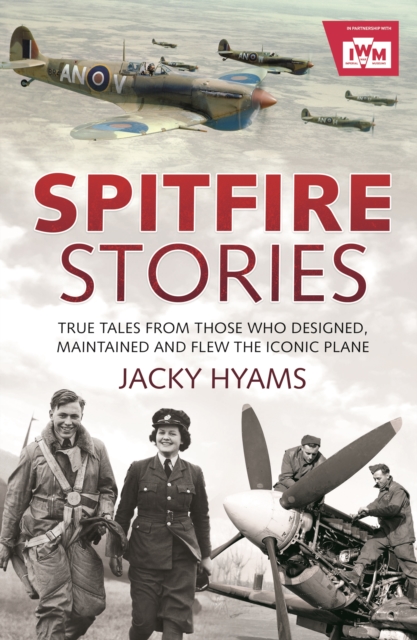
Spitfire Stories, published in association with Imperial War Museums, is a fascinating anthology of first-hand stories from Spitfire heroes and heroines of the Second World War.
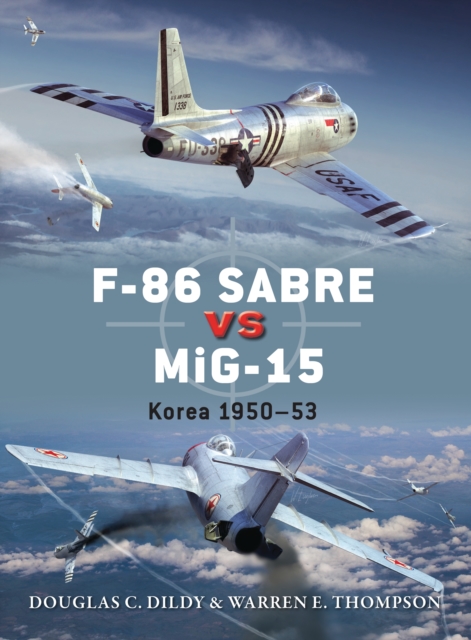
A fully objective, balanced description and appraisal of the air battles over the hotly-contested airspace above the North Korea-China border, with enlightening discussion of the relative merits of each type.
Why the British forces fought so badly in World War II and who was to blameGordon Corrigan's Mud, Blood and Poppycock overturned the myths that surround the First World War.
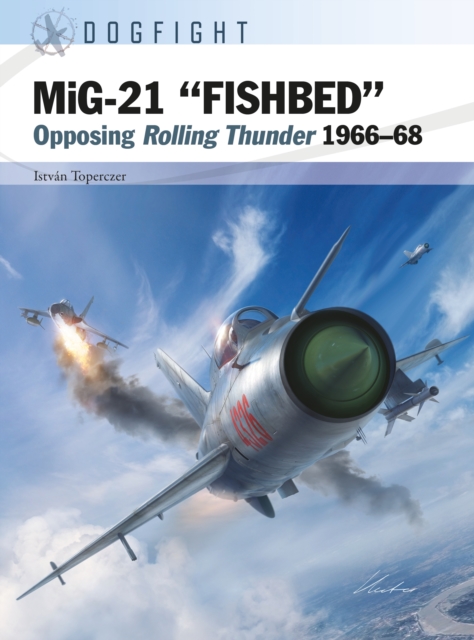
Using archival photographs sourced directly from Vietnam, specially commissioned diagrams and combat accounts from veterans, Istv n Toperczer reveals how the MiG-21 defended Vietnam between 1966 and 1968.
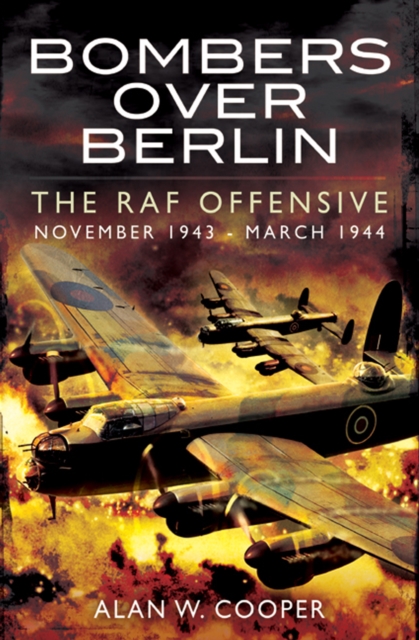
Incorporating a wealth of new material, here is the riveting story of the bombing raids that broke the back of Nazi Germany, praised as "e;a well-researched, highly readable account of a B-17 combat crew's experience .
Calling the Combined Chiefs of Staff the glue that held the British-American alliance together in World War II, David Rigby describes the vital contributions to Allied victory made by the organization, which drew its members from the U.
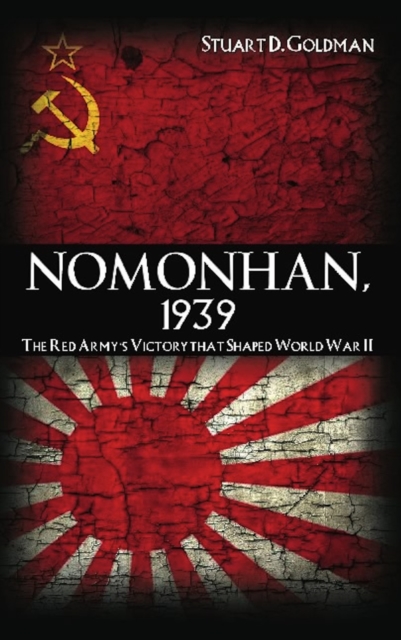
Stuart Goldman convincingly argues that a little-known, but intense Soviet-Japanese conflict along the Manchurian-Mongolian frontier at Nomonhan influenced the outbreak of World War II and shaped the course of the war.
One Marine's War recounts the experiences of Robert Sheeks, a Marine combat interpreter, and how he underwent a remarkable transformation as a consequence of his encounters with the Imperial Japanese Army, Nisei Japanese-American language instructors, Japanese and Pacific Island native civilians, and American Marines.
Although countless books have been written about the U-boat war in the Atlantic, precious few facts have come to light about the men who served in the submarines that wrought such havoc on Allied ships.
Refighting the Pacific War looks at how World War II in the Pacific might have unfolded differently, giving historians, authors and veterans the opportunity to discuss what happened and what might have happened.
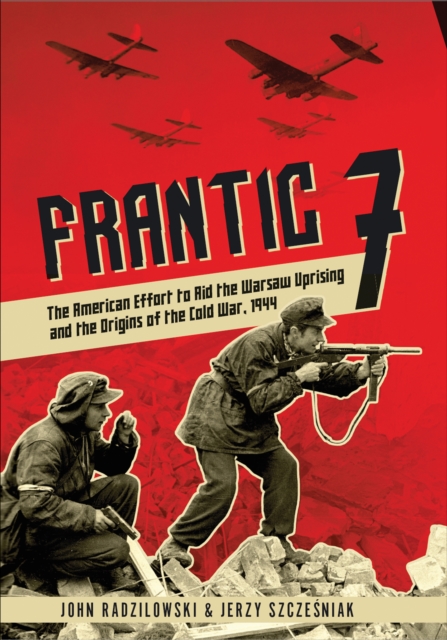
An "e;amazingly detailed"e; and "e;inspiring"e; account of the only daytime air expedition to help Polish freedom fighters during World War II (Books Monthly).
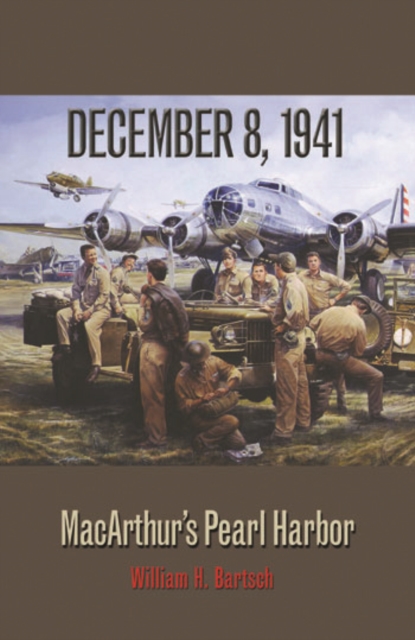
Ten hours after the attack on Pearl Harbor, another Pearl Harbor of even more devastating consequence for American arms occurred in the Philippines, 4,500 miles to the west.
America had a secret weapon, writes Steve Call of the period immediately following September 11, 2001, as planners contemplated the invasion of Afghanistan.
THE NEW BOOK THE TRAITORS CIRCLE OUT NOW FROM JONATHAN FREEDLANDSHORTLISTED FOR THE BAILLIE GIFFORD PRIZE, RATHBONES FOLIO PRIZE, WATERSTONES BOOK OF THE YEAR AND LONGLISTED FOR THE WINGATE LITERARY PRIZEA MAIL ON SUNDAY, THE TIMES, THE ECONOMIST, GUARDIAN, THE SPECTATOR, TIME, AND DAILY EXPRESS/DAILY MIRROR BOOK OF THE YEAR'Thrilling' Daily Mail'Gripping' Guardian'Heartwrenching' Yuval Noah Harari'Magnificent' Philip Pullman'Excellent' Sunday Times'Inspiring' Daily Mail'An immediate classic' Antony Beevor'Awe-inspiring' Simon Sebag Montefiore'Shattering' Simon Schama'Utterly compelling' Philippe Sands'A must-read' Emily Maitlis'Indispensable' Howard JacobsonApril 1944.
Filled with larger-than-life characters, and revelations of the vision and technology it took to dominate the skies before and during, World War II, here is a gripping piece of aviation history.
';An extraordinary, riveting, page-turning accountfinally cleared for publication by the CIAof the once highly classified effort by the CIA and special military units to develop a truly game-changing, transformational capability: armed drones.
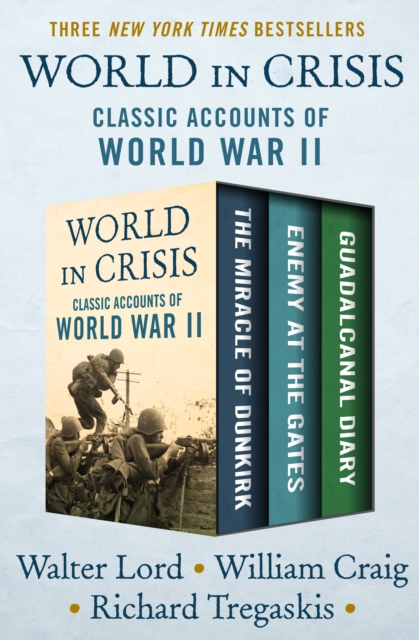
Three New York Times-bestselling World War II histories, including the true story of the miraculous evacuation portrayed in the Christopher Nolan film Dunkirk.
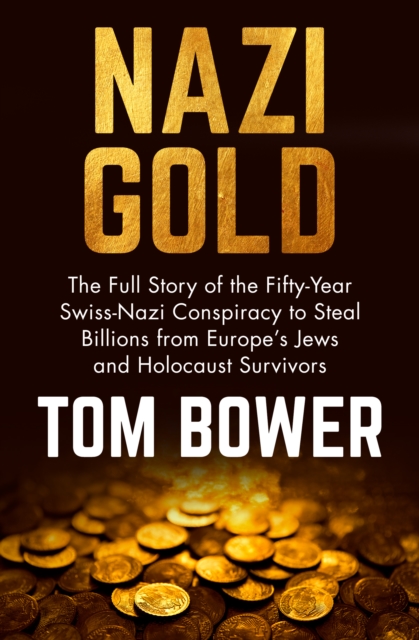
A "e;compelling [and] carefully researched"e; account of greed, duplicity, and an unholy partnership between Switzerland and the Third Reich (The Washington Times).