The Imperial War Museum holds a vast archive of interviews with soldiers, sailors, airmen and civilians of most nationalities who saw action during WW2.
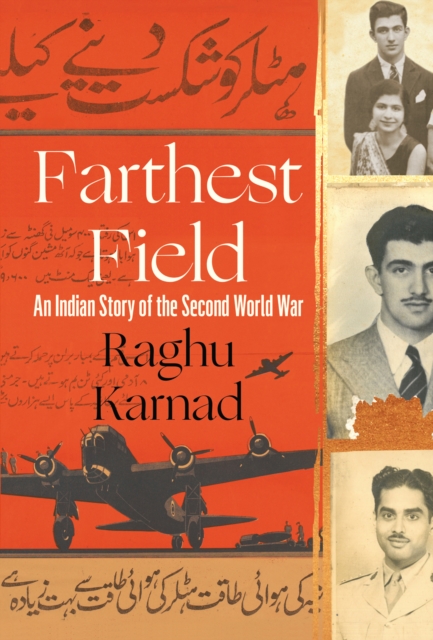
In late June 1942, the dispirited and defeated British Eighth Army was pouring back towards the tiny railway halt of El Alamein in the western desert of Egypt.
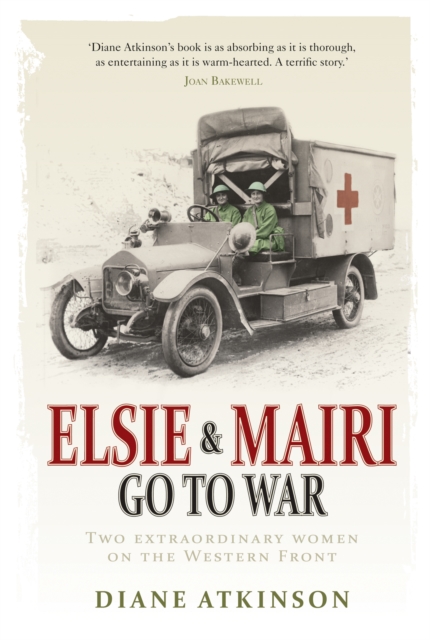
When they met at a motorcycle club in 1912, Elsie Knocker was a thirty year-old motorcycling divorcee dressed in bottle-green Dunhill leathers, and Mairi Chisholm was a brilliant eighteen-year old mechanic, living at home and borrowing tools from her brother.
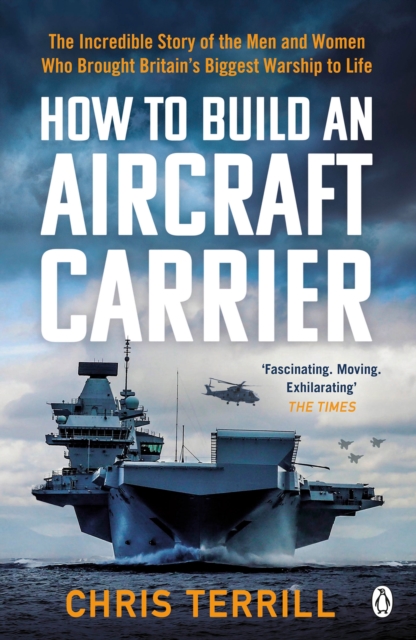
Discover the enthralling story of the HMS Queen Elizabeth, the Royal Navy's largest ever aircraft carrier and SUBJECT OF THE MAJOR NEW BBC DOCUMENTARY SERIES THE WARSHIP'Fascinating, often funny and sometimes moving .
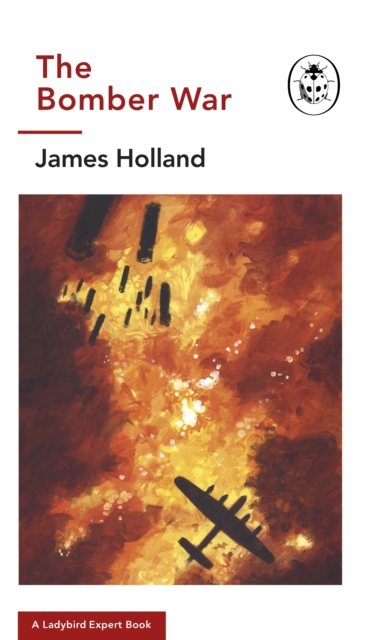
Part of the new Ladybird Expert series, The Bomber War is an accessible, insightful and authoritative introduction to the airborne Allied fight against Nazi Germany.
The gripping stories of ordinary Germans who lived through World War II, the Holocaust, and Cold War partition-but also recovery, reunification, and rehabilitationBroken Lives is a gripping account of the twentieth century as seen through the eyes of ordinary Germans who came of age under Hitler and whose lives were scarred and sometimes destroyed by what they saw and did.
A major revision of our understanding of long-range bombing, this book examines how Anglo-American ideas about "e;strategic"e; bombing were formed and implemented.
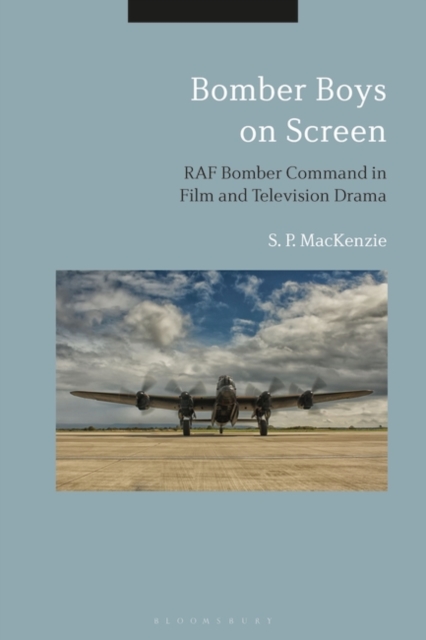
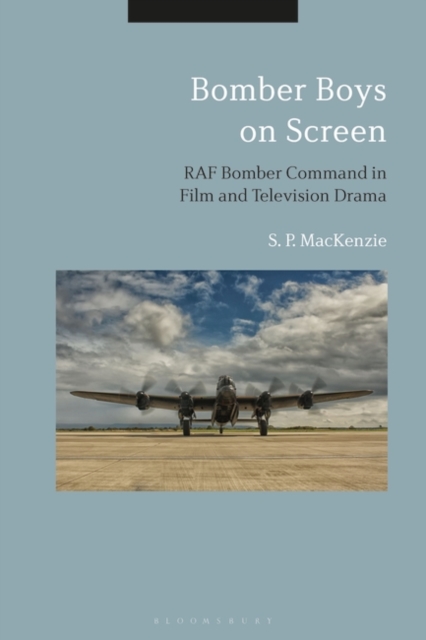
Since the Second World War, depictions of Royal Air Force operations in film and television drama have become so numerous that they make up a genre worthy of scholarly attention.
Since the Second World War, depictions of Royal Air Force operations in film and television drama have become so numerous that they make up a genre worthy of scholarly attention.
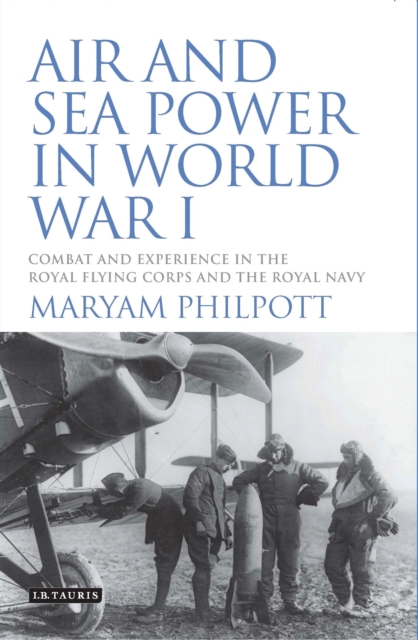
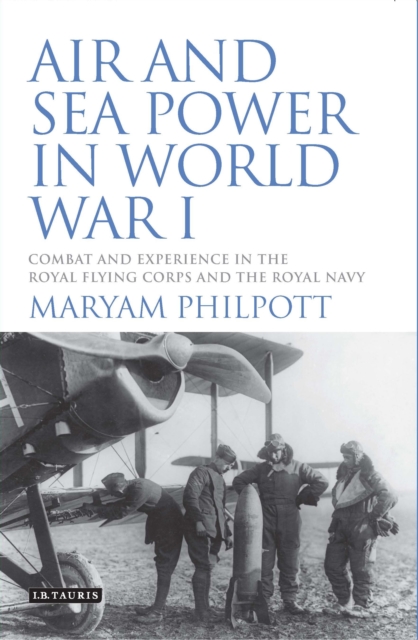
The Great War tore the fabric of Europe apart, killing over 35 million men and challenging the notion of heroism in war, Air and Sea Power in World War I focuses on the experience of World War I from the perspective of British pilots and sailors themselves, to demonstrate that the army-centric view of war studies has been too limited.
The Great War tore the fabric of Europe apart, killing over 35 million men and challenging the notion of heroism in war, Air and Sea Power in World War I focuses on the experience of World War I from the perspective of British pilots and sailors themselves, to demonstrate that the army-centric view of war studies has been too limited.
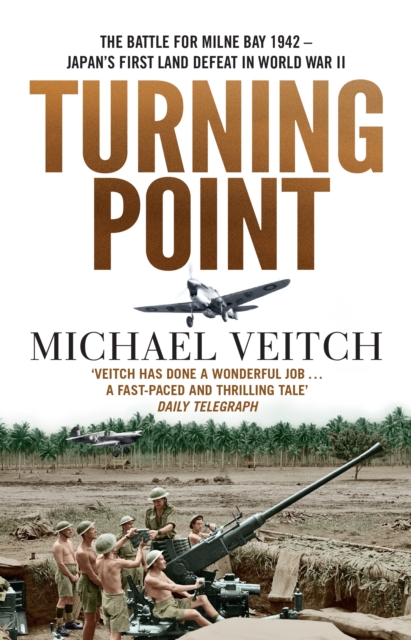
The Battle for Milne Bay - Japan's first defeat on land in the Second World War - was a defining moment in the evolution of the indomitable Australian fighting spirit.
The 15:17 to Paris is the amazing true story of friendship and bravery, and of near tragedy averted by three heroic young men who found the unity and strength inside themselves when they - and 500 other innocent travellers - needed it most.
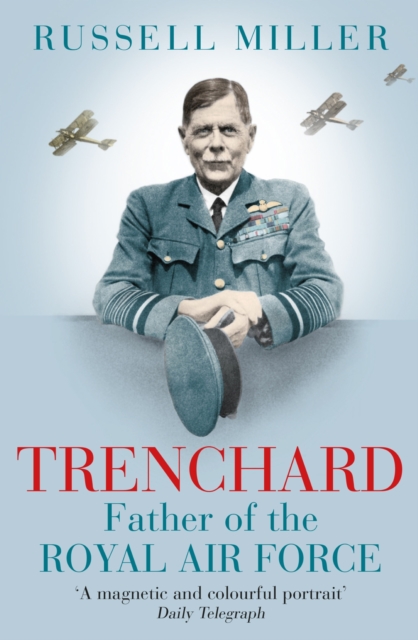
'A magnetic and colourful portrait' Daily TelegraphHugh 'Boom' Trenchard was embarrassed by being described as 'The Father of the Royal Air Force' - he thought others were more deserving.
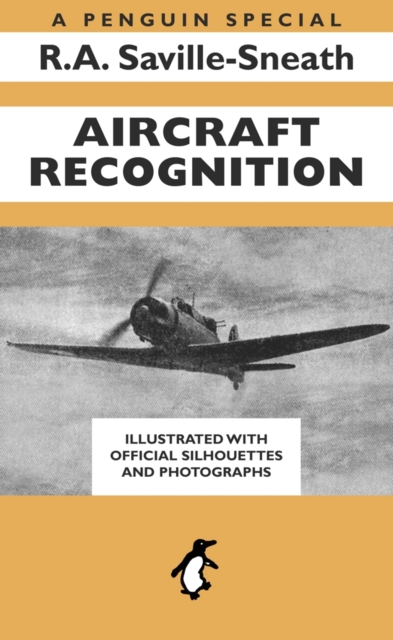
When this book was first published in 1941, aircraft recognition was far more than just a pleasant pastime; it was often a matter of life and death This classic text provides a definitive catalogue of the aeroplanes, enemy and friendly, seen over British skies during the Second World War.
As the country's first African American military pilots, the Tuskegee Airmen fought in World War II on two fronts: against the Axis powers in the skies over Europe and against Jim Crow racism and segregation at home.
The story of the strange mixture of romanticism, militarism and technology that has made planes so important to England, from the brilliant author of Britain's War MachineThe history of England and the aeroplane is one tangled with myths - of 'the Few' and the Blitz, of boffins, flying machines, amateur inventors and muddling through.
From best-selling author of Tail-End Charlie and Tornado Down comes this powerful and deeply moving account of Bomber Command's 1944 Nuremberg Raid - the RAF's bloodiest night of the Second World WarMore men from Royal Air Force Bomber Command died on one single night of the Second World War than the total RAF aircrew losses during the whole of the four-month-long Battle of Britain.
Selected as the Sunday Times History Book of the Year for 2012, this is a meticulous work of scholarship from the foremost historian of 20th-century Spain.
"e;Brown has taken an incredibly complex subject and made it accessible and readable, all while retaining the gravity of history and the sheer intensity of these battlefields.
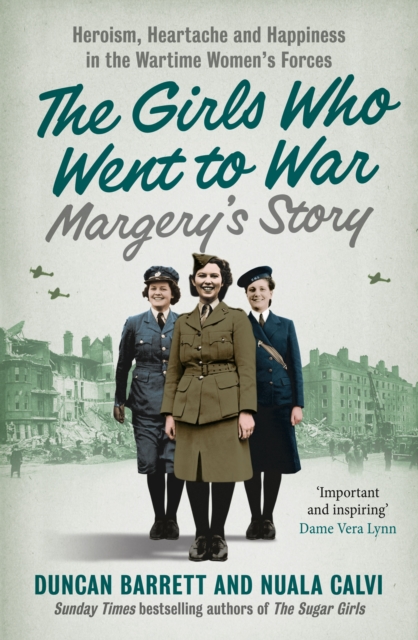
From the bestselling authors of The Sugar Girls and GI Brides, this is Margery's story, one of three true accounts from the book The Girls Who Went to War.
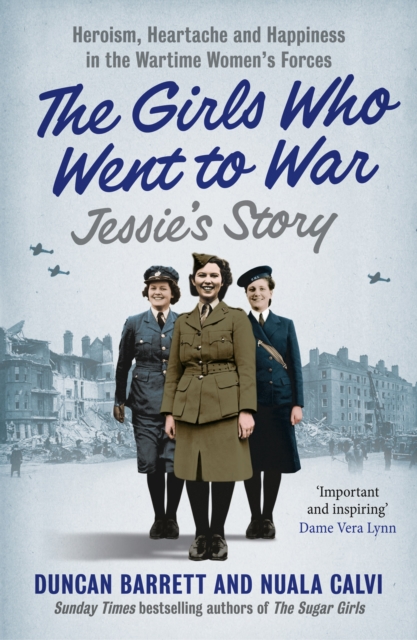
From the bestselling authors of The Sugar Girls and GI Brides, this is Jessie's story, one of three true accounts from the book The Girls Who Went to War.
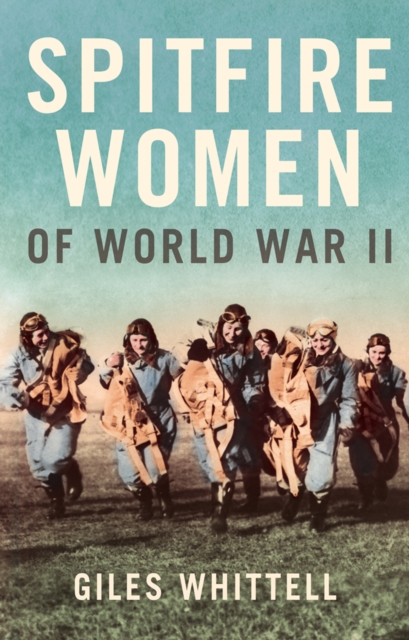
This is the incredible true story of a wartime sisterhood of women pilots: a group of courageous pioneers who took exceptional risks to fly Spitfires, Hurricanes and Lancasters to the frontlines of World War II.