An engrossing compendium of high-seas military disastersFrom the days of the Spanish Armada to the modern age of aircraft carriers, battles have been bungled just as badly on water as they have been on land.
An account of Germany's little known U-boat campaign against merchant shipping along the North American Atlantic coast during the first six months of 1942.
A remarkable compendium of the worst military decisions and the men who made themThe annals of history are littered with horribly bad military leaders.
Discover the enthralling story of the HMS Queen Elizabeth, the Royal Navy's largest ever aircraft carrier and SUBJECT OF THE MAJOR NEW BBC DOCUMENTARY SERIES THE WARSHIP'Fascinating, often funny and sometimes moving .
The unknown story of how a fleet of Australian fishing boats, trawlers and schooners supplied US and Australian forces in the Pacific - and helped turn the course of World War II.
For viewers of BBC One's 'Britain and the Sea', 'Leviathan' is a must-read; overturning long-held beliefs about our ancestry and weaving together the disparate strands that made the fabric of the Empire.
The bestselling author of The Endurance reveals the startling truth behind the legend of the Mutiny on the Bounty - the most famous sea story of all time.
Through the lives of three outstanding naval officers - each considered the most brilliant commander of his generation - David Crane offers a unique portrait of the Royal Navy at a time when it held unchallenged dominion over the world's oceans.
A gripping history of the Mediterranean campaigns from the first rumblings of conflict through the Second World War and into the uneasy peace of the late 1940s.
A gripping account of the epic hunt for Hitler's most terrifying battleship - the legendary Tirpitz - and the brave men who risked their lives to attack and destroy this most potent symbol of the Nazi's fearsome war machine.
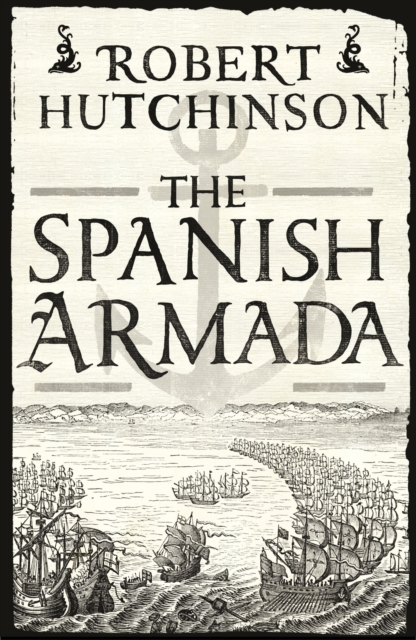
A dramatic blow-by-blow account of the defeat of the Spanish Armada by the English fleet - a tale of daring and disaster on the high seas by one of our best narrative historians.
TIMELESS PRINCIPLES OF EMPOWERING LEADERSHIP | OVER 1 MILLION COPIES SOLD One of the 12 best business books of all time USA Today The best how-to manual anywhere for managers on delegating, training, and driving flawless execution Fortune David Marquet is the kind of leader who comes around only once in a generation.
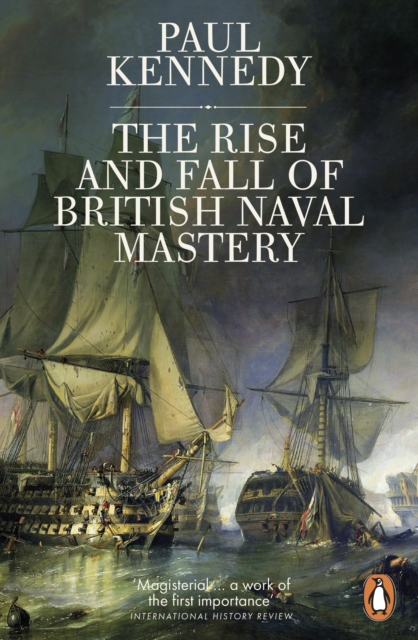
Paul Kennedy's classic naval history, now updated with a new introduction by the authorThis acclaimed book traces Britain's rise and fall as a sea power from the Tudors to the present day.
Winner of the Longman's History Today Book of the Year Award and the inaugural Westminster Medal for Military Literature More than a century had gone by since the Battle of Trafalgar.
'The Ministry of Defence does not comment upon submarine operations' is the standard response of officialdom to enquiries about the most secretive and mysterious of Britain's armed forces, the Royal Navy Submarine Service.
*** BARACK OBAMA'S SUMMER READING LIST 2024 ****** One of the New York Times Top Ten Books of 2024 ****** NEW YORK TIMES BESTSELLER ***'The story of Captain Cook s third voyage.