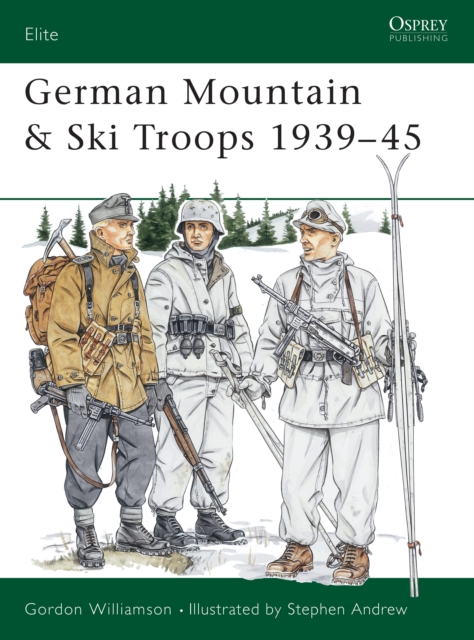
Fighting in every theatre from the burning sands of North Africa to the icy wastes above the arctic circle, the German Army's Gebirgstruppen troops were some of the most effective in the whole of the Wehrmacht.
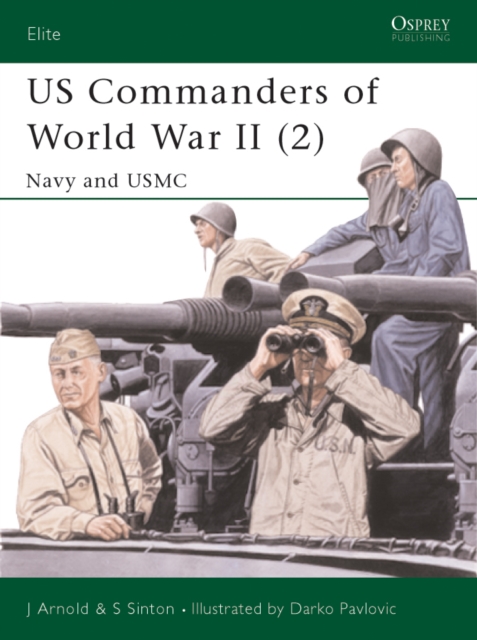
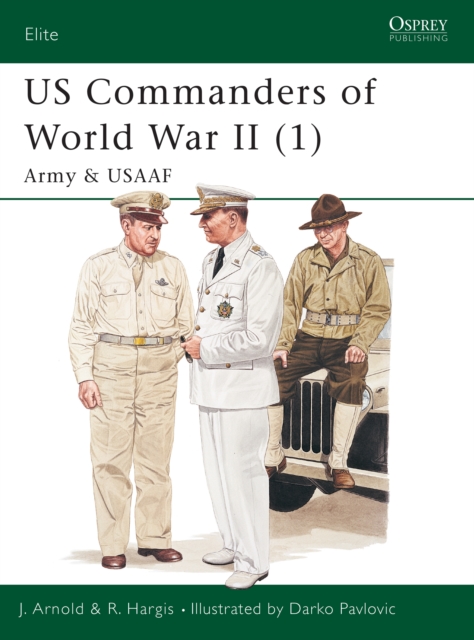
This title, the second of two looking at US commanders of World War II, examines the combat careers, personalities, uniforms, dress and appearance of the key US naval and Marine commanders.
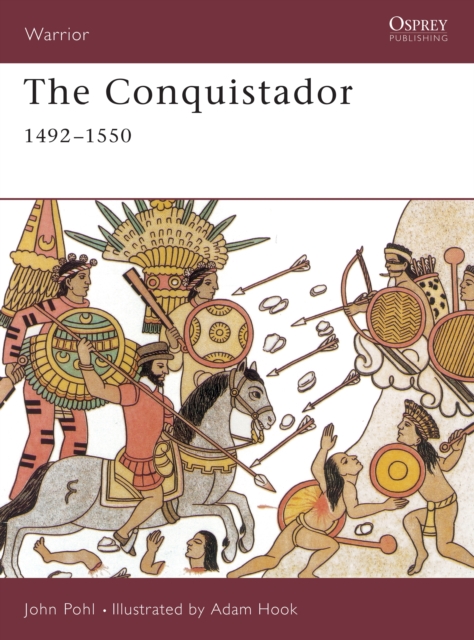
Many accounts portray the conquest of the "e;New World"e; as a remarkable military achievement, with Cort s' vastly outnumbered but better armed Spaniards defeating hordes of superstitious native peoples.
To be a successful commander requires experience, character, tenacity and boldness: the ability to establish a good rapport with both your staff and your men is also vital.
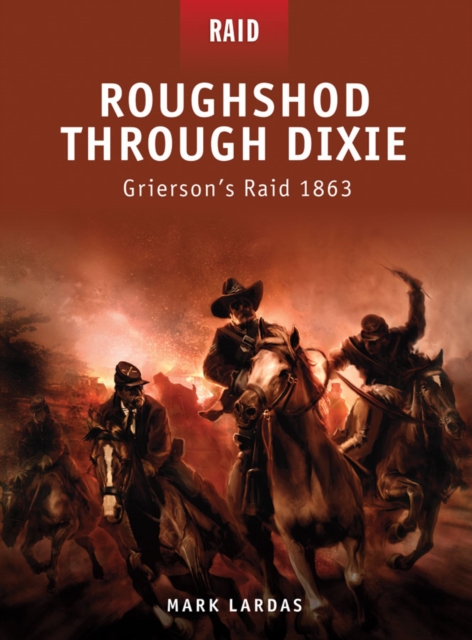
On April 17, 1863 Benjamin Grierson led a force of 1,700 Union cavalrymen across enemy lines into Confederate-held Tennessee in a bold diversionary raid.
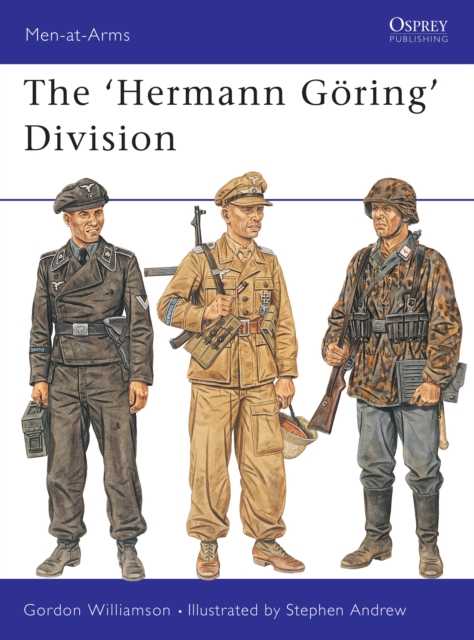
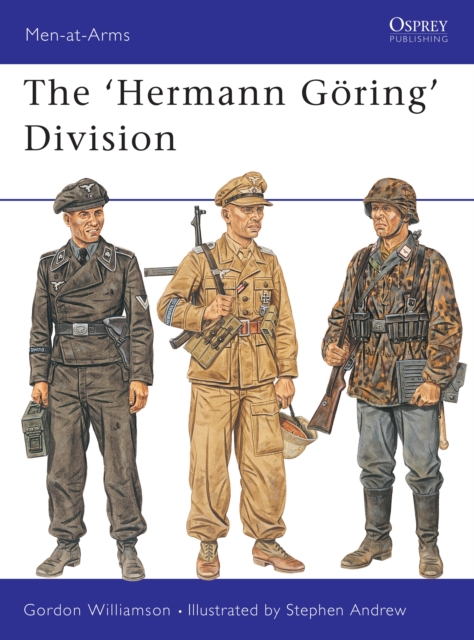
Each of Germany's World War II armed services could claim one unit which earned a unique combat reputation, and which consequently was enlarged and developed far beyond the size originally planned.
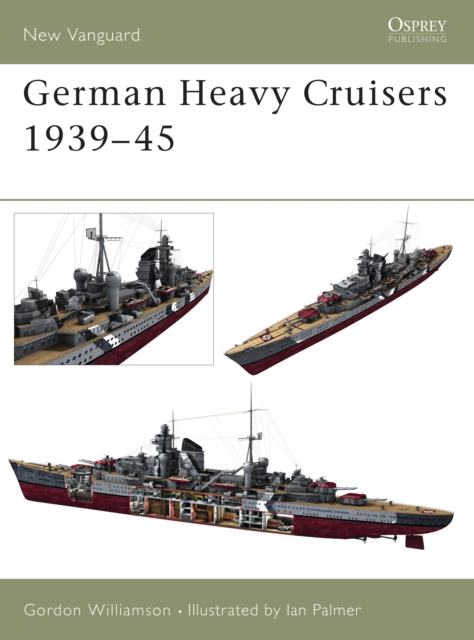
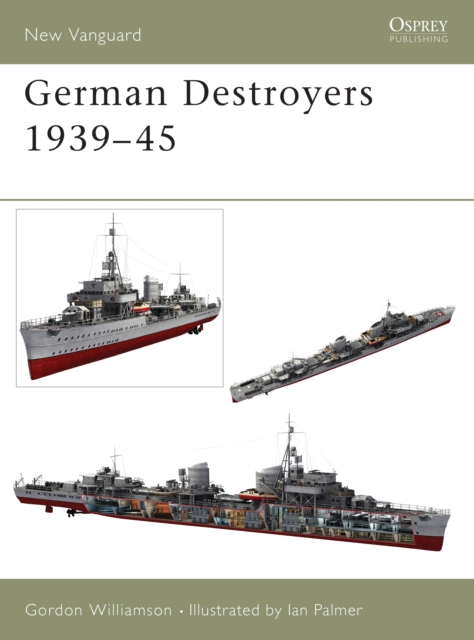
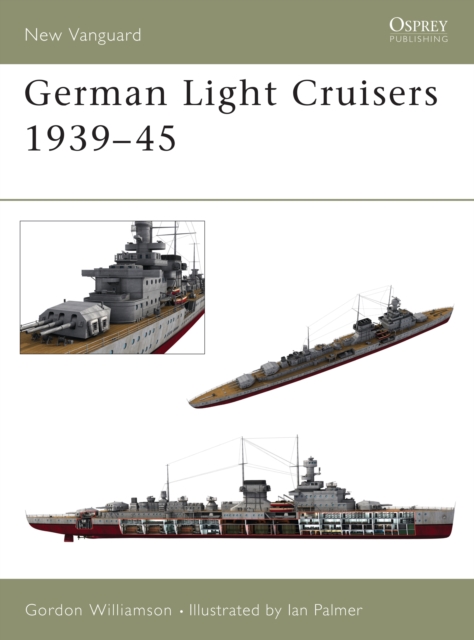
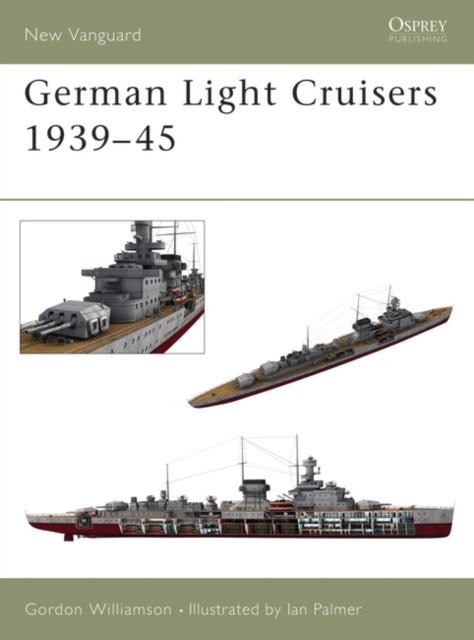
The development of this excellent and successful class of warship only became possible after the Anglo-German naval agreement of 1935 eased restrictions on the types of ship Germany could build.
The German destroyer fleet of World War II consisted of nine classes: the Diether Von Roeder Class, the Leberecht Maas Class and the wartime classes Z23, Z35, Z37, Z40, Z43, Z46 and Z52.
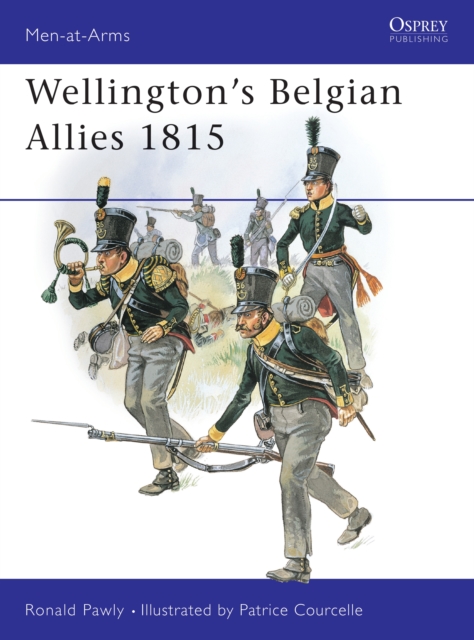
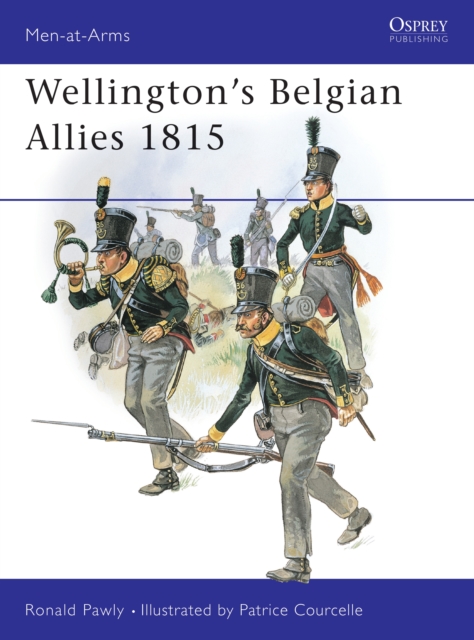
The army commanded by the Duke of Wellington at Quatre-Bras and Waterloo included two infantry divisions and three cavalry brigades of the newly-unified Netherlands (or 'Dutch-Belgian') army.
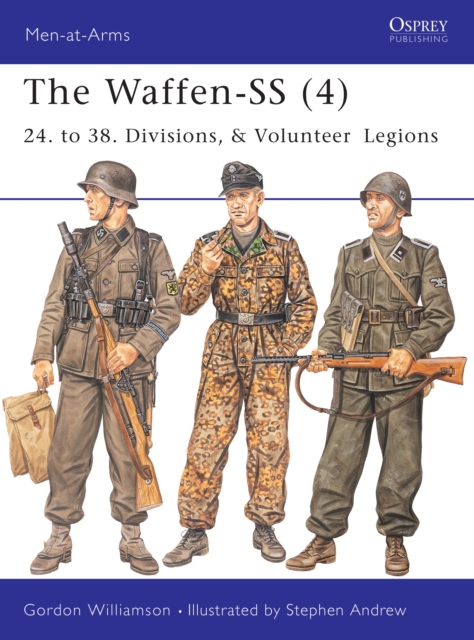
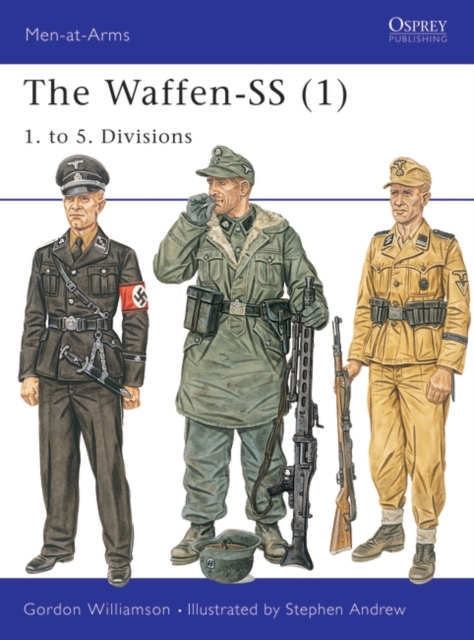
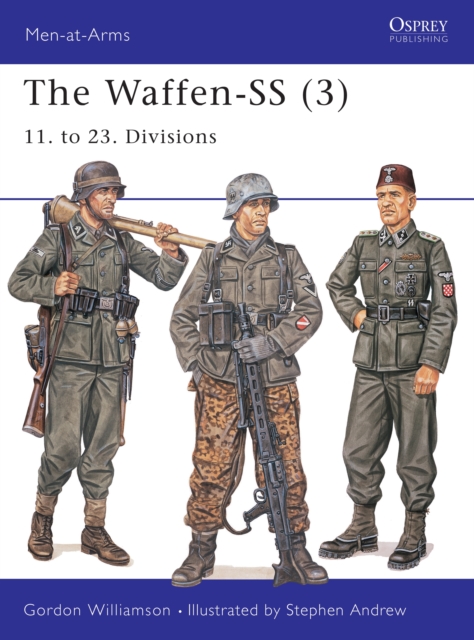
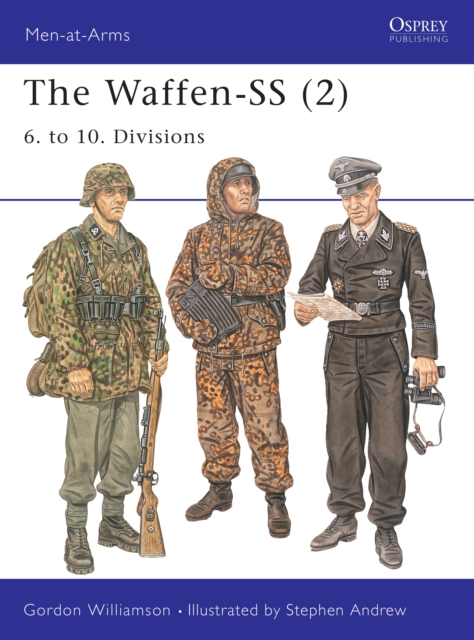
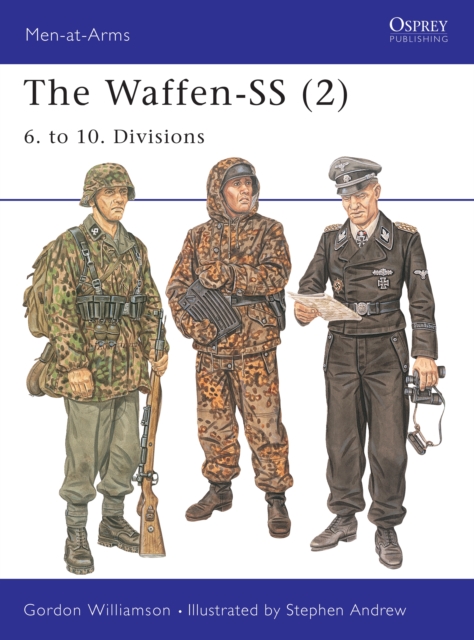
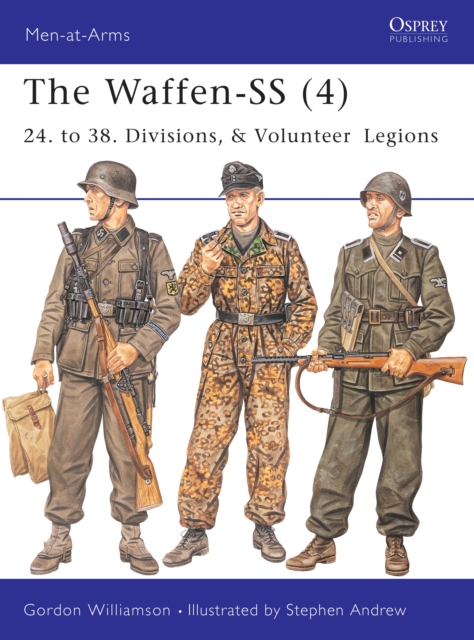
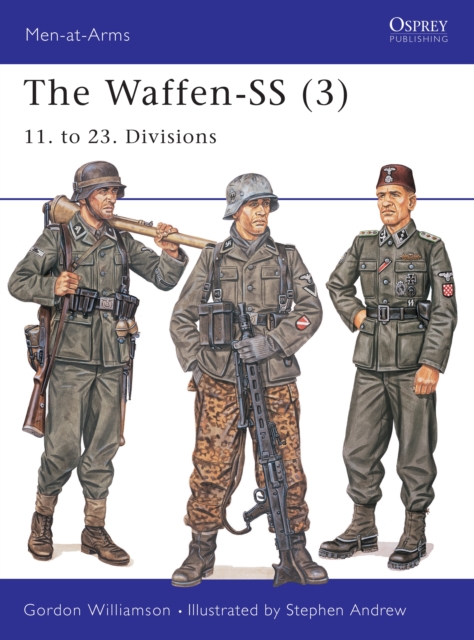
The military branch of the Nazi SS security organisation grew from only a handful of battalions at the outbreak of war in 1939 to hundreds of thousands of troops in dozens of divisions.
The Waffen-SS grew from a handful of obscure infantry battalions in 1939, to a force of more than 30 divisions by the end of World War II, including units of every type and every level of battlefield value.
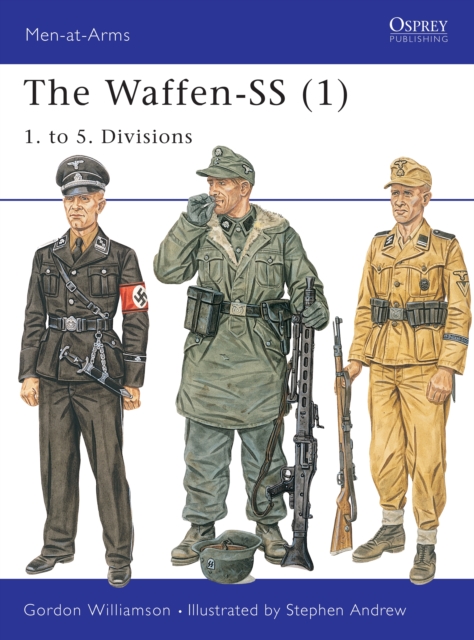
The military branch of the Nazi SS security organisation grew by the end of World War II from a handful of poorly regarded infantry battalions in 1939, into a force of more than 30 divisions including units of every type.
The military branch of the Nazi SS security organisation grew from only a handful of battalions at the outbreak of war in 1939 to hundreds of thousands of troops in dozens of divisions.
The military branch of the Nazi SS security organisation grew by the end of World War II from a handful of poorly regarded infantry battalions in 1939, into a force of more than 30 divisions including units of every type.
Each of Germany's World War II armed services could claim one unit which earned a unique combat reputation, and which consequently was enlarged and developed far beyond the size originally planned.
The Waffen-SS grew from a handful of obscure infantry battalions in 1939, to a force of more than 30 divisions by the end of World War II, including units of every type and every level of battlefield value.
The army commanded by the Duke of Wellington at Quatre-Bras and Waterloo included two infantry divisions and three cavalry brigades of the newly-unified Netherlands (or 'Dutch-Belgian') army.
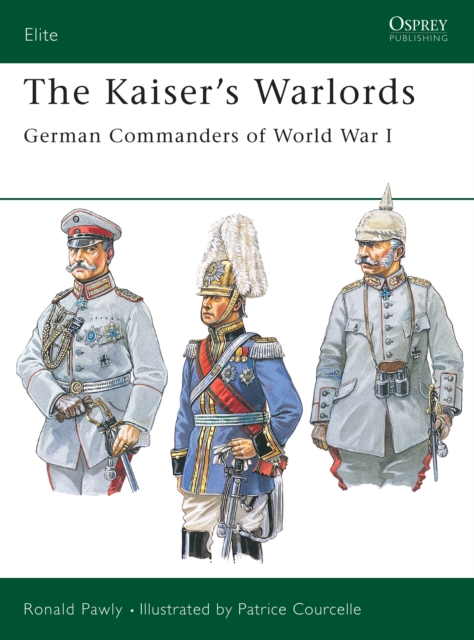
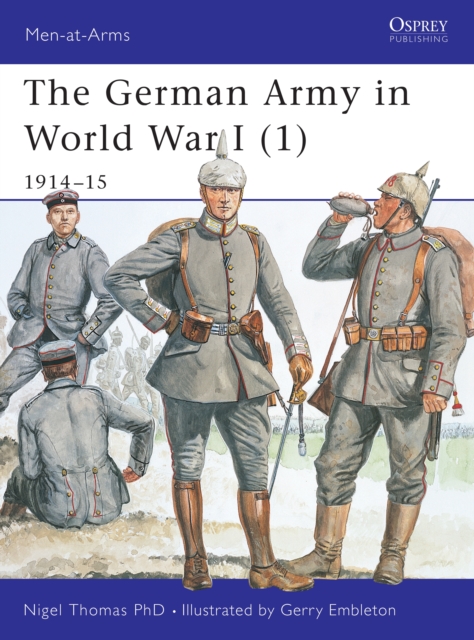
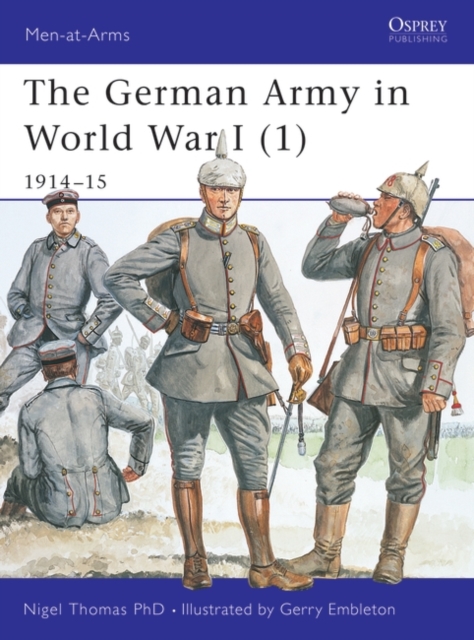
In August 1914 the mobilization of Imperial Germany's 800,000-strong army ushered in the first great war of the modern age - a war which still stands as the greatest slaughter of soldiers in history.
In August 1914 the mobilization of Imperial Germany's 800,000-strong army ushered in the first great war of the modern age - a war which still stands as the greatest slaughter of soldiers in history.
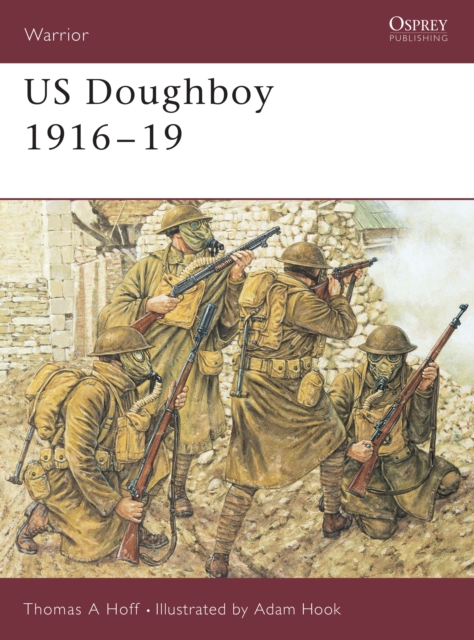
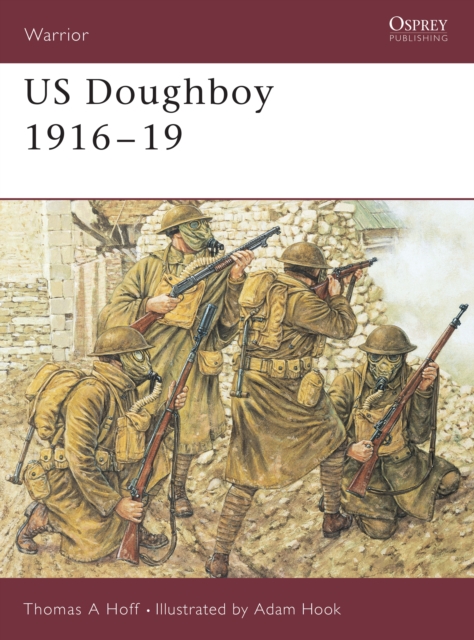
Dedicated to the life of the average US soldier during World War I, this book follows the doughboy during the course of the war: from conscription, arrival at a training facility, transportation to Europe, and finally into combat in the trenches.
Dedicated to the life of the average US soldier during World War I, this book follows the doughboy during the course of the war: from conscription, arrival at a training facility, transportation to Europe, and finally into combat in the trenches.
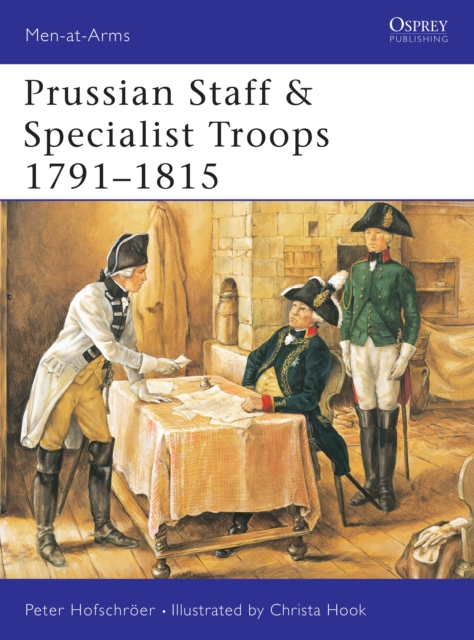
The origins of what would become the German General Staff of the late 19th and 20th centuries - probably the most professional military machine in the world - can be traced to the Prussian Army of the French Revolutionary and Napoleonic Wars.
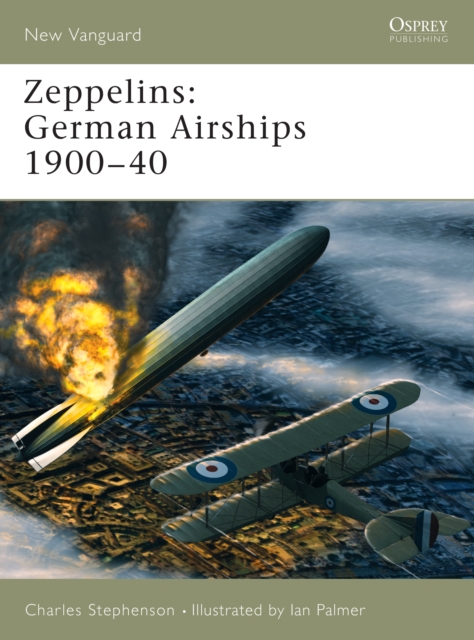
On 2 July 1900 the people of Friedrichshafen, Germany, witnessed a momentous occasion - the first flight of LZ 1, Count Ferdinand von Zeppelin's first airship.