With exclusive interviews, a Signal Corps veteran tells the full story of how cryptography helped defeat the Axis powers, at Bletchley Park and beyond.
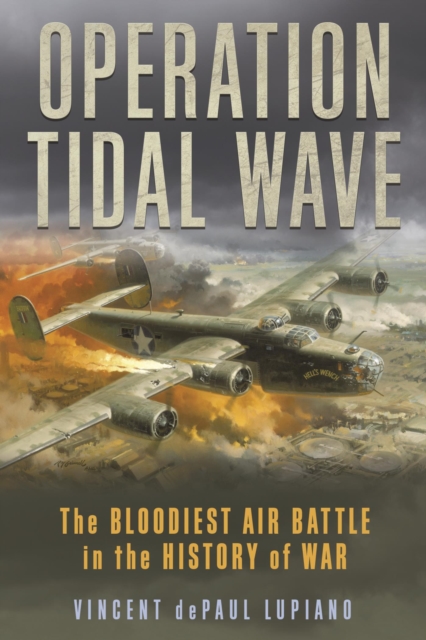
By the time the war clouds of Europe and Asia spilled onto the shores of the United States, the allied military found itself outmanned, outgunned and out flown.
Barbed Wire University tells the extraordinary tale of Winston Churchill's internment of some of the most gifted Jewish refugee writers, professors, artists, and painters of their generation in a camp on the Isle of Man in the Irish Sea.
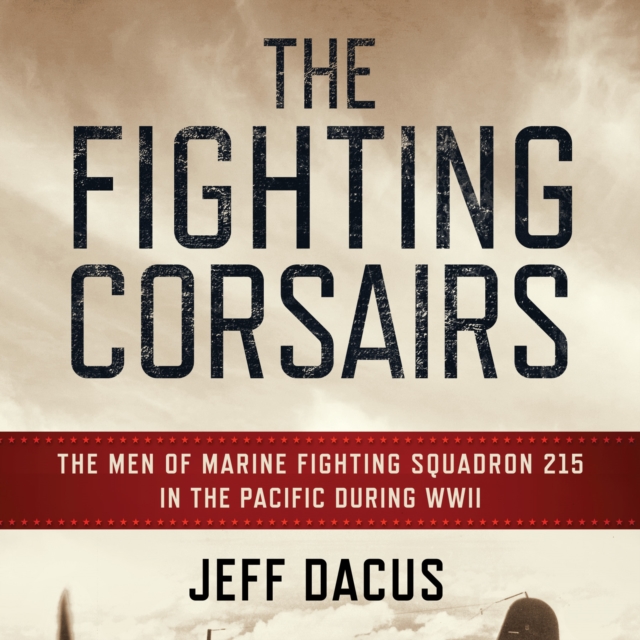
From an historian and columnist in Leatherneck and Armor magazines, this is the exciting, personal account of a Marine fighter squadron in the South Pacific during the critical days of 1943 when the tide turned against the Japanese.
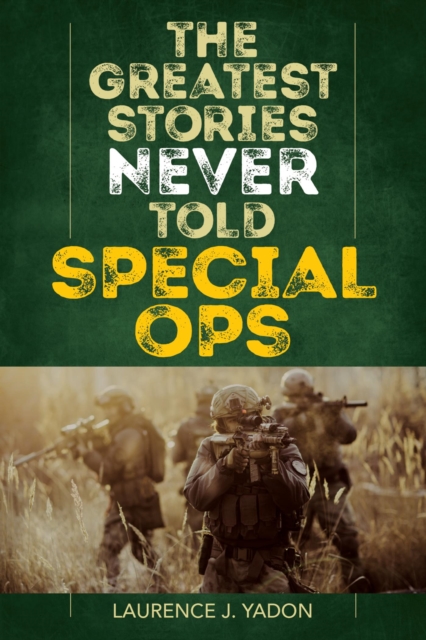
In The Greatest Stories Never Told: Special Ops, attorney and author Larry Yadon has written some of the greatest tales about special forces and operations not twice- or thrice-told tales, but the ones you haven't heard before.
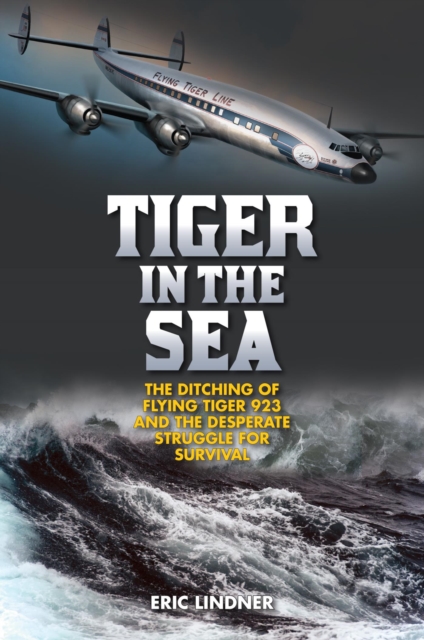
September 1962: On a moonless night over the raging Atlantic Ocean, a thousand miles from land, the engines of Flying Tiger flight 923 to Germany burst into flames, one by one.
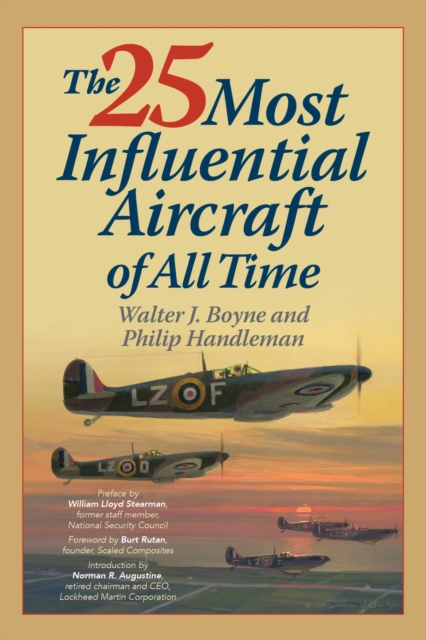
The 25 Most Influential Aircraft of All Time conveys the fascinating progression of flying technology from flimsy wood-and-fabric biplanes to thunderous supersonic wonders.
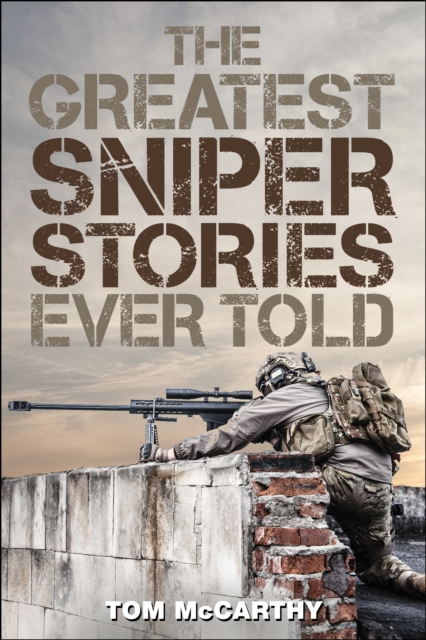
In The Greatest Sniper Stories Ever Told, editor Tom McCarthy has pulled together some of the finest writings about snipers that capture readers imaginations, meticulously culled from books, magazines, movies, and elsewhere.
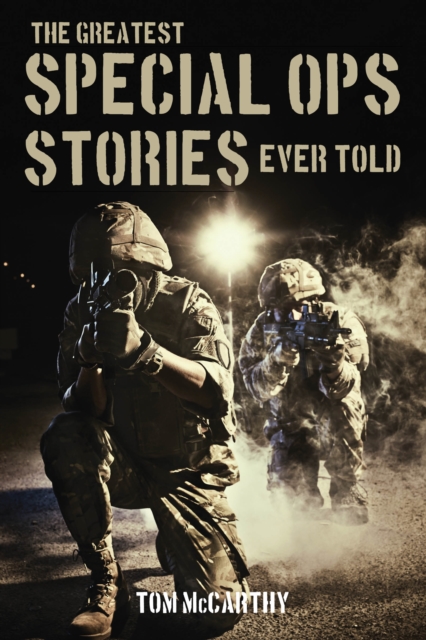
In The Greatest Special Ops Stories Ever Told, editor Tom McCarthy has pulled together some of the finest writings about Special Operations that capture readers imaginations, meticulously culled from books, magazines, movies, and elsewhere.
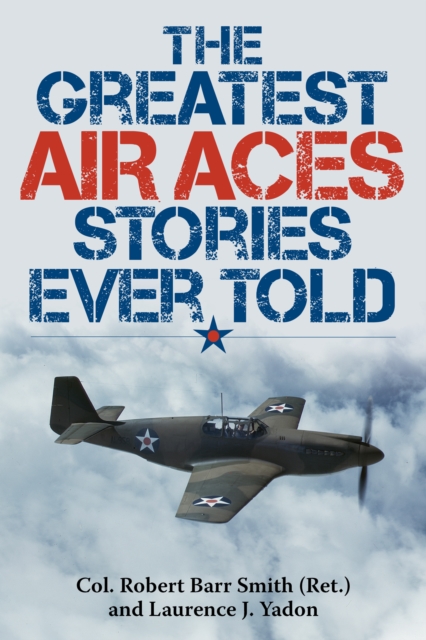
In thirty-five chapters, The Greatest Air Aces Stories Ever Told covers many of the leading American and British Commonwealth fighter aces of WW I and II, together with a few bomber crews whose gallantry made a substantial contribution to the end of WW II.
Midair is a true account of one of the most remarkable tales of survival in the history of aviation a midair collision at 30,000 feet by two bomb-laden B-52s over a category 5 super typhoon above the South China Sea during the outset of the Vietnam War.
Celebrate the Legacy of the MarinesBehind one of the most celebrated military branches in America are the often little-known actions of its brave warriors.
The first of three volumes of the Official History of the Royal Canadian Air Force, this book provides the definitive story of Canadian airmen in World War I and, moreover, a revisionist account of the war in the air.
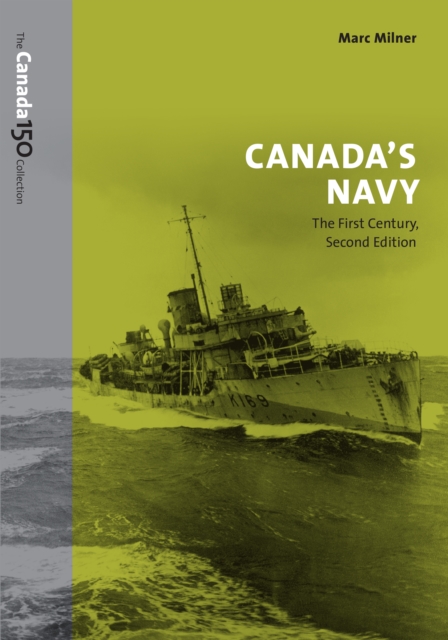
The Royal Canadian Navy is best known for its role in the defence of convoys against attacks by U-boats, particularly those in the mid-Atlantic from 1941--1943.
In a stretch of the North Atlantic known as the Black Pit, far from land-based air cover, escorted convoys travelling the main trade routes between Newfoundland and Ireland were regularly besieged by marauding U-boats in classical naval confrontations.
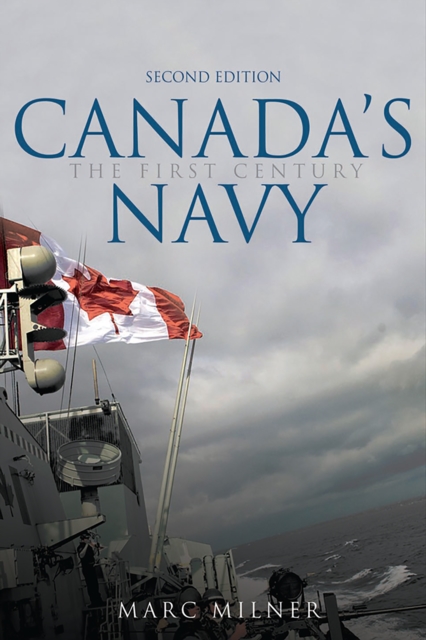
From its eighteenth-century roots in exploration and trade, to the major conflicts of the First and Second World Wars, through to current roles in multinational operations with United Nations and NATO forces, Canada's navy - now celebrating its one hundredth anniversary - has been an expression of Canadian nationhood and a catalyst in the complex process of national unity.
From its eighteenth-century roots in exploration and trade, to the major conflicts of the First and Second World Wars, through to current roles in multinational operations with United Nations and NATO forces, Canada's navy - now celebrating its one hundredth anniversary - has been an expression of Canadian nationhood and a catalyst in the complex process of national unity.
From its eighteenth-century roots in exploration and trade, to the major conflicts of the First and Second World Wars, through to current roles in multinational operations with United Nations and NATO forces, Canada's navy - now celebrating its one hundredth anniversary - has been an expression of Canadian nationhood and a catalyst in the complex process of national unity.
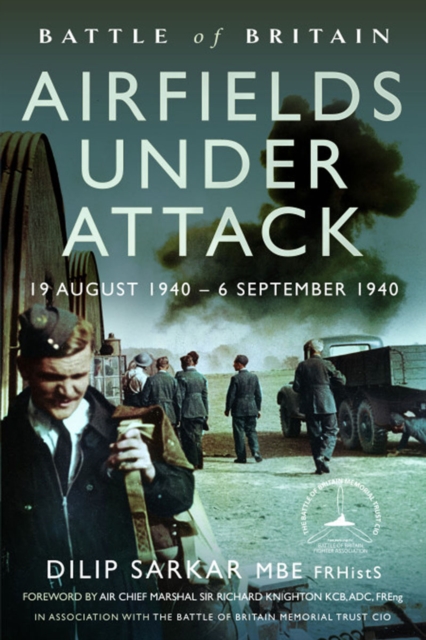
In this unprecedented series exploring the big story of the Battle of Britain, renowned historian Dilip Sarkar investigates the wider context and intimate details of the epic aerial conflict in the summer of 1940 from all sides.
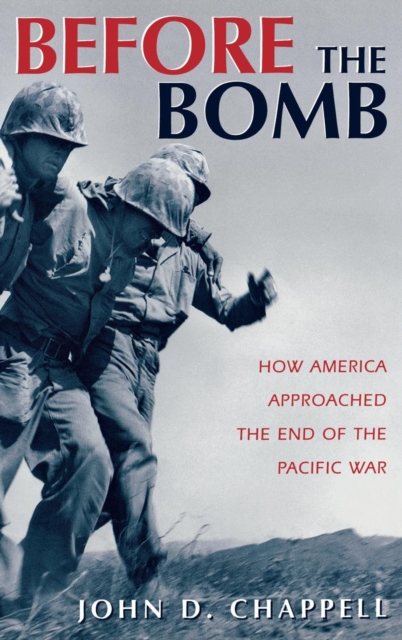
Almost forgotten in the haze of events that followed Nagasaki and Hiroshima, the summer of 1945 witnessed an intense public debate over how best to end the war against Japan.
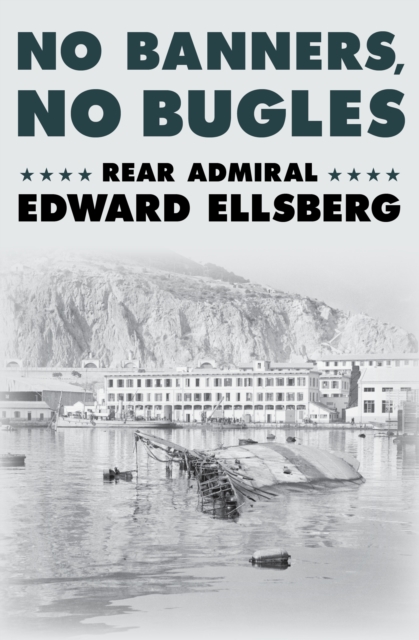
A Navy admiral's firsthand account of the Allied salvage operation that played a key role in recovering North Africa from the Nazis during World War II.
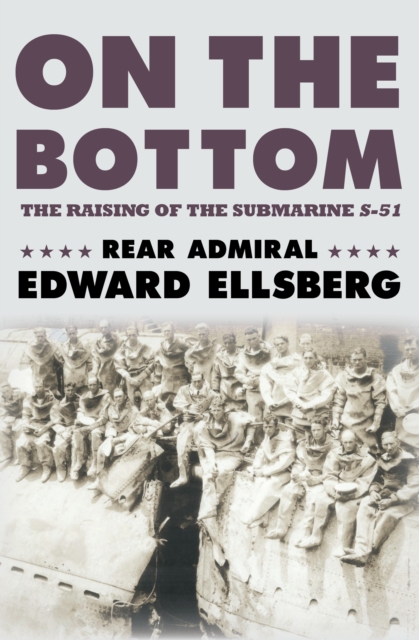
The man who led the salvage efforts to raise a sunken US Navy submarine recounts the mission in a tale "e;that will surely rank among the epics of the sea"e; (The Philadelphia Inquirer).
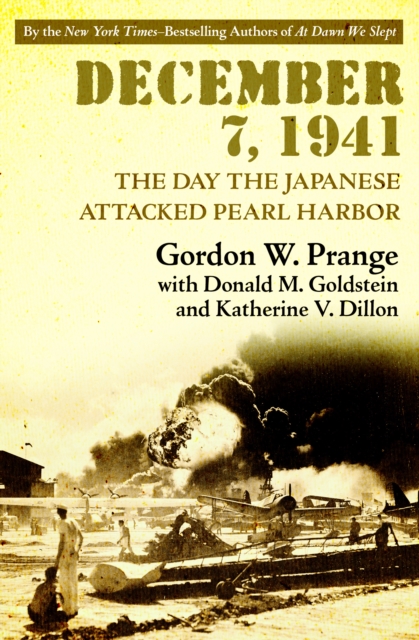
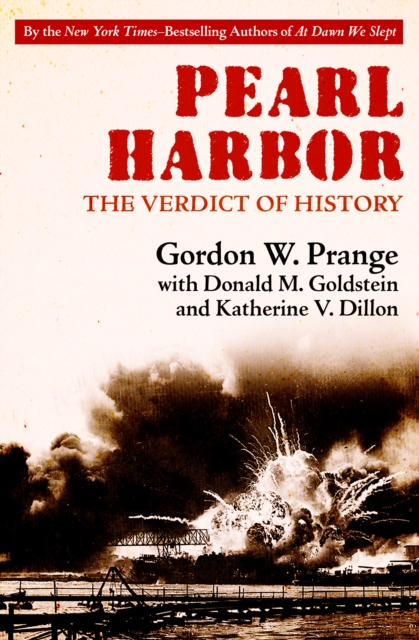
The New York Times-bestselling authors of Miracle at Midway delve into the surprise attack on Pearl Harbor during WWII in "e;a superb work of history"e; (Albuquerque Journal Magazine).
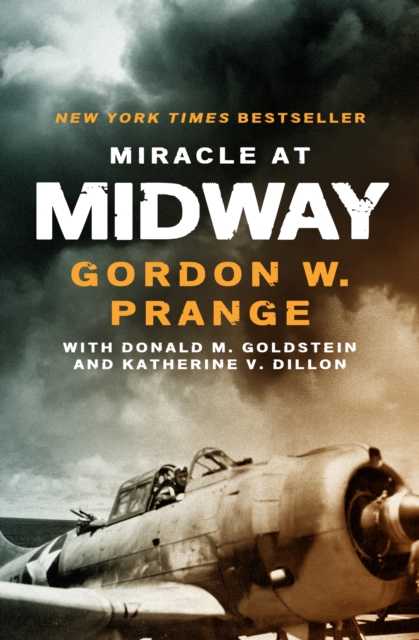
New York Times bestseller: The true story of the WWII naval battle portrayed in the Roland Emmerich film is "e;something special among war histories"e; (Chicago Sun-Times).
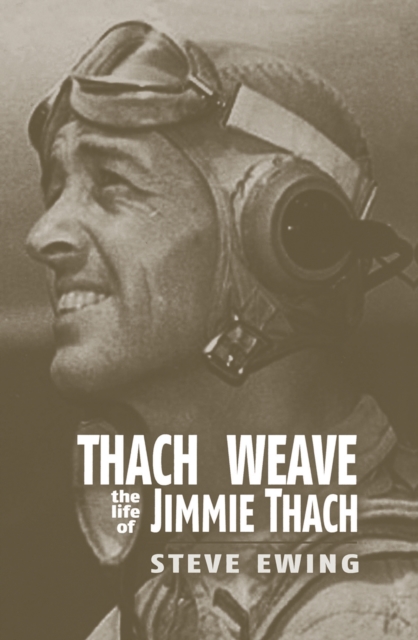
This biography completes a trilogy on the three Navy fighter pilots-Jimmie Thach, Butch O'Hare, and Jimmy Flatley-who developed sweeping changes in aerial combat tactics during World War II.