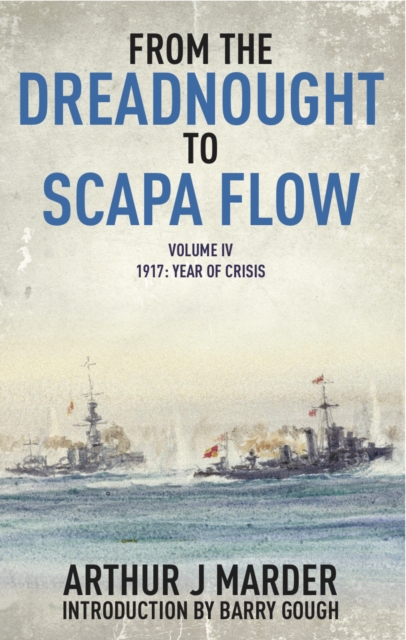
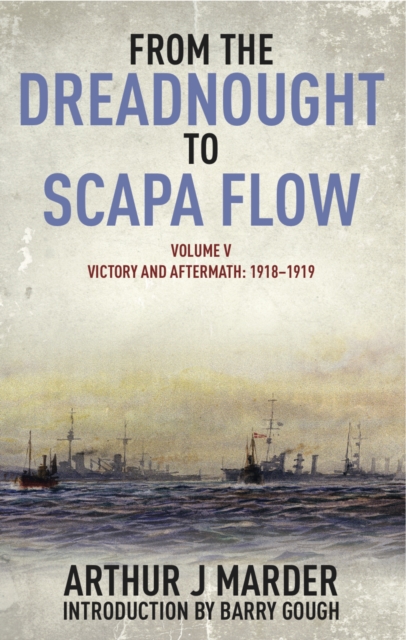
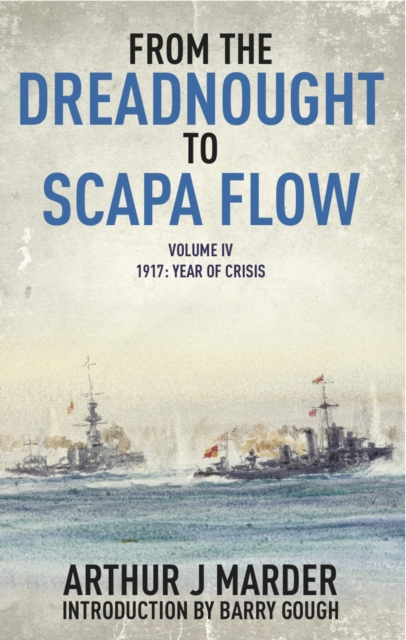
The five volumes that constitute Arthur Marder's From the Dreadnought to Scapa Flow represented arguably the finest contribution to the literature of naval history since Alfred Mahan.
The five volumes that constitute Arthur Marder's From the Dreadnought to Scapa Flow represented arguably the finest contribution to the literature of naval history since Alfred Mahan.
The five volumes that constitute Arthur Marder's From the Dreadnought to Scapa Flow represented arguably the finest contribution to the literature of naval history since Alfred Mahan.
The five volumes that constitute Arthur Marder's From the Dreadnought to Scapa Flow represented arguably the finest contribution to the literature of naval history since Alfred Mahan.
The five volumes that constitute Arthur Marder's From the Dreadnought to Scapa Flow represented arguably the finest contribution to the literature of naval history since Alfred Mahan.
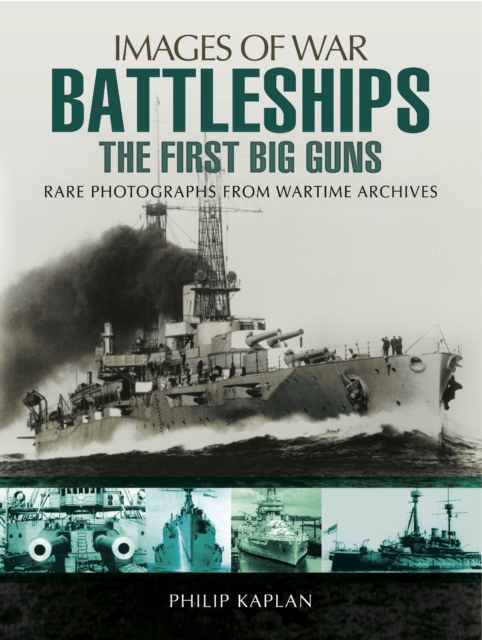
This new addition to the Images of War series takes as its focus the early Big Gun battleships that saw development and deployment during the First World War.
This new addition to the Images of War series takes as its focus the early Big Gun battleships that saw development and deployment during the First World War.
Above the Waves is the history of the first century of British Naval aviation, with personal accounts adding color to the achievements both in technology, such as angled flight decks, mirror deck landing systems, helicopter assault and vertical take-off, and in operations, including the sinking of the Konigsberg and the daring attack on the Italian fleet at Taranto, convoy protection, operations with the United States Navy in the Pacific, then, post-war, Suez, and later the recovery of the Falklands from Argentine invasion.
This WWII pictorial history of Russia's tanks and armored fighting vehicles provides a vivid look at the Eastern Front through rare wartime photographs.
This WWII pictorial history of Russia's tanks and armored fighting vehicles provides a vivid look at the Eastern Front through rare wartime photographs.
The third volume of this four-part series on Operation 'Market-Garden' in September 1944 draws on many individual soldiers and airmen's narratives to tell the story of the ongoing fight to keep the Hell's Highway' open to relieve 1st Airborne at Arnhem, and the brave attempts to re-supply them from the air.
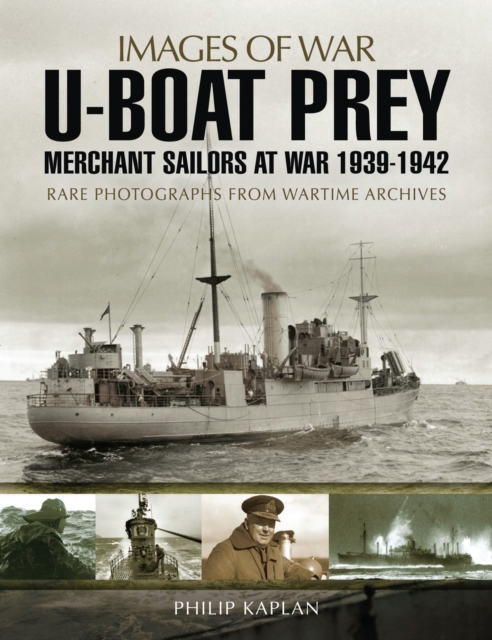
A naval historian reveals the full story of the HMS Jervis Bay and the merchant ships that valiantly saved lives during the WWII Battle of the Atlantic.
When the Wright Brothers made their first flight in the early years of the twentieth century it sparked the imagination of those who wanted to fly, both in their country and around the world.
A naval historian reveals the full story of the HMS Jervis Bay and the merchant ships that valiantly saved lives during the WWII Battle of the Atlantic.
The third volume of this four-part series on Operation 'Market-Garden' in September 1944 draws on many individual soldiers and airmen's narratives to tell the story of the ongoing fight to keep the Hell's Highway' open to relieve 1st Airborne at Arnhem, and the brave attempts to re-supply them from the air.
This fourth volume of a comprehensive five part work on D-Day covers every aspect of aerial operations on and behind the beaches at 'Omaha' and 'Utah' beaches on 6 June 1944.
Naval aviation arrived early in the last century in the form of balloons and airships employed by the British Royal Navy for reconnaissance, and interest was stirring in naval circles in a greater aeronautical capacity for the service.
This fourth volume of a comprehensive five part work on D-Day covers every aspect of aerial operations on and behind the beaches at 'Omaha' and 'Utah' beaches on 6 June 1944.
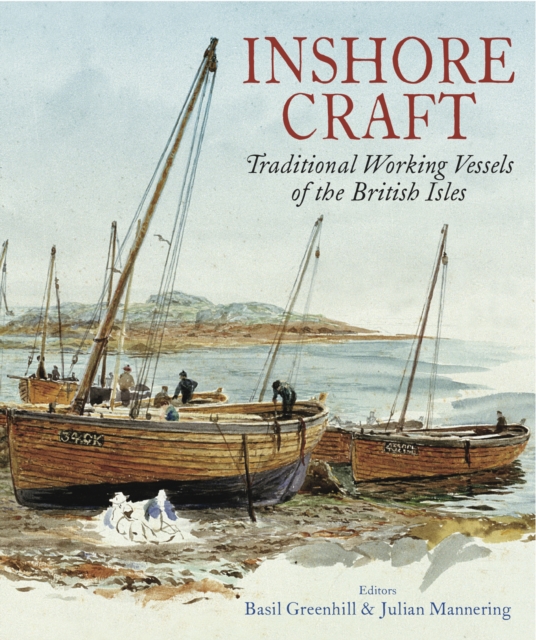
This comprehensive reference work describes and illustrates some 200 types of inshore craft that once fished and traded, under oar and sail, around the coasts of the British Isles.
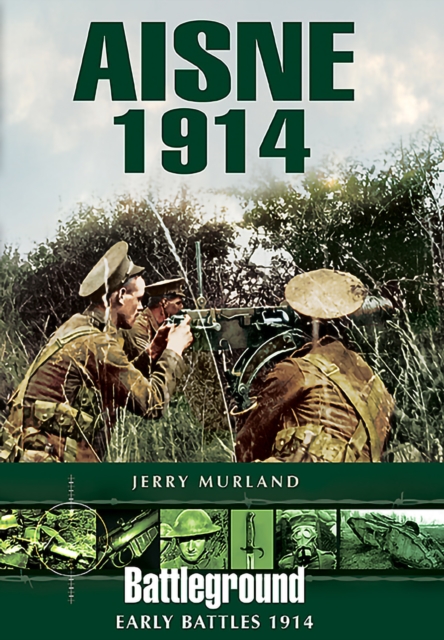
The 1914 Battle of the Aisne, officially from 12 15 September, came about as a result of the German retirement from the Battle of the Marne, which took place further south as the huge conscript armies of France and Germany jostled for position almost within sight of Paris.