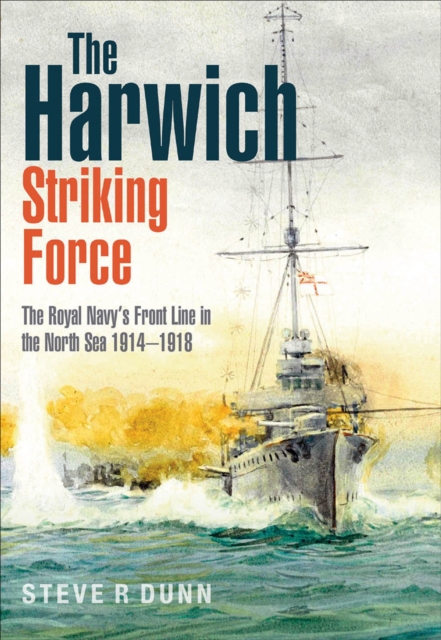
The Harwich Force has made its name and will not be forgotten during the future annals of history'; so said Rear Admiral Sir Reginald Tyrwhitt on Armistice Day 1918.
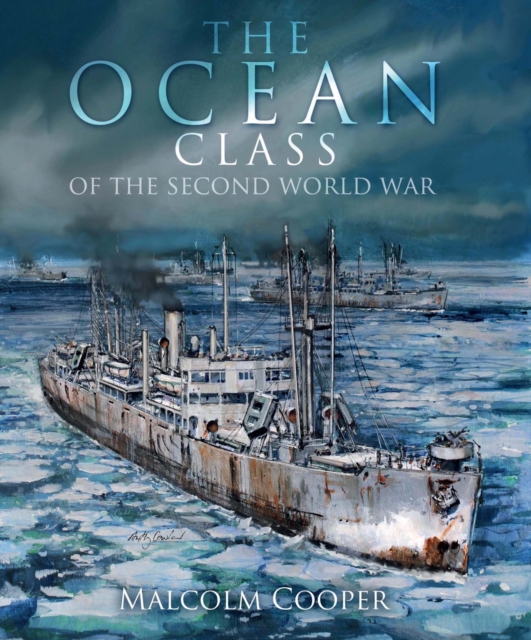
This new book tells the story of the Ocean class of standard cargo ships, their design, building, and careers, and the author places them firmly in the context of the battle of the Atlantic which was raging at the time of the first launchings.
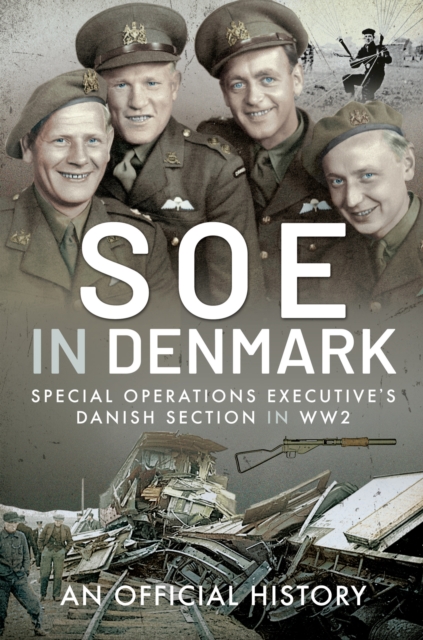
From a small number of clandestine activities against the German occupation of Denmark in 1940, a sophisticated resistance movement developed which by 1944, with the support of Special Operations Executive, had become a highly effective intelligence gathering and sabotage organisation.
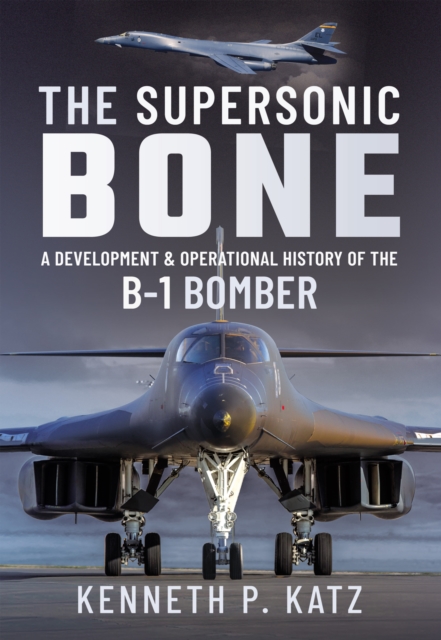
"e;This profusely illustrated and thoroughly researched book conveys a wealth of information"e; about the USAF's B-1 bomber (Aviation History Magazine).
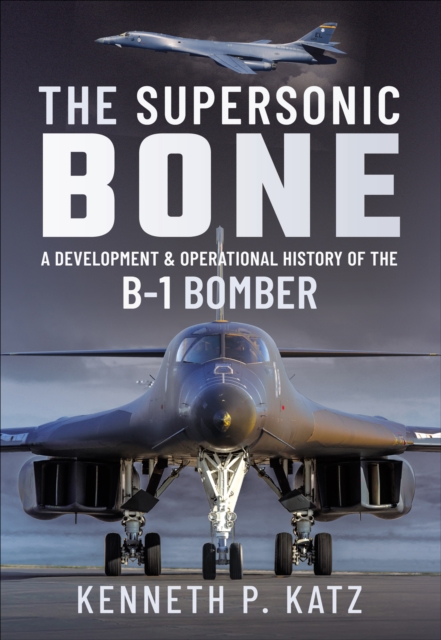
"e;This profusely illustrated and thoroughly researched book conveys a wealth of information"e; about the USAF's B-1 bomber (Aviation History Magazine).
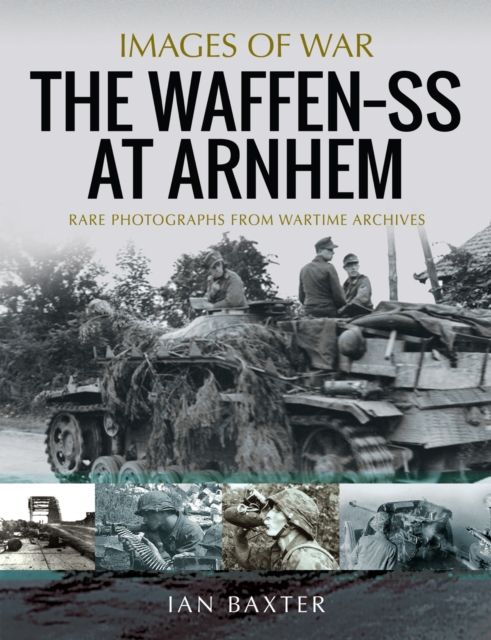
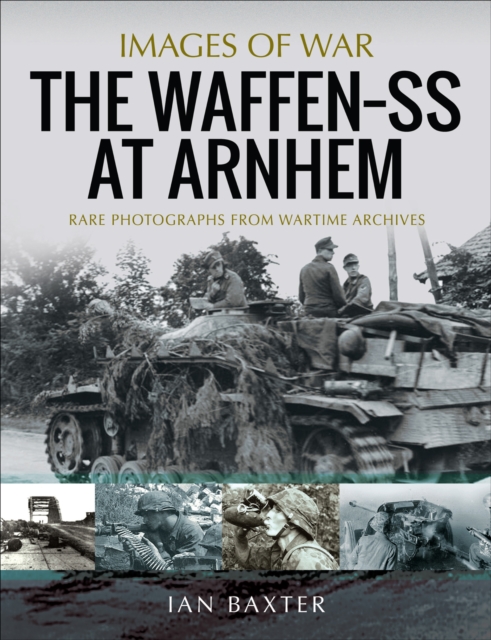
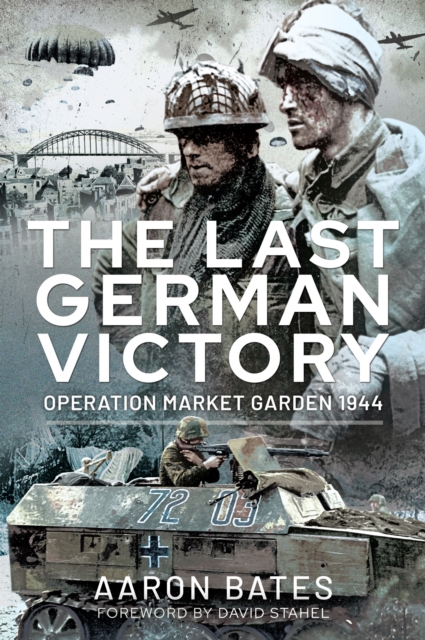
This pictorial WWII history examines the brutal Battle of Arnhem with particular focus on the SS units that fought the Allied push into the Netherlands.
This pictorial WWII history examines the brutal Battle of Arnhem with particular focus on the SS units that fought the Allied push into the Netherlands.
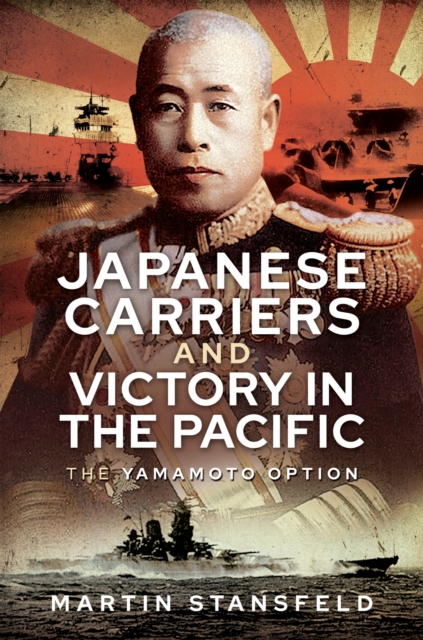
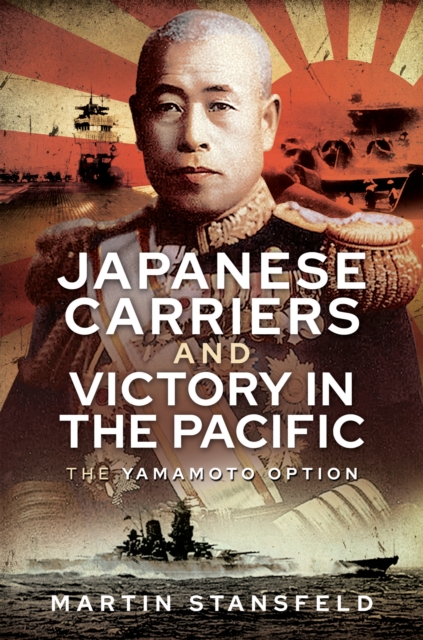
Japanese Carriers and Victory in the Pacific focuses on the pre-war debate between building a new generation of super-battleships or adopting aircraft carriers as the 'capital ships' of the future.
A fascinating what-might-have-been Pacific War scenario had Japan succeeded in doubling its carrier fleet by Pearl Harbor and sustained that production.
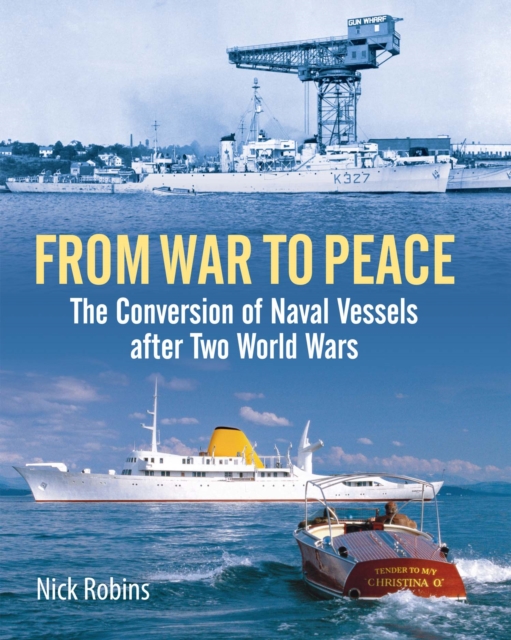
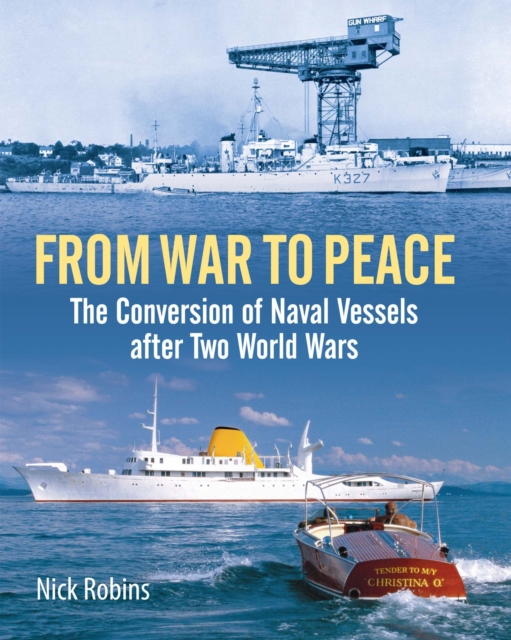
From War to Peace tells the story of the adaptation from White Ensign to Red Ensign, and to flags of other nations, of the numerous classes of naval ships mainly built during the two world wars and surplus to requirements with the advent of peace.
From War to Peace tells the story of the adaptation from White Ensign to Red Ensign, and to flags of other nations, of the numerous classes of naval ships mainly built during the two world wars and surplus to requirements with the advent of peace.
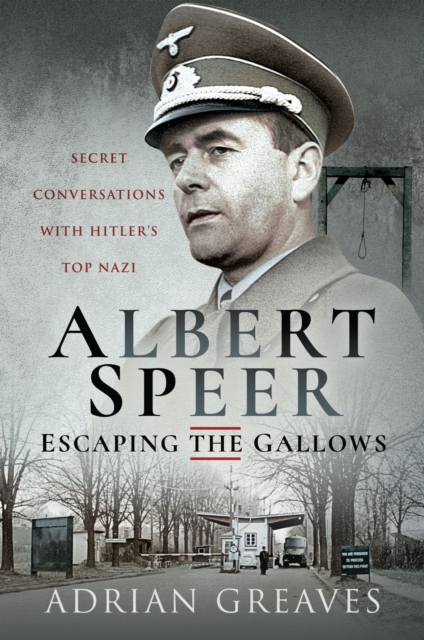
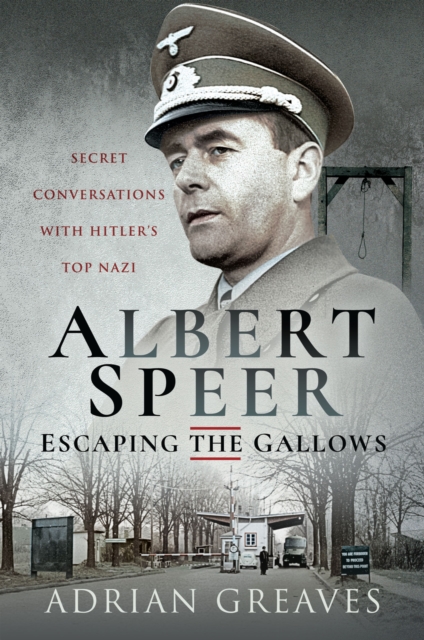
At the Nuremberg War Crimes Tribunal, Albert Speer, Hitler's one-time number two, persuaded the judges that he 'knew nothing' of the Holocaust and related atrocities.
At the Nuremberg War Crimes Tribunal, Albert Speer, Hitler's one-time number two, persuaded the judges that he 'knew nothing' of the Holocaust and related atrocities.
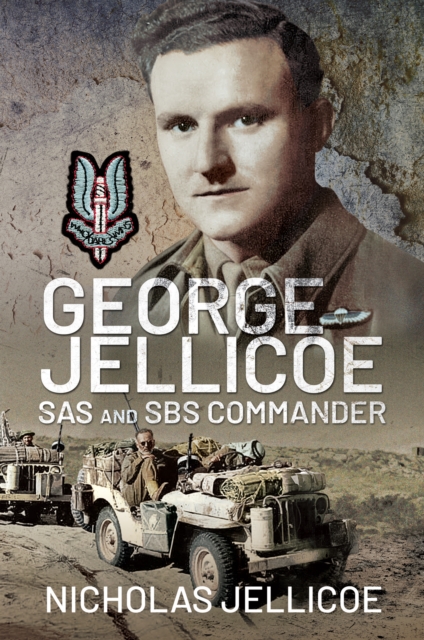
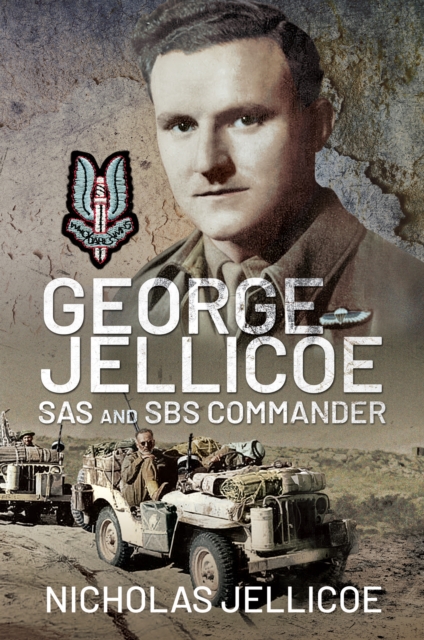
George Jellicoe, son of Admiral Sir John Jellicoe, commander of the British Grand Fleet at Jutland, was never compromised by his privileged upbringing.
George Jellicoe, son of Admiral Sir John Jellicoe, commander of the British Grand Fleet at Jutland, was never compromised by his privileged upbringing.
Finalist, 2022 Army Historical Foundation Distinguished Writing AwardsThe 614th Tank Destroyer Battalion was activated on 25 July 1942 at Camp Carson, USA and, like many other tank destroyer battalions, would be sent to Europe.
General Stilwell's ad hoc force of Merrill's Marauders, American-trained Chinese divisions, Kachin guerrillas and General Wingate's Chindits conducted a northern Burmese offensive that led to the coup de main seizure of Myitkyina's airfield in May 1944.
General Stilwell's ad hoc force of Merrill's Marauders, American-trained Chinese divisions, Kachin guerrillas and General Wingate's Chindits conducted a northern Burmese offensive that led to the coup de main seizure of Myitkyina's airfield in May 1944.
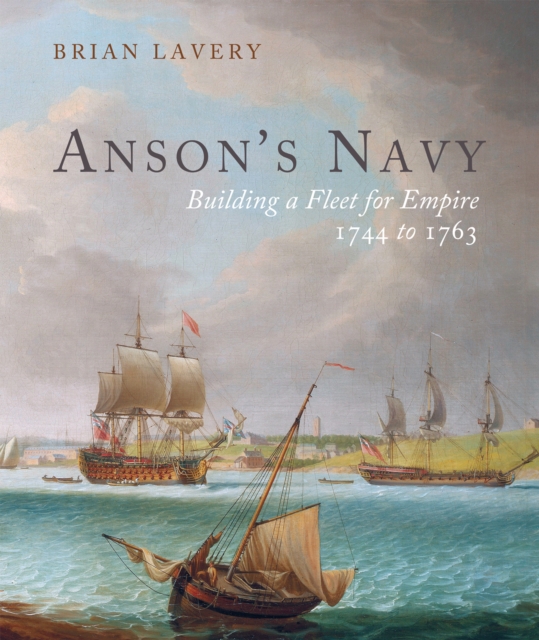
Despite a supreme belief in itself, the Royal Navy of the early eighteenth century was becoming over-confident and outdated, and it had more than its share of disasters and miscarriages including the devastating sickness in Admiral Hosier's fleet in 1727; failure at Cartagena, and an embarrassing action off Toulon in 1744\.
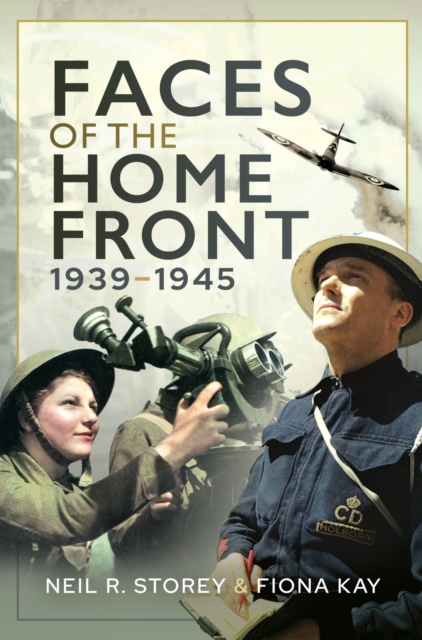
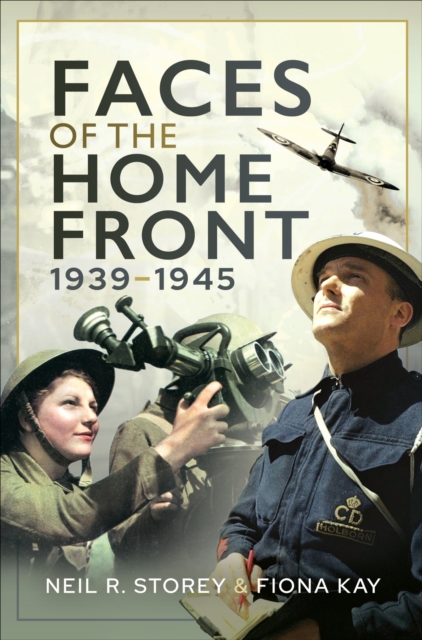
Faces of the Home Front presents a fascinating insight into the people, wartime organisations, events, life and work on the British Home Front during the Second World War.
An account of the lives of the British people and wartime organizations during WWII, with photographs and remembrances from the author's personal archives.
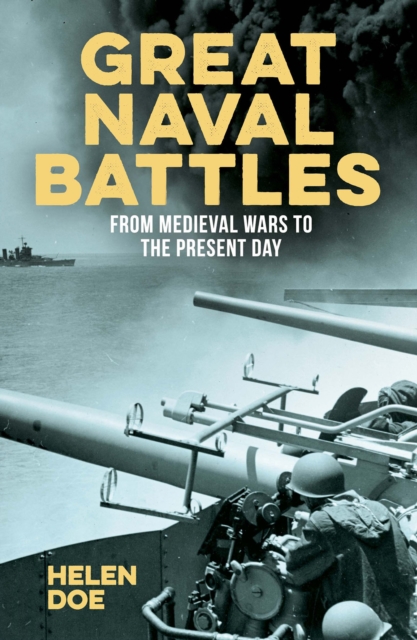
This book recalls 50 of the greatest naval battles to have been fought since medieval times, examining why they took place, who was in command and what impact they had on both the victors and the losers.