A widespread policy prescription among defense experts of the Atlantic Alliance is the strengthening of conventional forces to reduce dependence on the early use of nuclear weapons in the event of Soviet aggression.
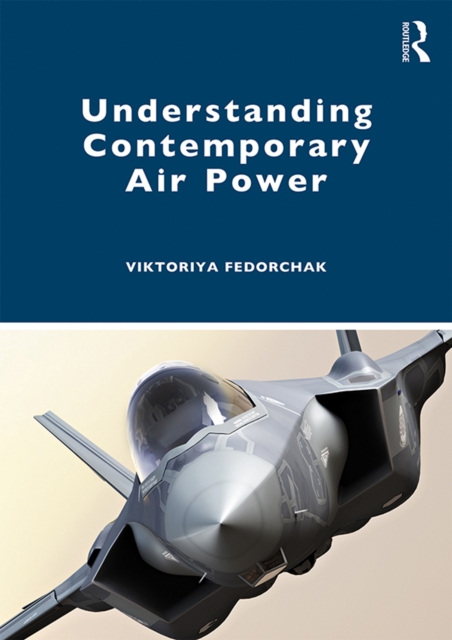
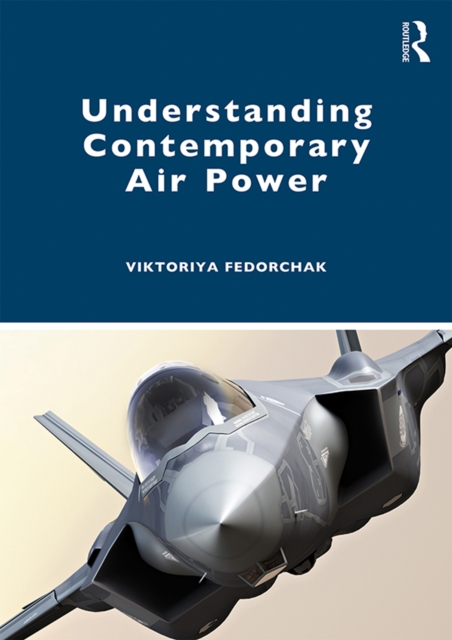
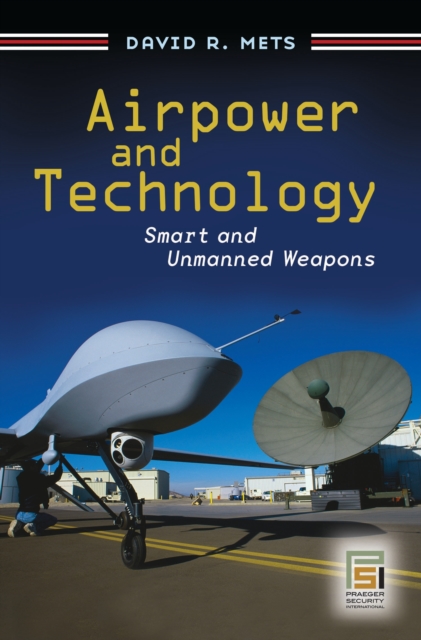
This book aims to explain air power to both military and civilian audiences in an accessible manner, approaching the topic in a balanced and systematic way.
This book aims to explain air power to both military and civilian audiences in an accessible manner, approaching the topic in a balanced and systematic way.
This Whitehall Paper explores the ways in which Mogadishus inhabitants try to stay out of harms way, from security officials in the presidential compound of Villa Somalia to the citys powerful district commissioners, from patrolling policemen to the women road-sweepers in the rubbish-filled alleyways of the Waberi district.
This Whitehall Paper explores the ways in which Mogadishus inhabitants try to stay out of harms way, from security officials in the presidential compound of Villa Somalia to the citys powerful district commissioners, from patrolling policemen to the women road-sweepers in the rubbish-filled alleyways of the Waberi district.
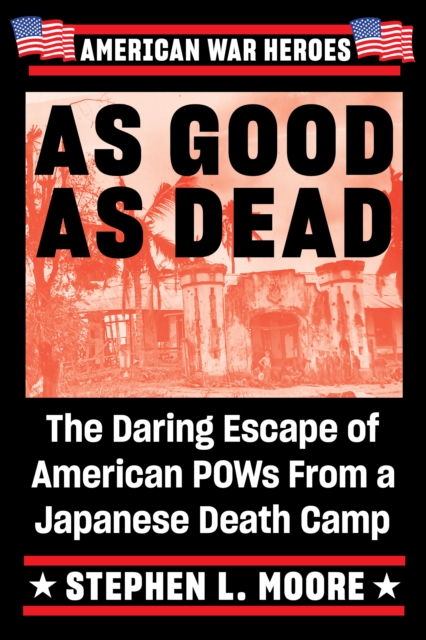
“[A] truly uplifting tale of deliverance from certain death… a deeply personal read, in which the reader is drawn into the highs and lows of the action, the tragedy and the salvation, because Moore has so successfully drawn out the characters….
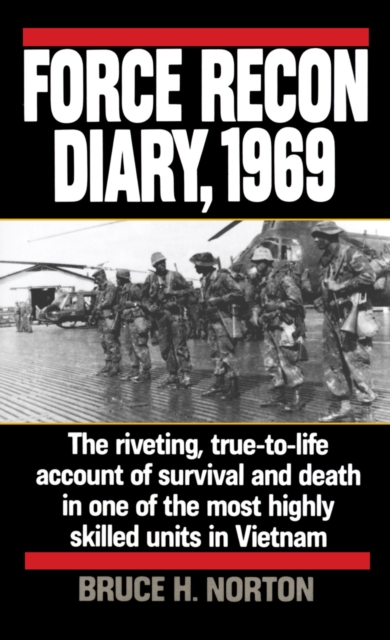
The riveting, true-to-life account of survival, heroism and death in the elite Marine 3d Force Recon unit, one of one two Marine units to receive the Valorous Unit Citation during the Vietnam War.
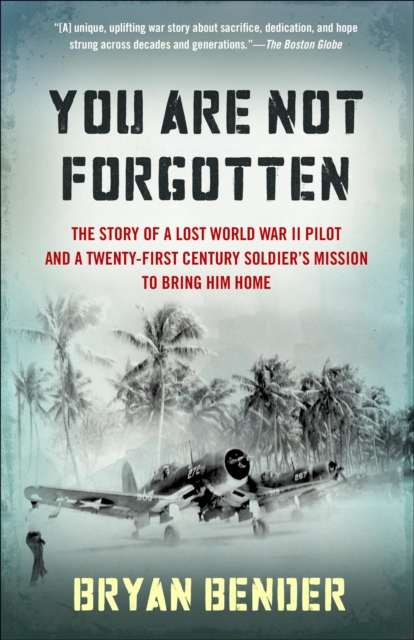
An inspiring and epic tale of loss and redemption about two American servicemen: a Marine Corps pilot who was shot down in WWII and the modern-day soldier determined to bring home his remains six decades later
Major George Eyster V comes from a long line of military officers, dating back to the Revolutionary War.
A groundbreaking history that considers the attack on Pearl Harbor from the Japanese perspective and is certain to revolutionize how we think of the war in the Pacific.
'A brilliant tour-de-force' - Times Literary SupplementBomber Command is acclaimed historian Sir Max Hastings' compelling account of one of the most controversial struggles of the Second World War.
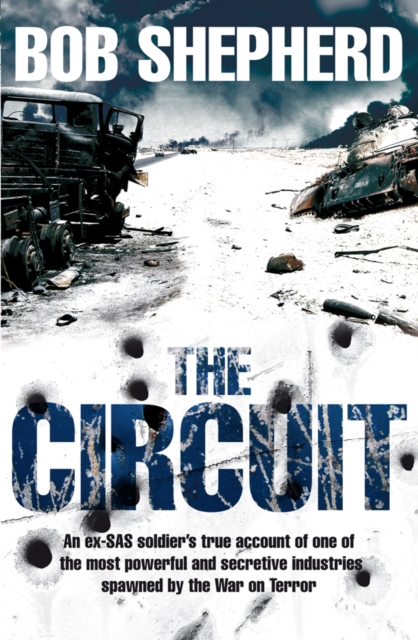
After nearly twenty years of SAS operations, including a never before published role in the infamous Bravo Two Zero patrol, Bob Shepherd retired from the military to work as an advisor on the international commercial security circuit.
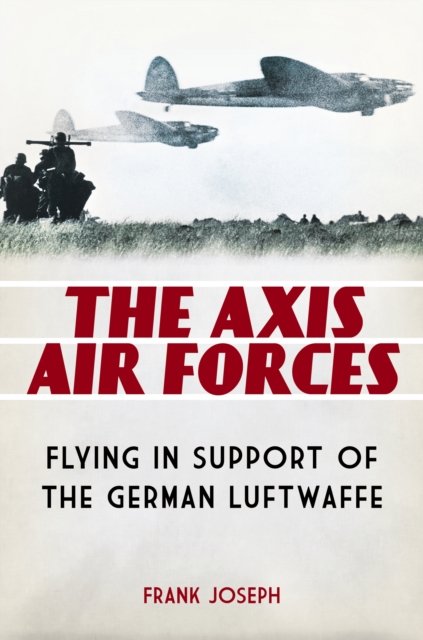
This comprehensive volume tells the rarely recounted stories of the numerous foreign air forces that supported the German Luftwaffe as part of the Axis' quest to dominate the European and Pacific theaters-a highly compelling and often overlooked chapter of World War II history.
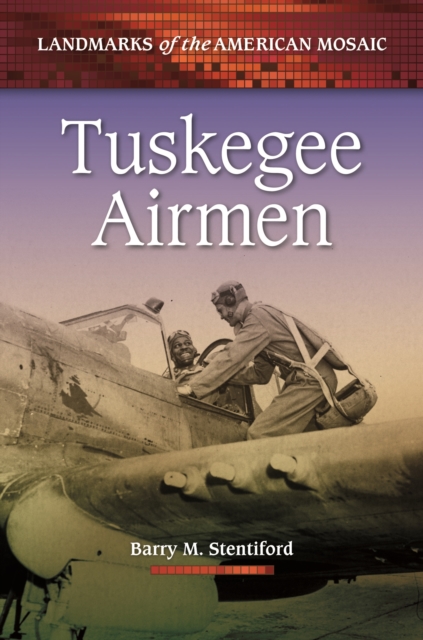
This poignant history of the Tuskegee Airmen separates myth and legend from fact, placing them within the context of the growth of American airpower and the early stirrings of the African American Civil Rights Movement.
When the United States entered the Great War in April of 1917, there were few officers with any staff training, and none had actually served on large, complex staffs in combat.
Major General Smedley Darlington Butler was a maverick Marine, the emblem of the old corps, and one of the most controversial figures in Marine history.
This extensive examination of the Kurdish conflict in Turkey, Iraq, Germany, and the EU focuses on the history and development of the Kurdish Workers Party (PKK) and its impact on transnational security, human rights, and democratization.
Strategy for Victory: The Development of British Tactical Air Power, 1919-1943 examines the nature of the inter-Service crisis between the British Army and the RAF over the provision of effective air support for the army in the Second World War.
This handbook examines the militarization of space, providing a fair and balanced discussion of the emerging issues concerning space security and defense.
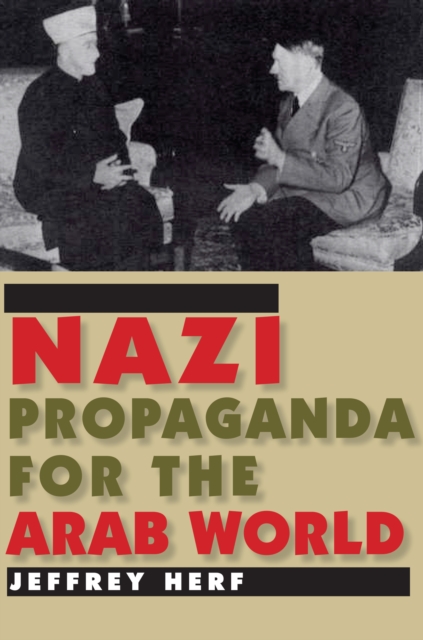
This groundbreaking history connects Nazi Germany's Arabic-language propaganda during World War II to anti-Semitism in the Middle East in the decades since.
The Senoi Praaq is a Malaysian special forces unit originally created in 1956 by the British colonial authorities to fight communism during the Malayan Emergency.
Faced with severe budgetary constraints, a radically reduced force structure, and a crippling intellectual dogmatism, the American Infantry struggled throughout the interwar years to modernize its doctrine.
From riverine operations in the American Civil War and China in the 1860s to the major fleet engagements of the World Wars, plus more recent naval actions in the Falklands/Malvenas War and Gulf War, Lindberg and Todd methodically show how geography has shaped the strategy, tactics, and tools of naval warfare.
It is 1966, the war is escalating, and a young Air Force Academy graduate's assignment is to patrol unfriendly territory with six-man hunter-killer teams.
This book is the only full-scale account of the strategic air offensive against Germany published in the last twenty years, and is the only one that treats the British and the Americans with parity.
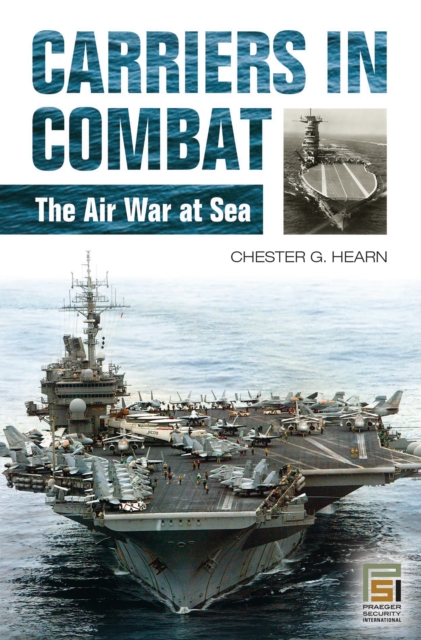
Since World War II, there have been no engagements between carrier air groups, but flattops have been prominent and essential in every war, skirmish, or terrorist act that could be struck from planes at sea.
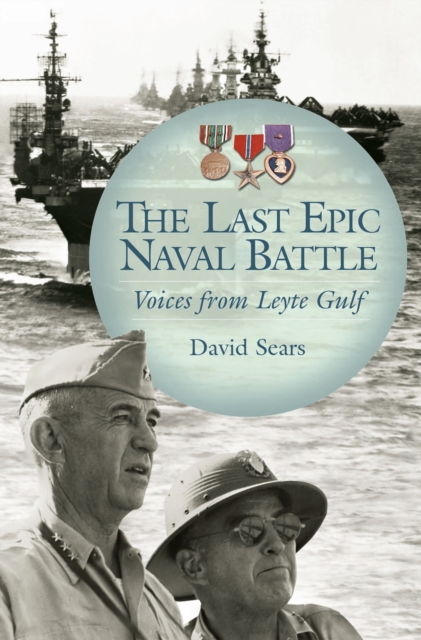
Often overshadowed by other Pacific War engagements such as Midway or Guadalcanal, the Battle of Leyte Gulf was characterized by some of the most gallant hours in seagoing history: the U.
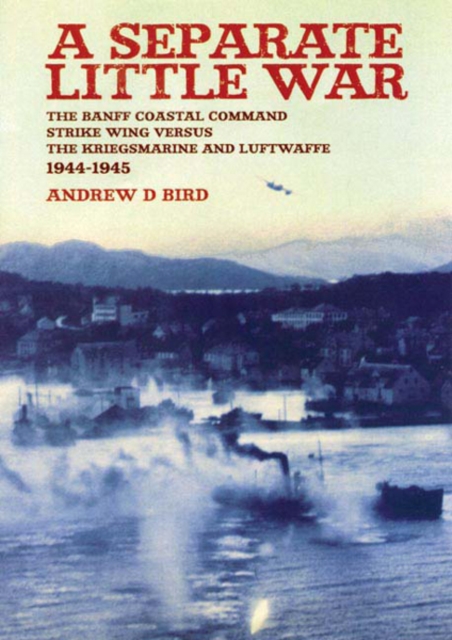
Every day for nine months from September 1944 to the end of the war, young British, Commonwealth and Norwegian airmen flew from Banff aerodrome in northern Scotland in their Mosquitoes and Beaufighters to target the German U-Boats, merchantmen and freighters plying along the coast and in the fjords and leads of southwest Norway, encountering the Luftwaffe and flakships every step of the way.
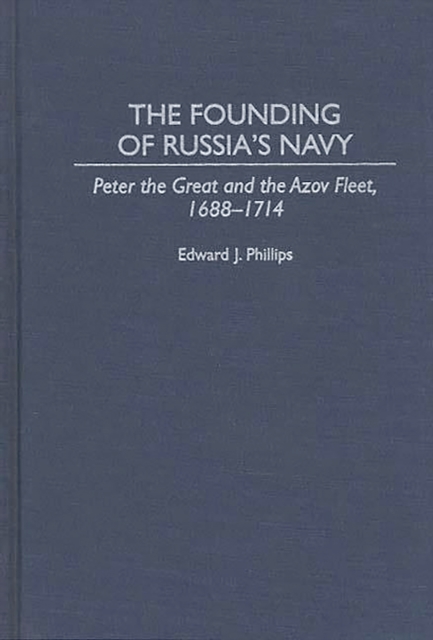
The reign of Peter the Great (1682-1725), long regarded as the turning point in the Europeanization of Russia, witnessed the establishment of Russia's first modern navy, the Azov Sea fleet.