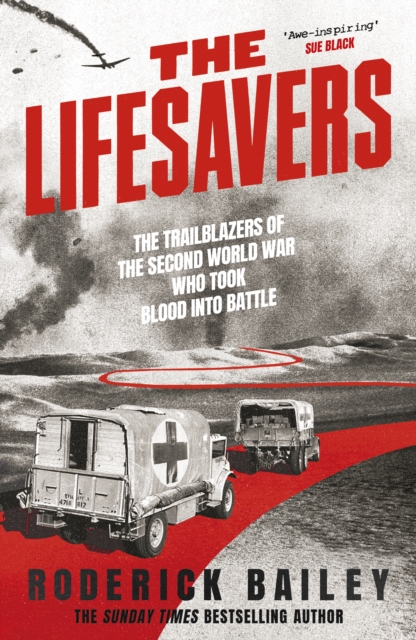
A remarkable true story about saving life in wartime, not taking it'War is often described in terms of blood and treasure The Lifesavers tells the story of the people who saw blood as treasure.
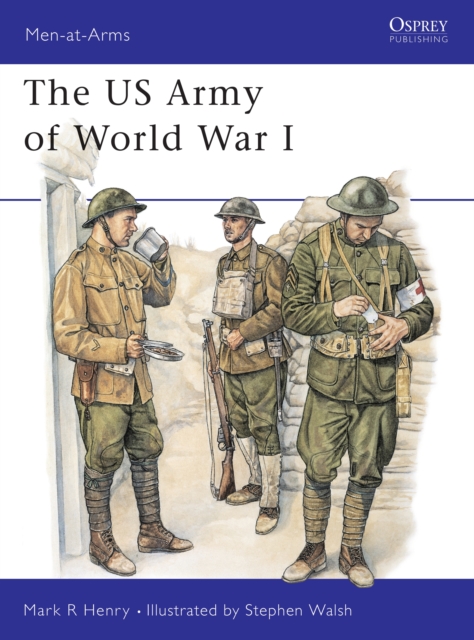
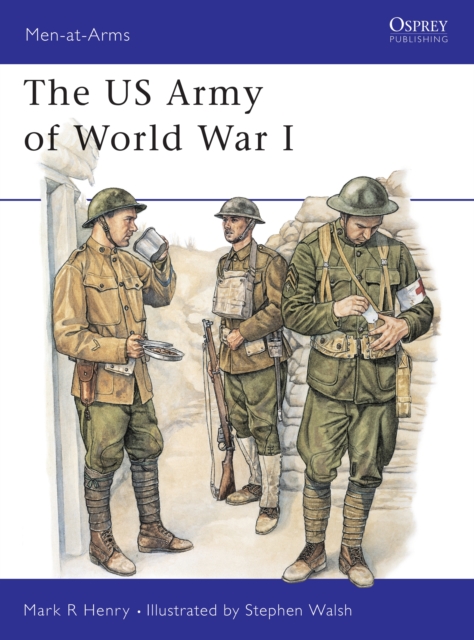
When the USA entered World War I in April 1917 her Regular Army counted just 128,000 men and lacked all the necessary equipment and training for modern trench warfare.
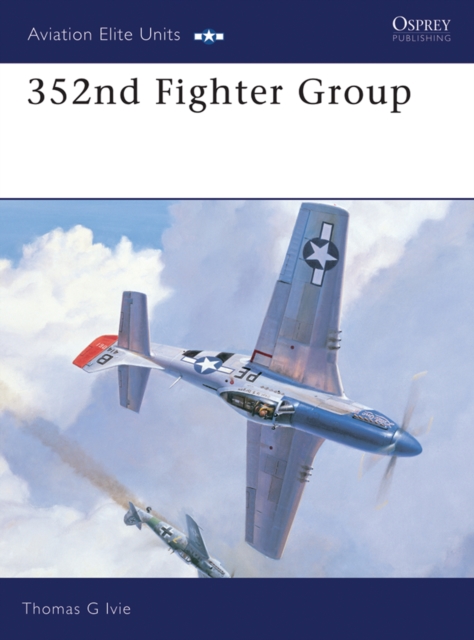
Nicknamed the 'Bluenosed Bastards of Bodney' due to the garish all-blue noses of their P-51s, the 352nd FG was one of the most successful fighter groups in the Eighth Air Force.
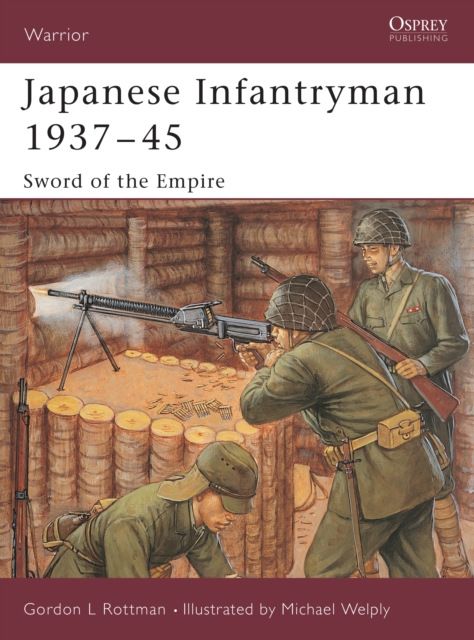
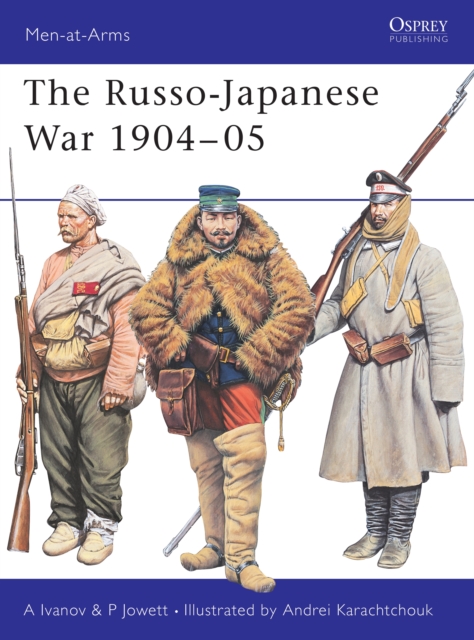
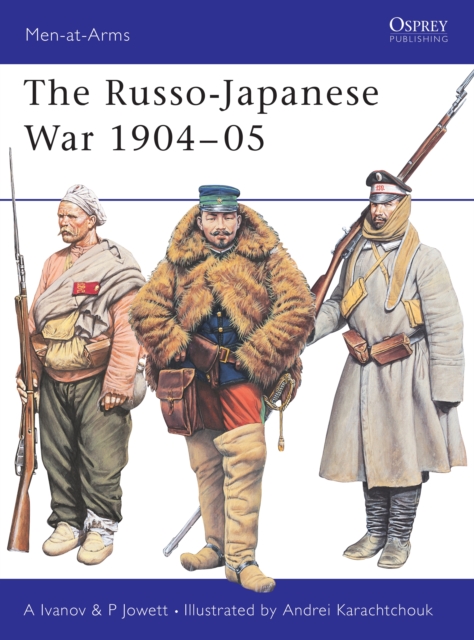
The Russo-Japanese War in Manchuria was the first 20th century conflict fought between the regular armies of major powers, employing the most modern means machine guns, trench warfare, minefields and telephone communications.
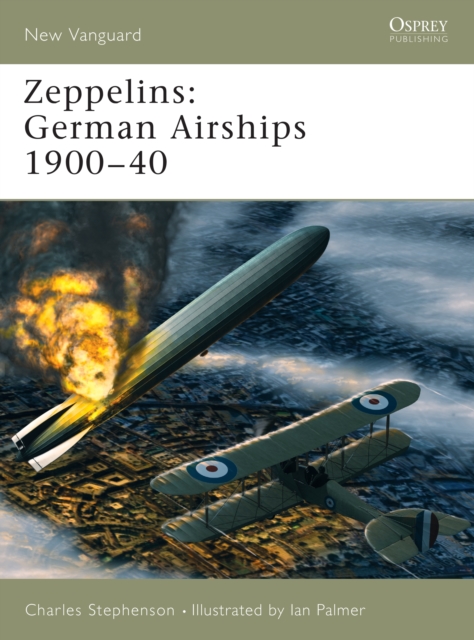
On 2 July 1900 the people of Friedrichshafen, Germany, witnessed a momentous occasion - the first flight of LZ 1, Count Ferdinand von Zeppelin's first airship.
The origins of what would become the German General Staff of the late 19th and 20th centuries - probably the most professional military machine in the world - can be traced to the Prussian Army of the French Revolutionary and Napoleonic Wars.
The first book to address the subject of German paratroopers for the figure modeller, this detailed guide covers painting, superdetailing, and conversion techniques from simple to advanced.
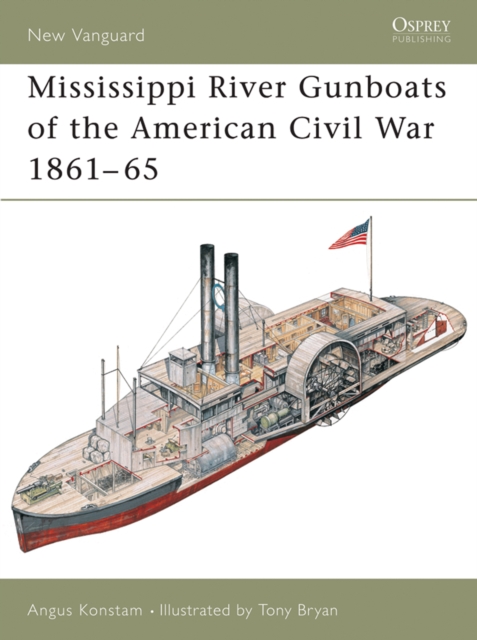
At the start of the American Civil War, neither side had warships on the Mississippi River and in the first few months both sides scrambled to gather a flotilla, converting existing riverboats for naval use.
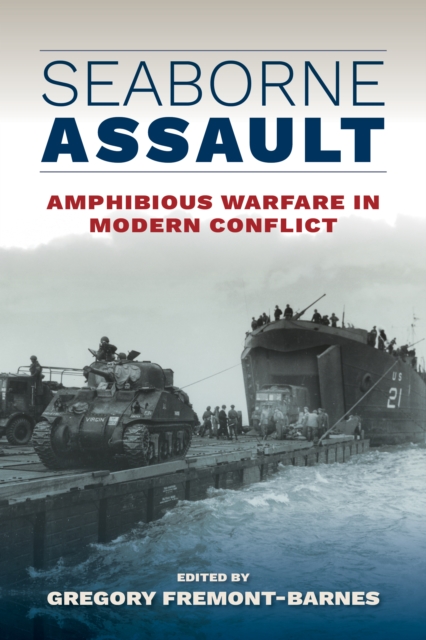
Seaborne Assault offers a comprehensive study of amphibious operations, showcasing their challenges and strategic importance through case studies of twentieth-century conflicts.
Seaborne Assault offers a comprehensive study of amphibious operations, showcasing their challenges and strategic importance through case studies of twentieth-century conflicts.
One womans extraordinary personal journey in the US military and her triumphant effort to honor her predecessors with the Congressional Gold Medal Looking back on her remarkable career, Retired Army Colonel Edna W.
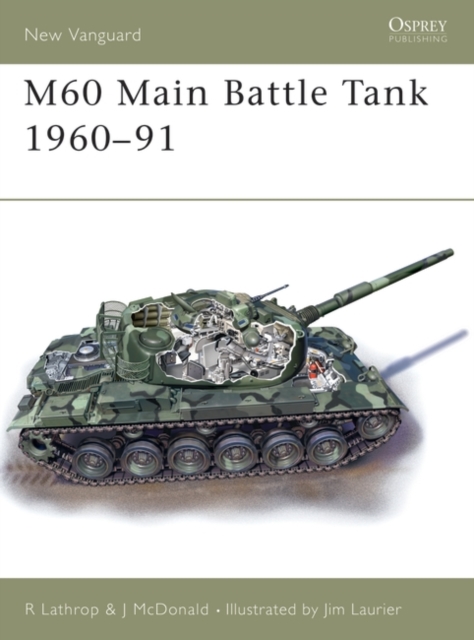
Entering service in the early 1960s, the M60 tank was in production for 23 years and formed the backbone of US Army and Marine armoured units during the Cold War.
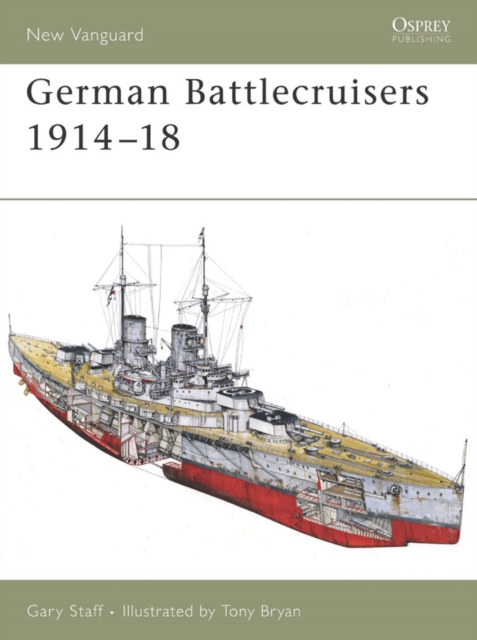
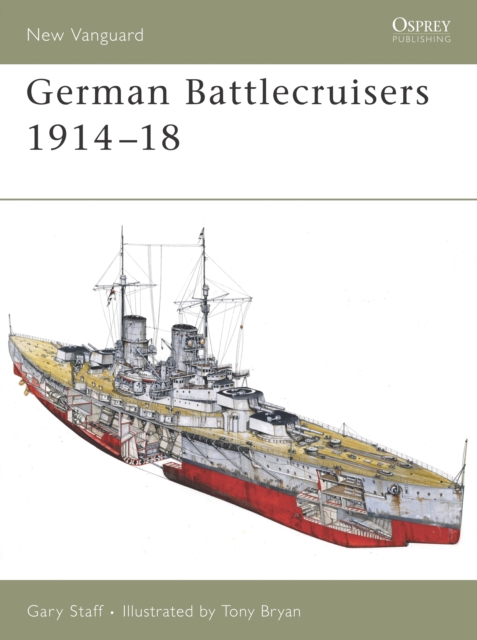
The task of Germany's new Gro e Kreuzer at the beginning of the 20th century was to form an independent reconnaissance division that was able to perform special tasks.
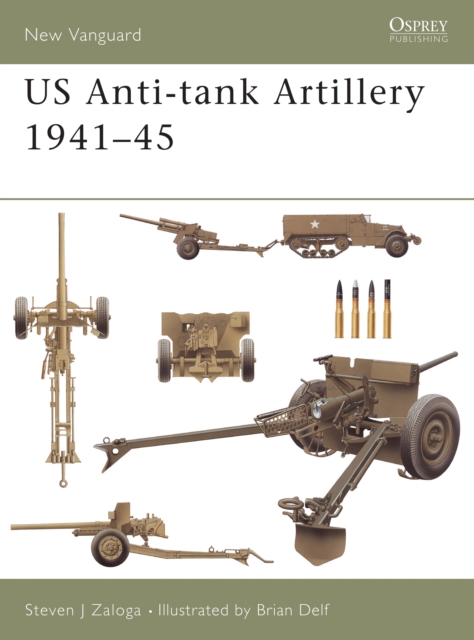
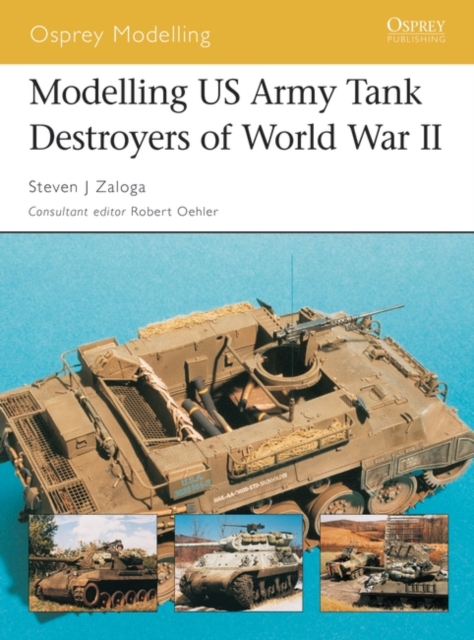
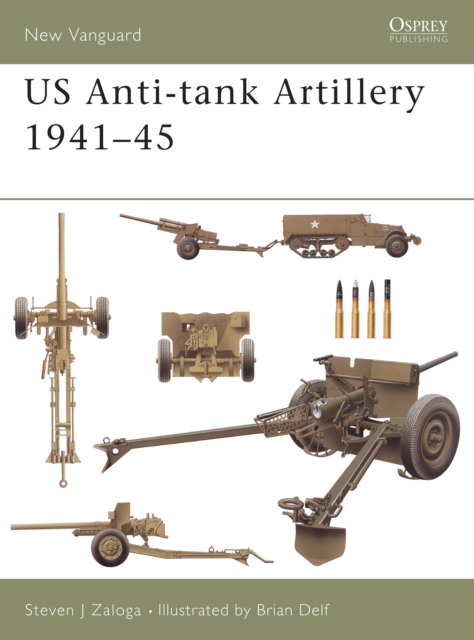
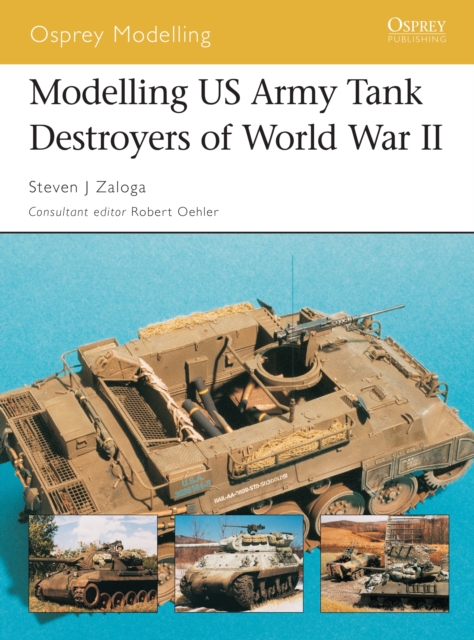
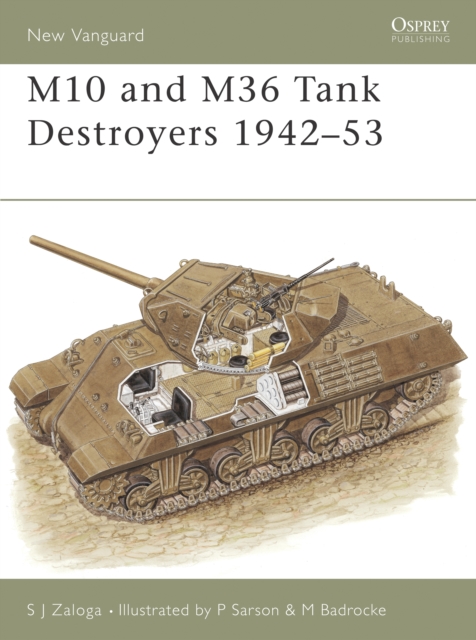
Tank destroyers were the US Army's response to blitzkrieg, and were based around the concept of mounting a large anti-tank gun on a light, fast moving vehicle.
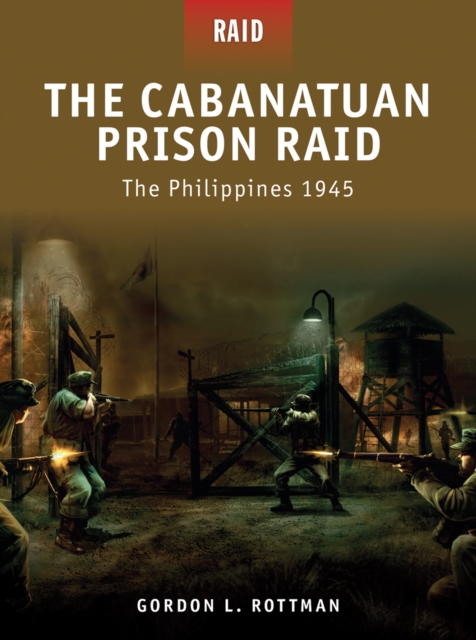
On 27 January 1945 the 6th Ranger Battalion and the 6th Army Special Reconnaissance Unit (the Alamo Scouts) began the most dangerous and important mission of their careers: to rescue 500 American, British and Dutch prisoners-of-war held at a camp near Cabanatuan.
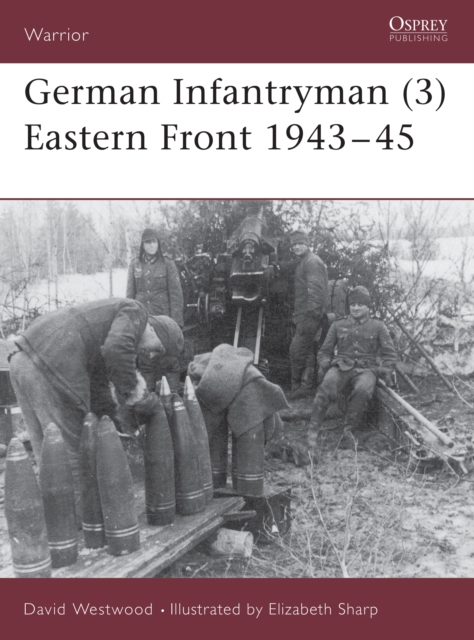
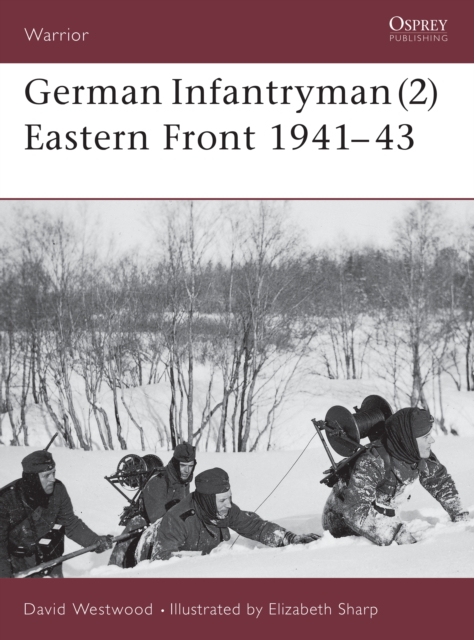
The second volume examining the German infantryman before and during World War 2, focusing on post-1941 training, weapons, equipment, combat experiences and medical care.
Tank destroyers were the US Army's response to blitzkrieg, and were based around the concept of mounting a large anti-tank gun on a light, fast moving vehicle.
The Russo-Japanese War in Manchuria was the first 20th century conflict fought between the regular armies of major powers, employing the most modern means machine guns, trench warfare, minefields and telephone communications.
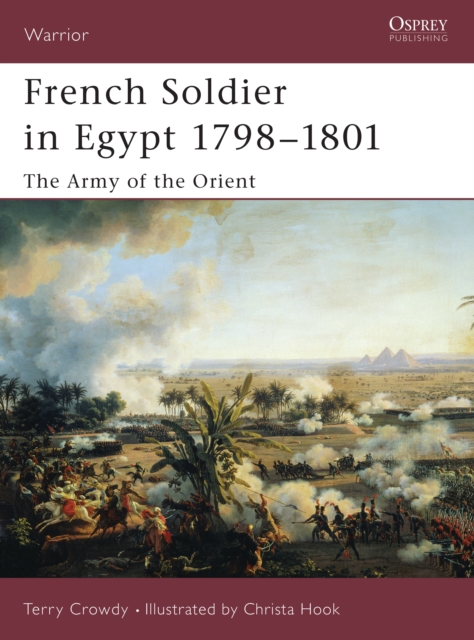
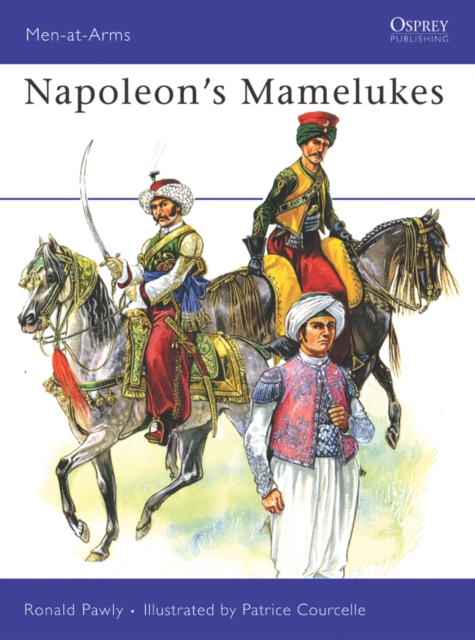
A key part of Napoleon's Imperial Guard were undoubtedly the Mamelukes the bodyguard of Turkish cavalry which remained with his Mounted Chasseurs regiment throughout the First Empire.
This book explores the main patterns of Waffen-SS camouflage and dress and describes how to achieve these finishes in clear, step-by-step instructions.
When the USA entered World War I in April 1917 her Regular Army counted just 128,000 men and lacked all the necessary equipment and training for modern trench warfare.
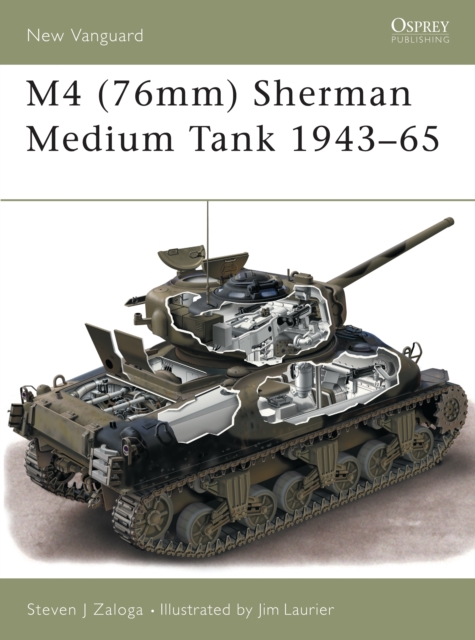
The US Army had a unique tactical doctrine during World War II - placing the emphasis for tank fighting on its Tank Destroyer Command whose main early-war vehicle was the M10 3-inch Gun Motor Carriage, based on the reliable M4A2 Sherman tank chassis.
The task of Germany's new Gro e Kreuzer at the beginning of the 20th century was to form an independent reconnaissance division that was able to perform special tasks.