Calling the Combined Chiefs of Staff the glue that held the British-American alliance together in World War II, David Rigby describes the vital contributions to Allied victory made by the organization, which drew its members from the U.
A major work by one of Japan's leading naval historians, this book traces Alfred Thayer Mahan's influence on Japan's rise as a sea power after the publication of his classic study, The Influence of Sea Power Upon History.
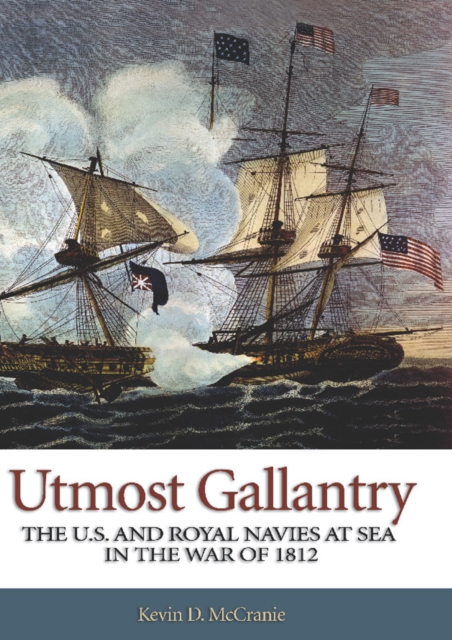
Focusing on the oceanic war rather than the war in the Great Lakes, this study charts the War of 1812 from the perspectives of the two opposing navies at seaone of the largest fleets in the world and a small, upstart navy just three decades old.
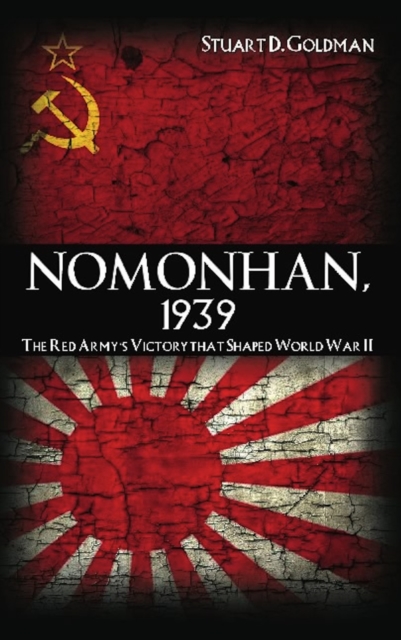
Stuart Goldman convincingly argues that a little-known, but intense Soviet-Japanese conflict along the Manchurian-Mongolian frontier at Nomonhan influenced the outbreak of World War II and shaped the course of the war.
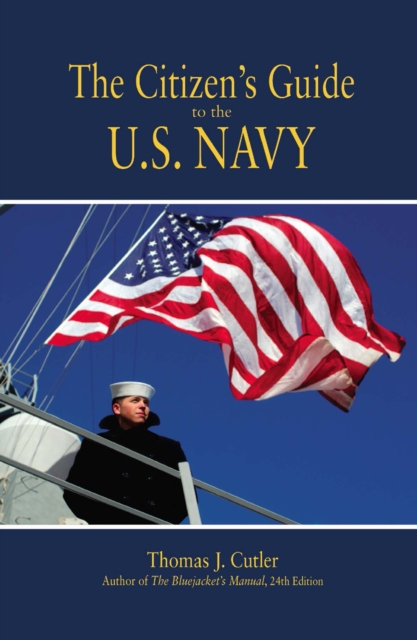
Today's Navy is a massive and complex organization, with hundreds of ships, thousands of aircraft, hundreds of thousands of people, and an annual budget in the billions of dollars that make the U.
One Marine's War recounts the experiences of Robert Sheeks, a Marine combat interpreter, and how he underwent a remarkable transformation as a consequence of his encounters with the Imperial Japanese Army, Nisei Japanese-American language instructors, Japanese and Pacific Island native civilians, and American Marines.
Gibraltar has been one of Great Britain's most legendary fortresses since its capture from Spain in 1704 and its strategic location as the gatekeeper of the Mediterranean Sea has given it a commanding position in the history of Modern Britain and in the history of the region.
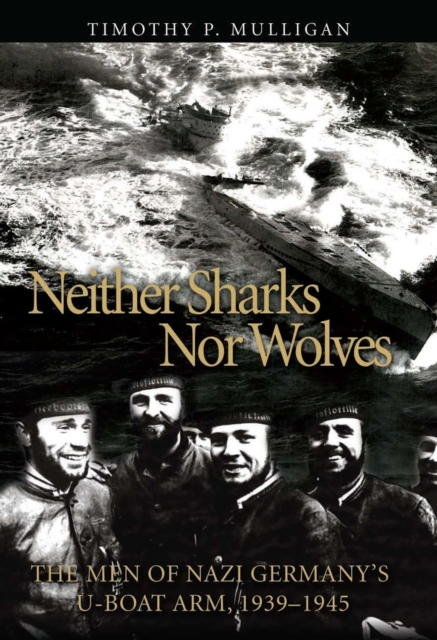
Although countless books have been written about the U-boat war in the Atlantic, precious few facts have come to light about the men who served in the submarines that wrought such havoc on Allied ships.
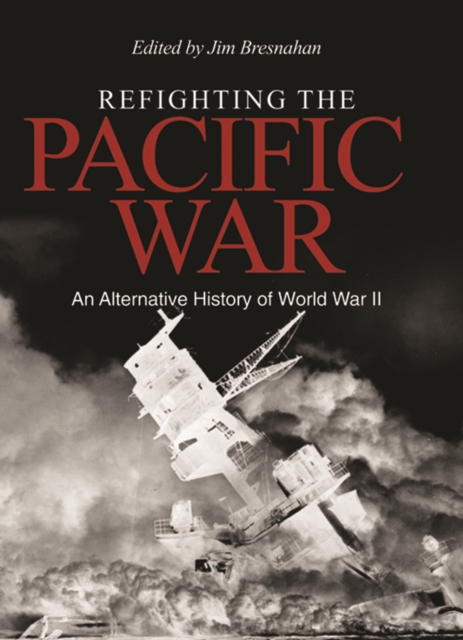
Refighting the Pacific War looks at how World War II in the Pacific might have unfolded differently, giving historians, authors and veterans the opportunity to discuss what happened and what might have happened.
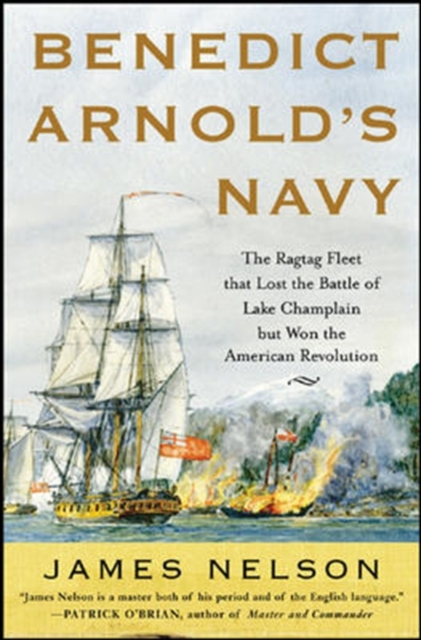
An epic story of one man's devotion to the American causeIn October 1776, four years before Benedict Arnold s treasonous attempt to hand control of the Hudson River to the British, his patch-work fleet on Lake Champlain was all that stood between British forces and a swift end to the American rebellion.
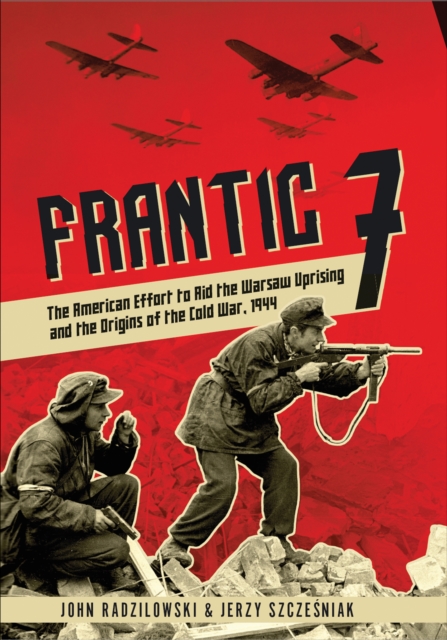
An "e;amazingly detailed"e; and "e;inspiring"e; account of the only daytime air expedition to help Polish freedom fighters during World War II (Books Monthly).
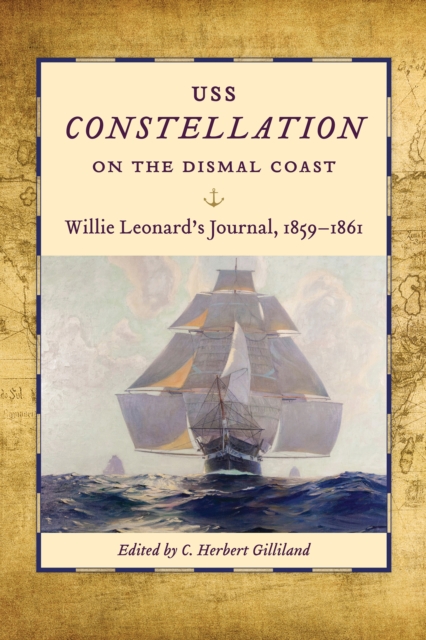
This seaman's journal recounts a twenty-month voyage from Boston to the African coast to intercept slave-trading vessels as America approach the Civil War.
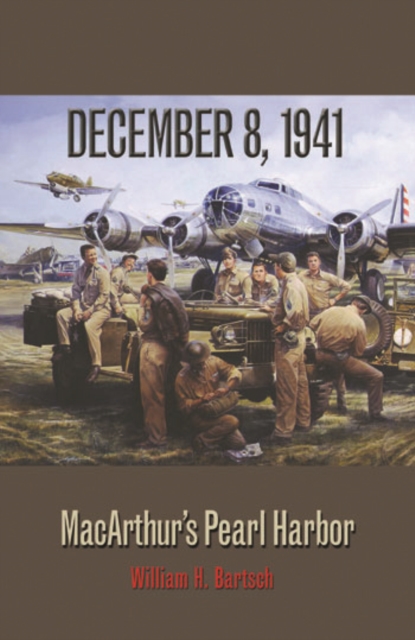
Ten hours after the attack on Pearl Harbor, another Pearl Harbor of even more devastating consequence for American arms occurred in the Philippines, 4,500 miles to the west.
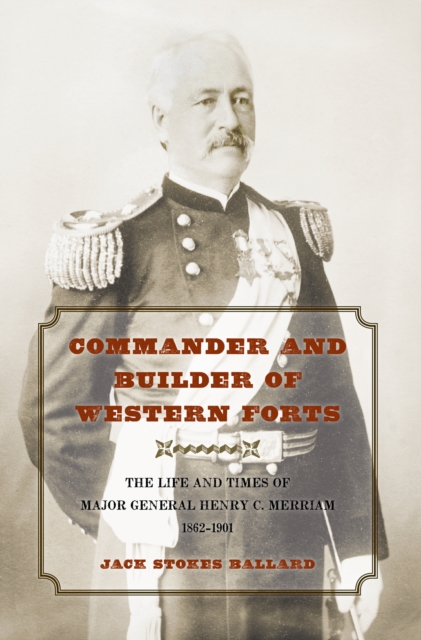
During histhirty-eight-year career as a military officer, Henry Clay Merriam received the Medal of Honor for his service in the Civil War, rose to prominence in the Western army, and exerted significant influence on the American West by establishing military posts, protecting rail lines, and maintaining an uneasy peace between settlers and Indians.
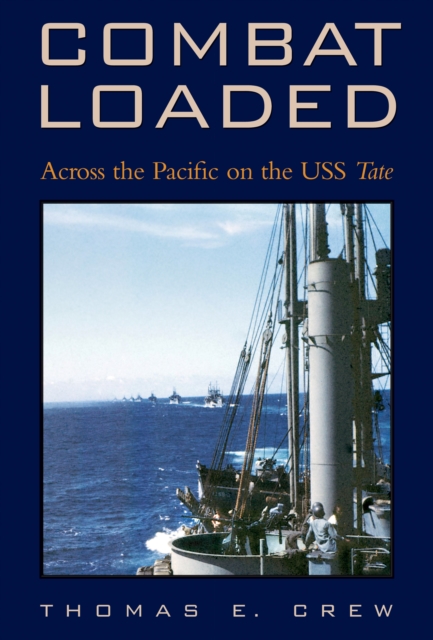
The first authoritative history of any of the more than 350 attack transports or attack cargo ships of World War II, Combat Loaded: Across the Pacific on the USS Tate contains gripping combat narratives alongside the sometimes heartwarming, sometimes tragic details of daily life on board the ships of Transport Squadron 17 during the waning days of World War II.
America had a secret weapon, writes Steve Call of the period immediately following September 11, 2001, as planners contemplated the invasion of Afghanistan.
THE NEW BOOK THE TRAITORS CIRCLE OUT NOW FROM JONATHAN FREEDLANDSHORTLISTED FOR THE BAILLIE GIFFORD PRIZE, RATHBONES FOLIO PRIZE, WATERSTONES BOOK OF THE YEAR AND LONGLISTED FOR THE WINGATE LITERARY PRIZEA MAIL ON SUNDAY, THE TIMES, THE ECONOMIST, GUARDIAN, THE SPECTATOR, TIME, AND DAILY EXPRESS/DAILY MIRROR BOOK OF THE YEAR'Thrilling' Daily Mail'Gripping' Guardian'Heartwrenching' Yuval Noah Harari'Magnificent' Philip Pullman'Excellent' Sunday Times'Inspiring' Daily Mail'An immediate classic' Antony Beevor'Awe-inspiring' Simon Sebag Montefiore'Shattering' Simon Schama'Utterly compelling' Philippe Sands'A must-read' Emily Maitlis'Indispensable' Howard JacobsonApril 1944.
Filled with larger-than-life characters, and revelations of the vision and technology it took to dominate the skies before and during, World War II, here is a gripping piece of aviation history.
At dawn on April 28, 1789, Captain William Bligh and eighteen men from HMS Bounty were herded onto a twenty-three-foot launch and abandoned in the middle of the Pacific Ocean.
';An extraordinary, riveting, page-turning accountfinally cleared for publication by the CIAof the once highly classified effort by the CIA and special military units to develop a truly game-changing, transformational capability: armed drones.
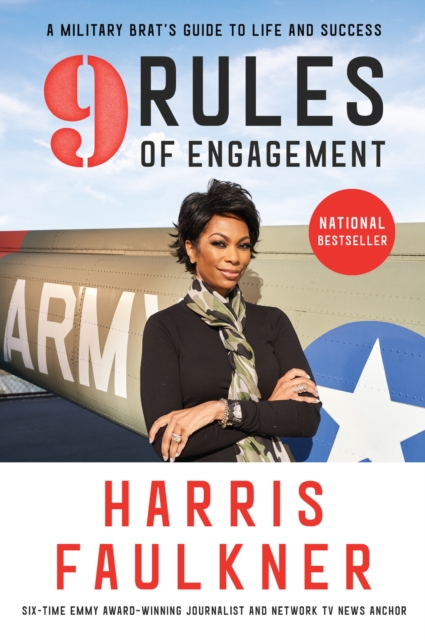
The Emmy award-winning news anchor of Outnumbered Overtime with Harris Faulkner and co-host of the talk show Outnumbered shares the lessons she learned growing up in a military family paying homage to the military ideals that shaped her and showing how everyone can benefit from bringing the wisdom of military service into their lives.