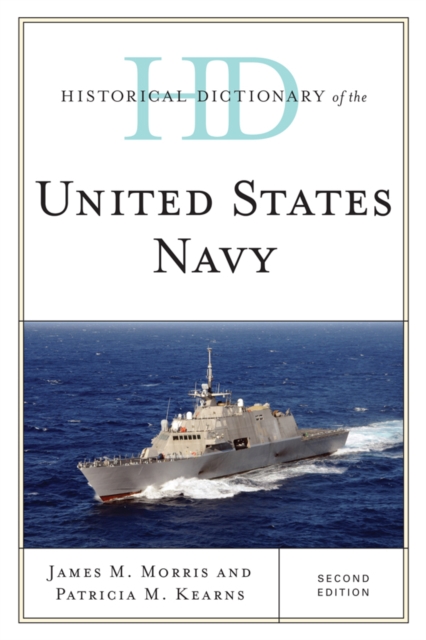
The United States Navy has evolved in the last century and a half from humble and often frustrating beginnings during and after the Revolutionary War to become the strongest navy in the world with responsibilities that span the globe.
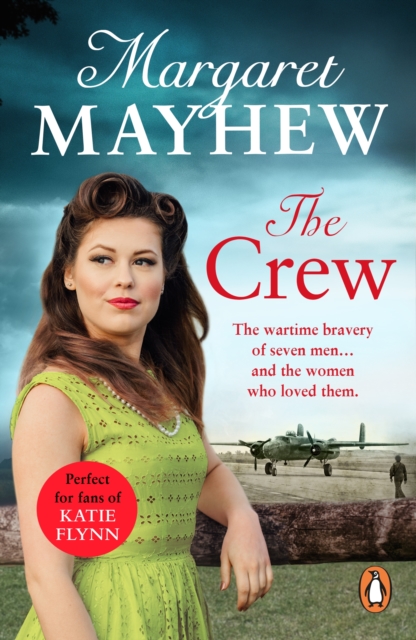
Perfect for fans of Katie Flynn and Donna Douglas, a saga full of the heart-wrenching emotion and drama of World War II from bestselling author Margaret Mayhew.
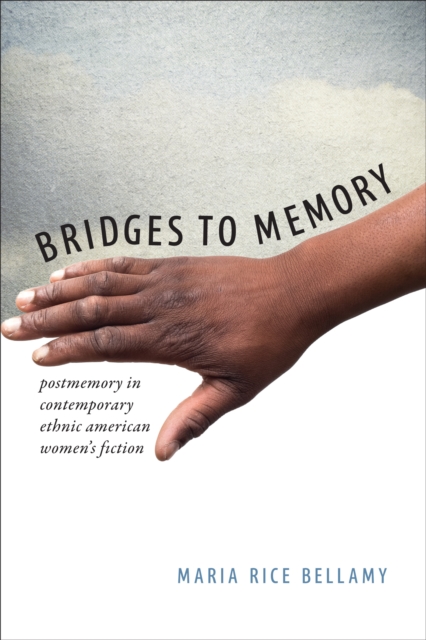
Tracing the development of a new genre in contemporary American literature that was engendered in the civil rights, feminist, and ethnic empowerment struggles of the 1960s and 1970s, Bridges to Memory shows how these movements authorized African American and ethnic American women writers to reimagine the traumatic histories that form their ancestral inheritance and define their contemporary identities.
Urban Battlefields: Lessons Learned from World War II to the Modern Eraoffers a detailed study of the complexities of urban operations, demonstrating through historical conflicts their key features, the various weapons and tactics employed by both sides, and the factors that contributed to success or failure.
American military attaches document the impact of airpower during the Spanish Civil War, featuring intervention by some of the strongest air forces in the world in a prelude to World War II.
With their renowned squadron leader Greg “Pappy” Boyington, Marine Fighting Squadron (VMF) 214 was one of the best-known and most colorful combat units of World War II.
War & Peace is a masterpiece - an epic portrait of Russian society and its descent into the Napoleonic Wars, which has inspired love and devotion among its readers for over a century.
This study represents the first published translation and analysis of an intriguing scheme of invasion of the British Isles that formed the foundation of all later invasion plans drawn up in the ivory towers of French diplomacy.
Originally published in 1997, Bacskai's powerful ethnography portrays the political, religious, and individual forces that came to bear on the Orthodox Jewish tradition as it struggled for survival in the aftermath of the Holocaust in Hungary.
"I first began to appreciate fully all we owed the World War II generation while I was covering the fortieth and fiftieth anniversaries of D-Day for NBC News.
NEW YORK TIMES BESTSELLER • From the author of The Eighty-Dollar Champion, the remarkable story of the heroic rescue of priceless horses in the closing days of World War II In the chaotic last days of the war a small troop of battle-weary American soldiers captures a German spy and makes an astonishing find—his briefcase is empty but for photos of beautiful white horses that have been stolen and kept on a secret farm behind enemy lines.
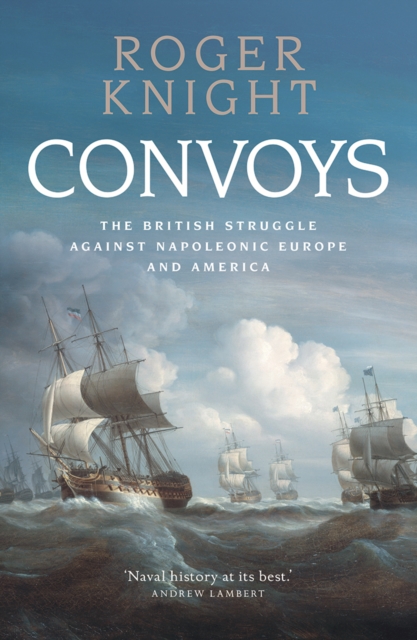
The first account of Britain’s convoys during the Napoleonic Wars—showing how the protection of trade played a decisive role in victory During the Napoleonic Wars thousands of merchant ships crisscrossed narrow seas and wide oceans, protected by Britain’s warships.
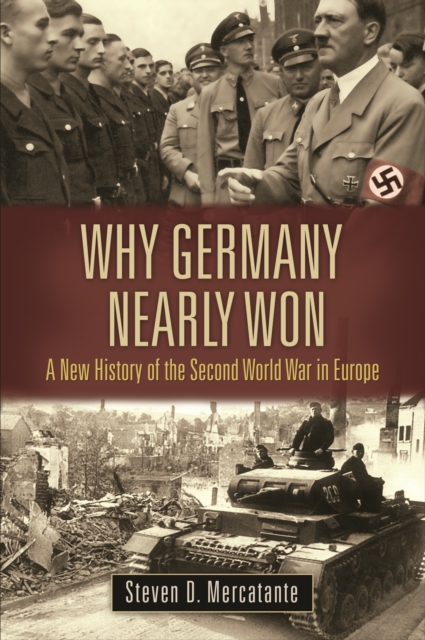
This book offers a unique perspective for understanding how and why the Second World War in Europe ended as it did-and why Germany, in attacking the Soviet Union, came far closer to winning the war than is often perceived.
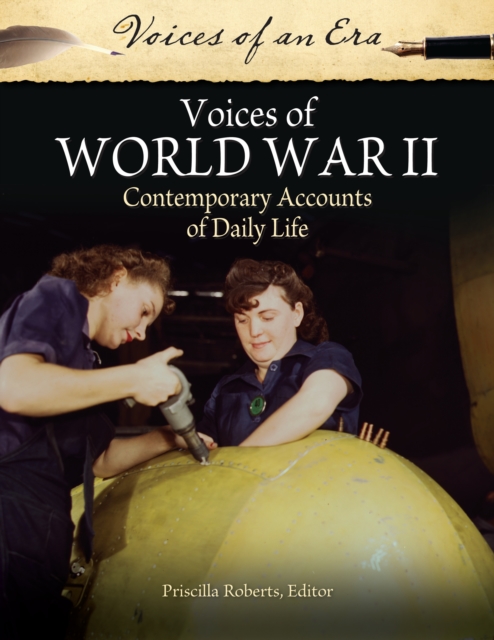
Drawing together a wide variety of primary source documents from across the United States, Europe, and Asia, this book illuminates the events and experiences of World War II-the most devastating war in human history.
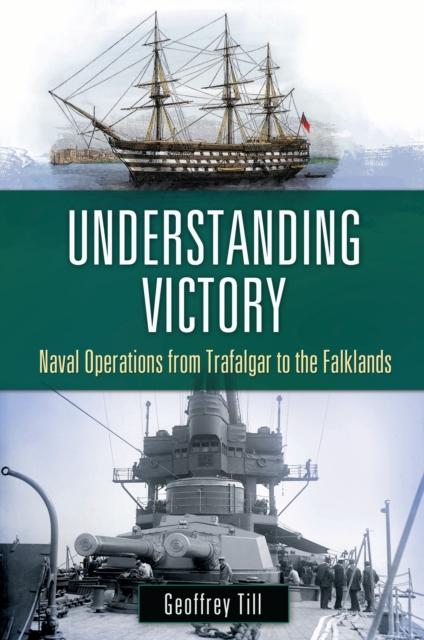
Using four warship-centered examples, this book shows how naval battles are won or lost-and how technological advantage is rarely as decisive in defeat or victory as is often claimed.