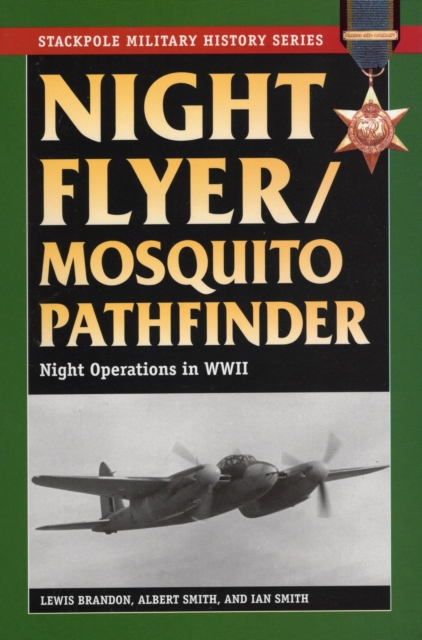
Two gripping memoirs by British night-fighter crewmenAction-adventure tales of aerial combat aboard Beaufighter and Mosquito aircraftAccounts of Pathfinders who flew ahead of bomber formations and marked targets deep inside German territoryHow new technologies like airborne radar, one of World War II's best-kept secrets, were usedHow night-fighters helped save British cities from destruction
The "e;hair-raising details of the second-by-second events"e; of a Special Forces medic's covert operations during the Vietnam War (On Point: The Journal of Army History Online).
As a 26-year old Marine radar intercept officer (RIO), Fleet Lentz flew 131 combat missions in the back seat of the supersonic F-4 B Phantom II during the wind-down of the Vietnam War.
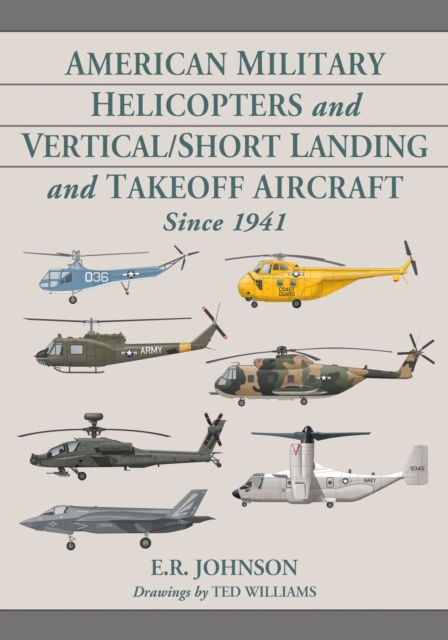
Over the past eight decades, developments in vertical lift aircraft--both helicopters and vertical/short takeoff and landing (V/STOL) planes--have given the American military unparalleled capabilities on the modern battlefield.
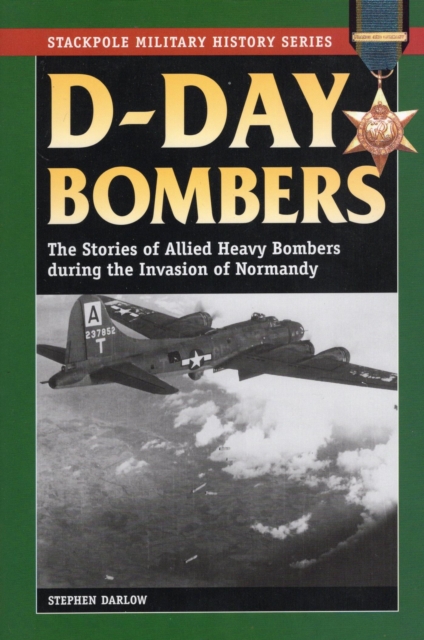
Eyewitness accounts of heavy bombers on D-Day Rarely told story of what happened above the beaches Detailed descriptions of various bombing runs In this vivid and dramatic look at World War II in the air, eight different aircrews--three American and five British--tell eye-opening and heart-racing stories of operations before, during, and after D-Day.
In the 1930s and 1940s - amid the crises of totalitarianism, war and a perceived cultural collapse in the democratic West - a high-profile group of mostly Christian intellectuals met to map out 'middle ways' through the 'age of extremes'.
The fascinating untold story of how Nazi architects and planners envisioned and began to build a model "e;Aryan"e; society in Norway during World War IIBetween 1940 and 1945, German occupiers transformed Norway into a vast construction zone.
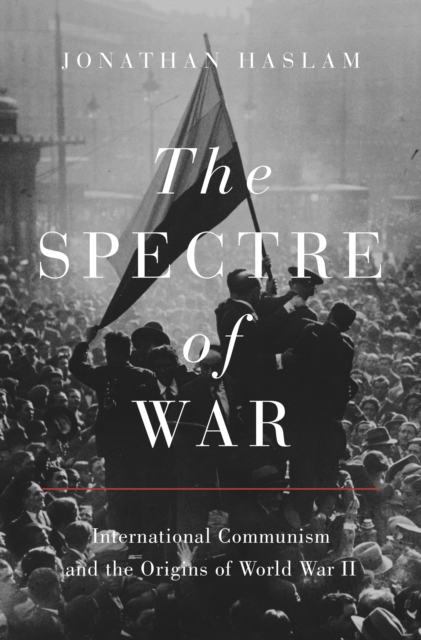
A bold new history showing that the fear of Communism was a major factor in the outbreak of World War IIThe Spectre of War looks at a subject we thought we knew-the roots of the Second World War-and upends our assumptions with a masterful new interpretation.
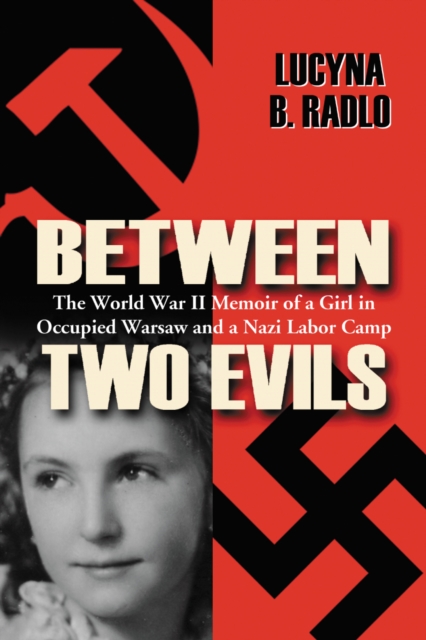
This vivid memoir describes the author's experiences as young girl in Poland, forced to flee to Warsaw after the Nazi bombing of Brest at the outbreak of World War II.
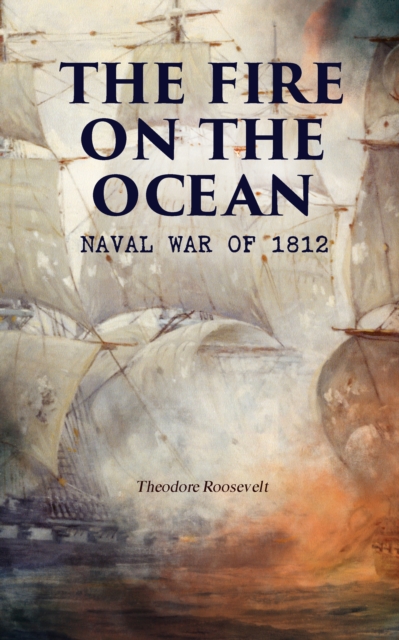
The Fire on the Ocean: Naval War of 1812 presents Theodore Roosevelt's vigorous account of the maritime struggle between the young United States and Great Britain, emphasizing ship-to-ship actions, privateering, strategy, and the technical realities of naval combat.
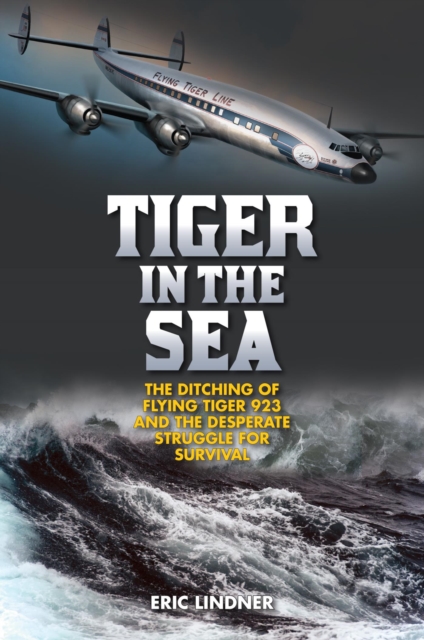
September 1962: On a moonless night over the raging Atlantic Ocean, a thousand miles from land, the engines of Flying Tiger flight 923 to Germany burst into flames, one by one.
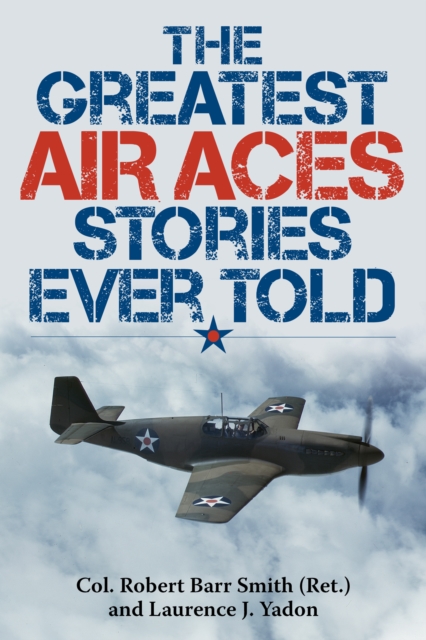
In thirty-five chapters, The Greatest Air Aces Stories Ever Told covers many of the leading American and British Commonwealth fighter aces of WW I and II, together with a few bomber crews whose gallantry made a substantial contribution to the end of WW II.
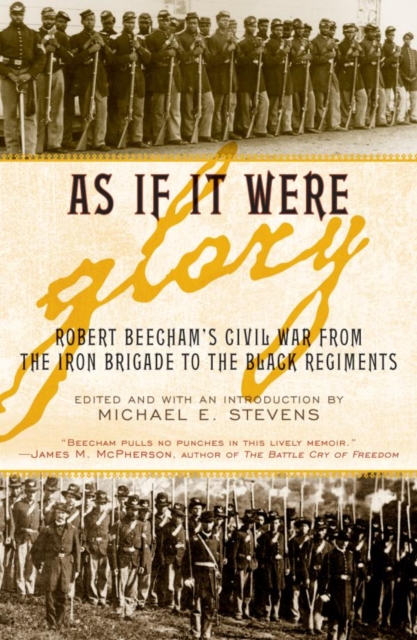
In this powerful and moving memoir, Robert Beecham tells of his Civil War experiences, both as an enlisted man in the fabled Iron Brigade of the Army of the Potomac and as an officer commanding a newly raised African-American unit.
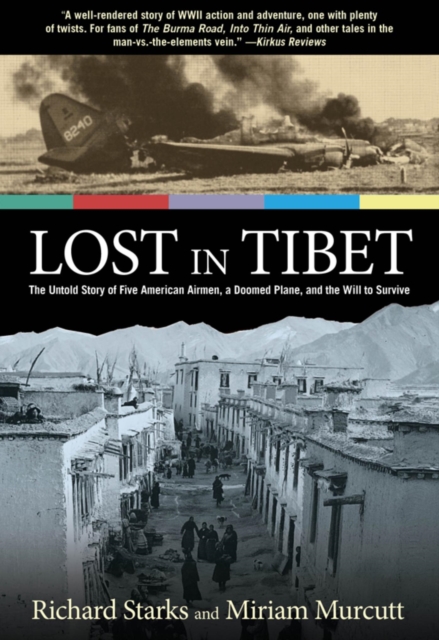
Caught in a violent storm and blown far off their intended course, five American airmen--flying the dangerous Himalayan supply route known as "e;The Hump"e;--were forced to bail out just seconds before their plane ran out of fuel.
This book probes the relationship between Martin Heidegger and theology in light of the discovery of his Black Notebooks, which reveal that his privately held Antisemitism and anti-Christian sentiments were profoundly intertwined with his philosophical ideas.
This book investigates terrorism and anti-terrorism as related and interacting phenomena, undertaking a simultaneous reading of terrorist and statist ideologists in order to reconstruct the 'deadly dialogue' between them.
Nineteen months before the D-Day invasion of Normandy, Allied assault forces landed in North Africa in Operation TORCH, the first major amphibious operation of the war in Europe.
Vietnam Declassified is a detailed account of the CIA's effort to help South Vietnamese authorities win the loyalty of the Vietnamese peasantry and suppress the Viet Cong.
This book is the culmination of more than three decades of meticulous historiographic research on Nazi Germany by one of the period's most distinguished historians.
The world entered the atomic age in August 1945, when the B-29 Superfortress nicknamed Enola Gay flew some 1,500 miles from the island of Tinian and dropped an atomic bomb on Hiroshima, Japan.
Zahn reconstructed his year of combat in Vietnam with surprising detail, capturing the cockiness, angst, and attitude of the naive nineteen-year-old 1st Cavalry Division attack helicopter pilot of 1970 and 1971.
An accessible survey of the history of European overseas empires in the seventeenth and eighteenth centuries based on new scholarship In this thematic survey, Gabriel Paquette focuses on the evolution of the Spanish, Portuguese, English, French, and Dutch overseas empires in the seventeenth and eighteenth centuries.
On June 22, 1941, Germany launched the greatest land assault in history on the Soviet Union, an attack that Adolf Hitler deemed crucial to ensure German economic and political survival.
An inside look at the Confederacy's military science and technologyLoaded with previously unavailable information about the Confederate Navy's effort to supply its fledgling forces, the wartime diaries and letters of John M.
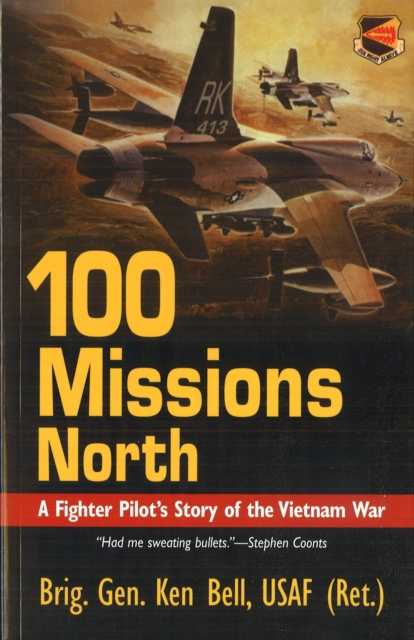
In 100 Missions North, Ken Bell recounts the harrowing sorties that he and his comrades flew in F-105 Thunderchiefs, the famous Thud, in 1966-67, when pilots faced a 50 percent loss rate.
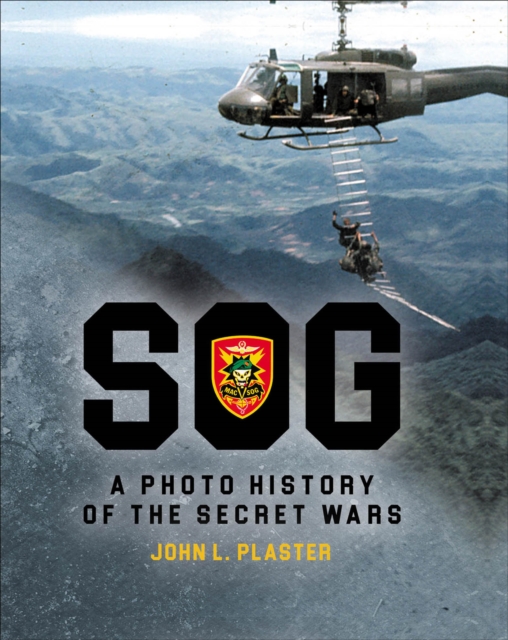
New edition: The classic illustrated history of the special ops unit-"e;an unprecedented look into this little-known aspect of the Vietnam conflict"e; (American Rifleman).