Nach den bürgerkriegsähnlichen Unruhen in Vierteln von Newark, Detroit und anderen Städten der USA faßte Fulbright Anfang August 1967 in einer Rede vor der amerikanischen Anwaltsvereinigung in Honolulu seine Kritik an der Innen- und Außenpolitik der USA zusammen in dem Urteil, die Vereinigten Staaten «übten Macht um der Macht willen» aus und sie seien auf dem Wege, «eine imperialistische Nation zu werden».
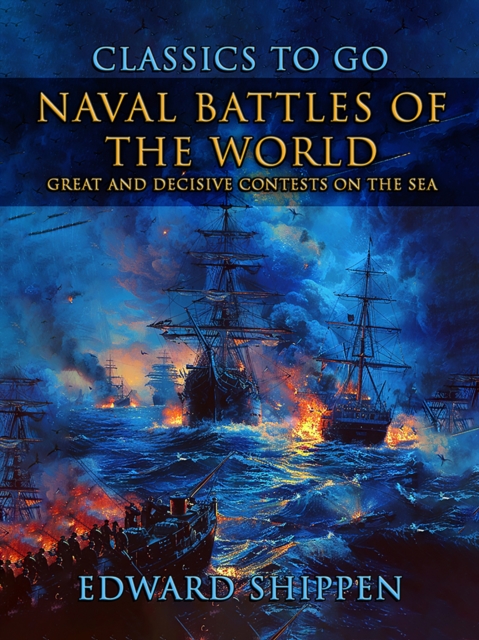
Embark on a thrilling voyage through history with "e;Naval Battles Of The World: Great And Decisive Contests On The Sea"e; by Edward Shippen, where the clash of titanic warships and the strategic brilliance of naval commanders shape the fate of nations.
The 2024 edition of Warship, the celebrated annual publication featuring original research on the history, development, and service of the world's warships.
Die mitreißend erzählte Geschichte einer großen Leidenschaft am Vorabend des Ersten Weltkriegs, eingewoben in das Spannungsfeld europäischer MächtepolitikIhre Liebe triumphierte über alle Konventionen des Standes – ihre Ermordung in Sarajewo 1914 wurde zum zündenden Funken, der schließlich ganz Europa in Brand setzte: Erzherzog Franz Ferdinand und Sophie von Hohenberg.
This book probes the relationship between Martin Heidegger and theology in light of the discovery of his Black Notebooks, which reveal that his privately held Antisemitism and anti-Christian sentiments were profoundly intertwined with his philosophical ideas.
This book is a study of the legal reckoning with the crimes of the Latvian Auxiliary Security Police and its political dimensions in the Soviet Union, West and East Germany, and the United States in the context of the Cold War.
This book presents the backstory of how the Catholic Church came to clarify and embrace the role of Israel in salvation history, at the behest of an unlikely personality: Jules Isaac.
Fully illustrated, this book assesses the origins, equipment, and fighting styles of the irregular warfare specialists fighting on both sides during the American Revolutionary War.
Fully illustrated, this book assesses the origins, equipment, and fighting styles of the irregular warfare specialists fighting on both sides during the American Revolutionary War.
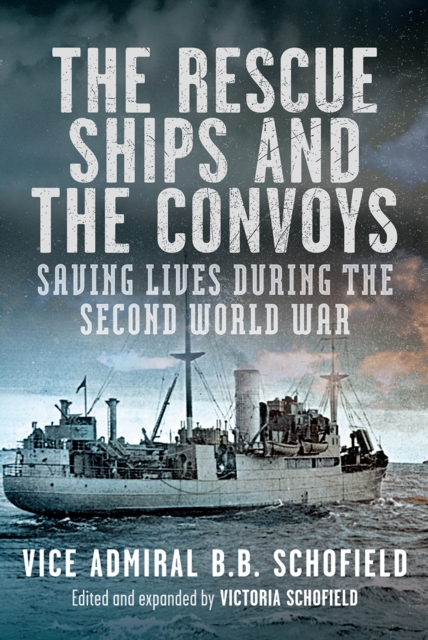
"e;I recommend The Rescue Ships and the Convoys to any person desiring an account of the Battle of the Atlantic told from a little known and unique perspective.
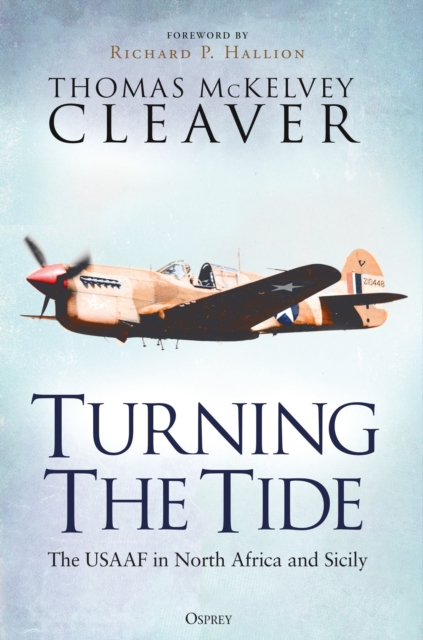
Packed with personal accounts of the action, this is a vivid narrative history of the often-overlooked USAAF campaign in North Africa and Sicily in World War II.
This book traces the life of Maria Mia Truskier, who fled the Nazis as a young Polish Jew in early 1940 and once safely resettled in the United States, became an activist for other refugees, earning renown in the Bay Area as "e;the oldest refugee"e; of the East Bay Sanctuary Covenant.
This book explores the diverse range of practical and theoretical challenges and possibilities that digital technologies and platforms pose for Holocaust memory, education and research.
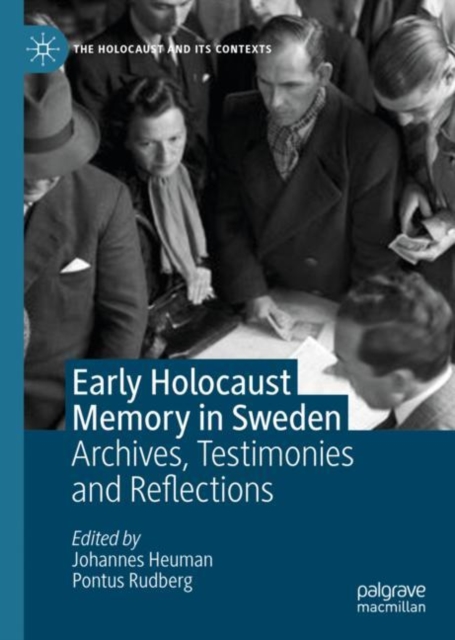
This book investigates the memory of the Holocaust in Sweden and concentrates on early initiatives to document and disseminate information about the genocide during the late 1940s until the early 1960s.
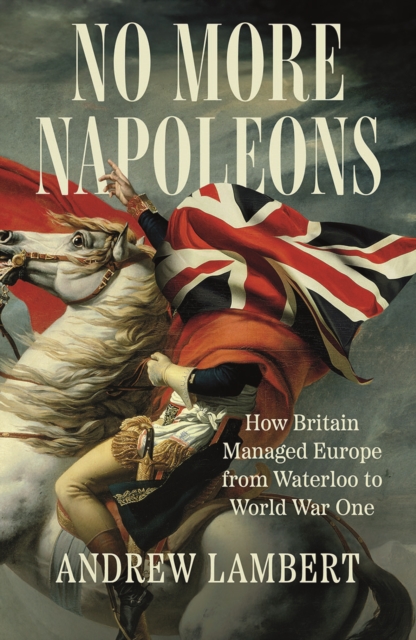
How, for just over a century, Britain ensured it would not face another Napoleon Bonaparte-manipulating European powers while building a global maritime empire At the conclusion of the Napoleonic Wars, a fragile peace emerged in Europe.
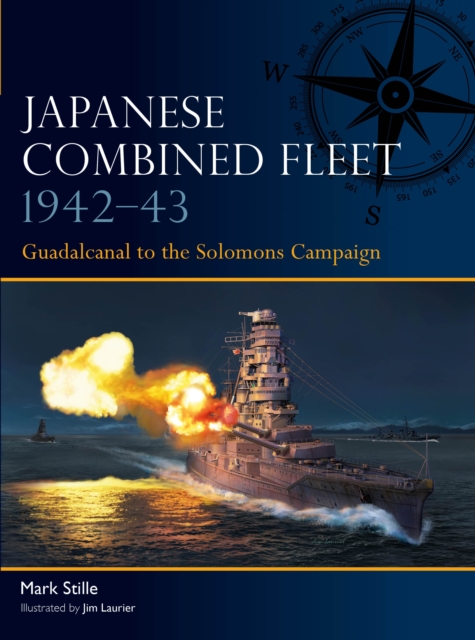
A superbly illustrated account of the Japanese Navy during the fierce battles of Guadalcanal and the Solomons, explaining how and why it fought as it did.
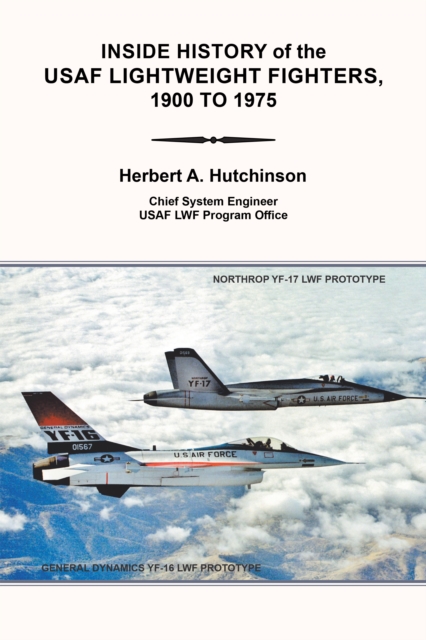
This book, in two volumes, attempts to explain the technology developments that evolved in the period from 1900 at Kitty Hawk through the ensuing seventy-five years leading to the development of the United States F-16 Multinational Weapon System in the mid-1970s.