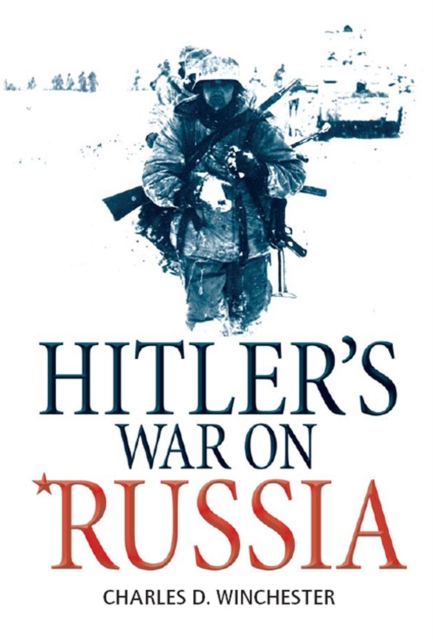
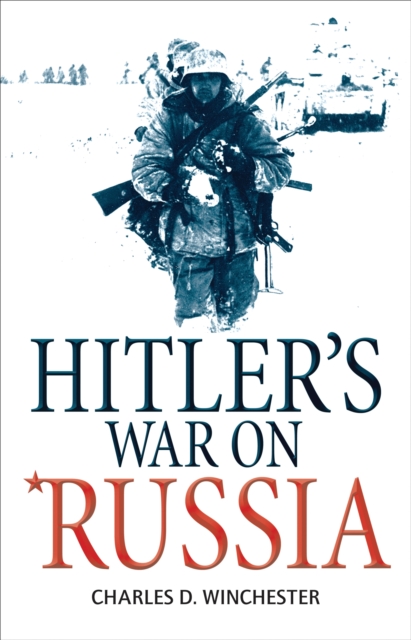
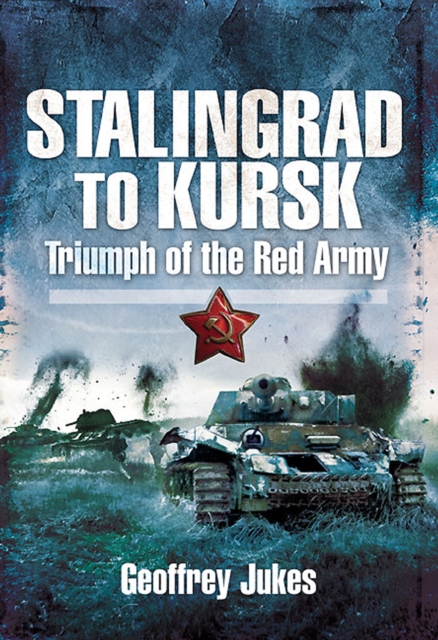
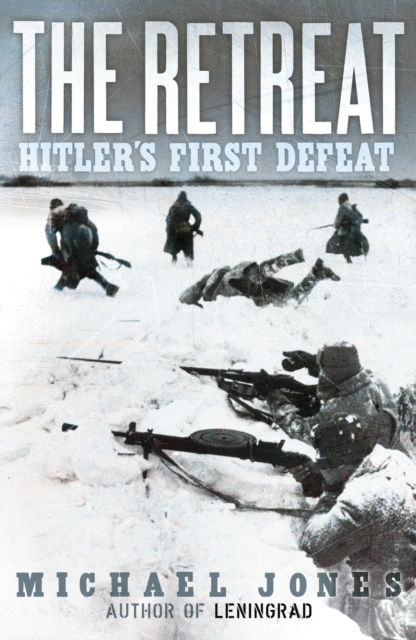
An examination of the German campaign on the Eastern Front, from their first significant defeat at the gates of Moscow in 1941 to the defeat at Stalingrad and the Russian capture of Berlin marking the end of the war in Europe.
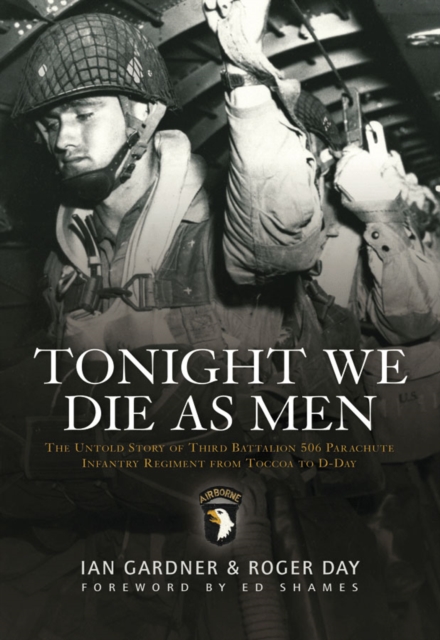
The gripping story of the men of 3rd Battalion, 506th Parachute Infantry Regiment, the comrades of the Band of Brothers, from their formation through the D-Day landings and beyond, in their own words.
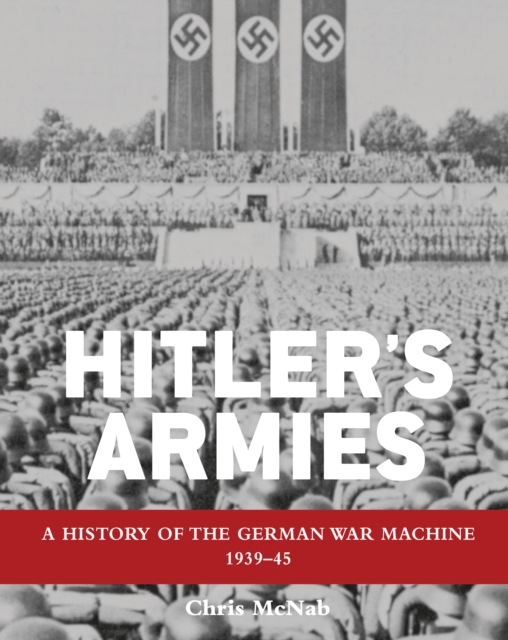
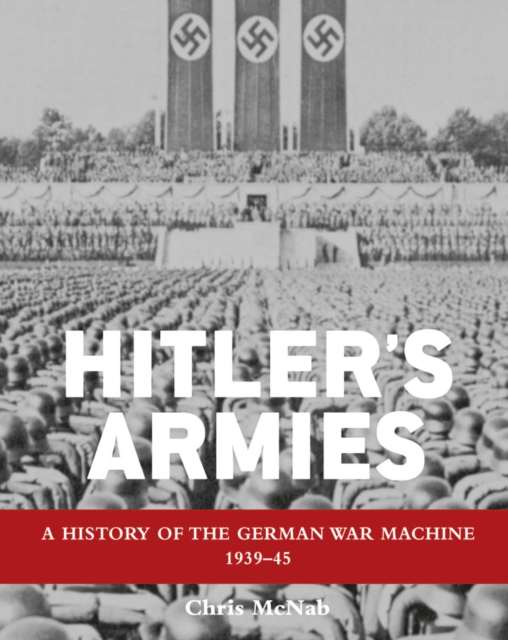
The illustrated history of Hitler's land forces from the Panzer crewman on the Eastern Front to the infantryman in Normandy and the last ditch defence units of Waffen-SS and Hitler Youth.
The illustrated history of Hitler's land forces from the Panzer crewman on the Eastern Front to the infantryman in Normandy and the last ditch defence units of Waffen-SS and Hitler Youth.
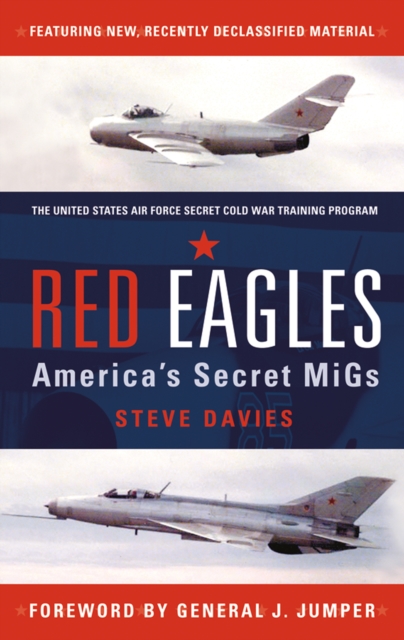
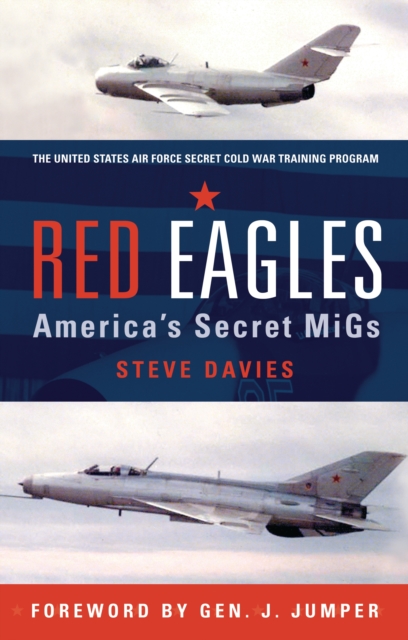
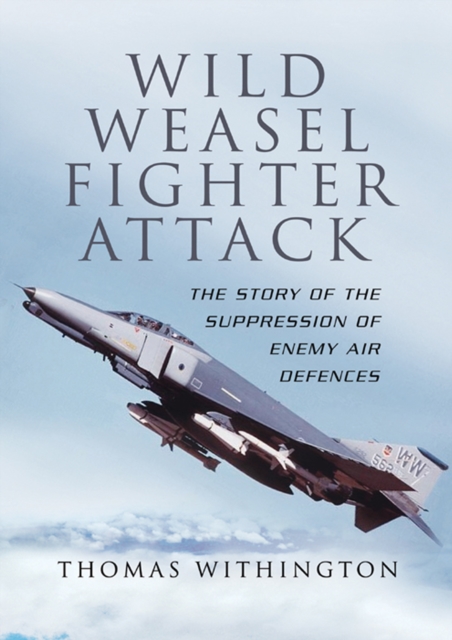
From the mid-1960s until the end of the Cold War, the United States Air Force acquired and flew Russian-made MiG jets, eventually creating a secret squadron dedicated to exposing American fighter pilots to enemy MiGs.
From the mid-1960s until the end of the Cold War, the United States Air Force acquired and flew Russian-made MiG jets, eventually creating a secret squadron dedicated to exposing American fighter pilots to enemy MiGs.
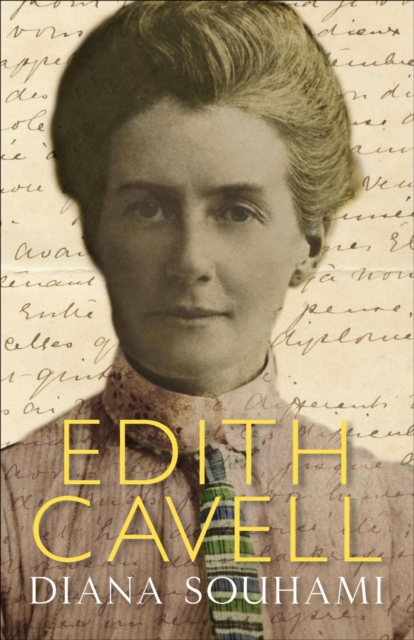
Edith Cavell was born in 1865, daughter of a Norfolk vicar, and shot in Brussels on 12 October 1915 by the Germans for sheltering British and French soldiers and helping them escape over the Belgian border.
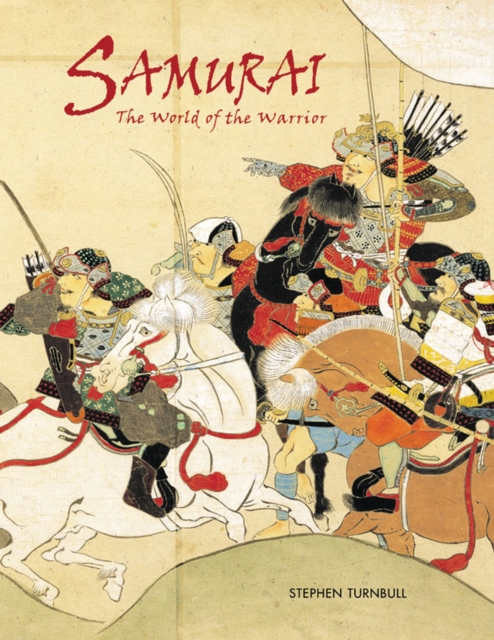
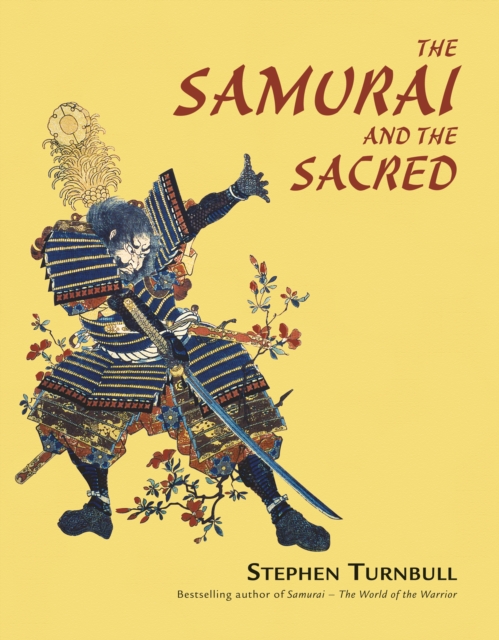
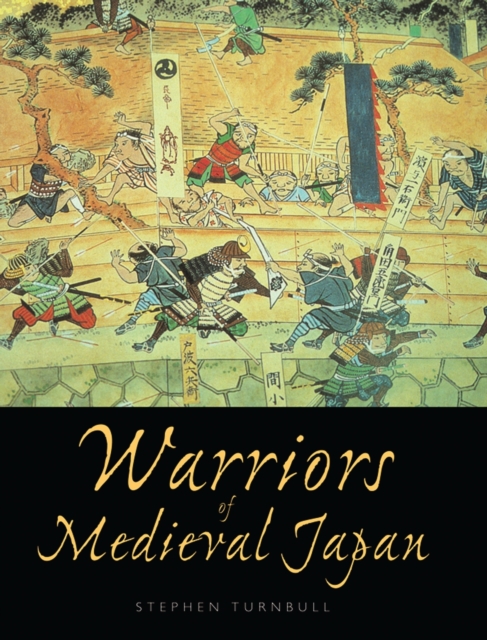
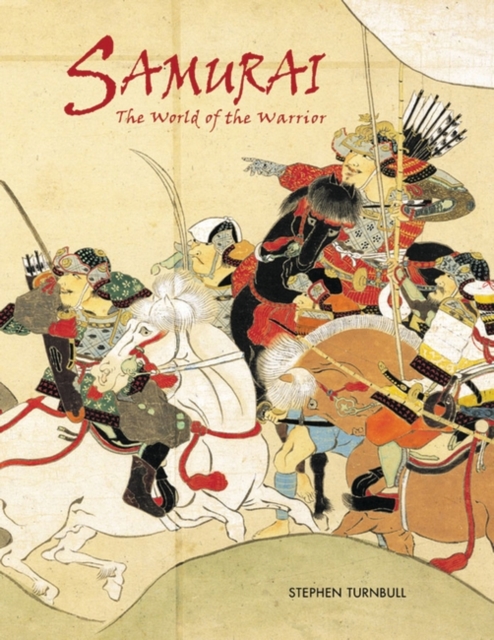
Driven by strict codes of honour and bound by deep allegiances of rank, family or religion, the elite warriors of medieval Japan were bold fighters, loyal comrades and deadly enemies.
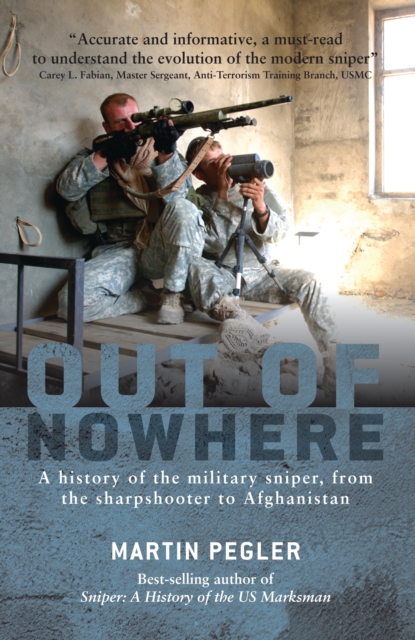
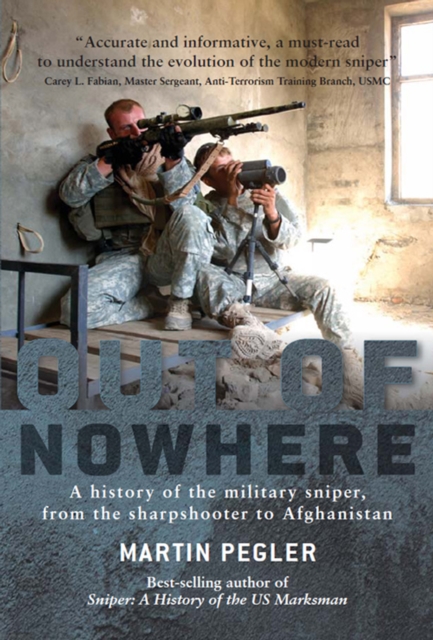
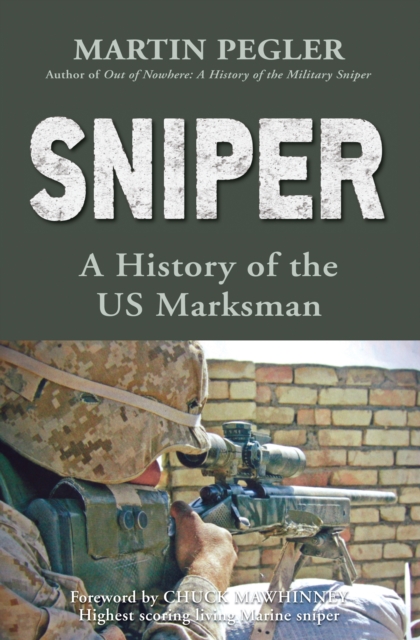
Following the success of Out of Nowhere: A History of the Military Sniper, sniper expert Martin Pegler gives us an in-depth study of the emergence of American rifleman, sharpshooter and sniper.
An examination of the German campaign on the Eastern Front, from their first significant defeat at the gates of Moscow in 1941 to the defeat at Stalingrad and the Russian capture of Berlin marking the end of the war in Europe.
Driven by strict codes of honour and bound by deep allegiances of rank, family or religion, the elite warriors of medieval Japan were bold fighters, loyal comrades and deadly enemies.
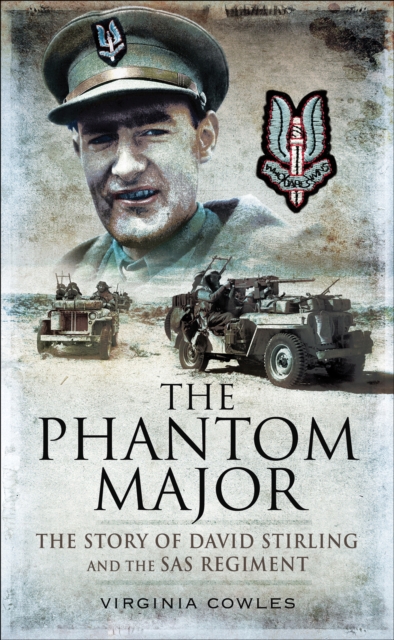
An action-packed biography of "e;one of the legitimate storybook heroes of World War II"e; and the special forces regiment he founded (The New York Times).
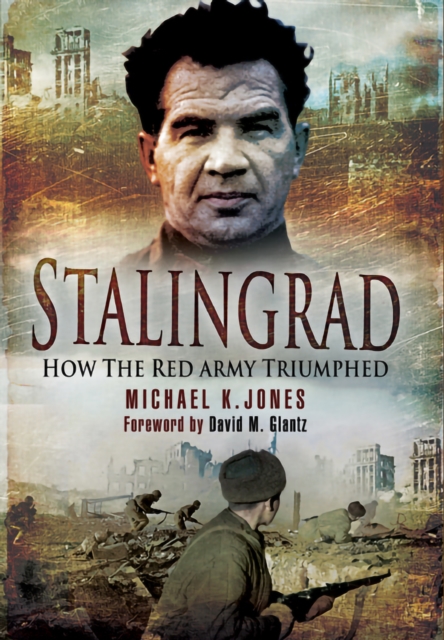
The acclaimed historian offers a radical reinterpretation of the WWII Battle of Stalingrad using eyewitness accounts and newly uncovered archival material.
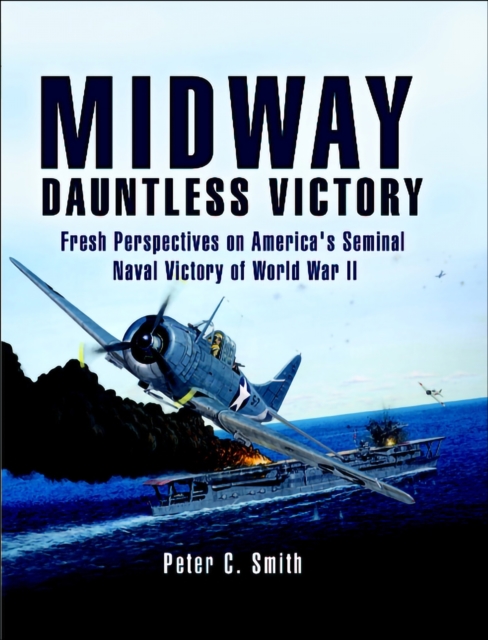
This is an in-depth study of the battle of Midway that reviews the many previous accounts and compares their accuracy and veracity with fresh documentation that has been released recently, including new material on the post-war analysis made by a US select committee.
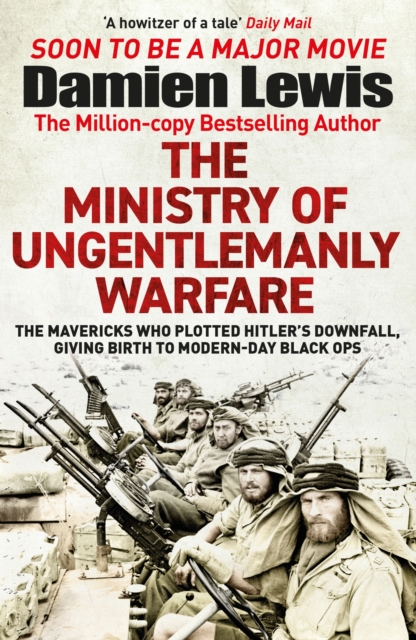
One of the most remarkable stories in the history of Special Forces' operations - Daily ExpressIn the bleak moments after defeat on mainland Europe in winter 1939, wartime leader Winston Churchill knew that Britain had to strike back hard.
The Spitfire and the Lancaster were the two RAF weapons of victory in the Second World War, but the glamour of the fighter has tended to overshadow the performance of the heavy bomber.
At the moment of crisis in 1941 on the Eastern front, with the forces of Hitler massing on the outskirts of Moscow, the miraculous occurred: Moscow was saved.