In Dawn of D-Day David Howarth weaves together the testimony of hundreds of eye-witnesses and has produced a breath-taking and atmospheric account of the greatest amphibious landing ever attempted.
In Dawn of D-Day David Howarth weaves together the testimony of hundreds of eye-witnesses and has produced a breath-taking and atmospheric account of the greatest amphibious landing ever attempted.
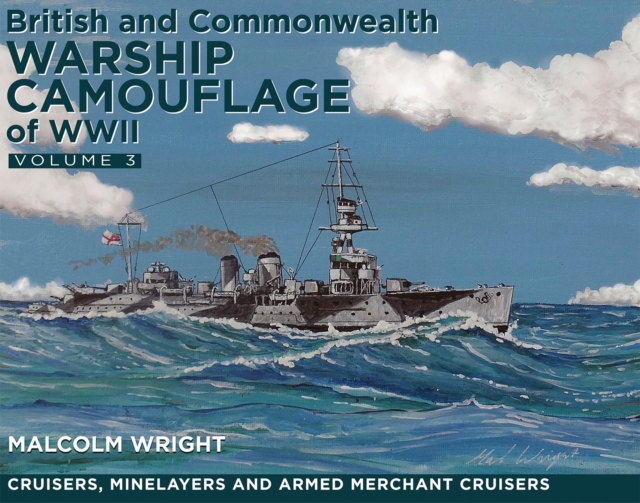
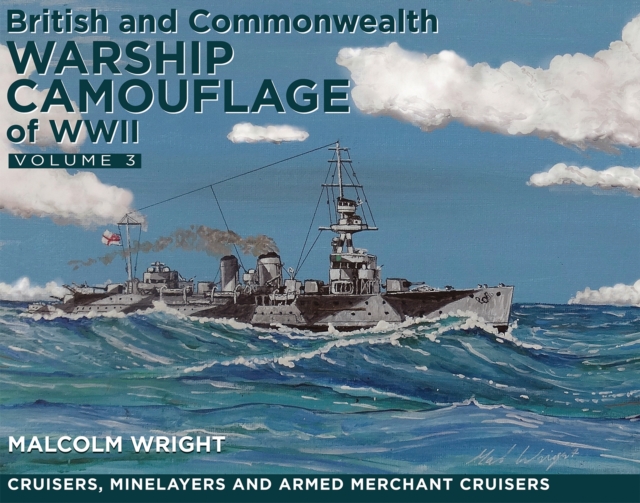
During the Second World War navies developed low visibility camouflage for their ships, on both vertical and horizontal surfaces, in order reduce visibility by blending in with the sea, or confuse the identity of a ship by applying more obtrusive patters.
During the Second World War navies developed low visibility camouflage for their ships, on both vertical and horizontal surfaces, in order reduce visibility by blending in with the sea, or confuse the identity of a ship by applying more obtrusive patters.
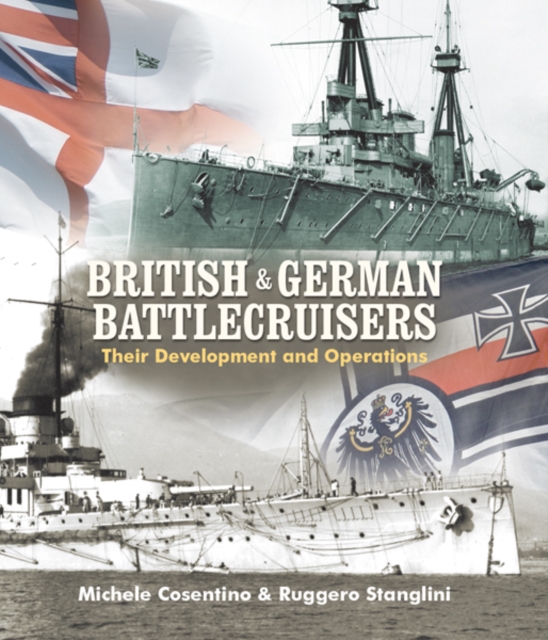
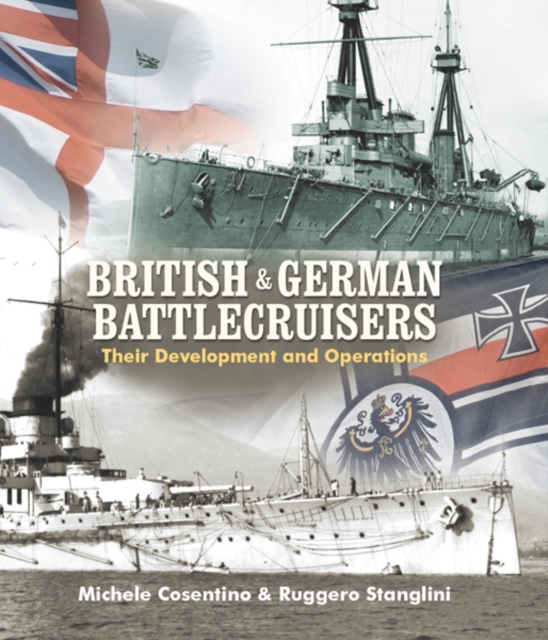
The fast and formidably-armed battlecruisers of Great Britain and Germany that were developed before and during the First World War are, in this new book, compared and contrasted in a way, and at a level of detail, that has never been attempted before.
The fast and formidably-armed battlecruisers of Great Britain and Germany that were developed before and during the First World War are, in this new book, compared and contrasted in a way, and at a level of detail, that has never been attempted before.
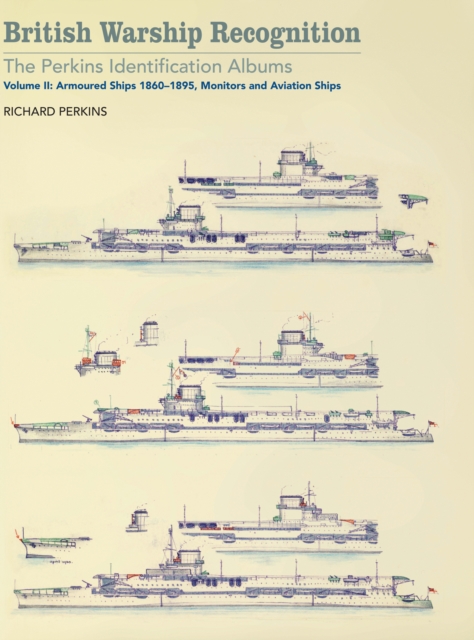
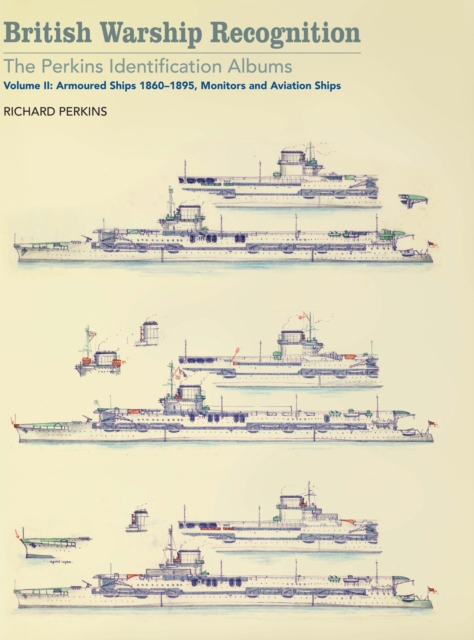
The Richard Perkins warship identification albums form one of the most detailed studies ever undertaken of the changes to the appearance of Royal Navy ships.
The Richard Perkins warship identification albums form one of the most detailed studies ever undertaken of the changes to the appearance of Royal Navy ships.
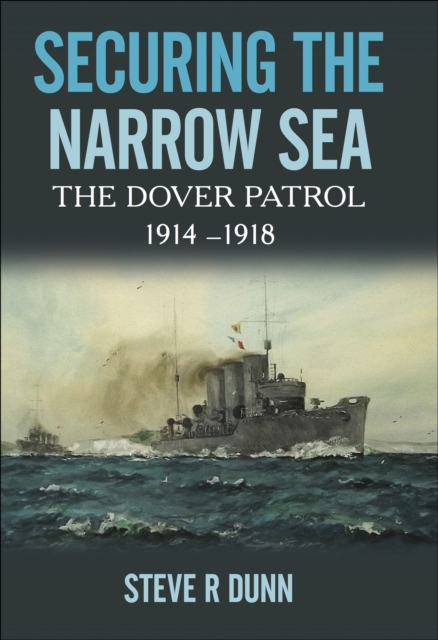
The Dover Patrol, which brought together an assortment of vessels ranging from the modern to the antique and included cruisers, monitors, destroyers, trawlers, drifters, yachts and airships, was commanded by a series of radical and polarizing personalities and increasingly manned by citizen volunteers.
Basing his extensive research into hitherto unexploited archival documentation on both sides of the Rhine, Allan Mitchell has uncovered the inner workings of the German military regime from the Wehrmacht s triumphal entry into Paris in June 1940 to its ignominious withdrawal in August 1944.
In this first interdisciplinary study of this contentious subject, leading experts in politics, history, and philosophy examine the complex aspects of the terror bombing of German cities during World War II.
The early twentieth-century advent of aerial bombing made successful evacuations essential to any war effort, but ordinary people resented them deeply.
The exodus of refugees from Nazi Germany in the 1930s has received far more attention from historians, social scientists, and demographers than many other migrations and persecutions in Europe.
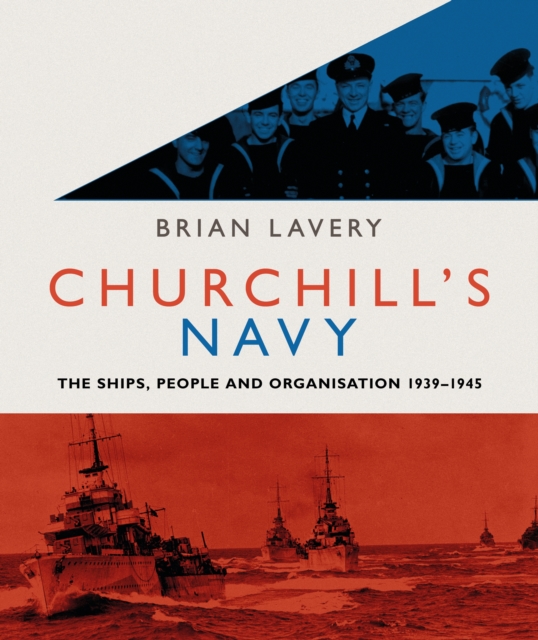
In this remarkable book, now reissued in paperback, Brian Lavery examines every aspect of the Royal Navy, both ashore and at sea, during the Second World War, and casts a lucid eye over the strengths and weaknesses of an organisation that was put under acute strain during the period, yet rose to the challenge with initiative and determination.
In this remarkable book, now reissued in paperback, Brian Lavery examines every aspect of the Royal Navy, both ashore and at sea, during the Second World War, and casts a lucid eye over the strengths and weaknesses of an organisation that was put under acute strain during the period, yet rose to the challenge with initiative and determination.
Working with prestigious archives of contemporary photographs, the authors chart the history of Britain's fishing heritage with 120 rarely seen photographs.
The acclaimed naval historian sheds significant light on the Royal Navy's role in fighting the African slave trade through years of bitter battle at sea.
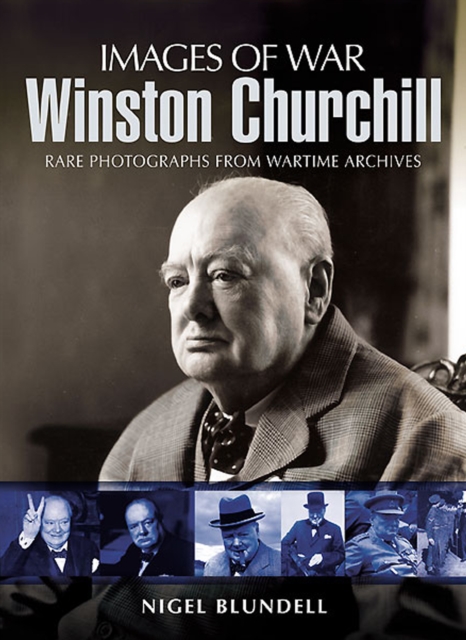
Winston Churchill was an extraordinary person - a politician, a statesman, a man of letters and a soldier but it was for his wartime leadership during the Second World War that he is chiefly remembered.
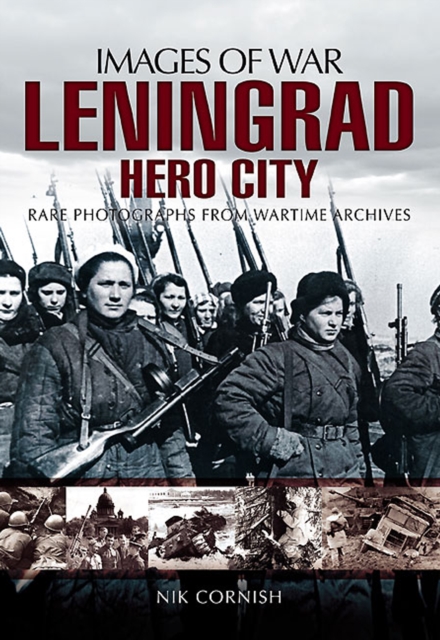
The 900-day siege of the Soviet city of Leningrad by the combined forces of the Germans and the Finns is one of the most remarkable, and terrible, events of the Second World War, yet until recently it has not received the attention it deserves it has been overshadowed by other massive confrontations on the Eastern Front, at Stalingrad and Kursk.