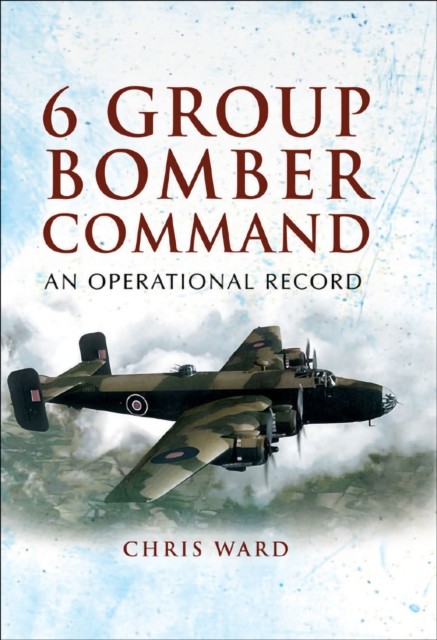
6 Group was born out of the British Commonwealth Air Training Plan (BCATP), which, among other things called for the formation of 25 Canadian Squadrons in Britain.
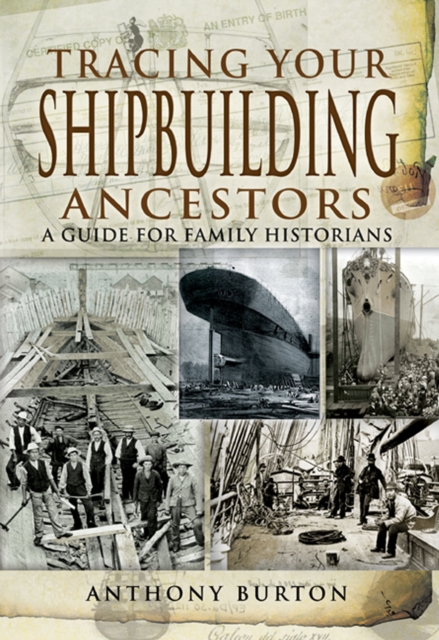
Anthony Burton's concise and informative guide to British shipbuilding will be absorbing reading for anyone who wants to learn about its history or find out about the life of a shipbuilder and his family.
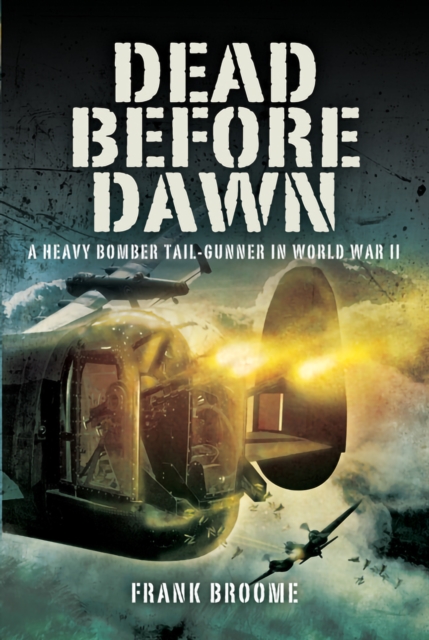
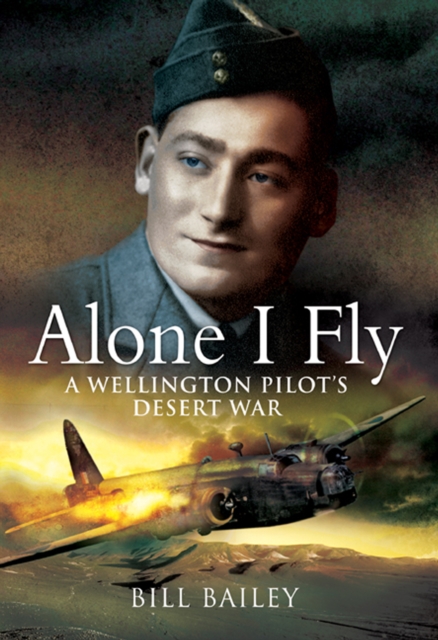
Frank Broome was a 15 year old schoolboy when he experienced the three major blitzes in his home city of Coventry and at the age of 17 volunteered for the Royal Air Force Volunteer Reserve in 1942 for pilot training.
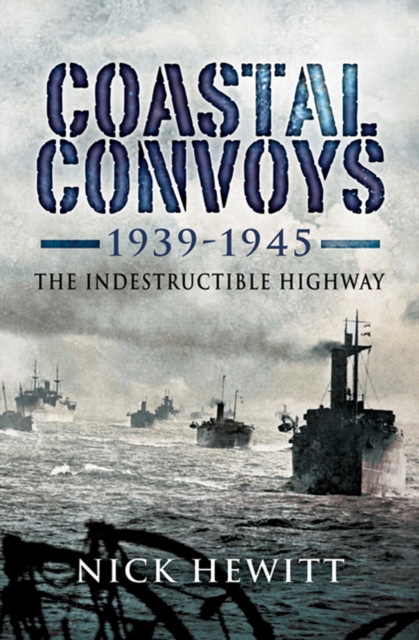
Using official records from the National Archives personal accounts from the Imperial War Museum and other sources, Coastal Convoys 1939 1945: The Indestructible Highway describes Britains dependence on coastal shipping and the introduction of the convoy system in coastal waters at the outset of the war.
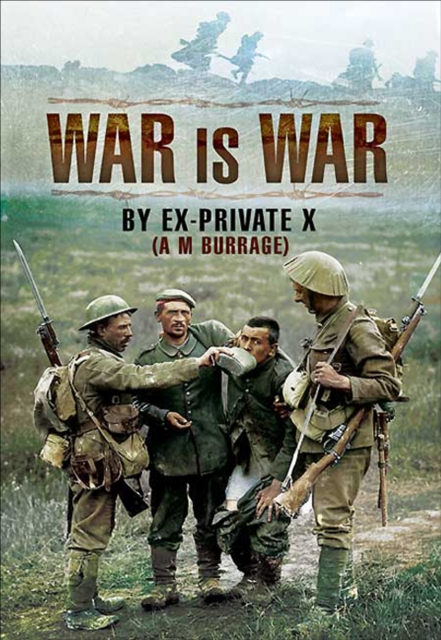
Alfred Burrages War is War is his sincere and successful attempt to record his experiences as a private soldier in France during the First World War, his reactions to abnormal conditions and his observations.
The riveting firsthand account of an RAF pilot's adventures in World War II-from life-and-death situations to unusual posts that test his usual good humor.
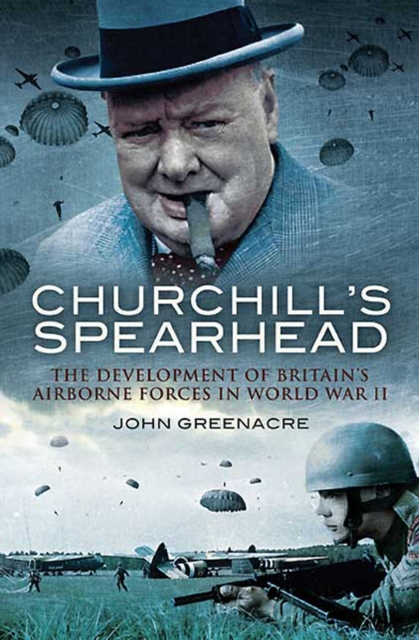
This book covers the inception, growth and employment of Britains airborne forces (parachute and glider-borne formations) between June 1940 and March 1945.
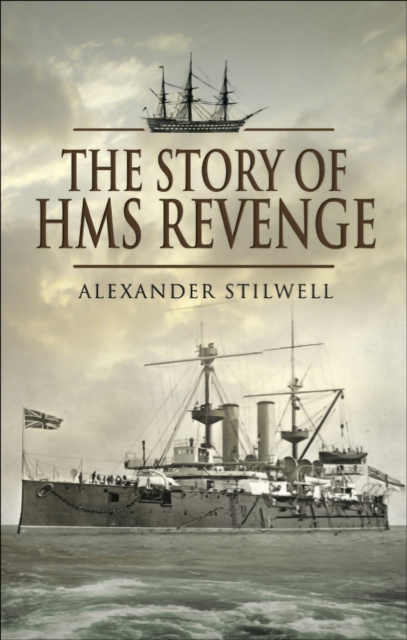
This sweeping naval history chronicles the many British vessels to bare the name Revenge, from the sixteenth-century galleon to the twentieth-century submarine.
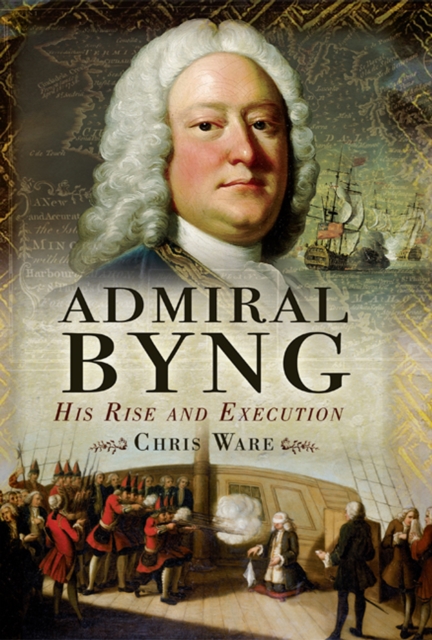
Born the son of George Byng, a favorite of the king and himself an admiral and member of the admiralty board (and later First Lord of the Admiralty), John Byng seemed destined for a shining career in the Royal Navy.
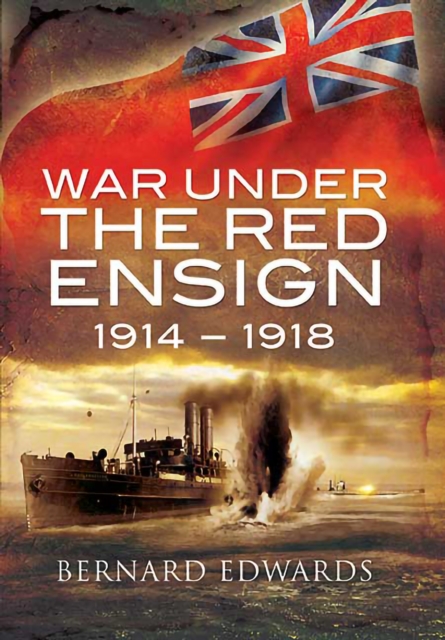
he Kaisers determination to starve Britain into surrender and the development of his Navy and the U-boats in particular meant that Britains merchant navy was in the front line throughout the Great War.
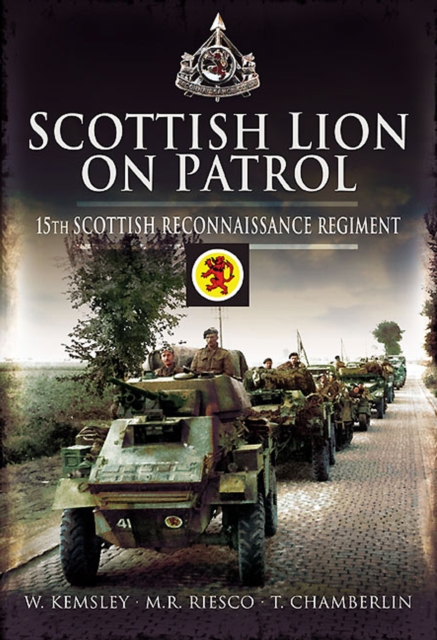
Scottish Lion on Patrol was first published in 1950, the record of the 15th Scottish Reconnaissance Regiments formation, training and service in the campaign that took them from Normandy to the Baltic.
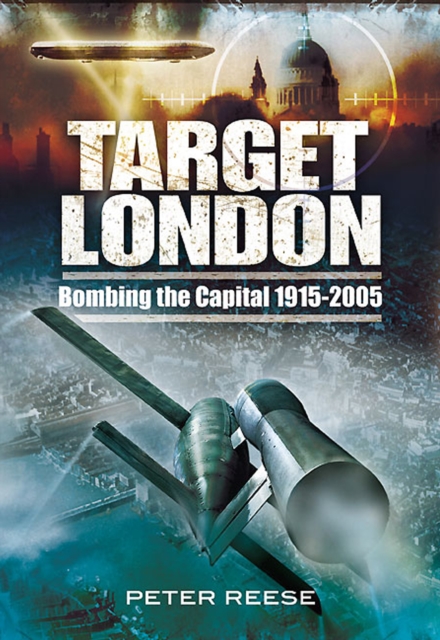
London was a target for Zeppelins and bombers during the First World War, for bombers, V1s and rockets in the Second, and for Cold War missiles and for terrorists in more recent times, yet rarely has the history of twentieth-century attacks on the capital been studied as a whole.
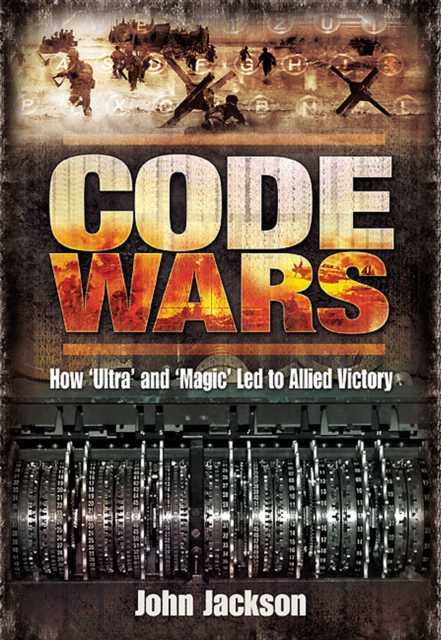
When the top secret code breaking activities at Bletchley Park were revealed in the 1970s, much of the history of the Second World War had to be rewritten.
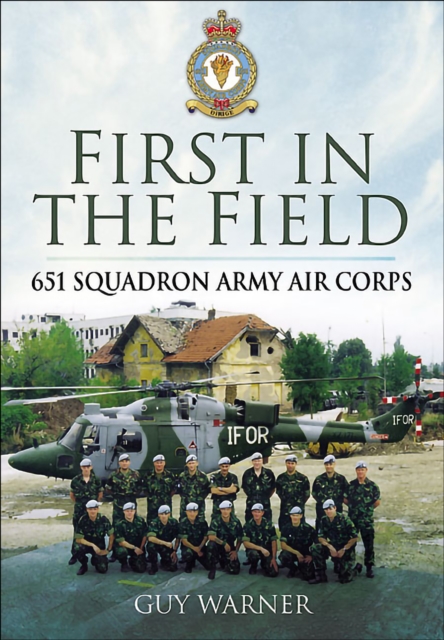
Aviation historian Guy Warner's First in the Field is an essential history of the Royal Air Force's Air Observation Post Squadron formed in World War II.
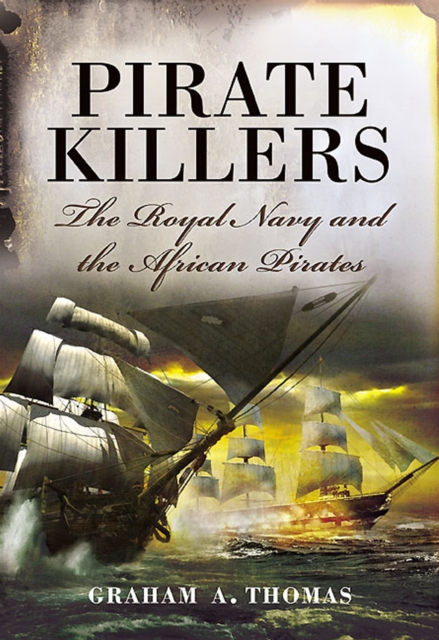
One hundred and fifty years ago the Royal Navy fought a daring campaign against ruthless pirates and won, killing The King of the Pirates, Bartholomew Roberts off the coast of Africa and capturing his fleet.
The heroic life of the pilot who became an ace with one of the most successful fighter squadrons in the RAF and a captive in a notorious Nazi POW camp.
Thanks to the perseverance and editorial effort of his son Allan, Jim Hunter's splendid war memoirs of flying and captivity can now be enjoyed by a wider audience.
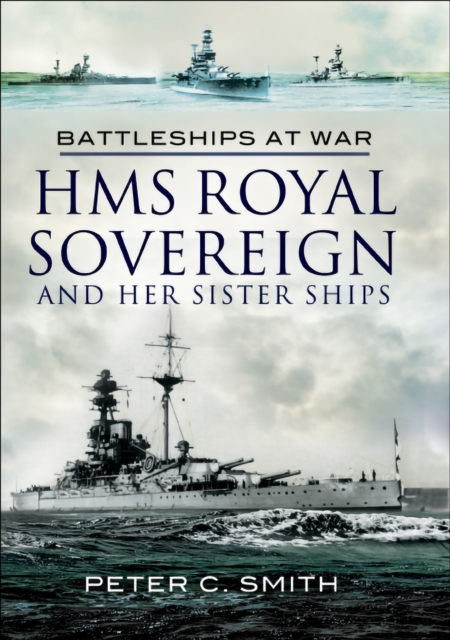
This is the wartime history of the battleship HMS Royal Sovereign, along with the story of her four sister ships HMS Revenge, HMS Resolution, HMS Royal Oak and HMS Ramillies.