One of the largest and most complex military efforts ever undertaken, the Leyte Operation was the Allies' first and most important major combined operation to liberate the Philippine archipelago.
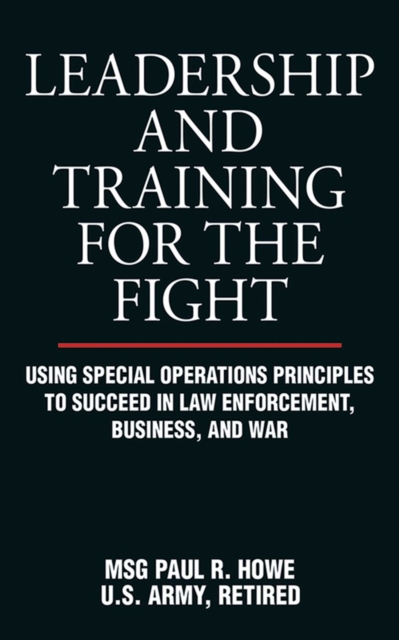
Ideal for fans of Dave Grossman, Paul Howe, George Thompson, and other authors of police booksA brilliant military intelligence book that shares leadership and training for the fightIncludes riveting stories of military operationsIn Leadership and Training for the Fight, MSG Paul R.
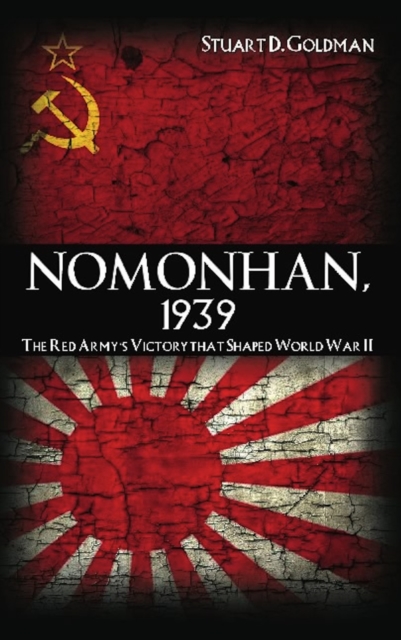
Stuart Goldman convincingly argues that a little-known, but intense Soviet-Japanese conflict along the Manchurian-Mongolian frontier at Nomonhan influenced the outbreak of World War II and shaped the course of the war.
Focusing on the oceanic war rather than the war in the Great Lakes, this study charts the War of 1812 from the perspectives of the two opposing navies at seaone of the largest fleets in the world and a small, upstart navy just three decades old.
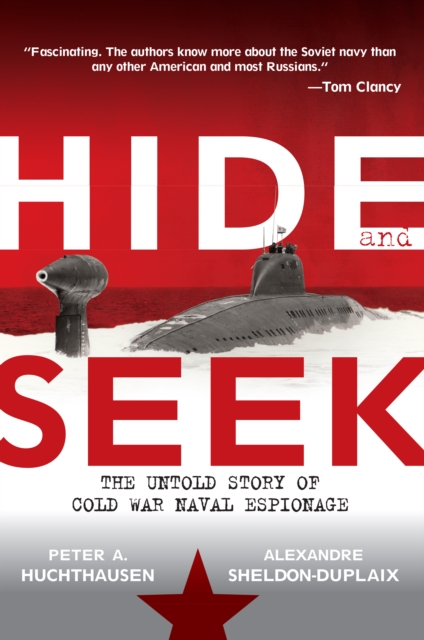
Through dramatic incidents tells for the first time the full story of the development of Cold War naval intelligence from the end of WWII to the breakup the Soviet Union in 1991, from both sides, East and West.
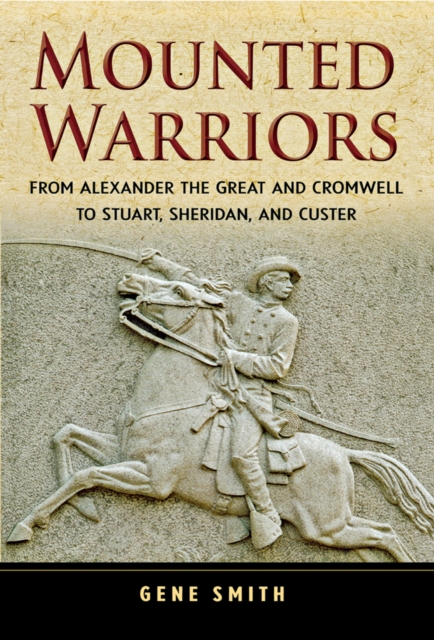
Men, Horses, and All Kinds of WeaponsIt may startle some people to remember that, little more than a century ago, the horse was not only humanity's primary means of swift transportation, it was also a major participant in warfare.
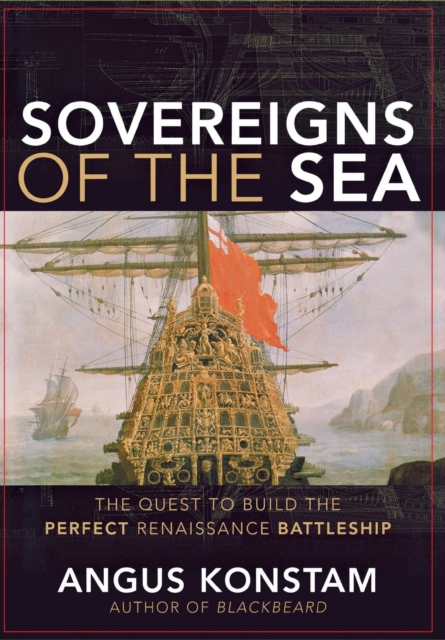
Savor the story of the ultimate warship in Sovereigns of the Sea: The Quest to Build the Perfect Renaissance Battleship, which chronicles the history of Sovereign of the Seas, an immensely powerful floating fortress.
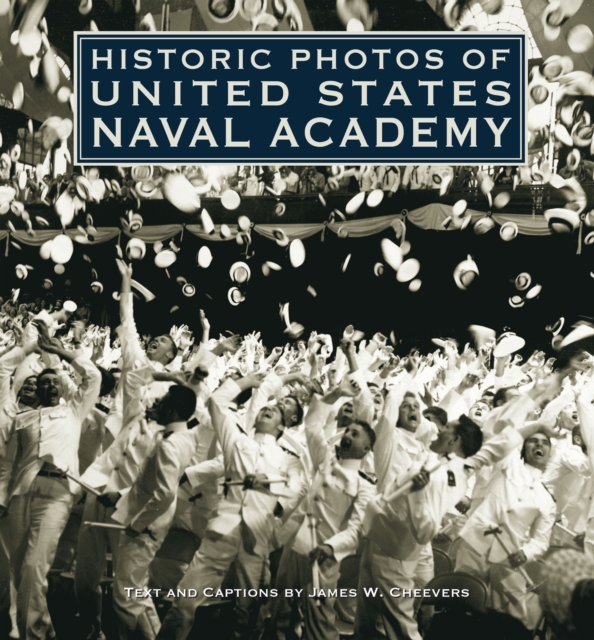
With a proud tradition reaching back to its founding in 1845, the United States Naval Academy today pursues its role as the nations premier institution dedicated to teaching and molding the naval leaders of tomorrow.
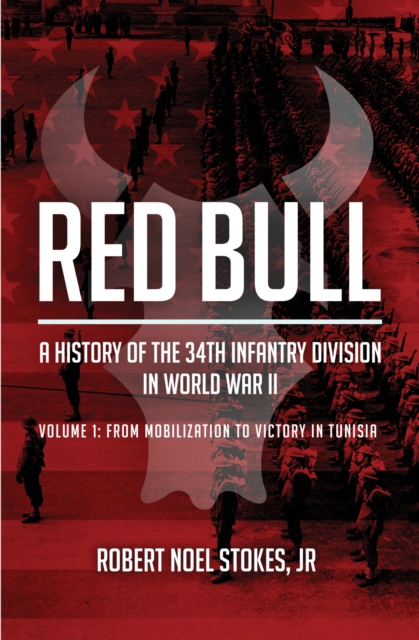
The US Army National Guard’s 34th 'Red Bull' Infantry Division was mobilized against the complex backdrop of the United States’ lack of readiness for modern war before the Japanese attack on Pearl Harbor.
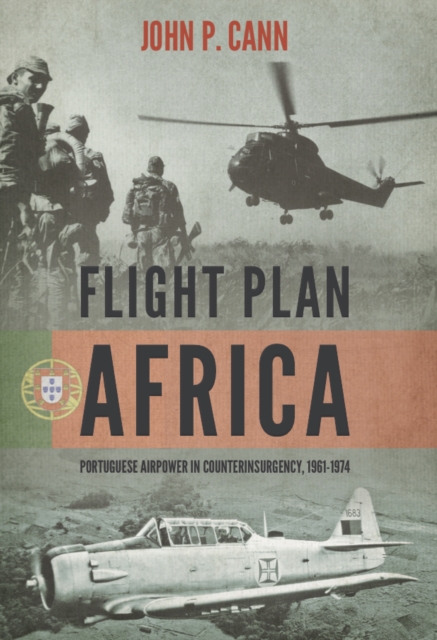
Following the 1952 reorganization of the Portuguese Air Force from the army and naval air arms, Portugal now had an entity dedicated solely to aviation that would bring it into line with its new NATO commitment.
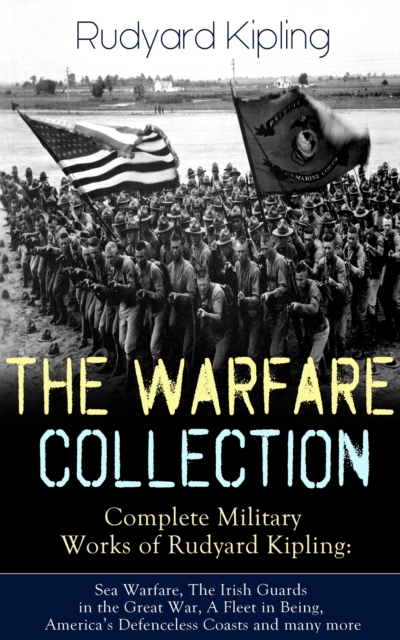
This comprehensive military collection gathers Kipling's major writings on war, naval power, imperial defence, and regimental memory, including Sea Warfare, The Irish Guards in the Great War, A Fleet in Being, and America's Defenceless Coasts.
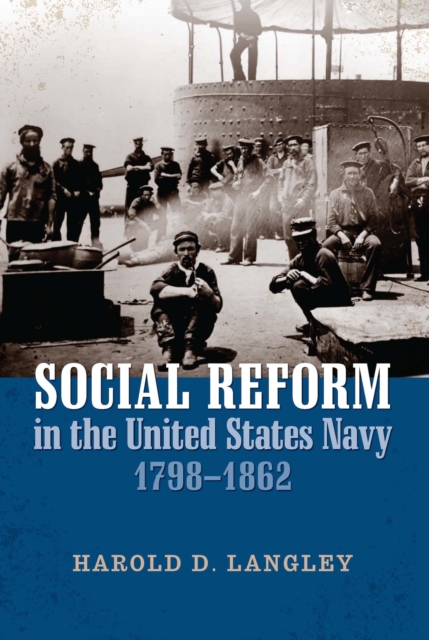
In the decades before the American Civil War various political, social, and religious groups agitated for reforms in American society that would be in keeping with its professed democratic and national principles.
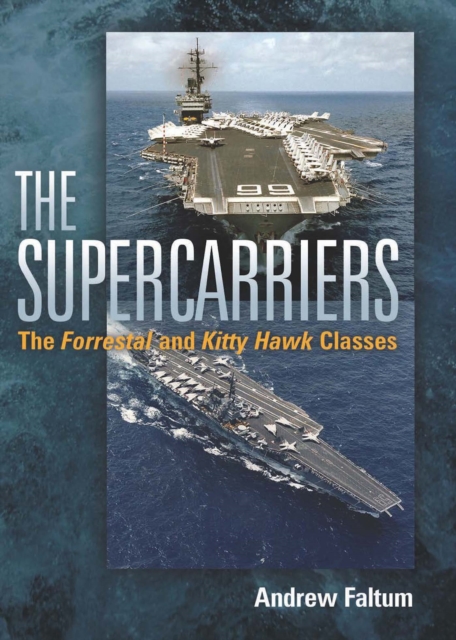
The Supercarriers is a comprehensive historical overview with extensive photos, maps, drawings, and operational detail, including all air-wing deployments.
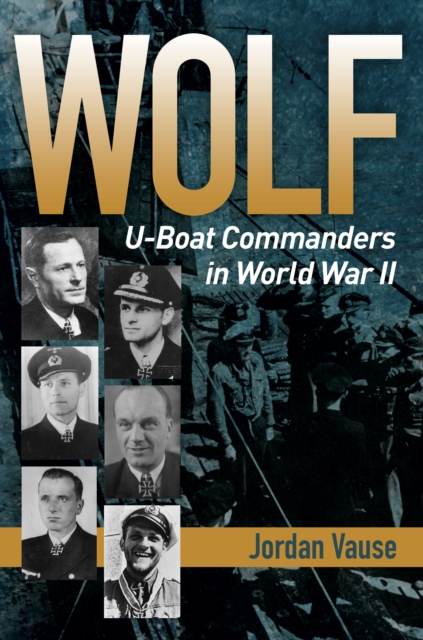
Cultivated by the Allied press during the war and fostered by movies and novels ever since, the image of a U-boat skipper held by most Americans is the personification of evil: the wolf who stalks innocents.
Naval officers and enlisted personnel undergo extensive training to cope with the special demands of their duties at sea and ashore, but what about their spouses and children?
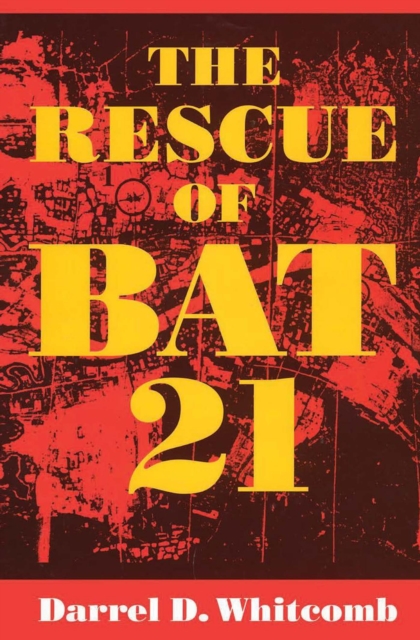
When his electronic warfare plane--call sign Bat 21--was shot down on 2 April 1972, fifty-three-year-old Air Force navigator Iceal "e;Gene"e; Hambleton parachuted into the middle of a North Vietnamese invasion force and set off the biggest and most controversial air rescue effort of the Vietnam War.
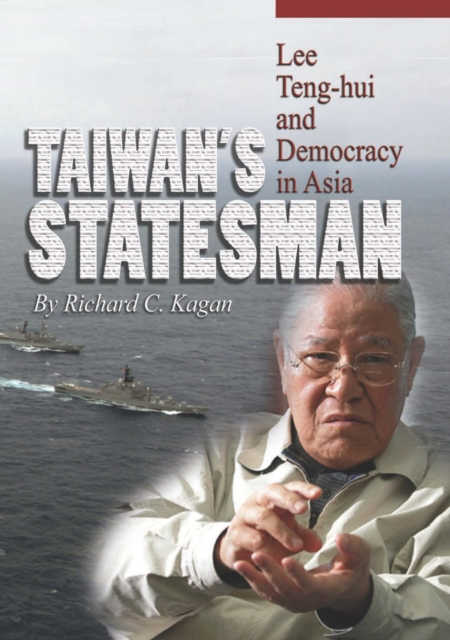
A well-known observer of Taiwan and Asian history and culture provides an insightful biography of Lee Teng Hui, the pro-democracy statesman and former president of the Republic of China.
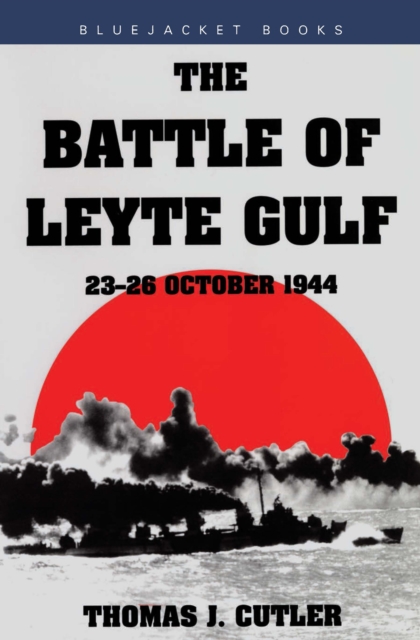
The last great naval battle of World War II, Leyte Gulf also is remembered as the biggest naval battle ever fought anywhere, and this book has been called the best account of it ever written.
As plans got under way for the Allied invasion of Sicily in June 1943, British counter-intelligence agent Ewen Montagu masterminded a scheme to mislead the Germans into thinking the next landing would occur in Greece.
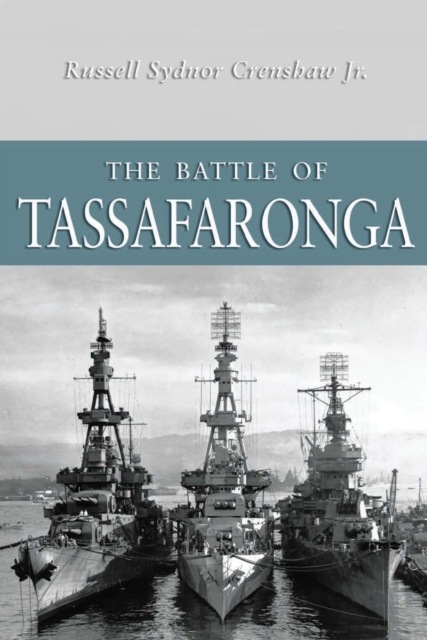
The Battle of Tassafaronga, November 30, 1942, was the fifth and last major night surface action fought off Savo Island during World War II's Guadalcanal campaign.
Today only a select few know firsthand what it is like to feel their ship shudder from the blast of their own guns, watch enemy guns flash back, and see friendly ships erupt in flames.