SynopsisFive decades after the Nigerian Civil War, an energized, well-funded and strategic neo-terror organization comprising the kin of the slain Eastern officers has arisen from the ashes of the bloody past to push a renewed, ambitious agenda.
As a young Air Force officer, Major General Paul Landers flew small Cessna O-1 aircrafts, called Bird Dogs, over the trees and rice paddies of the Mekong Delta as a forward air controller (FAC).
Based on extensive archival research, Sterling Michael Pavelec recounts the adventures of the handful of aviators and their aircraft during the Gallipoli Campaign.
With heightened tensions mounting in the Cold War, President Dwight Eisenhower's request for more accurate intelligence information on the Soviet Union was the spark that ignited the U-2 project.
This edited volume offers a new interpretation of the historically momentous 1952 Wassenaar negotiations between representatives of the Federal Republic of Germany, Israel, and the Jewish Claims Conference to negotiate reparations, compensation, and restitution in the aftermath of the Holocaust.
»Ein atemberaubend ehrgeiziges und gut gemachtes Stück Geschichte, das nur schwer zu übertreffen ist«, schreibt History Today über Gary Bass' einzigartiges Standardwerk zum wichtigsten Kriegsverbrecherprozesses neben den Nürnberger Prozessen.
An inside look at the Confederacy's military science and technologyLoaded with previously unavailable information about the Confederate Navy's effort to supply its fledgling forces, the wartime diaries and letters of John M.
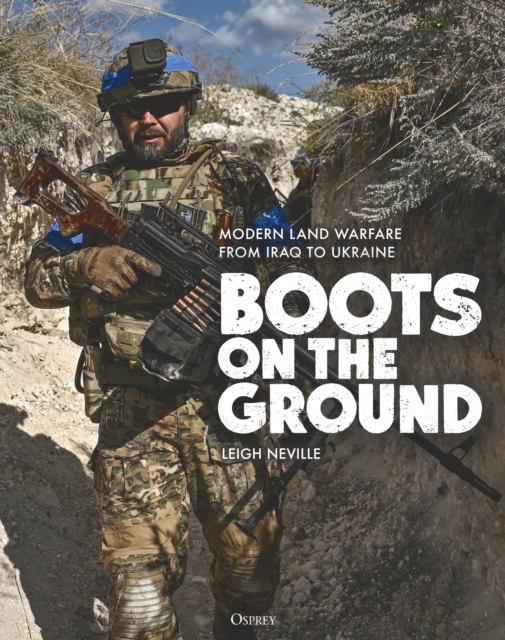
Written by a renowned expert in modern conflicts, this fully illustrated book provides an examination of ground warfare over the past 20 years and looks ahead to the future.
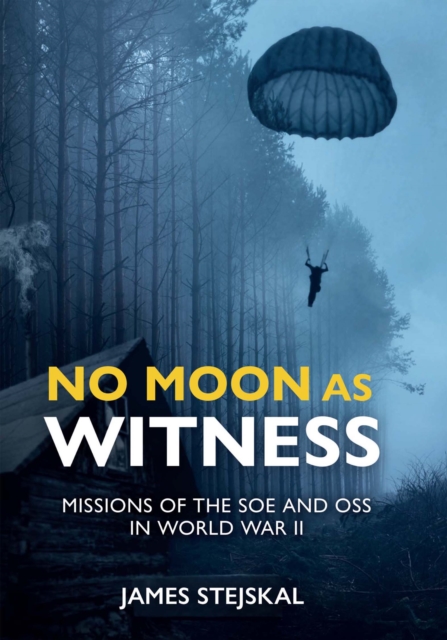
The creation and intense training regimens of the British Special Operations Executive and the American Office of Strategic Services leading into WWII.
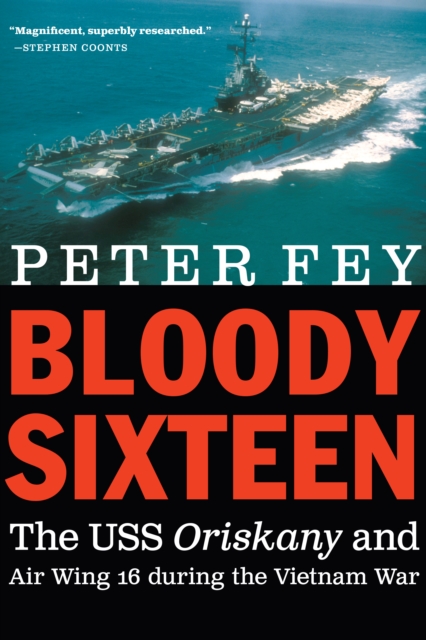
Strategy and reality collide in Peter Fey’s gripping history of aircraft carrier USS Oriskany’s three deployments to Vietnam with Carrier Air Wing 16 (CVW-16).
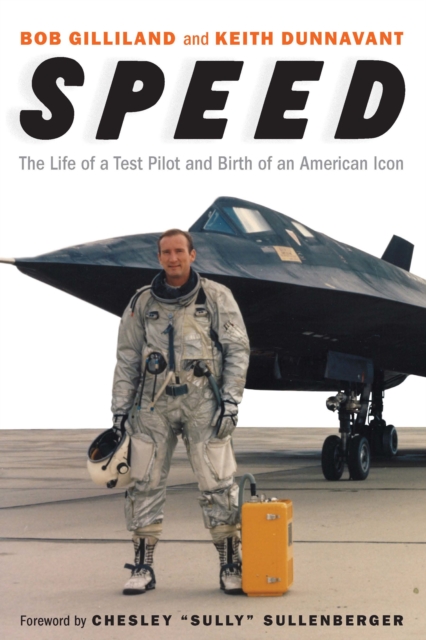
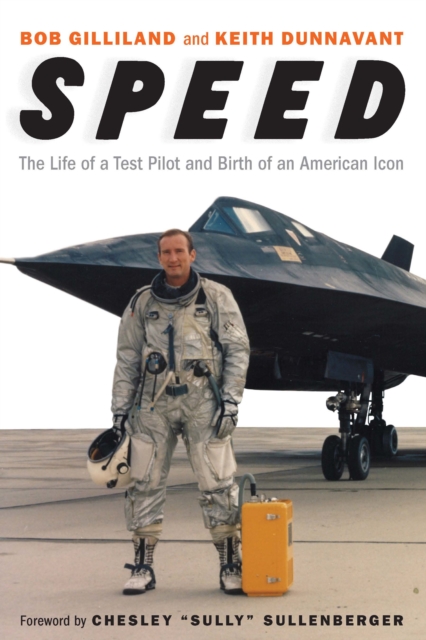
On December 22, 1964, at a small, closely guarded airstrip in the desert town of Palmdale, California, Lockheed test pilot Bob Gilliland stepped into a strange-looking aircraft and roared into aviation history.
On December 22, 1964, at a small, closely guarded airstrip in the desert town of Palmdale, California, Lockheed test pilot Bob Gilliland stepped into a strange-looking aircraft and roared into aviation history.
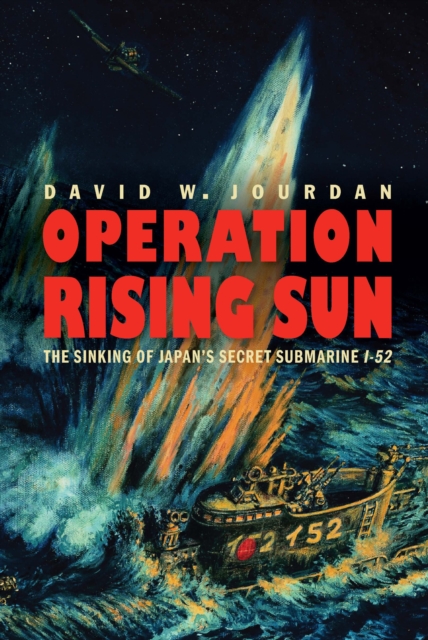
In 1944 Allied codebreakers learned the Imperial Japanese Navy had dispatched the cargo submarine I-52 to occupied France with tons of military supplies and payment-in gold-for German assistance.
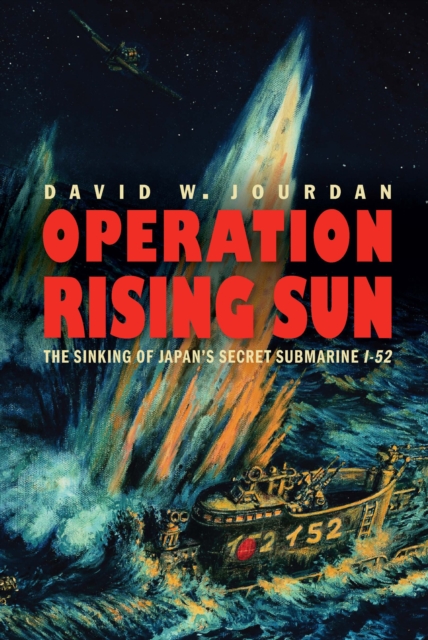
In 1944 Allied codebreakers learned the Imperial Japanese Navy had dispatched the cargo submarine I-52 to occupied France with tons of military supplies and payment-in gold-for German assistance.
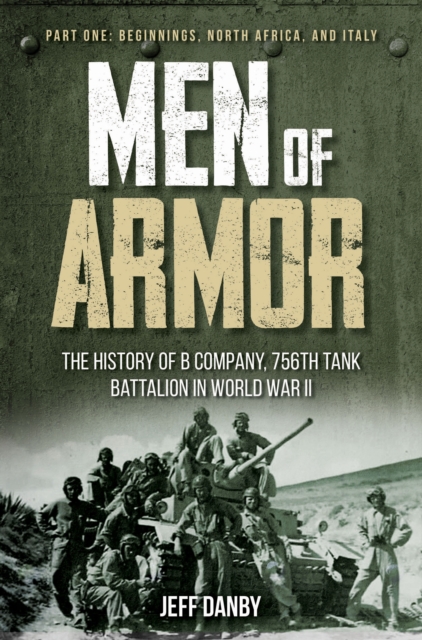
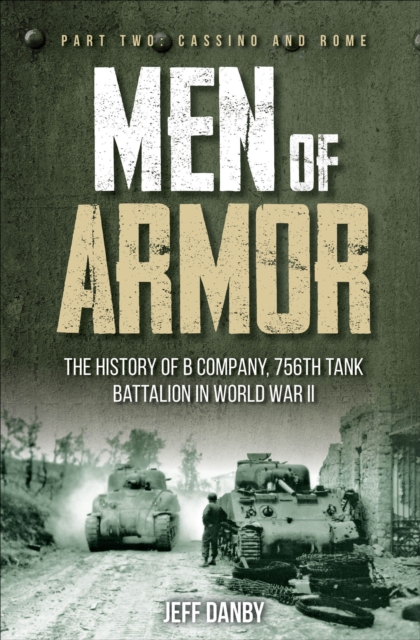
Winner, 2022 Army Historical Foundation Distinguished Writing Awards, Unit HistoryThis second volume follows on from the first in recounting the WWII history of B Company, 756th Tank Battalion in vivid detail.
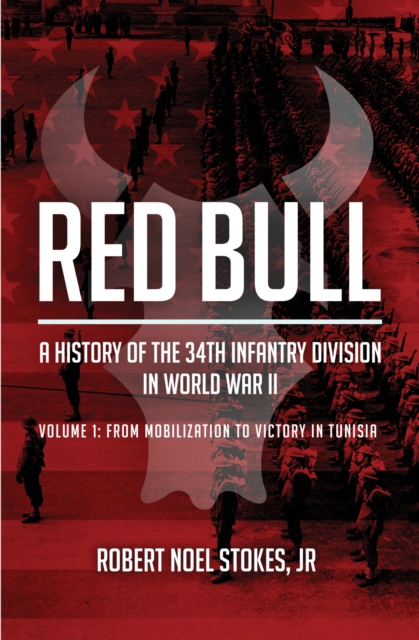
The US Army National Guard’s 34th 'Red Bull' Infantry Division was mobilized against the complex backdrop of the United States’ lack of readiness for modern war before the Japanese attack on Pearl Harbor.
New edition: The classic illustrated history of the special ops unit-"e;an unprecedented look into this little-known aspect of the Vietnam conflict"e; (American Rifleman).
An account of the decisive WWII battles that helped shape Asia's future: "e;Reminds us of the high stakes at risk for both Allies and Axis powers in Burma.
Finalist for the Cundill History PrizeONE OF PRESIDENT BARACK OBAMA'S FAVORITE BOOKS OF THE YEARNAMED A BEST BOOK OF THE YEAR BY The Wall Street Journal and NPR "e;Superb .