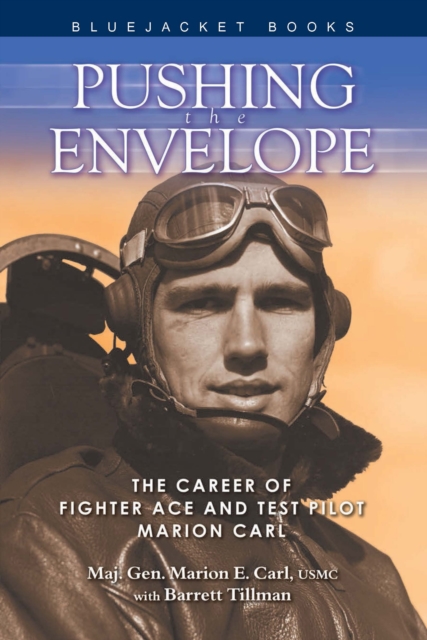
First published in 1994, this stirring autobiography of a fighter and test pilot takes readers full throttle through Carl's imposing list of "e;firsts.
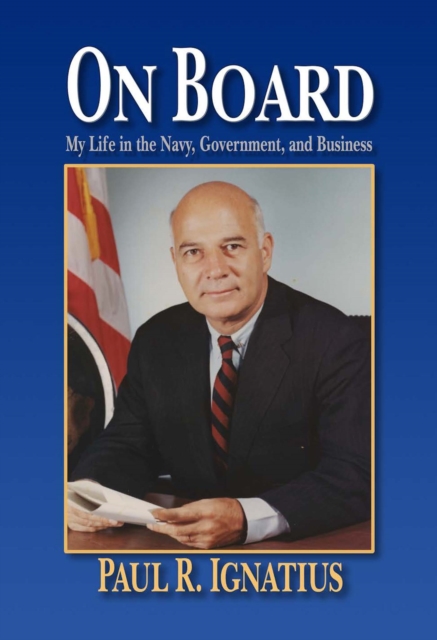
Insights into significant events of the twentieth century are provided in this memoir by Paul Ignatius, a former secretary of the Navy and past president of The Washington Post who participated in many of the events described.
In the early days of World War II, a young Marine named Charles Fenn was recruited by the Office of Strategic Services (OSS) for undercover operations in the China-Burma-India theatre.
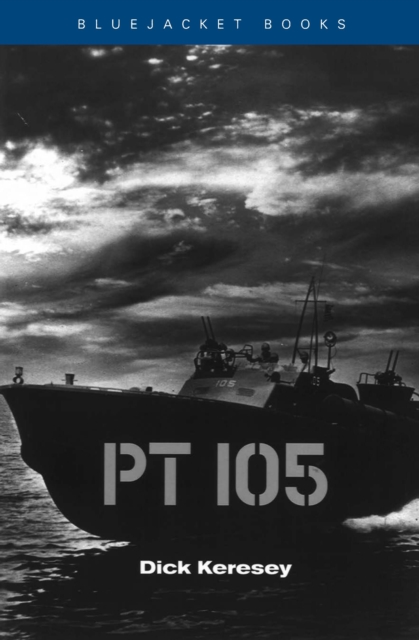
Admittedly small and vulnerable, PT boats were, nevertheless, fast-the fastest craft on the water during World War II-and Dick Keresey's account of these tough little fighters throws new light on their contributions to the war effort.
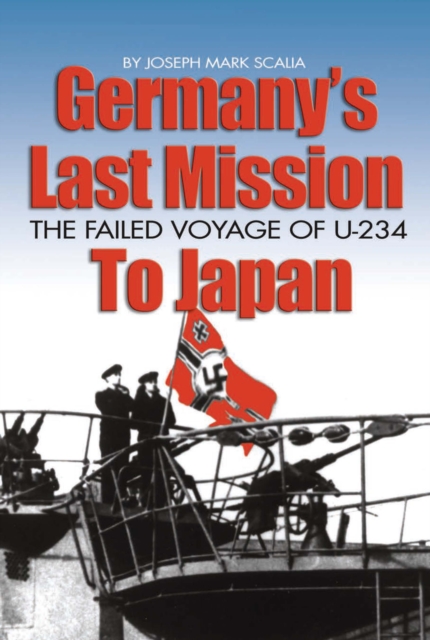
When U-234 slipped out of a Norwegian harbor in March 1945 destined for Japan, it was loaded with some of the most technically advanced weaponry and electronic detection devices of the era, along with a select group of officials.
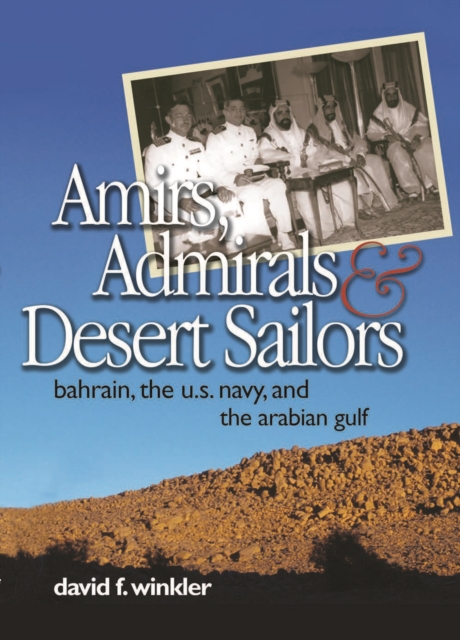
From the Iraqi attack on the USS Stark to Iranian mine fields to Revolutionary Guard gunboats, the 1987-88 Persian Gulf was a place of shadowy danger for U.
In his groundbreaking work, In Defence of Naval Supremacy, Sumida presents a provocative and authoritative revisionist history of the origins, nature and consequences of the "e;Dreadnought Revolution"e; of 1906.
Prior to July 1914, the extensive British grip on the Mediterranean Sea was beginning to weaken, leading to a wide-open competition between Austria-Hungary, Italy, France and Great Britain.
A longtime professor at the Naval War College who once directed strategic and long-range planning for the Navy and Marine Corps in Europe considers the transformation of the U.
This study examines the transformation of the United States Navy as a fighting organization that took place on the North Atlantic Station between 1874 and 1897.
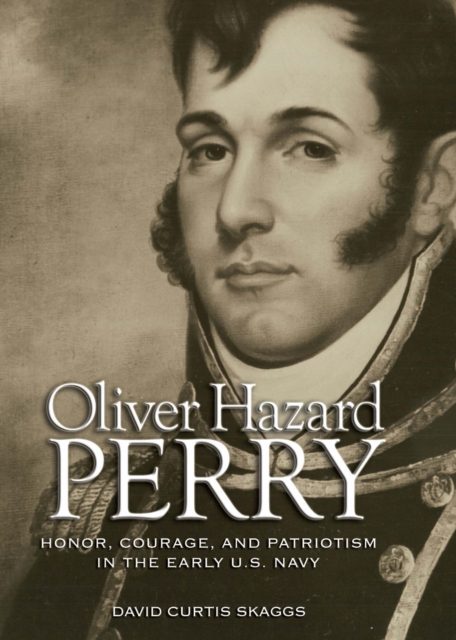
Hailed for his decisive victory over a Royal Navy squadron on Lake Erie in September 1813 and best known for his after-action report proclamation We have met the enemy and they are ours, Oliver Hazard Perry was one the early U.
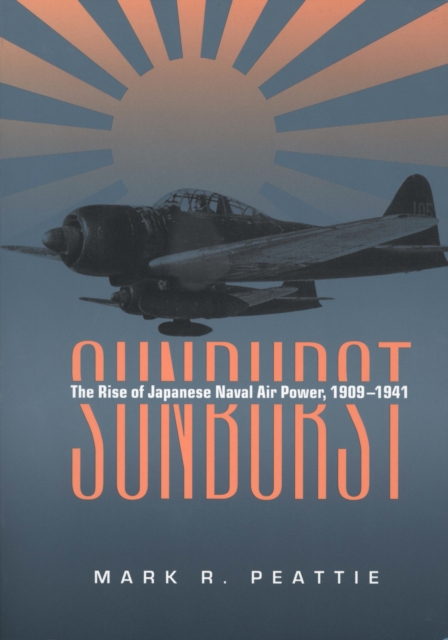
This acclaimed sequel to the Peattie/Evans prizewinning work, Kaigun, illuminates the rise of Japanese naval aviation from its genesis in 1909 to its thunderbolt capability on the eve of the Pacific war.
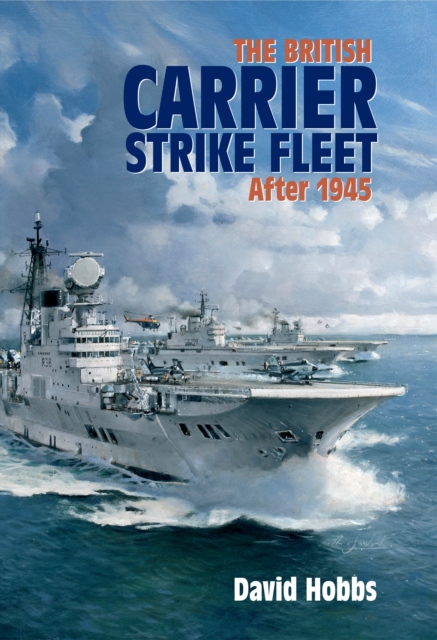
As a follow-up to the highly regarded British Pacific Fleet, David Hobbs looks at the post-World War II fortunes of the most powerful fleet in the Royal Navy-its decline in the face of diminishing resources, its final fall at the hands of ignorant politicians, and its recent resurrection in the form of the Queen Elizabeth class carriers, the largest ships ever built for the Royal Navy.
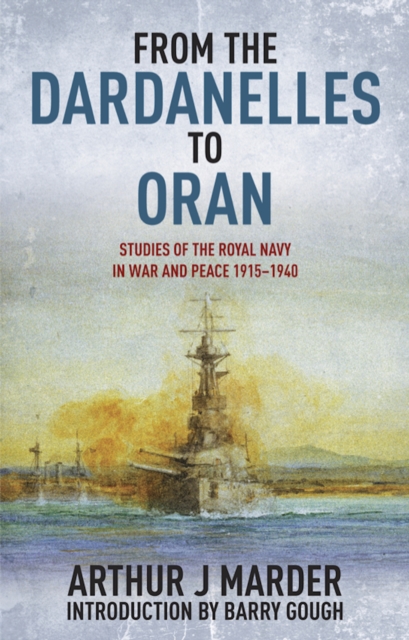
This collection of essays was first published in 1974, and the fact that it remains relevant today is a testament to Marder's legacy as arguably the greatest naval historian of the 20th century.
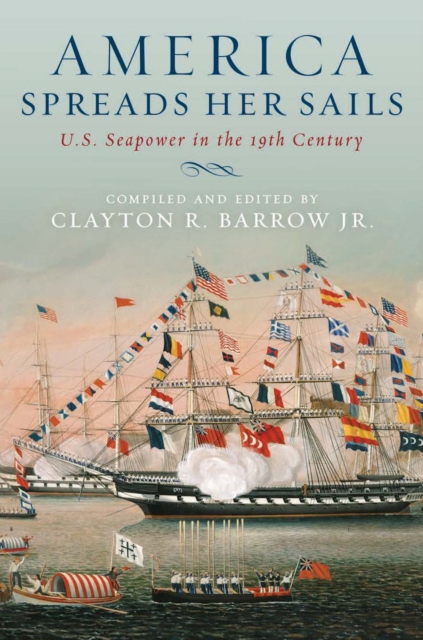
In this new paperback edition of America Spreads Her Sails, fourteen writers and historians demonstrate how American men and goods in American-made ships moved out over Alfred Thayer Mahan's "e;broad common,"e; the sea, to extend the country's commerce, power, political influence, and culture.
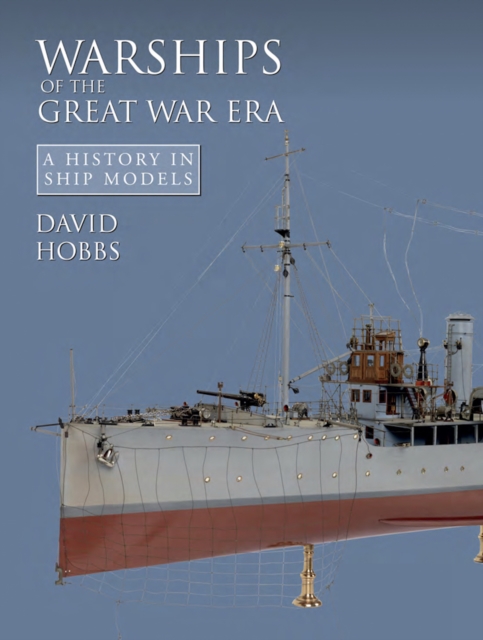
The National Maritime Museum in Greenwich houses the largest collection of scale ship models in the world, many of which are contemporary artifacts made by the craftsmen of the navy or the shipbuilders themselves, ranging from the mid-seventeenth century to the present day.
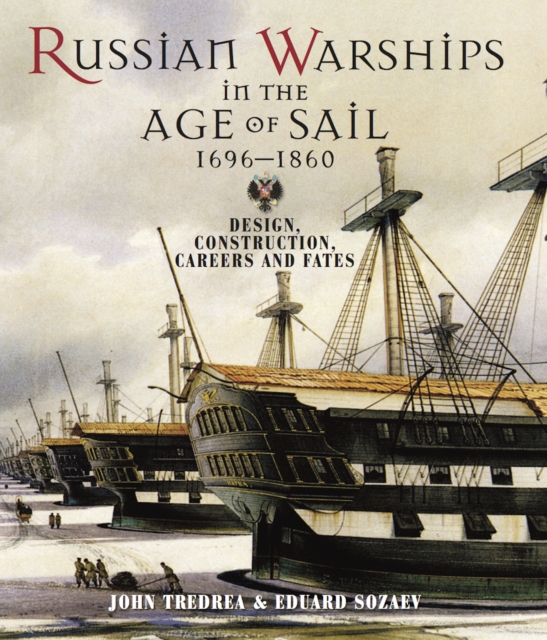
Peter the Great created the Russian navy from nothing, but it soon surpassed Sweden as the Baltic naval power, while in the Black Sea it became an essential tool in driving back the Ottoman Turks from Europe.
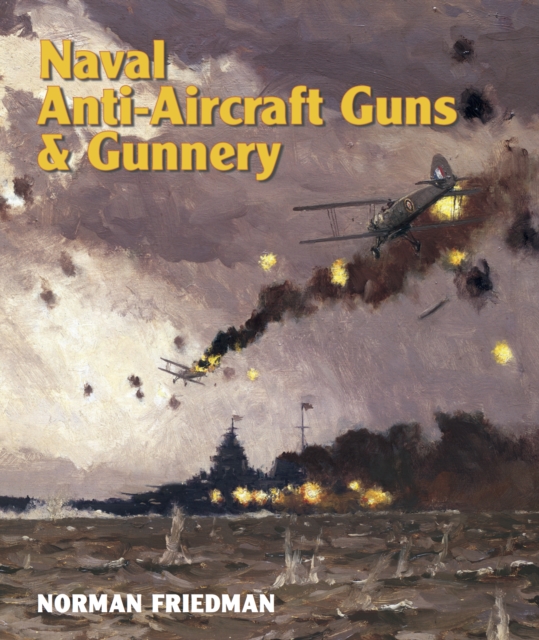
This book does for naval anti-aircraft defense what Friedman's Naval Firepower did for surface gunnery - it makes a highly complex but historically crucial subject accessible to the layman.
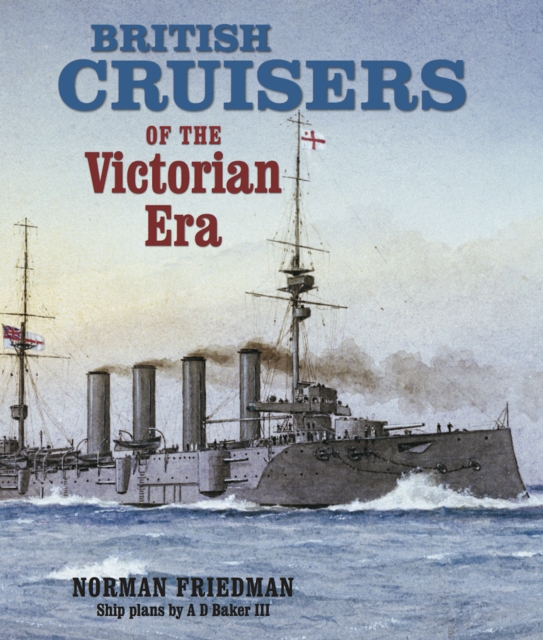
Gradually evolving from sailing frigates, the first modern cruiser is not easy to define, but this book starts with the earliest steam paddle warships, covers the evolution of screw-driven frigates, corvettes and sloops, and then the succeeding iron, composite and steel-hulled classes down to the last armoured cruisers.
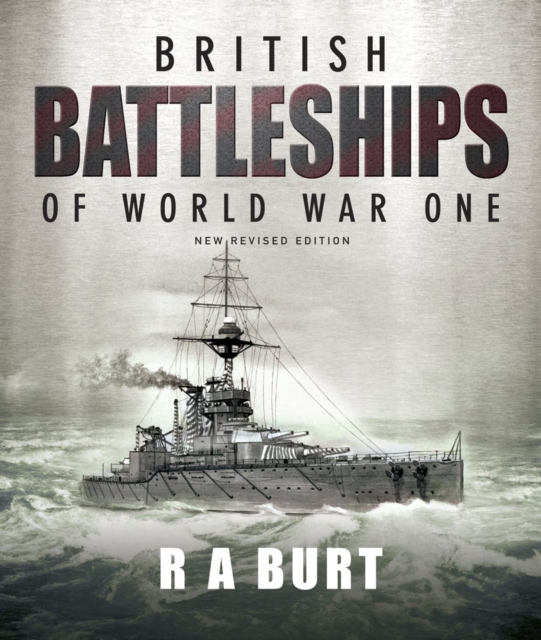
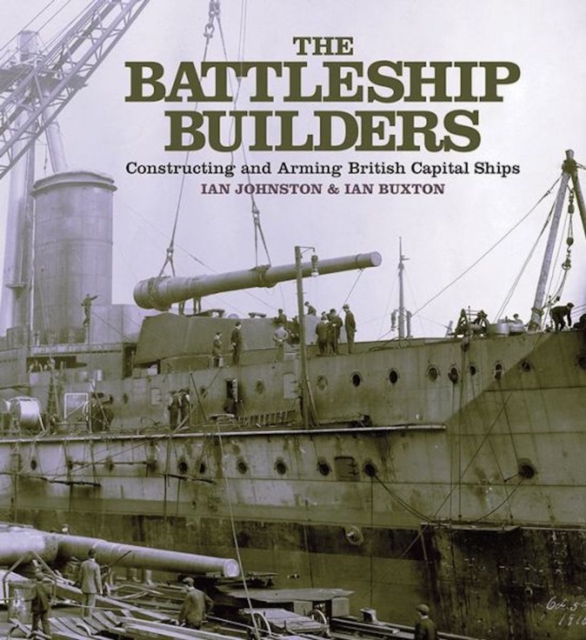
The launch in 1906 of HMS Dreadnought, the world's first all-big-gun battleship, rendered all existing battle fleets obsolete while at the same time wiping out the Royal Navy's numerical advantage.
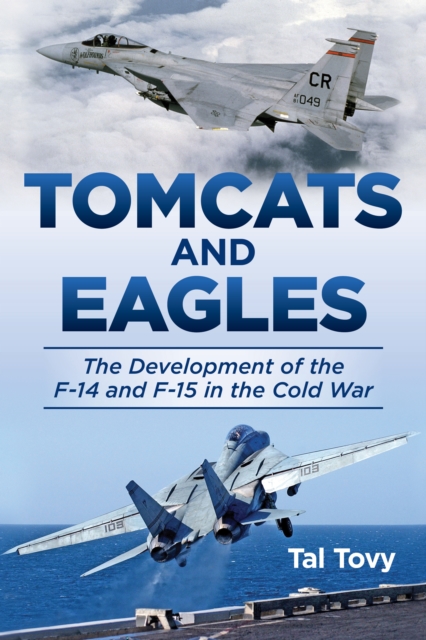
During the first half of the 1970s, two new fighter aircraft entered operational service in the United States: The Navy's Grumman F-14 Tomcat and the Air Force's McDonnell Douglas F-15 Eagle.