This WWII battlefield guide offers a detailed history of the Siege of Fort Eben Emael during the Nazi invasion of Belgium-with maps and photos throughout.
Ninety years after the Battle of the Somme was fought, visitors continue to flock in very large numbers to the massive Memorial to the Missing at Thiepval, site of a bitter three-month struggle during the summer of 1916.
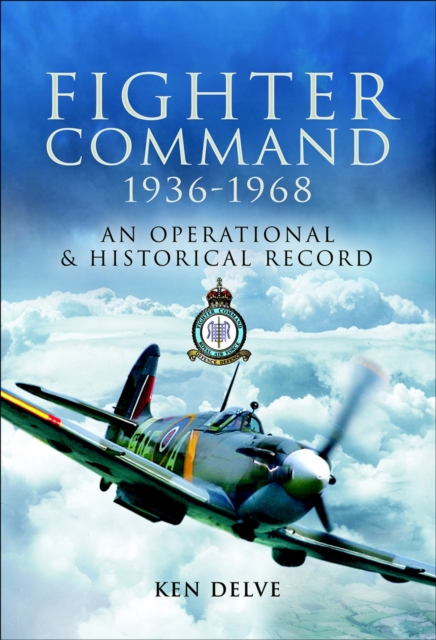
This is a comprehensive reference to the structure, operation, aircraft and men of Fighter Command from its formation in 1936 to 1968 when it became part of Strike Command.
Born in 1762, William Hargood's naval career spanned over 30 years, as he rose from humble midshipman to the captain of one of the most powerful warships of the day at Trafalgar.
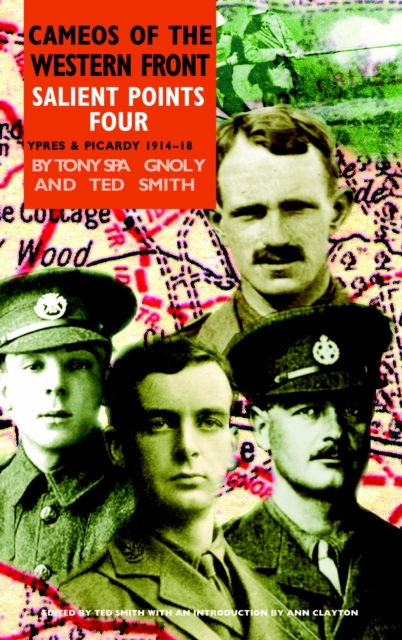
Concentrating on the Ploegsteert and Neuve Eglise sectors in Belgium, this book features stories on such well known figures as sculptor Charles Sargent Jagger, ARA ; R Poulton Palmer and 'Tanky' Turner, great friends and rugby football captains of England and Scotland respectively; as well the discovery and eventual burial of a Lancashire Fuslier who was killed in action in 1914; the research leading to the erection in 2002 of a 'Believed to be buried' headstone in the Strand cemetery of an Australian killed in action at Messines in 1917; the action in 1914 that initiated the birth of the infamous 'Birdcage' on the western edge of Ploegsteert Wood and other stories of interest to enthusiasts of the Great War.
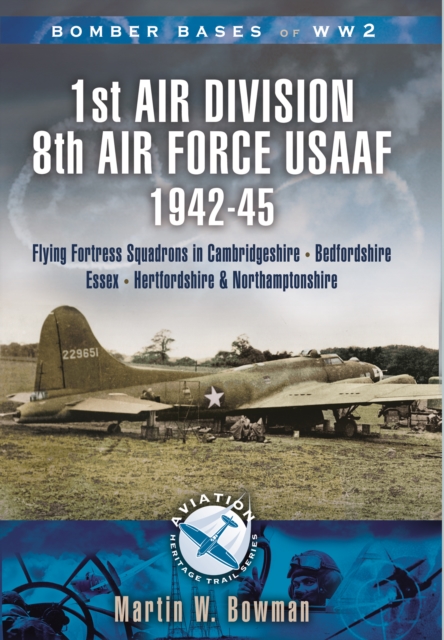
This book covers the bases used during the Second World War by the American fighter units that flew in support of the 8th Air Forces heavy bomber forces.
As part of the AHT series, the airfields and interest in this book are concentrated in a particular area-in this case Cambridgeshire, Bedfordshire and Northamptonshire.
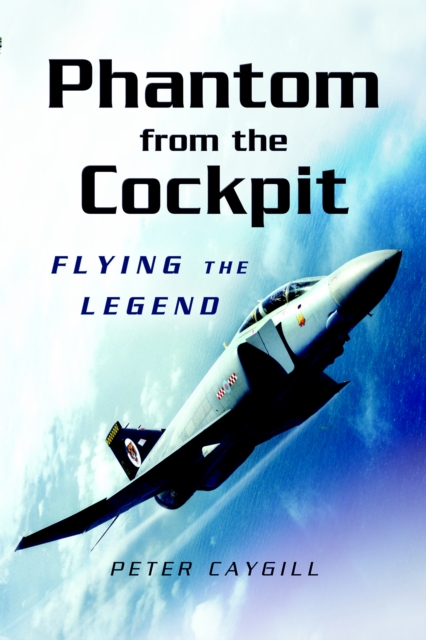
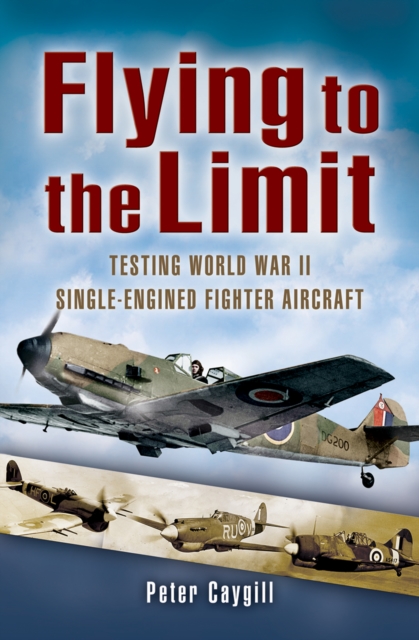
The author of Javelin from the Cockpit looks at some of the more notable British, German, and American fighters through performance and handling trials.
The inter-war years between 1918 and 1939 saw the newly created Royal Air Force fighting for its very existence politically, being dispatched to the remotest corners of the British Empire and its Protectorates in various policing roles and then finally engaged in a headlong rush to modernize in the face of the new German Fascist regime that was threatening British and European freedom.
What was a merchant seamans life like in the past, what experiences would he have had, what were the ships like that he sailed in, and what risks did he run?
The British Army is the UK's second largest operator of military aircraft, fielding more than 300 armed helicopters, fixed wing surveillance aircraft and unmanned aerial vehicles.
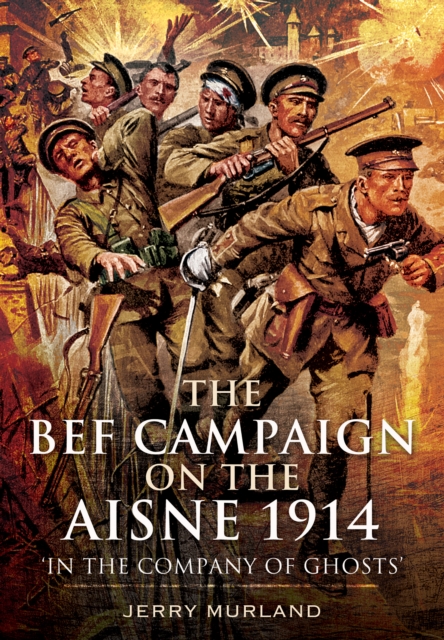
The river Aisne featured prominently in August 1914 during the Retreat from Mons and in September was the scene of bitter fighting when the BEF re-crossed it in their unsuccessful attempt to dislodge the German Army entrenched along the Northern Crest.
A first-hand account from a British POW, "e;not so much about the building of the Burma-Siam railway as it is about the existence of the men who built it"e; (BiblioBuffet.
A first-hand account from a British POW, "e;not so much about the building of the Burma-Siam railway as it is about the existence of the men who built it"e; (BiblioBuffet.