Born out of necessity in the dark days of the War, the RAF Regiment found itself in the thick of the action supporting the vital operations in all theaters.
A century after the Wright Brothers first took to the air, the author records those moments of aviation history that stand out from all the others for their pioneering bravery or gallantry in the face of the enemy.
Air Marshal Sir Geoffrey Salmond and his brother Jack joined the Royal Flying Corps during the Great War and both were to have a major influence on the development of the Royal Air Force in the 1920s and 1930s.
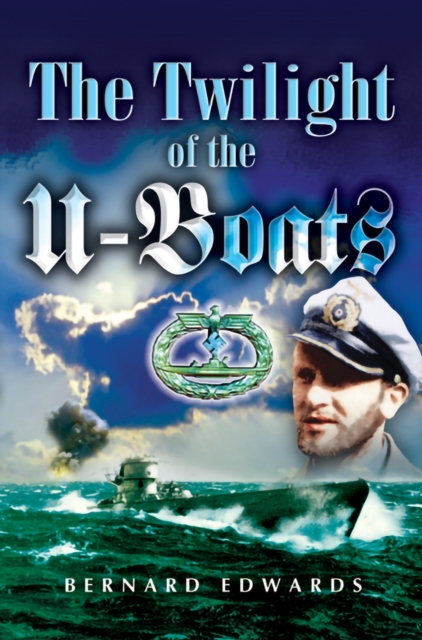
"e;A gripping narrative"e; of the German submarines that nearly changed the outcome of World War II from the author of Donitz and the Wolf Packs (Naval Review).
A firsthand account of a World War II crewman in the 427 (Lion) Squadron of the Royal Canadian Air Force who was captured by the Nazis and became a POW.
A Soviet bomber pilot who flew more than 300 missions behind enemy lines offers a rare firsthand account of life on the Eastern Front in this WWII memoir.
6 Group was born out of the British Commonwealth Air Training Plan (BCATP), which, among other things called for the formation of 25 Canadian Squadrons in Britain.
Scottish Lion on Patrol was first published in 1950, the record of the 15th Scottish Reconnaissance Regiments formation, training and service in the campaign that took them from Normandy to the Baltic.
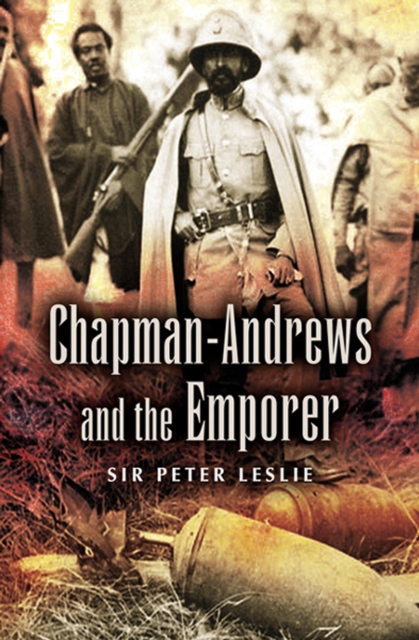
This is the previously untold story of the remarkable relationship between a young British diplomat and Emperor Haile Selassie of Ethiopia from the latter's Coronation in 1930 until his murder in 1975.
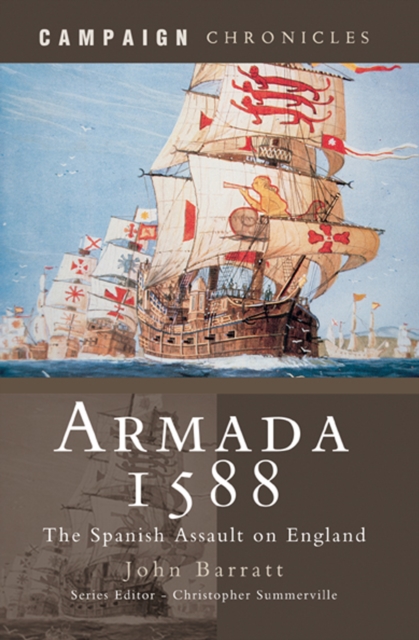
The political machinations, the strategies, and the hour-by-hour accounts of the war that locked Elizabeth I and Philip II in a battle for naval supremacy.
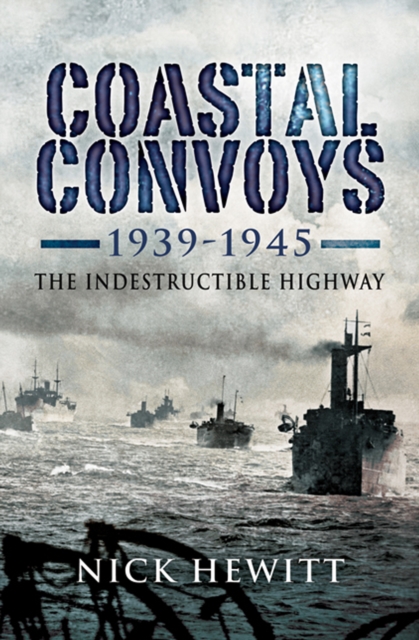
Using official records from the National Archives personal accounts from the Imperial War Museum and other sources, Coastal Convoys 1939 1945: The Indestructible Highway describes Britains dependence on coastal shipping and the introduction of the convoy system in coastal waters at the outset of the war.
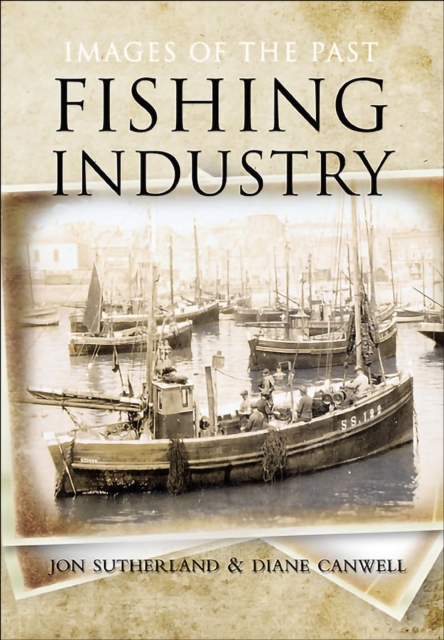
Working with prestigious archives of contemporary photographs, the authors chart the history of Britain's fishing heritage with 120 rarely seen photographs.
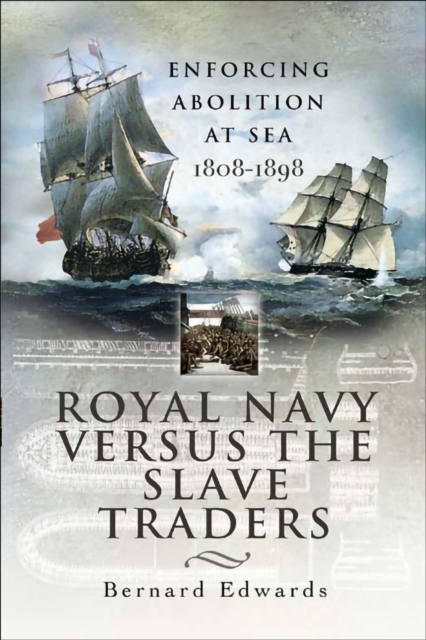
The acclaimed naval historian sheds significant light on the Royal Navy's role in fighting the African slave trade through years of bitter battle at sea.
A gripping account of the RAF's attempt to destroy a Messerschmitt factory in 1944, and the carnage and confusion that unfolded on a dark winter night.
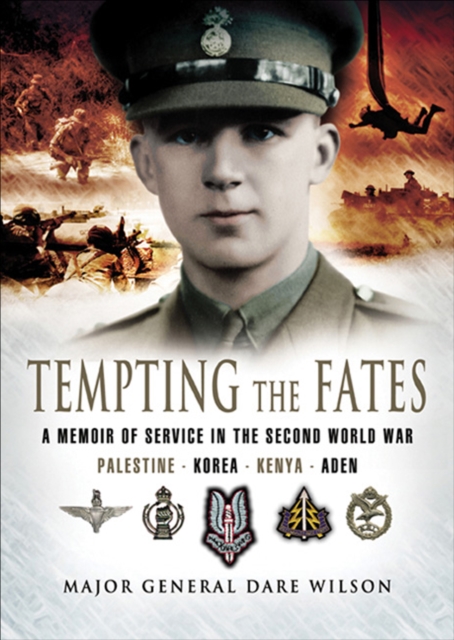
General Dare Wilson saw action in France 1940 (Dunkirk), Italy and North West Europe (where he won his MC) with the Northumberland Fusiliers and later the Recce Regiment.