Award-winning historian David Wragg's Second World War Carrier Campaigns explores how aircraft carriers changed the course of the war for Allied victory.
A history of the Kent Fortress Royal Engineers and their WWII mission to destroy oil reserves along the Continental coastline, by the man who lived it.
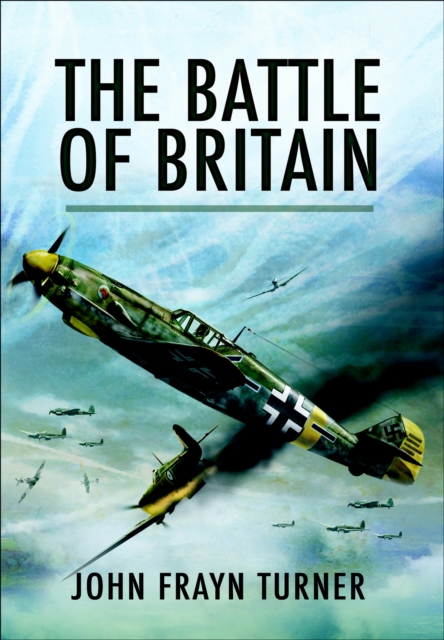
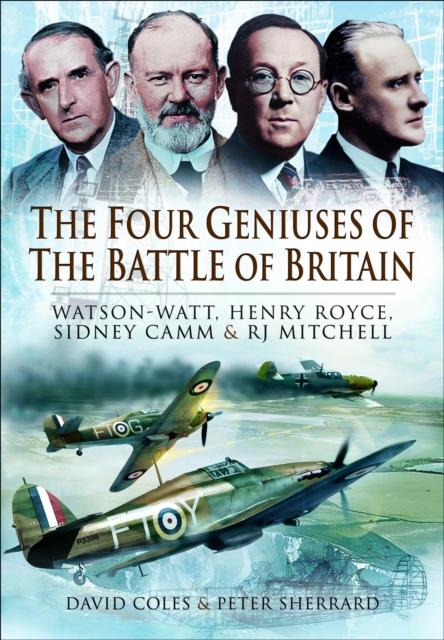
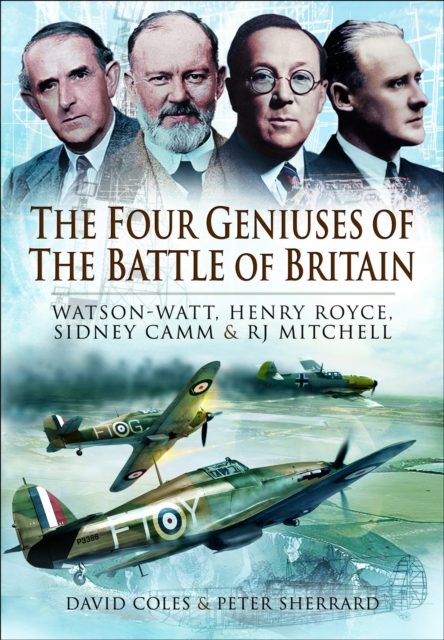
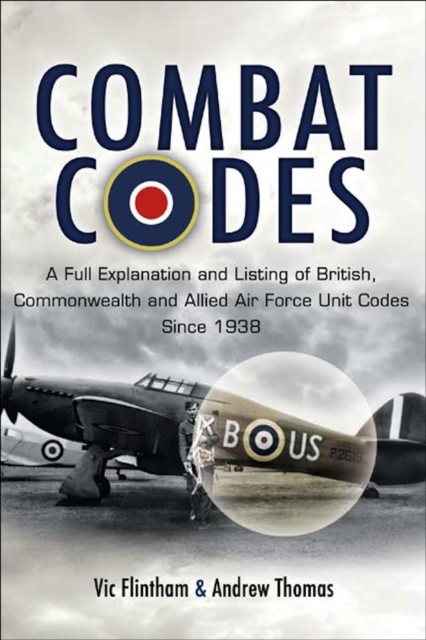
"e;Had it not been for the vital contributions of the four men and their inventions described in this book the Battle of Britain could not have been won by the Royal Air Force.
"e;Had it not been for the vital contributions of the four men and their inventions described in this book the Battle of Britain could not have been won by the Royal Air Force.
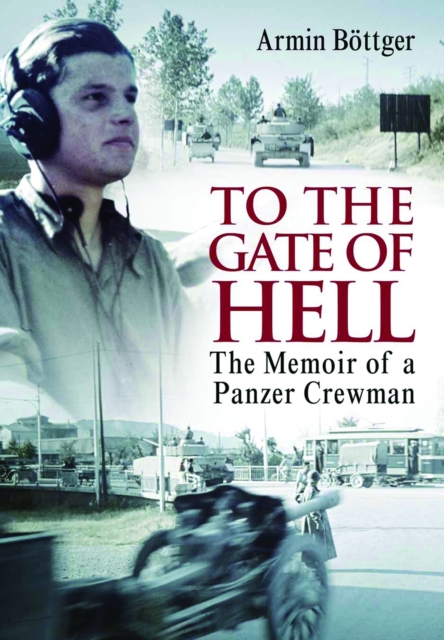
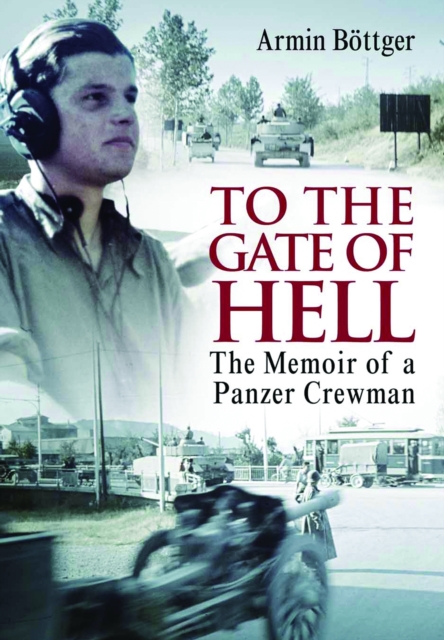
Until seriously wounded in August 1944, when he was badly burned when his tank was hit and caught fire during fighting in southern Poland, Armin Böttger experienced the horrors of the Second World War on the Eastern Front from the perspective of a tank radio operator in the 24th Panzer Division.
Until seriously wounded in August 1944, when he was badly burned when his tank was hit and caught fire during fighting in southern Poland, Armin Böttger experienced the horrors of the Second World War on the Eastern Front from the perspective of a tank radio operator in the 24th Panzer Division.
This WWII battlefield guide offers twelve walking tours covering all the major sites of the D-Day landings in Normandy with in-depth historical context.
This WWII battlefield guide offers twelve walking tours covering all the major sites of the D-Day landings in Normandy with in-depth historical context.
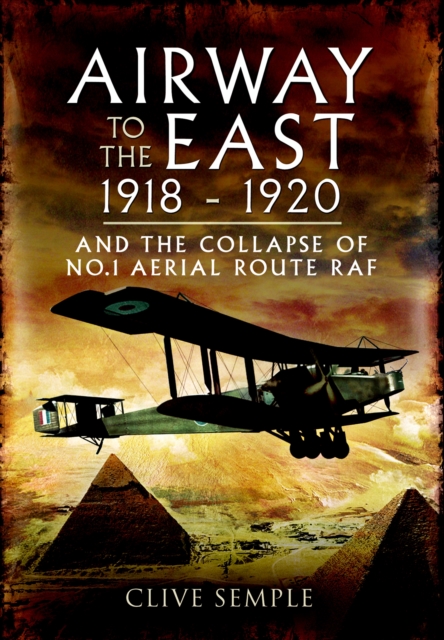
The origins of what became officially known as No 1 Aerial Route lay in the newly formed Royal Air Forces desire to move several squadrons of the then recently designed first heavy bomber to enter service the Handley Page O/400, to the war in the Middle-East.
In The Beekeeper of Sinjar, the acclaimed poet and journalist Dunya Mikhail tells the harrowing stories of women from across Iraq who have managed to escape the clutches of ISIS.
Every day for nine months from September 1944 to the end of the war, young British, Commonwealth and Norwegian airmen flew from Banff aerodrome in northern Scotland in their Mosquitoes and Beaufighters to target the German U-Boats, merchantmen and freighters plying along the coast and in the fjords and leads of southwest Norway, encountering the Luftwaffe and flakships every step of the way.
This book captures the experience of the South African Air Force helicopter pilot as never before; from 'rookie' to seasoned combat aviator in one of history's most intense counterinsurgency conflicts - the South African Border War.
The imperial Austrian navy which fought and won the signal victory of Lissa on 20 July 1866, during the so-called Seven Weeks' War of 1866, has in recent years been subjected to more detailed scrutiny than has hitherto been its lot, and it is with an eye to following this trend that we present the following translation of part of the memoirs of one of its officers.
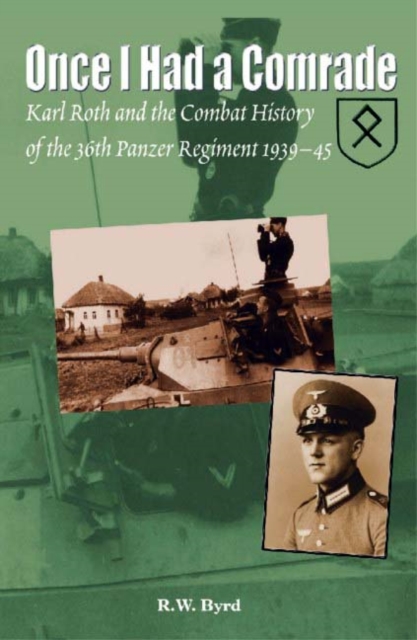
Once I Had a Comrade is the story of the author's German father-in-law, Karl Roth, who grew up during the tumultuous 1930s in the Franconian town of Schweinfurt, located in northern Bavaria, and of his regiment, 36th Panzer Regiment.
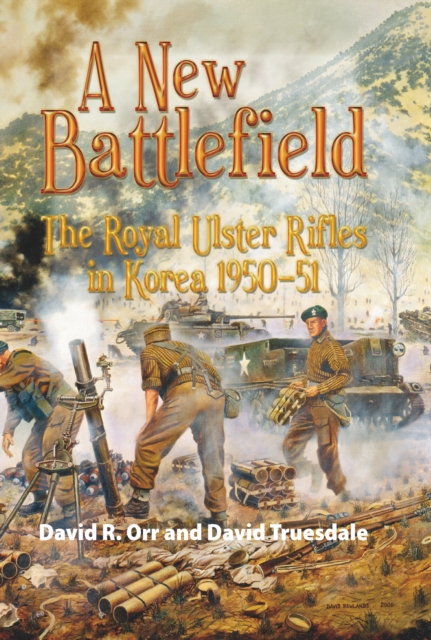
Since the publication of The Rifles Are There in 2005, which dealt with the 1st and 2nd Battalions Royal Ulster Rifles in the Second World War, it was felt by many that a follow up volume dealing with the Korean conflict was overdue.
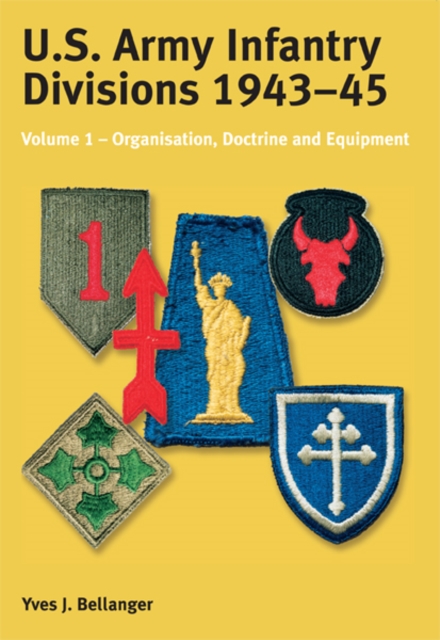
In the first of a two-volume study, the author presents an extremely detailed record of the Organisation, doctrine and equipment of US Army infantry divisions during the latter part of World War II.
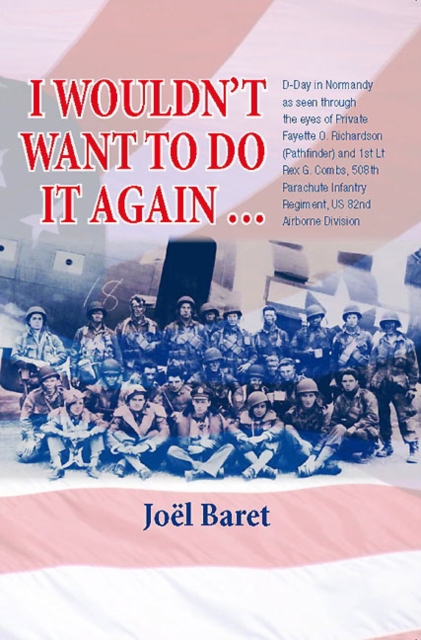
Based on the written testimonies and personal archives of two veterans of the 508th Parachute Infantry Regiment attached to the famous US 82nd Airborne Division, this book tells the story of two young Americans who unwittingly became actors in one of the greatest crusades against tyranny the world has ever known.
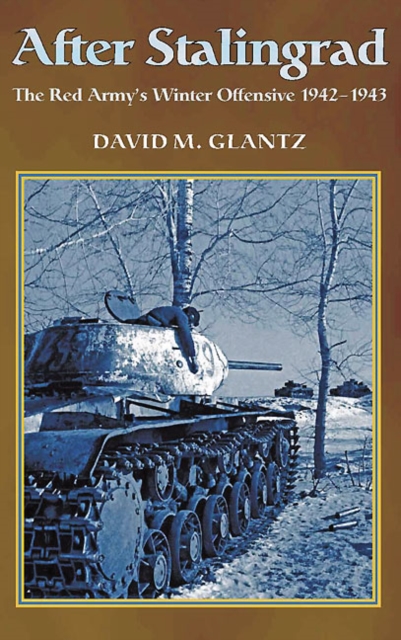
In the wake of the Red Army's signal victory at Stalingrad, which began when its surprise counteroffensive encircled German Sixth Army in Stalingrad region in mid-November 1942 and ended when its forces liquidated beleaguered Sixth Army in early February 1943, the Soviet High Command (Stavka) expanded its counteroffensive into a full-fledged winter offensive which nearly collapsed German defenses in southern Russia.
The growth in size, lethality, and technology of the German Luftwaffe was of concern to some defense planners in the United States before American entry into the war.
The growth in size, lethality, and technology of the German Luftwaffe was of concern to some defense planners in the United States before American entry into the war.