Many regard this work as the definitive account of a controversial conflict of the war in the Pacific, the June 1944 battle known as the "e;Great Marianas Turkey Shoot.
Vividly written and well researched by a noted historian of the period, this succinct history credits the Union Navy as an essential element in the northern victory.
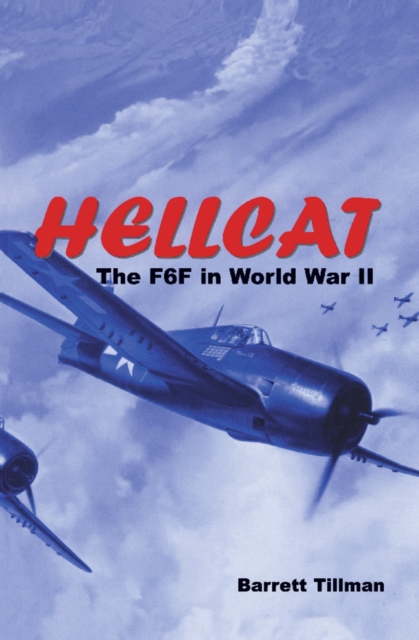
Largely responsible for crushing Japanese airpower wherever the American fast carrier force sailed, the Grumman F6F Hellcat was considered the most important Allied aircraft in the Pacific during 1943 and 1944.
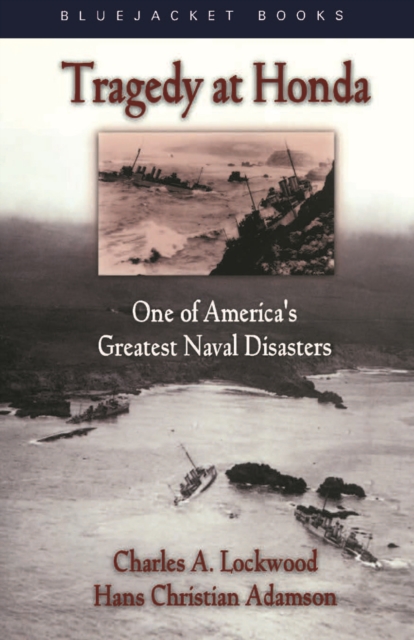
Known to seafarers as the Devils Jaw, Point Honda has lured ships to its dangerous rocks on Californias coast for centuries, but its worst disaster occurred on 8 September 1923.
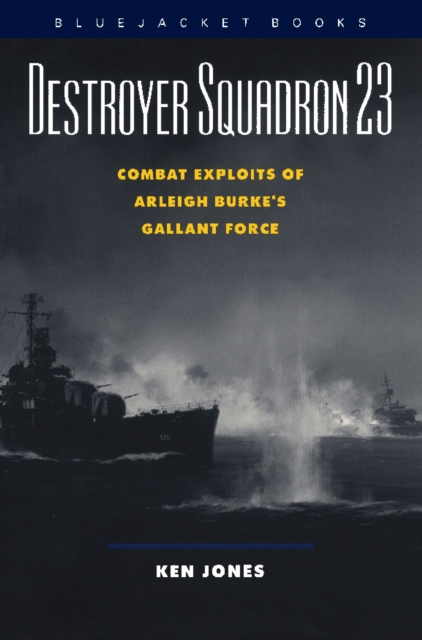
Called one of the most inspiring stories to come out of World War II when first published in 1959, this epic account of Arleigh Burke's legendary Destroyer Squadron 23 is much more than a story of ships and their tactical deployment.
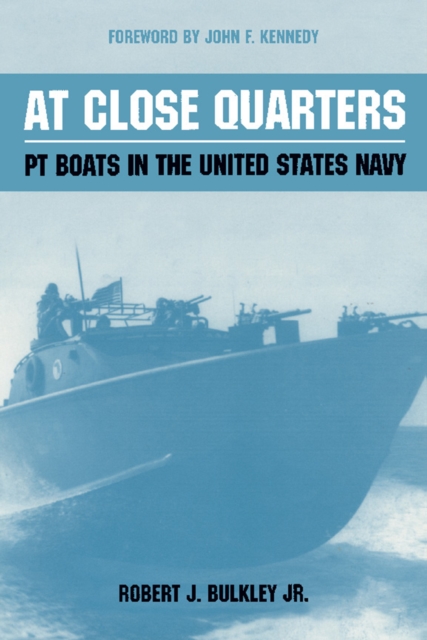
Small though they were, PT boats played a key role in World War II, carrying out an astonishing variety of missions where fast, versatile, and strongly armed vessels were needed.
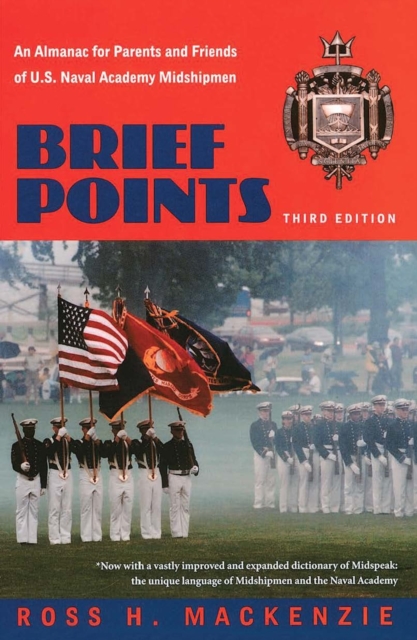
The Naval Academy's culture is a unique and sometimes baffling phenomenon to the outside world, but with this newly updated guide in hand relatives and friends of midshipmen will find answers to all the questions they might have about Academy life.
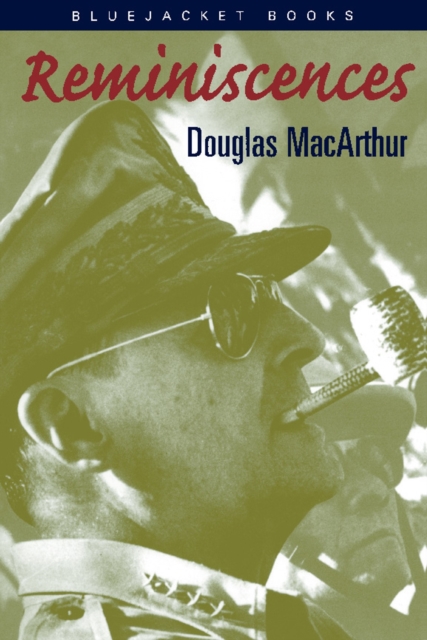
Written in his own hand, and finished only weeks before his death, Reminiscences by General Douglas MacArthur spans more than half a century of modern history.
There have been a number of studies published on the activities of British and German navies during World War I, but little on naval action in other arenas.
One of the largest and most complex military efforts ever undertaken, the Leyte Operation was the Allies' first and most important major combined operation to liberate the Philippine archipelago.
From huddled command conferences to cramped cockpits, John Lundstrom guides readers through the maelstrom of air combat at Guadalcanal in this impressively researched sequel to his earlier study.
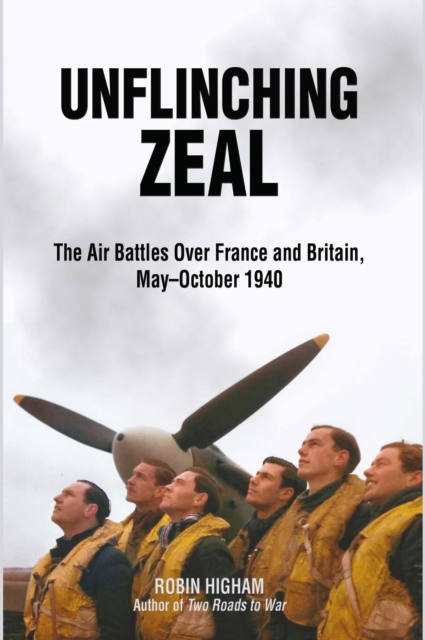
This consequential work by a pioneer aviation historian fills a significant lacuna in the story of the defeat of France in May-June 1940 and more fully explains the Battle of Britain of July-October of that year and the influence it had on the Luftwaffe in the 1941 invasion of the USSR.
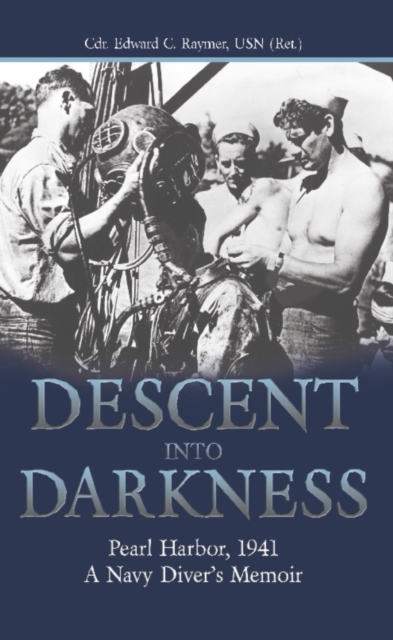
On December 7, 1941, as the great battleships Arizona, Oklahoma, and Utah lie paralyzed and burning in the aftermath of the Japanese attack on Pearl Harbor, a crack team of U.
In August 1943, the Luftwaffe began using radio-controlled anti-ship glide bombs and within weeks they had sunk one battleship, crippled another, wrecked two cruisers, and destroyed numerous merchant ships.
In early August 1974, despite incredible risks and after six years of secret preparations, the CIA attempted to salvage the sunken Soviet ballistic missile submarine K-129 from the depths of the North Pacific Ocean.
This memoir of James Stavridis' two years in command of the destroyer USS Barry reveals the human side of what it is like to be in charge of a warship-for the first time and in the midst of international crisis.
In 1965, despite pronounced disadvantages in firepower and mobility, the Communist Vietnamese endeavored to crush South Vietnam and expel the American military with a strategy for a quick and decisive victory predicated not on guerrilla but big-unit war.
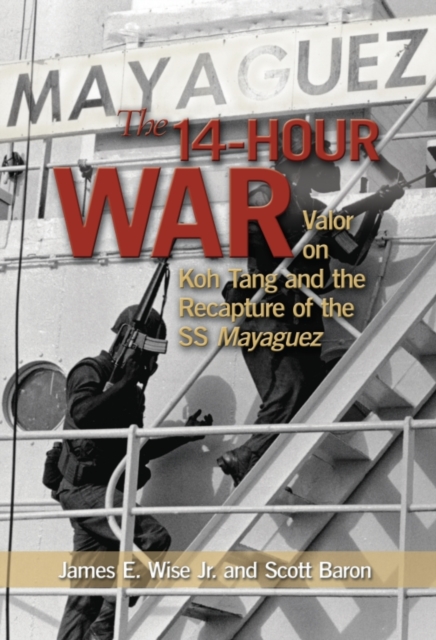
A hastily conceived joint operation to recover the American container ship, Mayaguez, and her crew that had been seized by the Khmer Rouge off the Cambodian coast in 1975 was plagued by inaccurate intelligence and a micro-managed command structure that extended to the Oval Office.
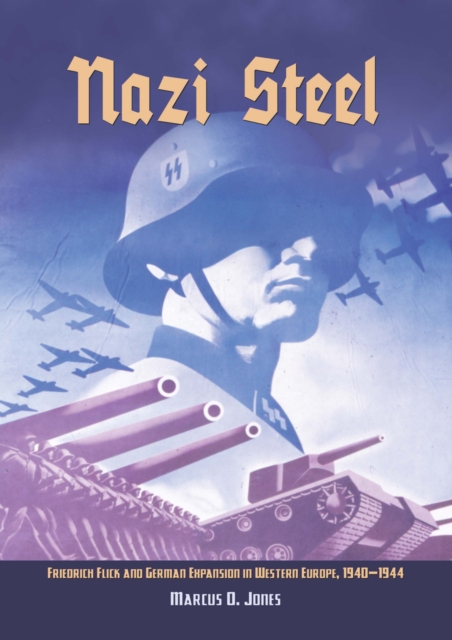
This study explores an exemplary instance of the close interaction between private and official interests in planning and executing the programs of the Nazi government, namely the acquisition in 1941 of the Rombach steel works by the German industrialist Friedrich Flick.
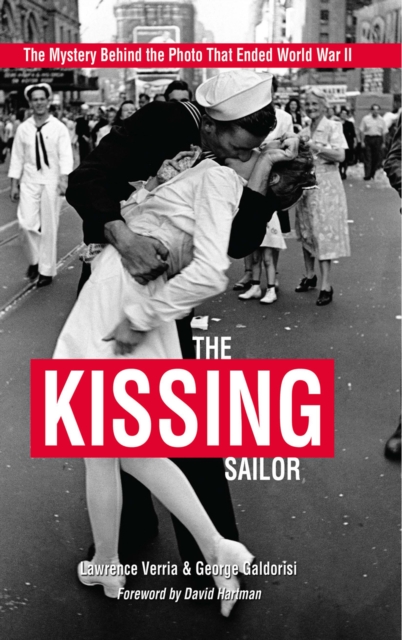
On August 14, 1945, Alfred Eisenstaedt took a picture of a sailor kissing a nurse in Times Square, minutes after they heard of Japan's surrender to the United States.
China's turn toward the sea is evident in its stunning rise in global shipbuilding markets, its expanding merchant marine, its wide reach of offshore energy exploration, its growing fishing fleet, and its increasingly modern navy.
This book is an account of a disaster at sea, the sinking by a German submarine of the passenger liner Athenia sailing from Liverpool to Montreal, loaded with Americans, Canadians, and Europeans, attempting to cross the Atlantic before the outbreak of war.
A sailors extraordinary experiences on an American submarine in the Pacific are candidly reported in this eyewitness account of war from a torpedomans perspective.
This book explores the diverse range of practical and theoretical challenges and possibilities that digital technologies and platforms pose for Holocaust memory, education and research.