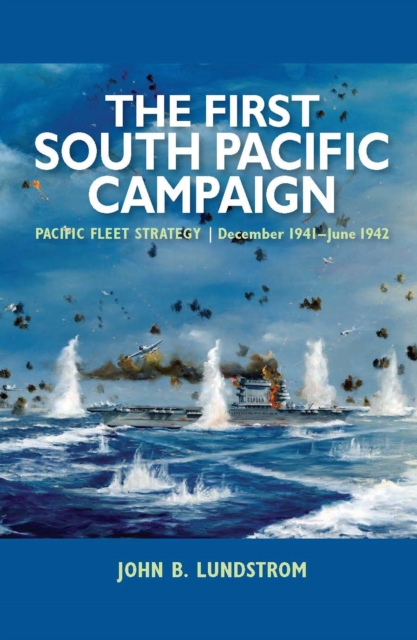
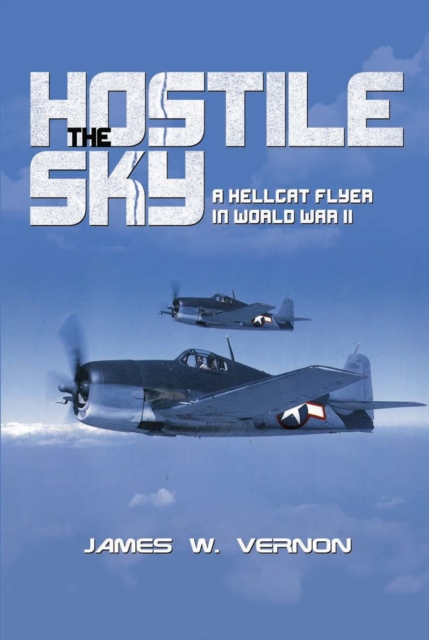
On May 7 and 8, 1942, fast carrier task forces from the United States and Imperial Japanese navies met in combat for the first time in the Battle of the Coral Sea.
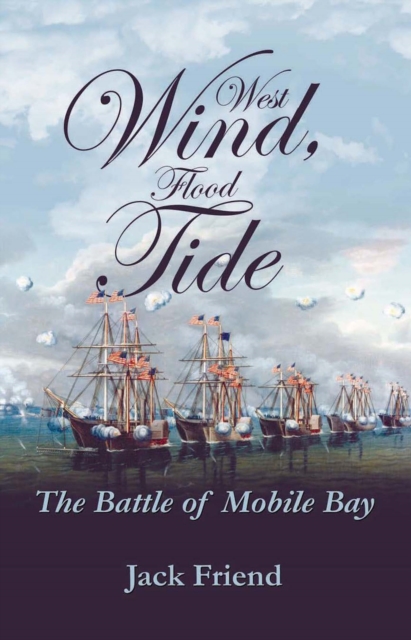
Immortalized by David Farragut's apothegm, "e;Damn the torpedoes, full speed ahead,"e; the Battle of Mobile Bay remains one of history's great naval engagements, a contest between two admirals trained in the same naval tradition who once fought under the same flag.
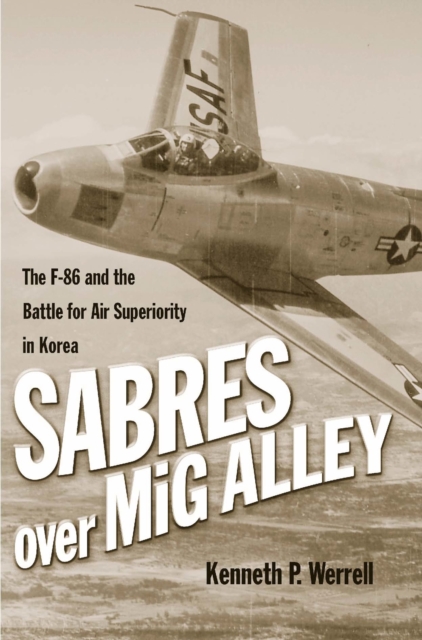
This is the story of the first jet versus jet war, the largest in number of victories and losses, and one of the few military bright spots in the Korean War.
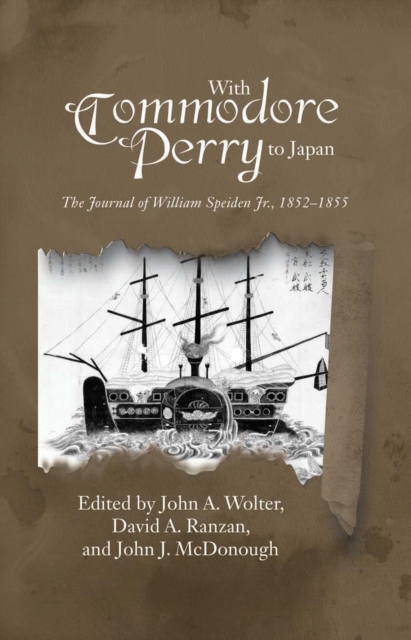
With Commodore Perry to Japan offers a personable account of Commodore Perrys expedition to Japan through the eyes of a sixteen-year-old pursers clerk of the Mississippi.
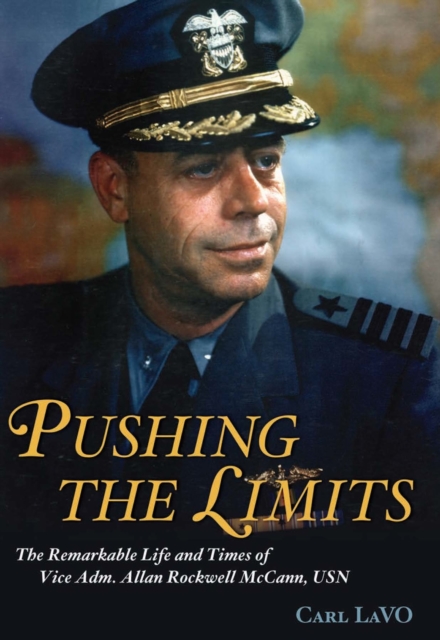
Vice Admiral Allan Rockwell McCann left no reminiscences that might reveal a deeper sense of his extraordinary service, but naval historian Carl LaVO has filled that void by writing this revealing-and often inspiring-biography.
This analytic and historical study provides a revealing look at naval operational intelligence by embracing the fundamental question of what OPINTEL is and how it answers the fundamental question "e;Where is the enemy, in what strength, and disposition, and what is he doing right now?
This is a story of adventure in the Hindu Kush Mountains, and of a previously untold Military and Naval Intelligence Mission along about 800 miles of the Durand Line in World War II.
In today's world of satellites and electronic spying it is hard to appreciate the difficulties involved two centuries ago in collecting and disseminatingsecret intelligence in a time of war.
The Captain from Connecticut is the definitive biography of the man who became a national hero as the commander of the USS Constitution in her dramatic victory over HMS Guerriere in the War of 1812.
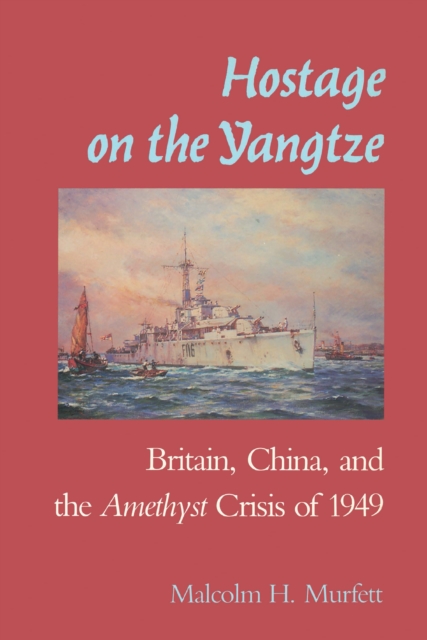
In 1949, as the Chinese Civil War was about to enter its final, explosive stage, the small British frigate HMS Amethyst was sent on a dangerous mission up the Yangtze River to protect British citizens in Nanking.
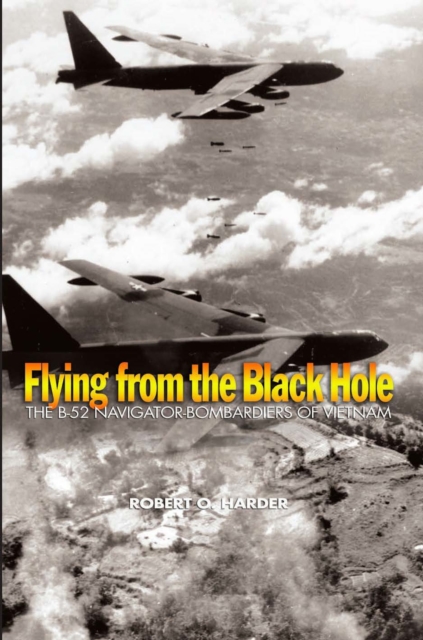
Air Force navigators and bombardiers have long labored under the shadow of pilots--their contributions undervalued, misunderstood, or simply unknown to the general public.
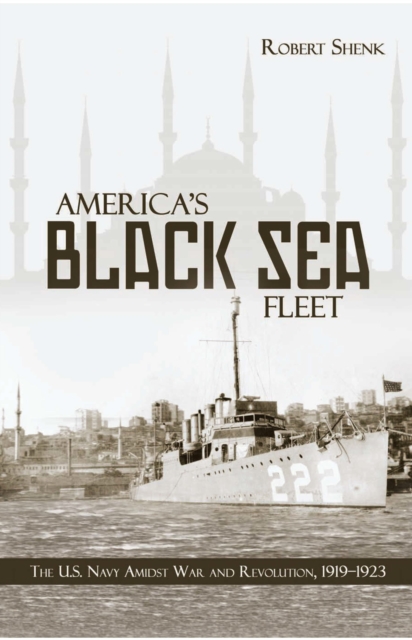
Drawing on previously untapped sources, Robert Shenk offers a revealing portrait of America's small Black Sea fleet in the years following World War I.
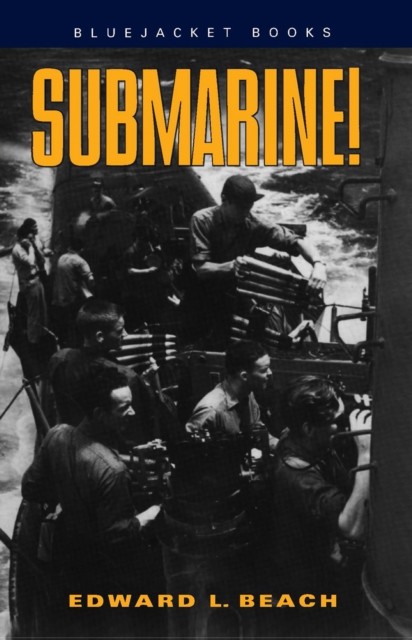
Welcomed as the first book about American submarines in World War II to be written by a man who actually fought them, this compelling personal account of the war beneath the sea firmly established Edward L.
A World War II adventure story of epic proportions, this book tells the heroic tale of a dedicated band of men who refused to let their crippled ship sink to the bottom of the Pacific in late 1944.
A classic and poignant treatment of Japan's struggle between recognition of the kamikaze's futility and the country's pride in having made the attempt to stem the tide of the American advance in 1944-1945, this account, given by two former Kamikaze pilots, testifies to Japanese perspective of the last days of World War II.
The Pacific War changed abruptly in November 1943 when Admiral Chester Nimitz unleashed a relentless 18-month, 4,000-mile offensive across the Central Pacific, spearheaded by fast carrier task forces and U.
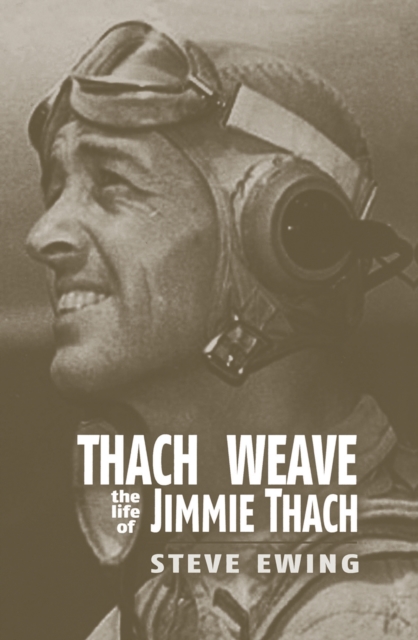
This biography completes a trilogy on the three Navy fighter pilots-Jimmie Thach, Butch O'Hare, and Jimmy Flatley-who developed sweeping changes in aerial combat tactics during World War II.
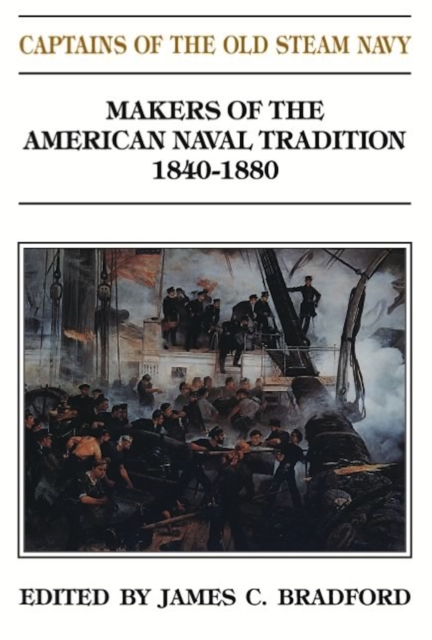
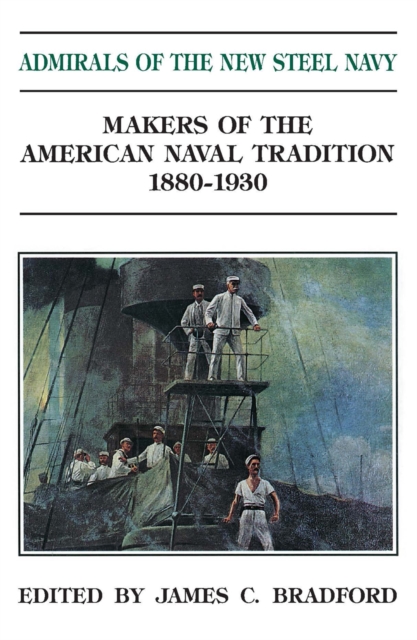
This collection of essays examines the lives of thirteen naval officers whose careers had lasting effects on the evolution of American naval traditions.
In this easy-to-use reference, Naval Academy English professor Nancy Prothro Arbuthnot tells the stories behind sixty of the Academy's monuments and memorials.
Thanks to the PBY's daring pilots and their effective tactics, the slow outdated Catalina patrol bombers became the scourge of Japanese shipping in the South Pacific during World War II.
Called a great book worthy of a great man, this definitive biography of the commander in chief of the Pacific Fleet in World War II, first published in 1976 and now available in paperback for the first time, continues to be considered the best book ever written about Adm.
In early December 1941 in the Philippines, a young Navy ensign named Kemp Tolley was given his first ship command, an old 76-foot schooner that had once served as a movie prop in John Ford's "e;The Hurricane.
Fighter pilot Butch O'Hare became one of America's heroes in 1942 when he saved the carrier Lexington in what has been called the most daring single action in the history of combat aviation.