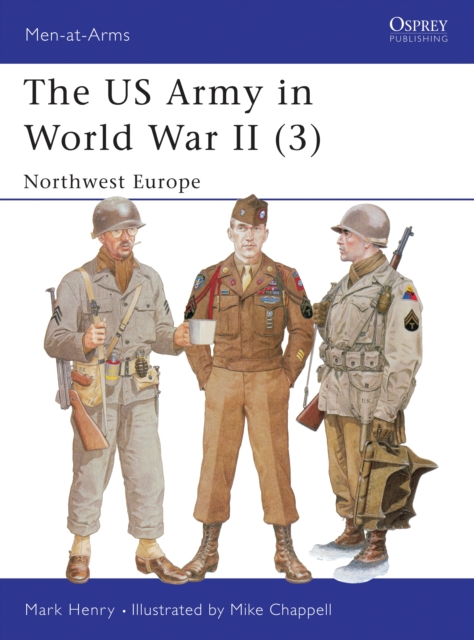
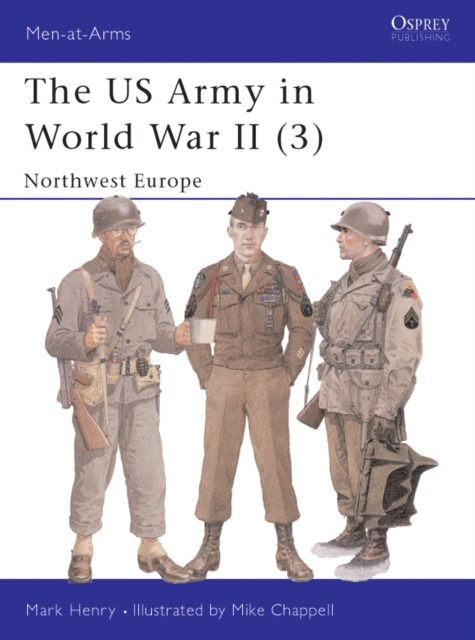
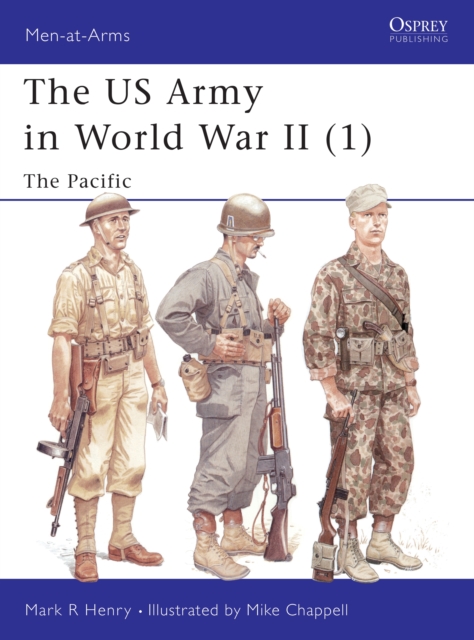
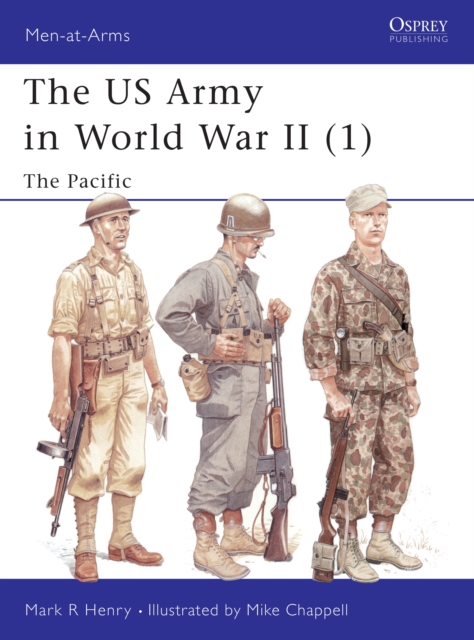
The GIs who struggled ashore through the surf of Omaha and Utah Beaches on 6 June 1944 were members of the best-equipped army ever assembled up to that date.
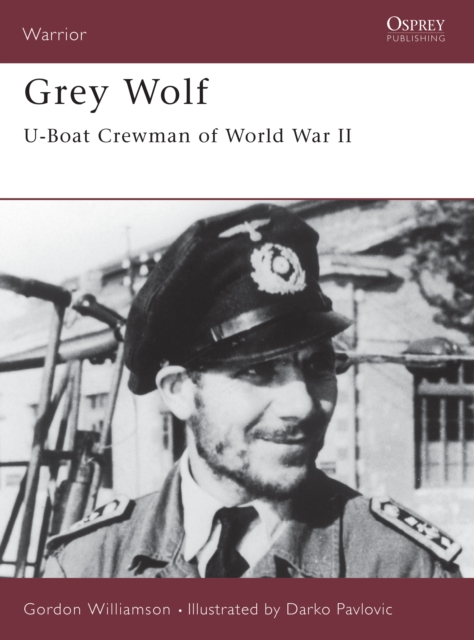
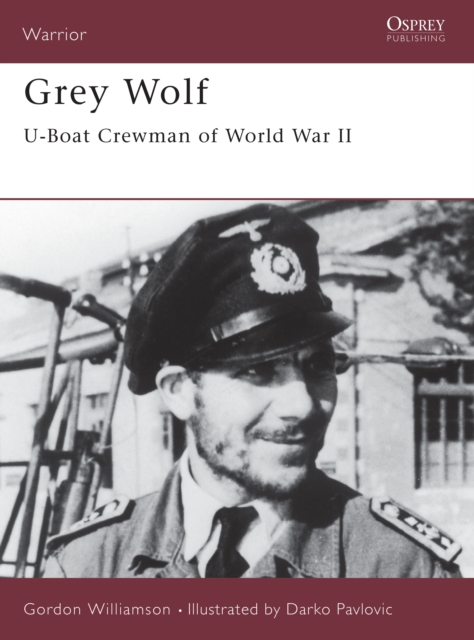
The scourge of Allied shipping during World War II, the U-Boot Waffe was one of the most feared components of Hitler's war machine, yet the Kriegsmarine was the least political branch of the Third Reich.
The scourge of Allied shipping during World War II, the U-Boot Waffe was one of the most feared components of Hitler's war machine, yet the Kriegsmarine was the least political branch of the Third Reich.
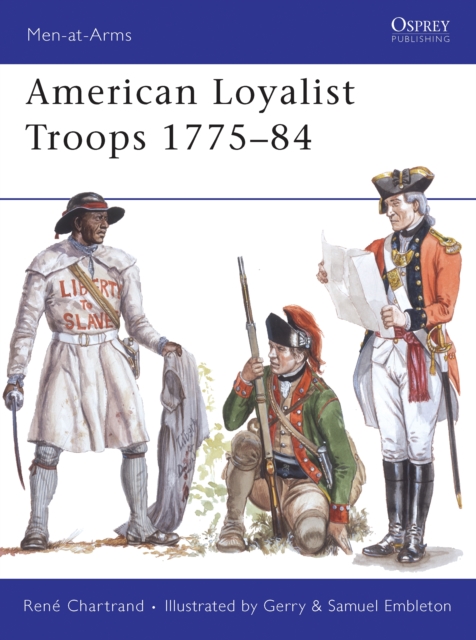
To celebrate the 450th title in the Men-at-Arms series, this book examines in unprecedented depth the units and the uniforms of a still-controversial army: the many thousands of American colonists who chose to fight for King George during the Revolution.
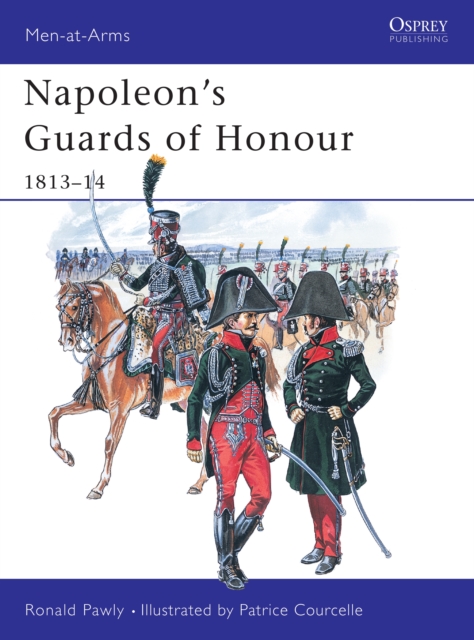
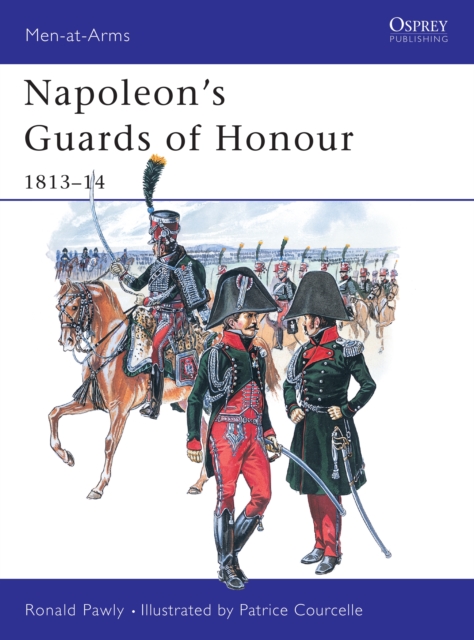
One of the least understood of Napoleon's corps were the four regiments of Gardes d'honneur, raised in 1813 during the frantic rebuilding of the French cavalry after the huge losses in Russia.
One of the least understood of Napoleon's corps were the four regiments of Gardes d'honneur, raised in 1813 during the frantic rebuilding of the French cavalry after the huge losses in Russia.
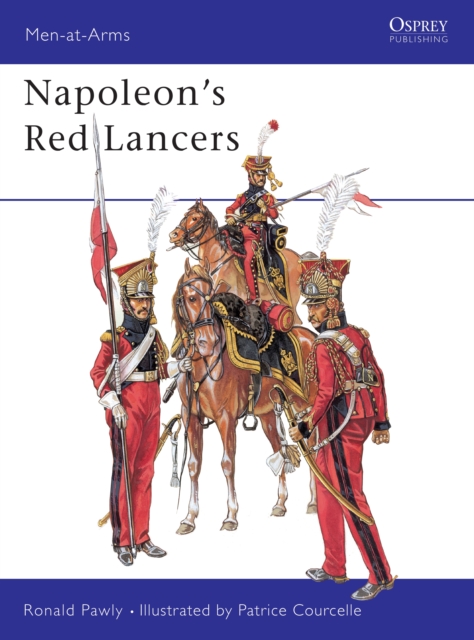
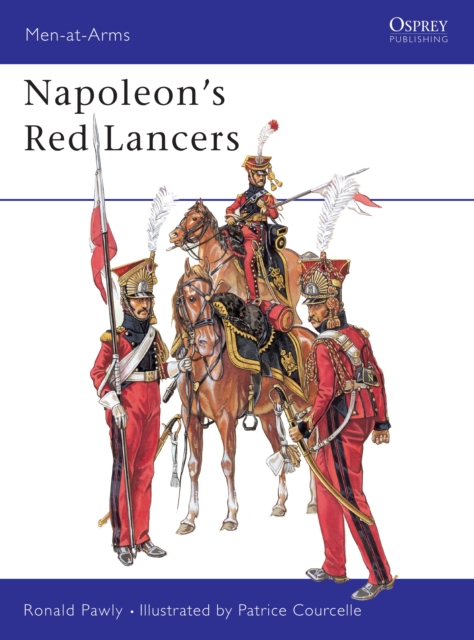
The legendary Dutch 'Red' Lancers the 2nd Light Horse Lancers of Napoleon's Imperial Guard were formed in 1810 after the emperor annexed Holland and its army to France.
The legendary Dutch 'Red' Lancers the 2nd Light Horse Lancers of Napoleon's Imperial Guard were formed in 1810 after the emperor annexed Holland and its army to France.
The GIs who struggled ashore through the surf of Omaha and Utah Beaches on 6 June 1944 were members of the best-equipped army ever assembled up to that date.
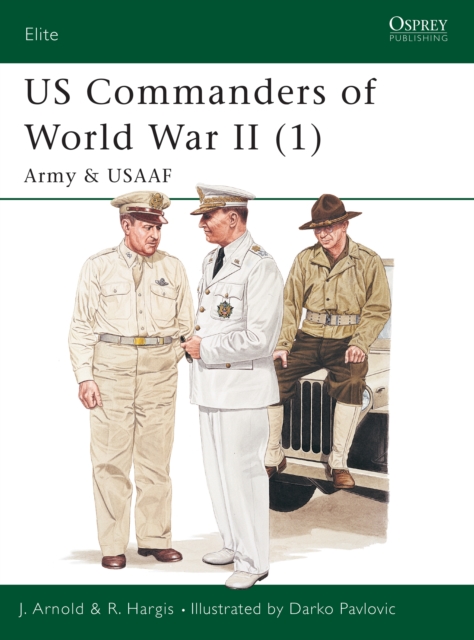
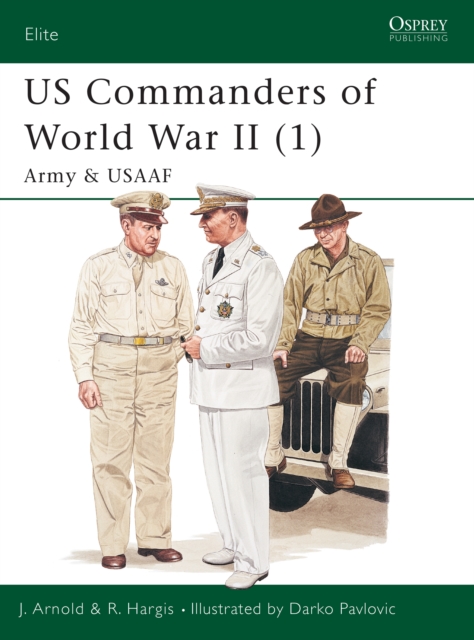
To be a successful commander requires experience, character, tenacity and boldness: the ability to establish a good rapport with both your staff and your men is also vital.
To be a successful commander requires experience, character, tenacity and boldness: the ability to establish a good rapport with both your staff and your men is also vital.
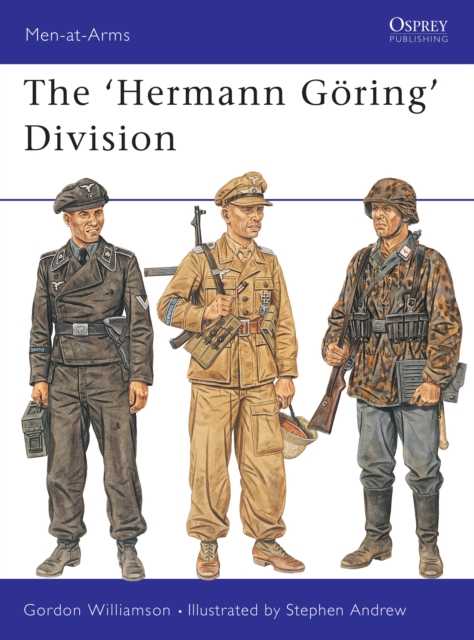
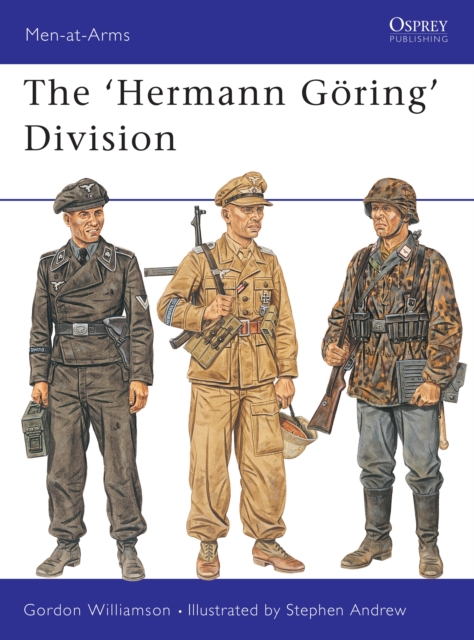
Each of Germany's World War II armed services could claim one unit which earned a unique combat reputation, and which consequently was enlarged and developed far beyond the size originally planned.
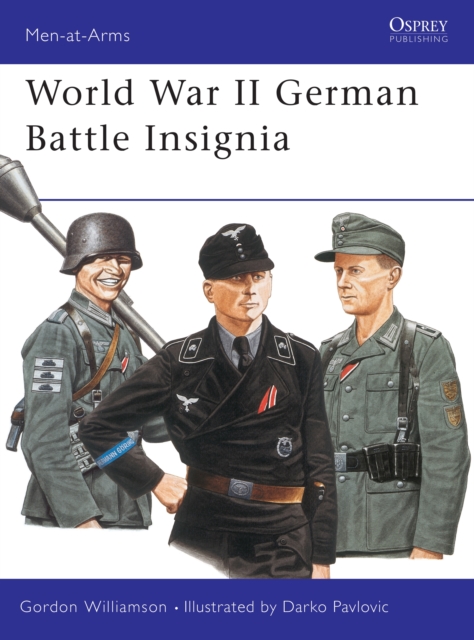
The remarkable war effort of the German armed forces on three fronts between 1939 and 1945 was recognised by a wider range of insignia than seen in the Allied armies.
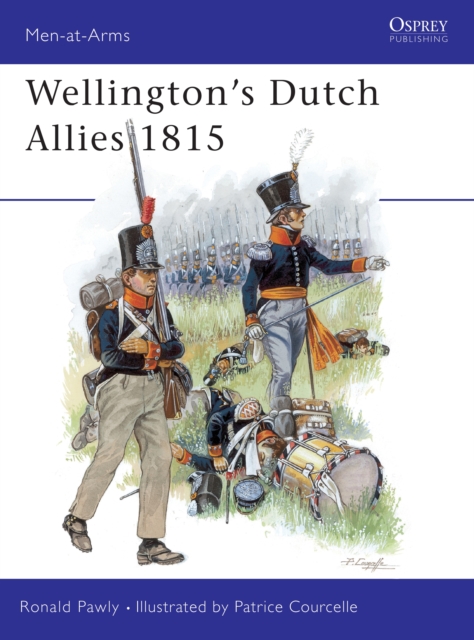
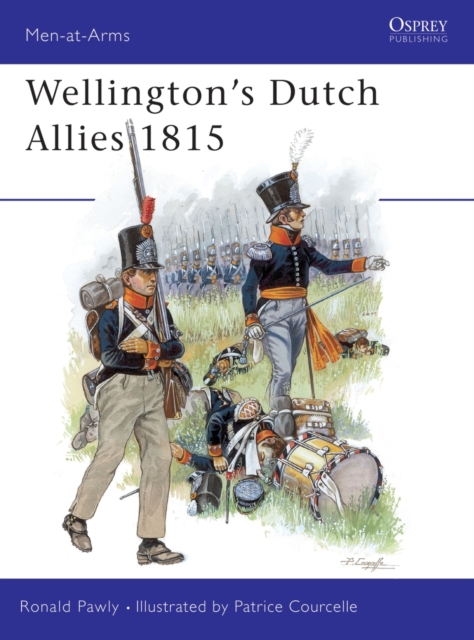
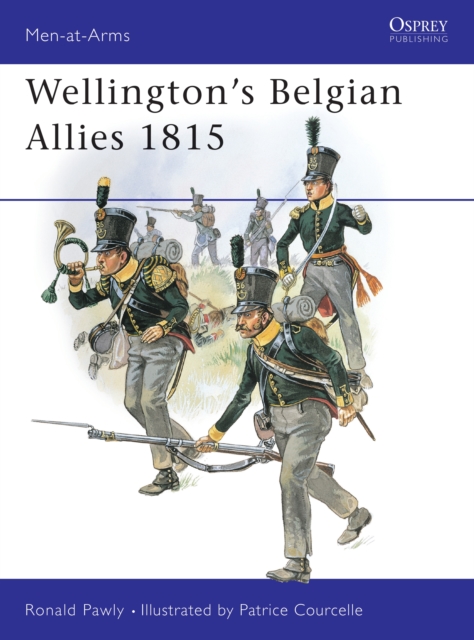
The army commanded by the Duke of Wellington at Quatre-Bras and Waterloo included two infantry divisions and three cavalry brigades of the newly-unified Netherlands (or 'Dutch-Belgian') army.
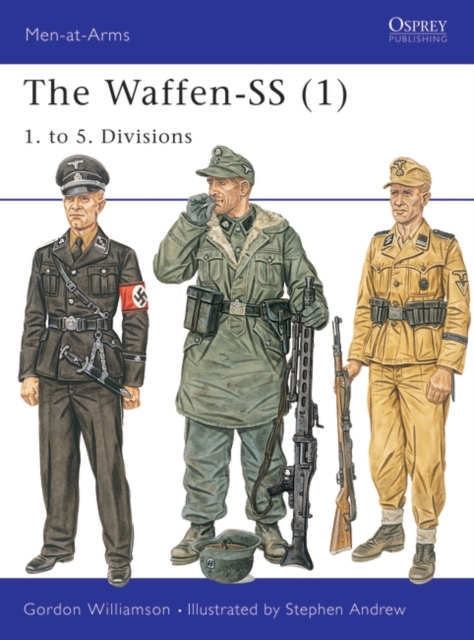
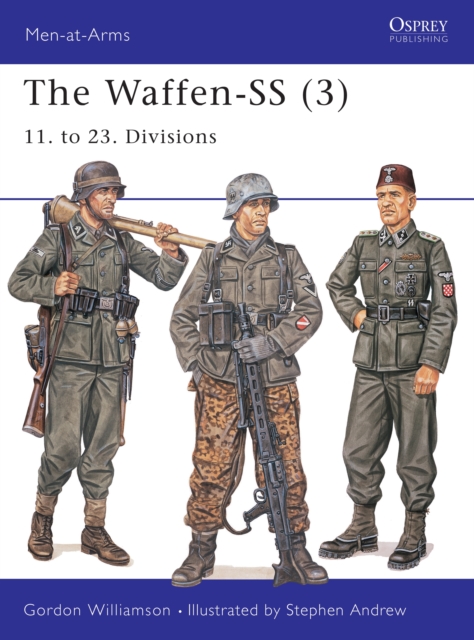
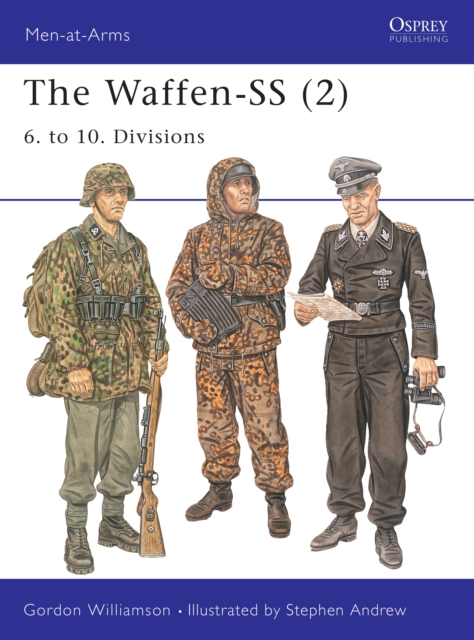
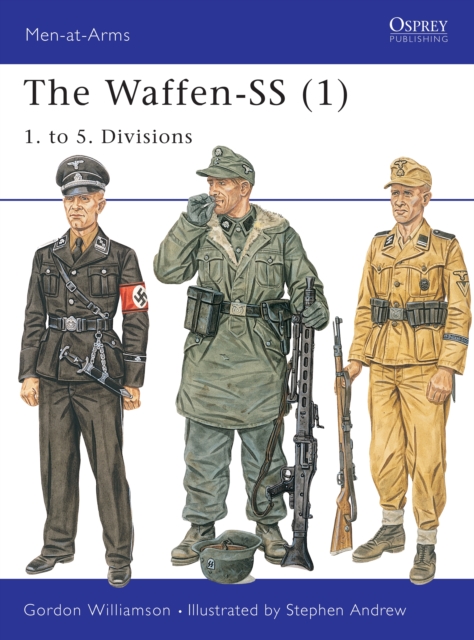
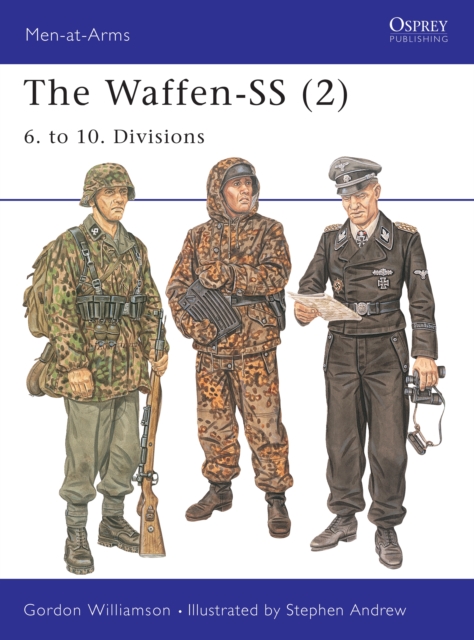
The military branch of the Nazi SS security organisation grew from only a handful of battalions at the outbreak of war in 1939 to hundreds of thousands of troops in dozens of divisions.
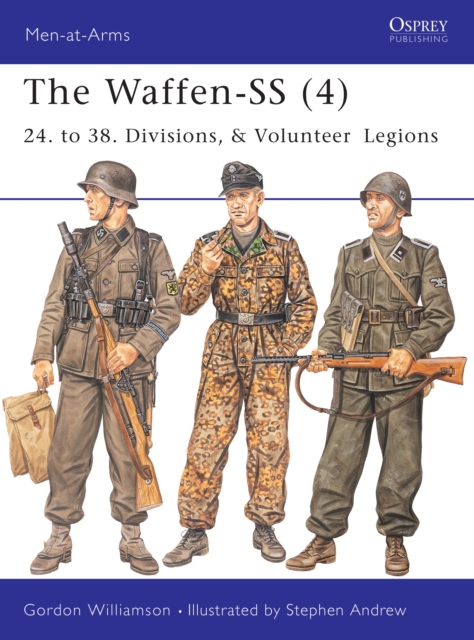
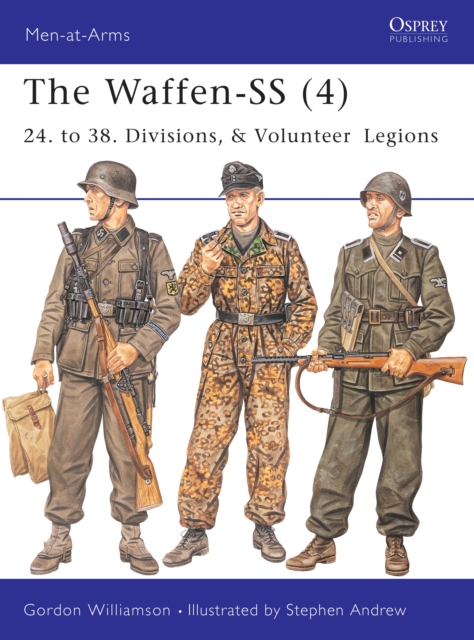
The Waffen-SS grew from a handful of obscure infantry battalions in 1939, to a force of more than 30 divisions by the end of World War II, including units of every type and every level of battlefield value.
The military branch of the Nazi SS security organisation grew by the end of World War II from a handful of poorly regarded infantry battalions in 1939, into a force of more than 30 divisions including units of every type.
The military branch of the Nazi SS security organisation grew from only a handful of battalions at the outbreak of war in 1939 to hundreds of thousands of troops in dozens of divisions.
The military branch of the Nazi SS security organisation grew by the end of World War II from a handful of poorly regarded infantry battalions in 1939, into a force of more than 30 divisions including units of every type.
Each of Germany's World War II armed services could claim one unit which earned a unique combat reputation, and which consequently was enlarged and developed far beyond the size originally planned.