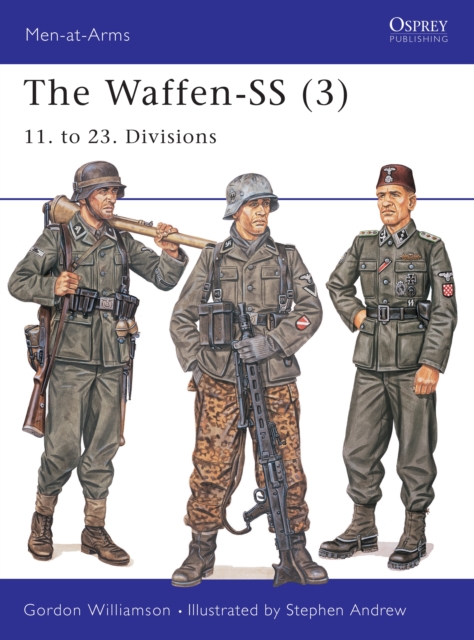
The Waffen-SS grew from a handful of obscure infantry battalions in 1939, to a force of more than 30 divisions by the end of World War II, including units of every type and every level of battlefield value.
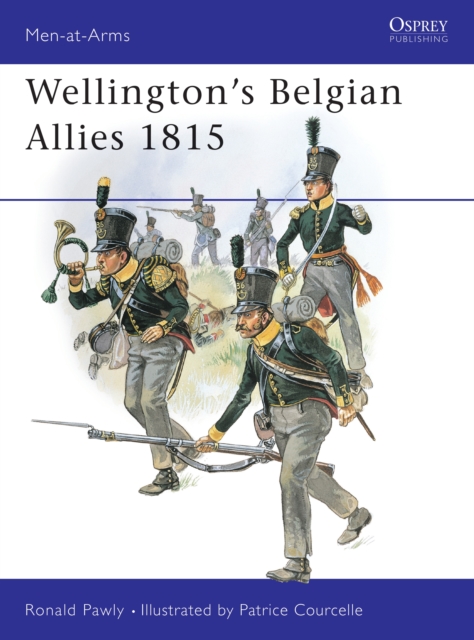
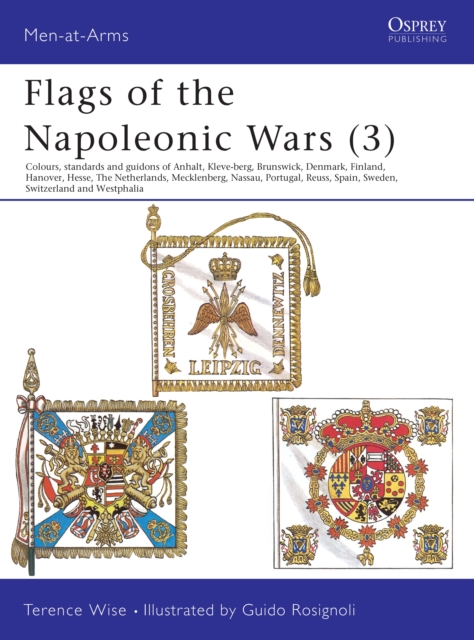
The army commanded by the Duke of Wellington at Quatre-Bras and Waterloo included two infantry divisions and three cavalry brigades of the newly-unified Netherlands (or 'Dutch-Belgian') army.
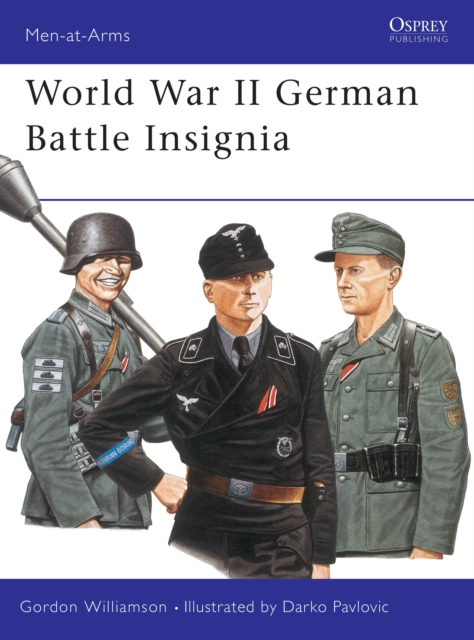
The remarkable war effort of the German armed forces on three fronts between 1939 and 1945 was recognised by a wider range of insignia than seen in the Allied armies.
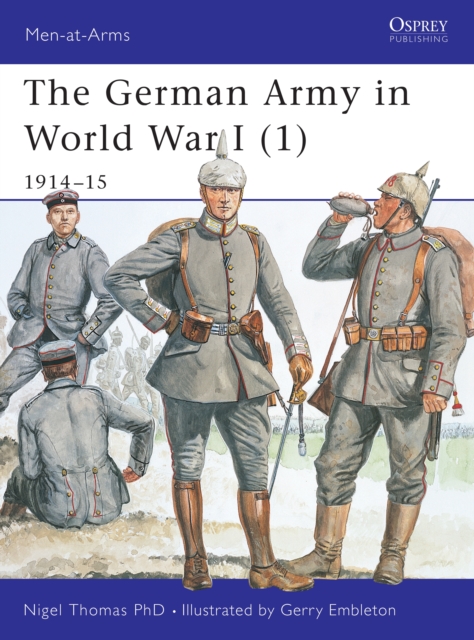
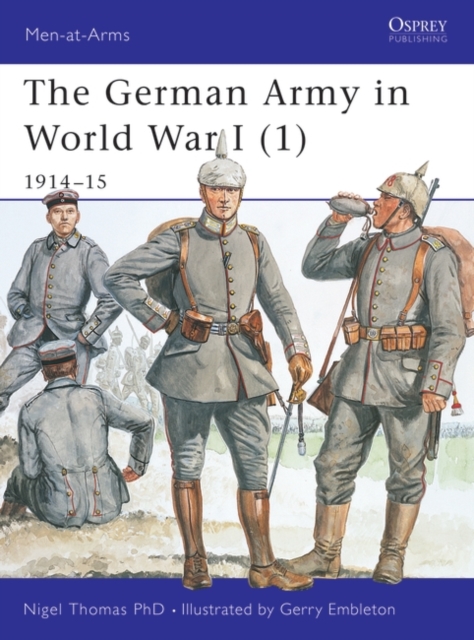
In August 1914 the mobilization of Imperial Germany's 800,000-strong army ushered in the first great war of the modern age - a war which still stands as the greatest slaughter of soldiers in history.
In August 1914 the mobilization of Imperial Germany's 800,000-strong army ushered in the first great war of the modern age - a war which still stands as the greatest slaughter of soldiers in history.
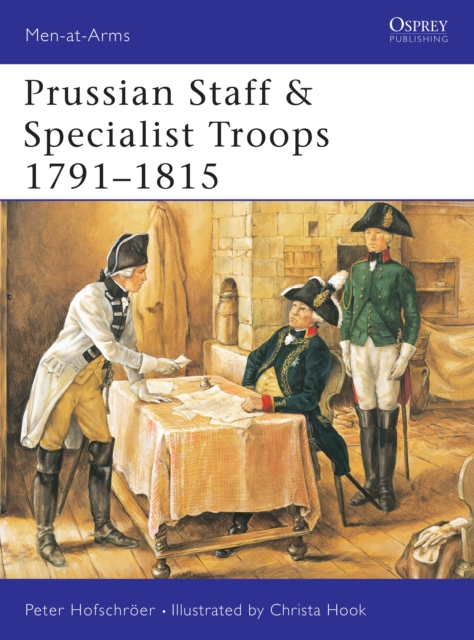
The origins of what would become the German General Staff of the late 19th and 20th centuries - probably the most professional military machine in the world - can be traced to the Prussian Army of the French Revolutionary and Napoleonic Wars.
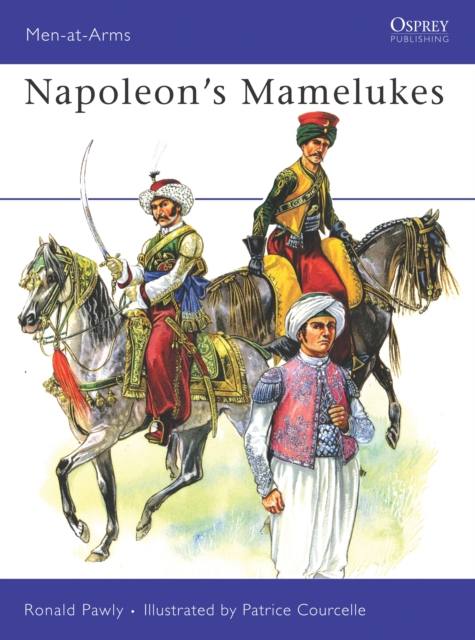
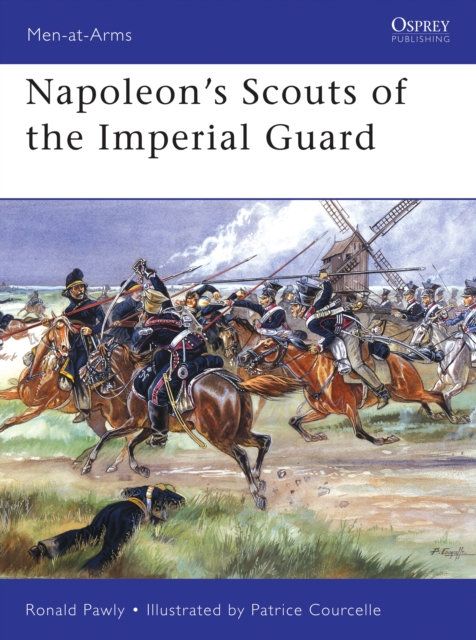
A key part of Napoleon's Imperial Guard were undoubtedly the Mamelukes the bodyguard of Turkish cavalry which remained with his Mounted Chasseurs regiment throughout the First Empire.
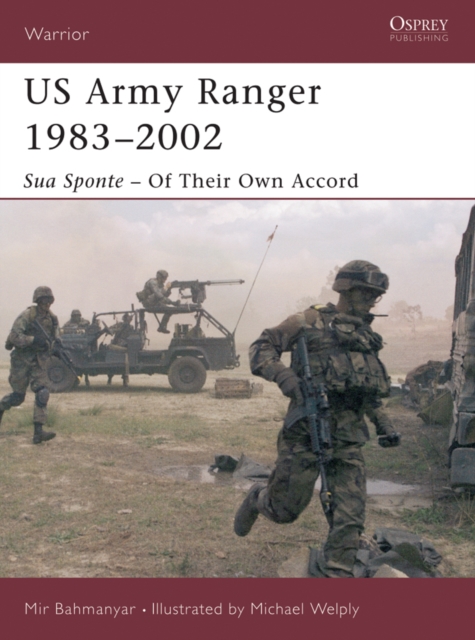
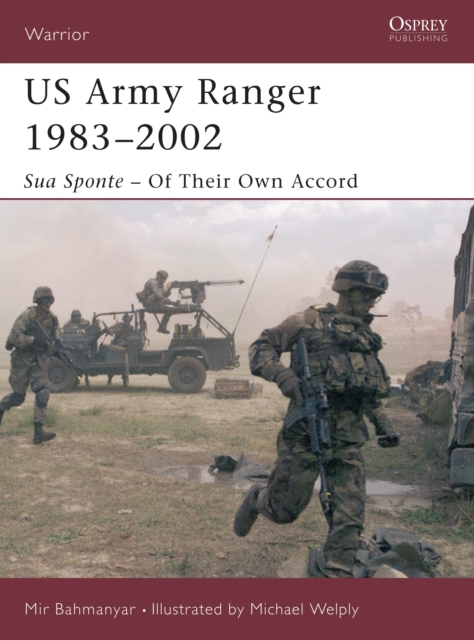
This study takes the reader through the distinct stages of training and acceptance, including the Ranger Indoctrination Program and Ranger Battalion training, and details the developments in weaponry, equipment and clothing since the early 1980s.
This study takes the reader through the distinct stages of training and acceptance, including the Ranger Indoctrination Program and Ranger Battalion training, and details the developments in weaponry, equipment and clothing since the early 1980s.
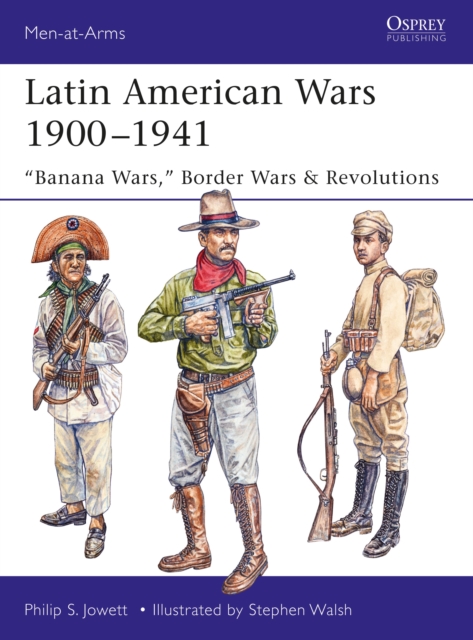
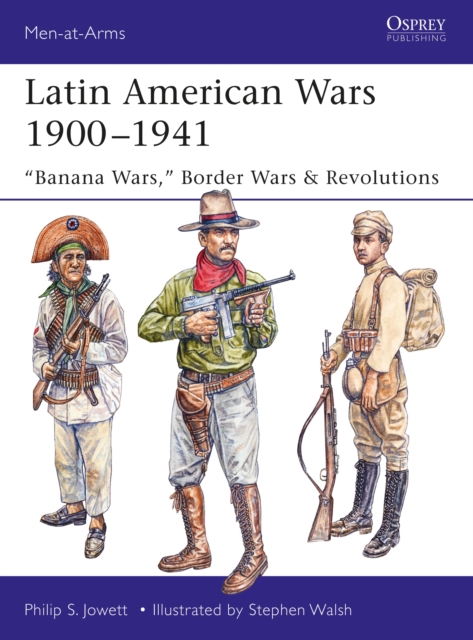
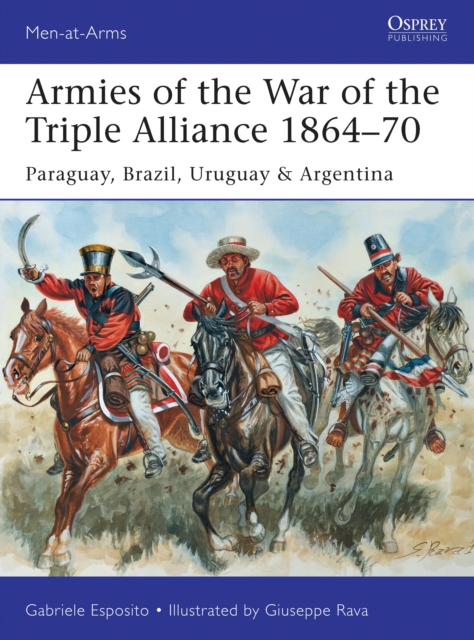
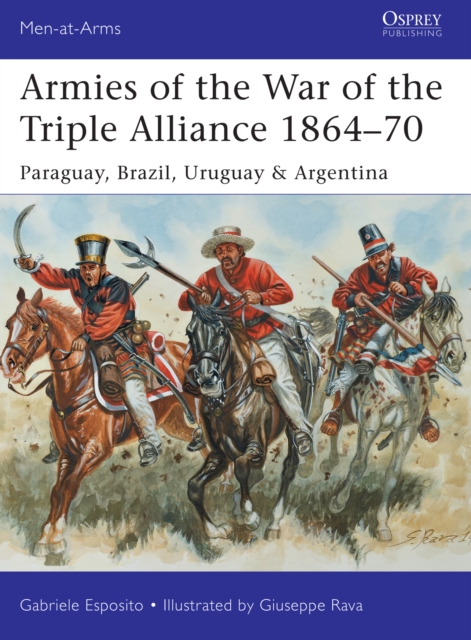
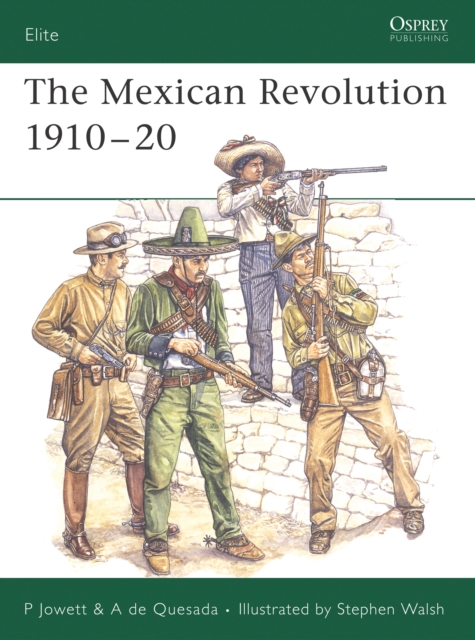
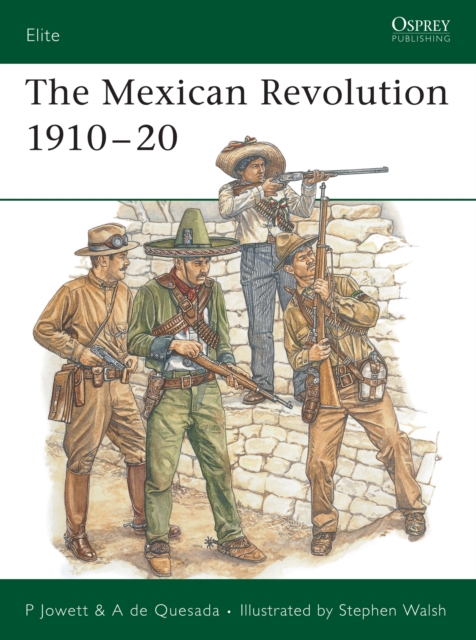
From the Mexican Revolution to the Zarumilla War, in the first 40 years of the 20th century the nations of Central and South America were frequently disturbed by border clashes, civil wars and revolution.
From the Mexican Revolution to the Zarumilla War, in the first 40 years of the 20th century the nations of Central and South America were frequently disturbed by border clashes, civil wars and revolution.
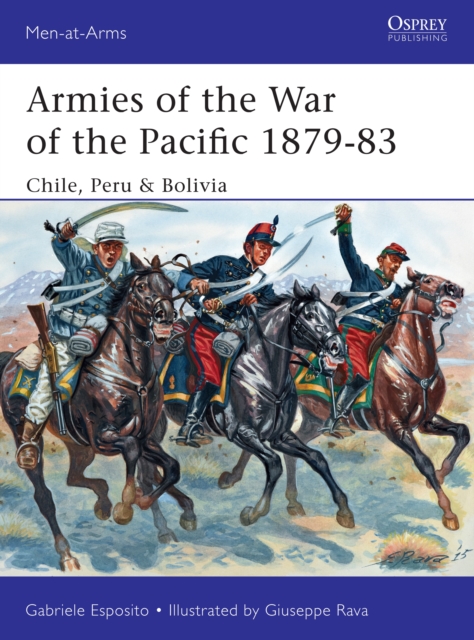
The Pacific War was the greatest and bloodiest war ever fought in the Andean region, and is one of the most important conflicts in South American history.
The Pacific War was the greatest and bloodiest war ever fought in the Andean region, and is one of the most important conflicts in South American history.
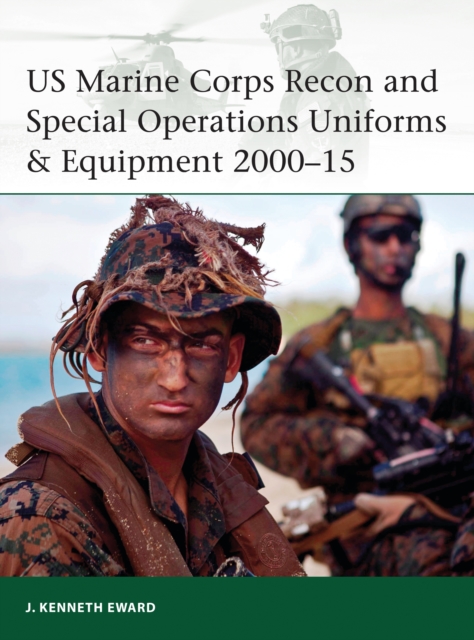
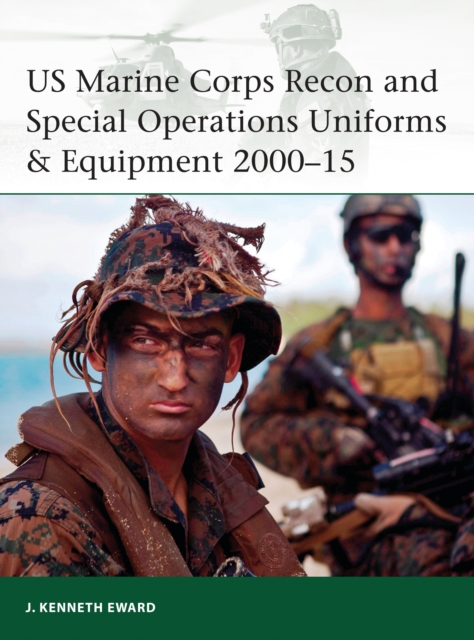
In the age of modern warfare the changing landscape of the 21st century battlefield has demanded a transformation within the US Marine Corps Special Operations.
In the age of modern warfare the changing landscape of the 21st century battlefield has demanded a transformation within the US Marine Corps Special Operations.
Between 1887 and 1895, the British art student Miles Vandercroft travelled around the world, sketching and painting the soldiers of the countries through which he passed.
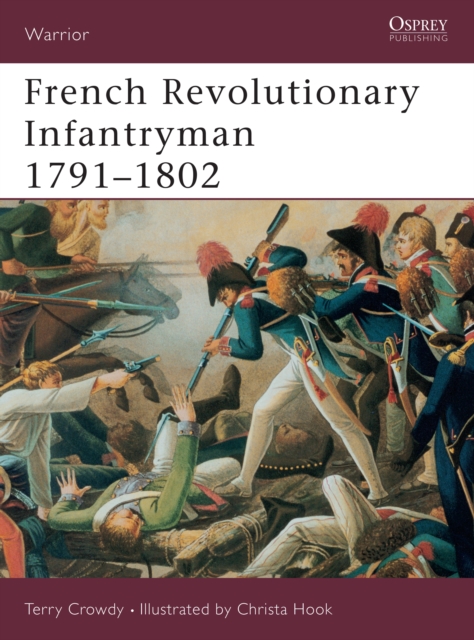
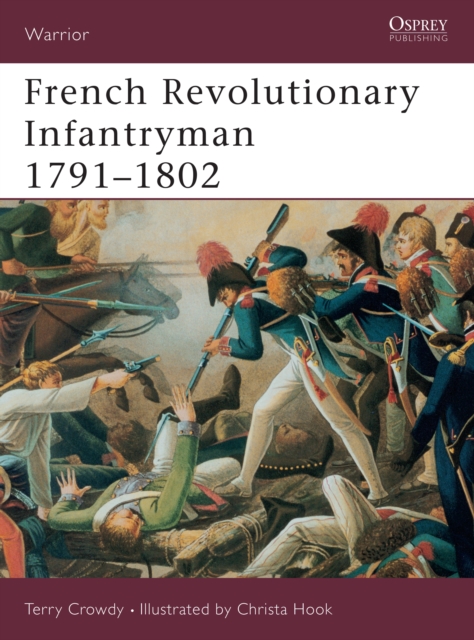
This title, a prequel to Warrior 57 French Napoleonic Infantryman 1803-15, concentrates on the period from the storming of the Bastille in 1789 until Bonaparte's election as Consul for Life in 1802.
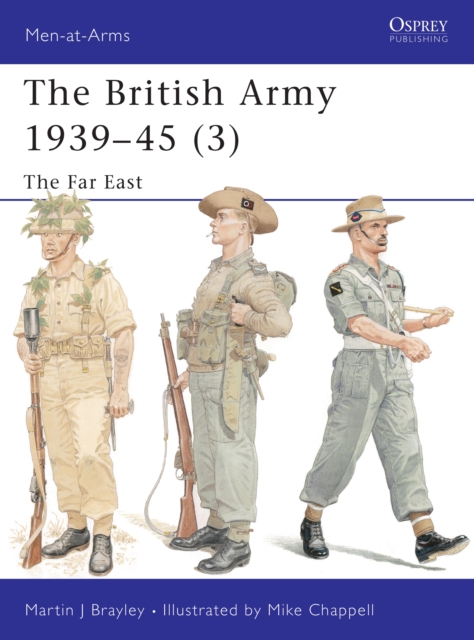
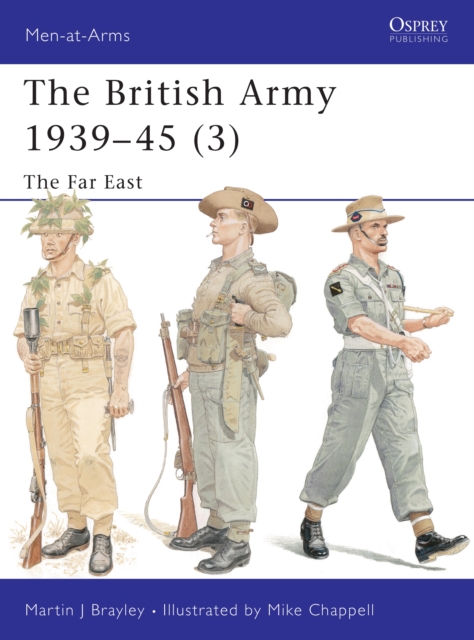
The lightning Japanese offensives in East Asia in 1941/42 inflicted a series of costly defeats on the ill-prepared and badly supported British Commonwealth forces in Malaya and Burma.
The lightning Japanese offensives in East Asia in 1941/42 inflicted a series of costly defeats on the ill-prepared and badly supported British Commonwealth forces in Malaya and Burma.
This title, a prequel to Warrior 57 French Napoleonic Infantryman 1803-15, concentrates on the period from the storming of the Bastille in 1789 until Bonaparte's election as Consul for Life in 1802.
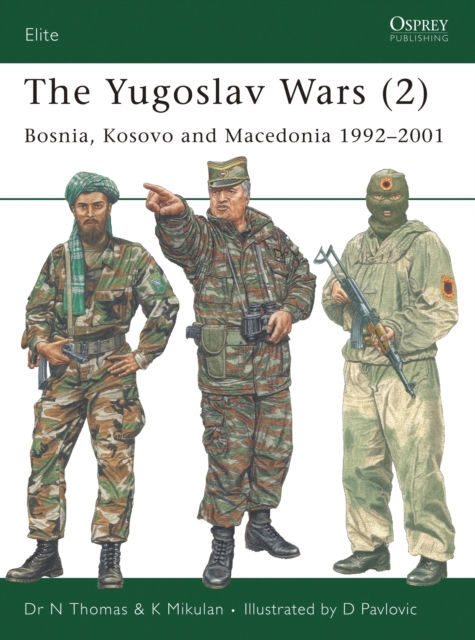
Following the death of the Yugoslavian President Tito in 1980, the semi-autonomous republics and provinces that he had welded into a multi-cultural nation in 1945 slid gradually towards separation.
Following the death of the Yugoslavian President Tito in 1980, the semi-autonomous republics and provinces that he had welded into a multi-cultural nation in 1945 slid gradually towards separation.