This book describes and illustrates the ground forces of the Republic of Korea and its United Nations allies during the Korean War, as well as the UN medical contingents in the conflict.
This book describes and illustrates the ground forces of the Republic of Korea and its United Nations allies during the Korean War, as well as the UN medical contingents in the conflict.
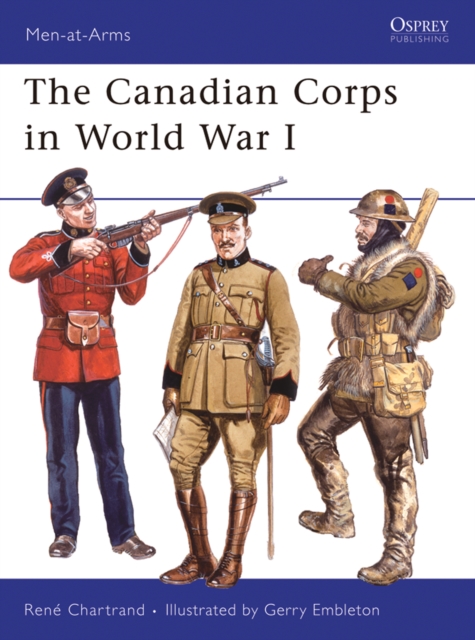
This book describes the organization, lists the units and illustrates the uniforms and equipment of the four Canadian divisions which earned an elite reputation on the Western Front in 1915-18.
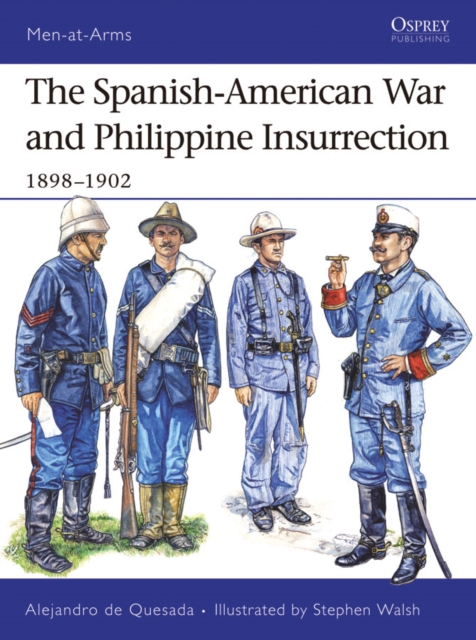
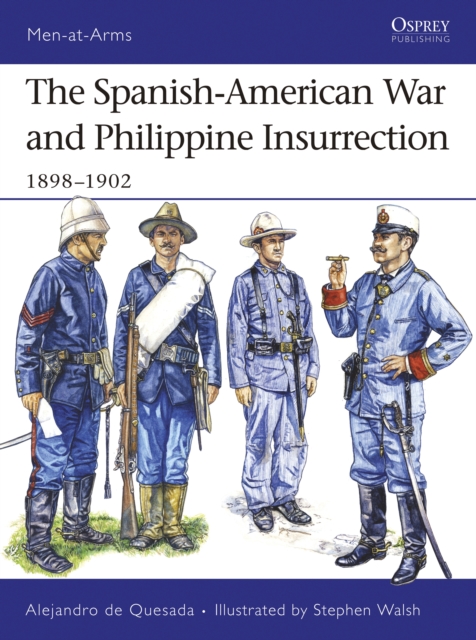
This book details the uniforms and weapons of the American, Spanish, Cuban and Filipino forces involved in the United States Army's first overseas war.
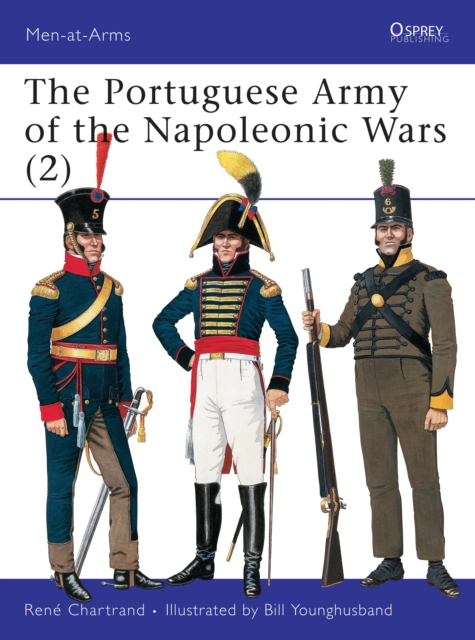
The second instalment in a remarkable three-part study that transformed the research material available to the English-speaking student of the Peninsular War.
The second instalment in a remarkable three-part study that transformed the research material available to the English-speaking student of the Peninsular War.
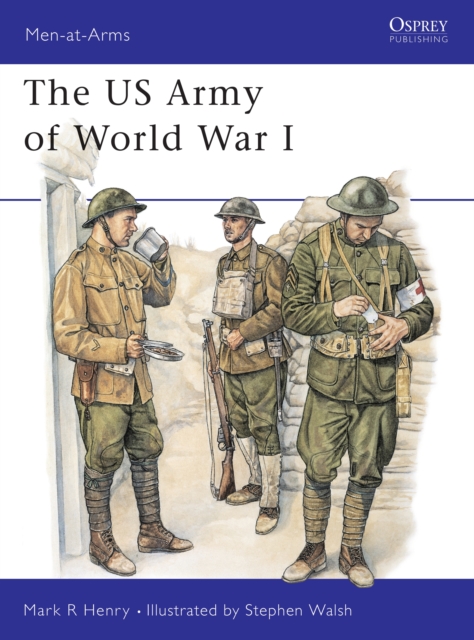
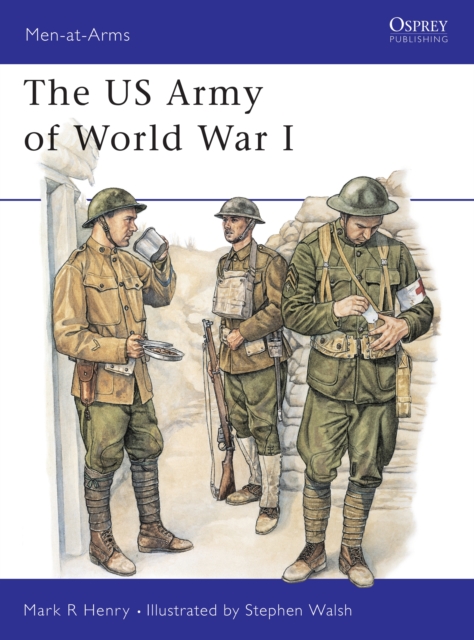
When the USA entered World War I in April 1917 her Regular Army counted just 128,000 men and lacked all the necessary equipment and training for modern trench warfare.
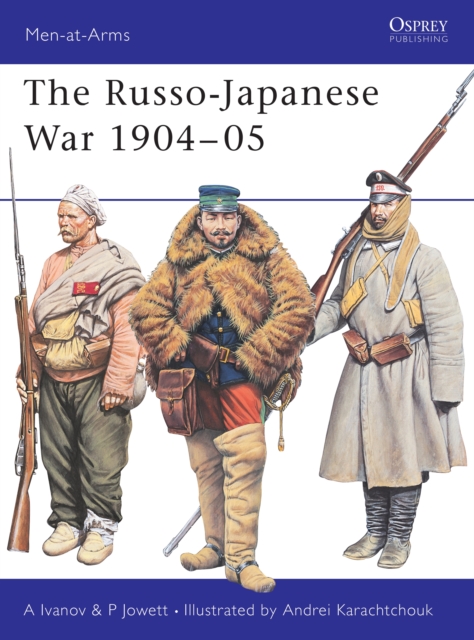
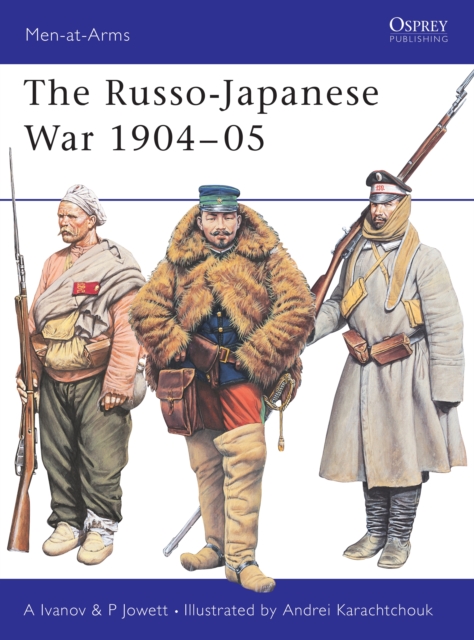
The Russo-Japanese War in Manchuria was the first 20th century conflict fought between the regular armies of major powers, employing the most modern means machine guns, trench warfare, minefields and telephone communications.
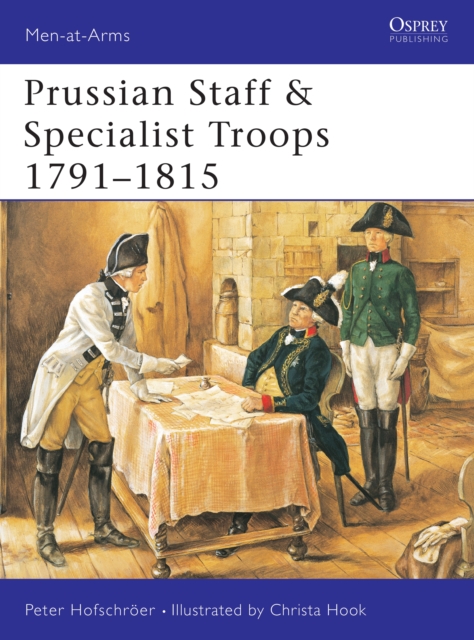
The origins of what would become the German General Staff of the late 19th and 20th centuries - probably the most professional military machine in the world - can be traced to the Prussian Army of the French Revolutionary and Napoleonic Wars.
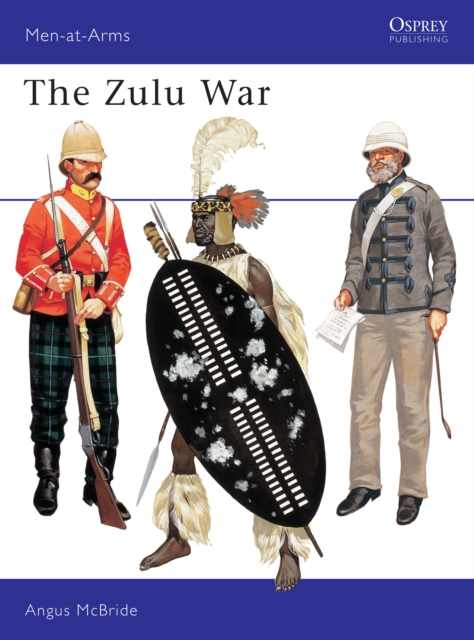
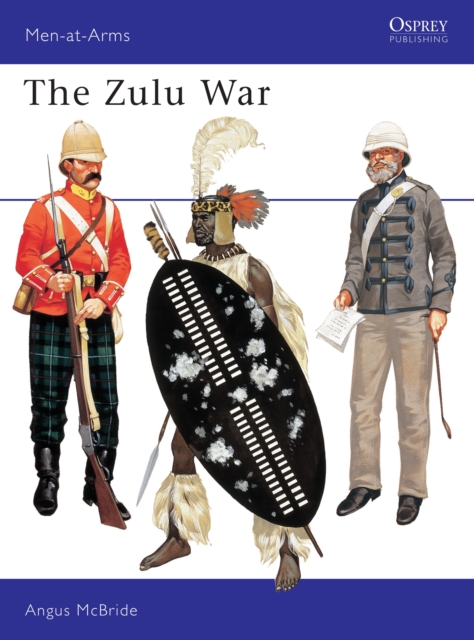
By the end of the nineteenth century the fame of the Zulu was world-wide, and their army was one of the few non-European military organisations to have become the subject of serious historical study.
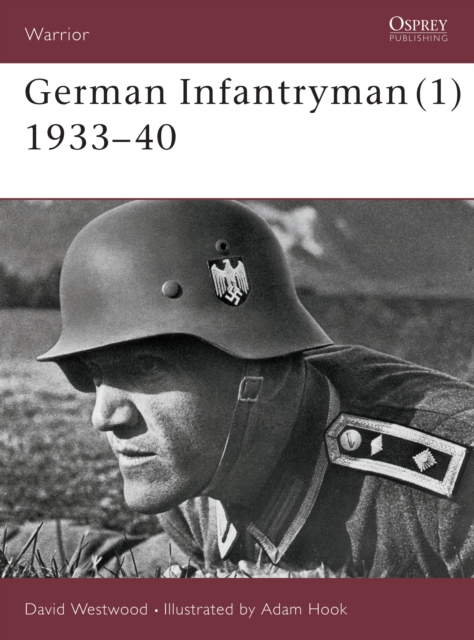
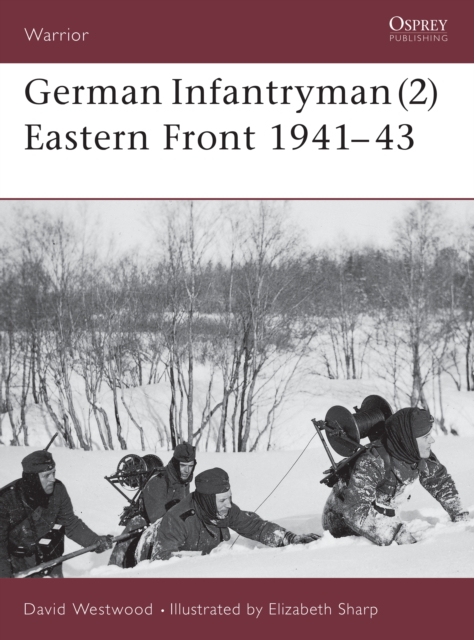
The second volume examining the German infantryman before and during World War 2, focusing on post-1941 training, weapons, equipment, combat experiences and medical care.
This book details the uniforms and weapons of the American, Spanish, Cuban and Filipino forces involved in the United States Army's first overseas war.
The Russo-Japanese War in Manchuria was the first 20th century conflict fought between the regular armies of major powers, employing the most modern means machine guns, trench warfare, minefields and telephone communications.
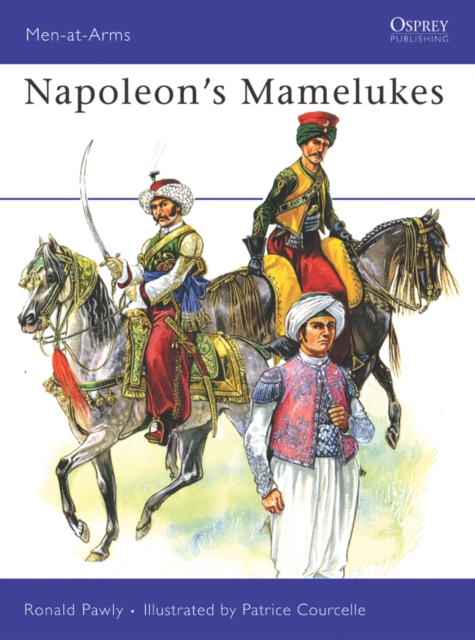
A key part of Napoleon's Imperial Guard were undoubtedly the Mamelukes the bodyguard of Turkish cavalry which remained with his Mounted Chasseurs regiment throughout the First Empire.
When the USA entered World War I in April 1917 her Regular Army counted just 128,000 men and lacked all the necessary equipment and training for modern trench warfare.
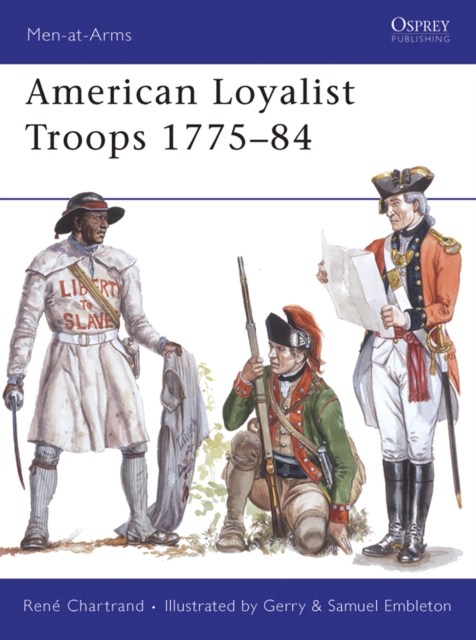
To celebrate the 450th title in the Men-at-Arms series, this book examines in unprecedented depth the units and the uniforms of a still-controversial army: the many thousands of American colonists who chose to fight for King George during the Revolution.
By the end of the nineteenth century the fame of the Zulu was world-wide, and their army was one of the few non-European military organisations to have become the subject of serious historical study.
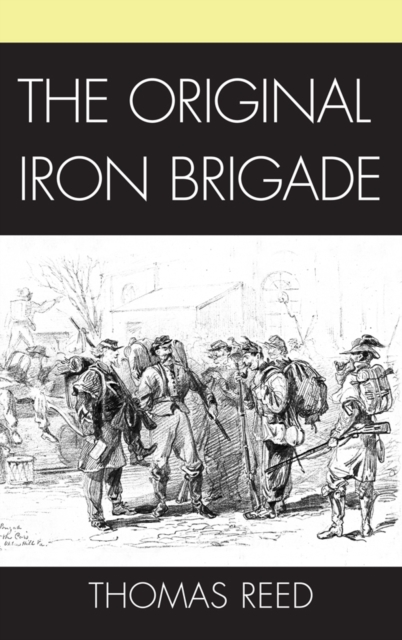
Alan Nolan's 1961 Iron Brigade, the classic study of Brigadier General John Gibbon's Black Hat Brigade composed of the 19th Indiana, the 2nd, 6th, and 7th Wisconsin and the 24th Michigan, drew public attention to the superior unit during the Civil War Centennial.
Alan Nolan's 1961 Iron Brigade, the classic study of Brigadier General John Gibbon's Black Hat Brigade composed of the 19th Indiana, the 2nd, 6th, and 7th Wisconsin and the 24th Michigan, drew public attention to the superior unit during the Civil War Centennial.
This book provides an in-depth analysis of sexual assault in the military from historical and contemporary perspectives, offering suggestions that could change the existing culture and approaches that will reduce or eliminate sexual assault in the armed forces.
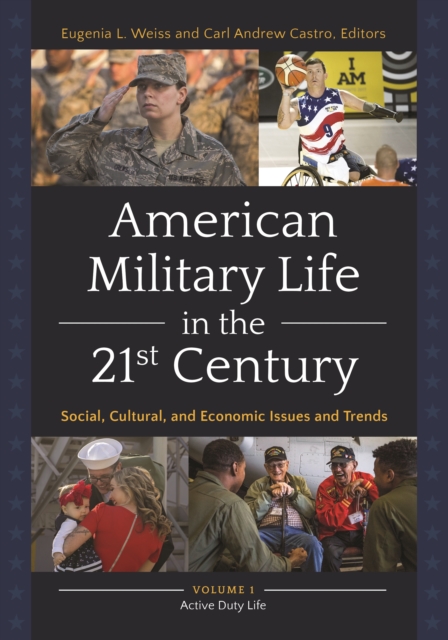
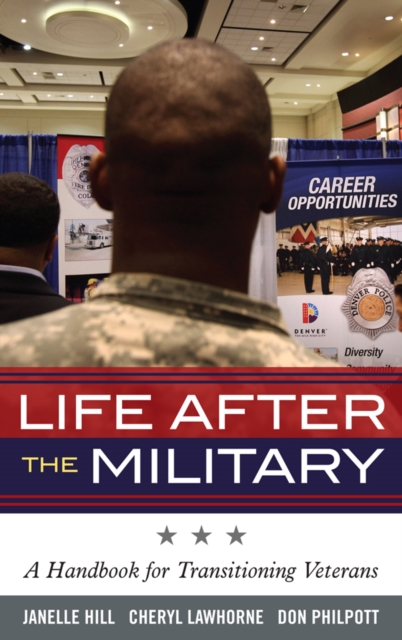
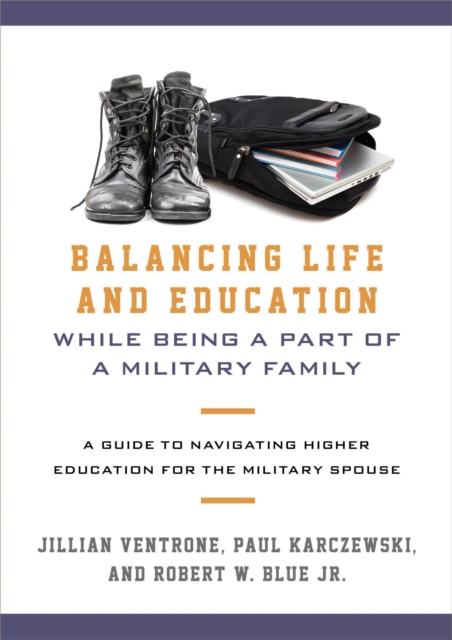
A comprehensive guide to the lives and experiences of military service members, veterans, and their families in the United States today, with special emphasis given to those of the post-9/11 era.