A RUSA Outstanding Reference Source 2025From genocidal campaigns to careful neutrality to valiant lifesaving efforts, every country's experience of the Holocaust was different during and immediately following World War II.
On the early morning of March 16, 1968, American soldiers from three platoons of Charlie Company (1st Battalion, 20th Infantry Regiment, 11th Brigade, 23rd Infantry Division), entered a group of hamlets located in the Son Tinh district of South Vietnam, located near the Demilitarized Zone and known as "e;Pinkville"e; because of the high level of Vietcong infiltration.
On the early morning of March 16, 1968, American soldiers from three platoons of Charlie Company (1st Battalion, 20th Infantry Regiment, 11th Brigade, 23rd Infantry Division), entered a group of hamlets located in the Son Tinh district of South Vietnam, located near the Demilitarized Zone and known as "e;Pinkville"e; because of the high level of Vietcong infiltration.
In contemporary Northern Ireland, more than two decades after the peace agreement that ended the thirty-year sectarian violence known as "e;the Troubles"e; the risk of a return to violent conflict is not only present but growing.
In contemporary Northern Ireland, more than two decades after the peace agreement that ended the thirty-year sectarian violence known as "e;the Troubles"e; the risk of a return to violent conflict is not only present but growing.
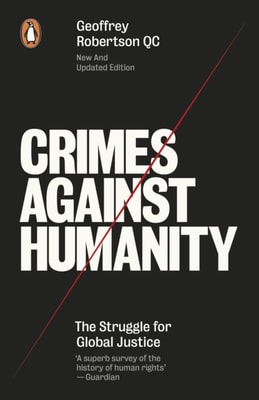
Geoffrey Robertson QC, acclaimed author of The Case of the Pope, presents a freshly updated version of his masterwork, Crimes Against HumanityIn this fresh edition of the book that has inspired the global justice movement, Geoffrey Robertson QC explains why we must hold political and military leaders accountable for genocide, torture and mass murder - the crimes against humanity that have disfigured the world.
The first English-language biography of the de facto ruler of the late Ottoman Empire and architect of the Armenian GenocideTalaat Pasha (1874-1921) led the triumvirate that ruled the late Ottoman Empire during World War I and is arguably the father of modern Turkey.
The Killing Season explores one of the largest and swiftest, yet least examined, instances of mass killing and incarceration in the twentieth century-the shocking antileftist purge that gripped Indonesia in 1965-66, leaving some five hundred thousand people dead and more than a million others in detention.
How China is using the US-led war on terror to erase the cultural identity of its Muslim minority in the Xinjiang regionWithin weeks of the September 11 attacks on New York and Washington, the Chinese government warned that it faced a serious terrorist threat from its Uyghur ethnic minority, who are largely Muslim.
A 1949 series of articles on life in post-World War II Germany, written by an undercover German reporter for an American paper-and the story behind them.
A 1949 series of articles on life in post-World War II Germany, written by an undercover German reporter for an American paper-and the story behind them.
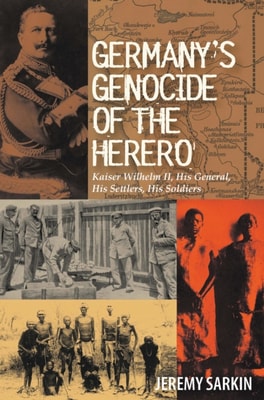
This study recounts the reasons why the order for the Herero genocide was very likely issued by the Kaiser himself, and why proof of this has not emerged before now.
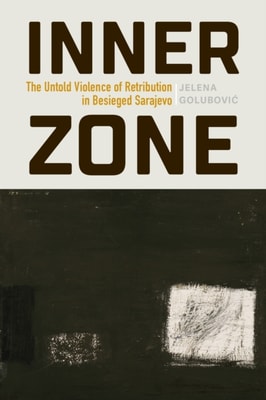
Unearths a buried history of retributive violence that unfolded inside besieged SarajevoIn asymmetrical conflicts, how should we acknowledge suffering on the side of the perpetrators of violence?
Unearths a buried history of retributive violence that unfolded inside besieged SarajevoIn asymmetrical conflicts, how should we acknowledge suffering on the side of the perpetrators of violence?