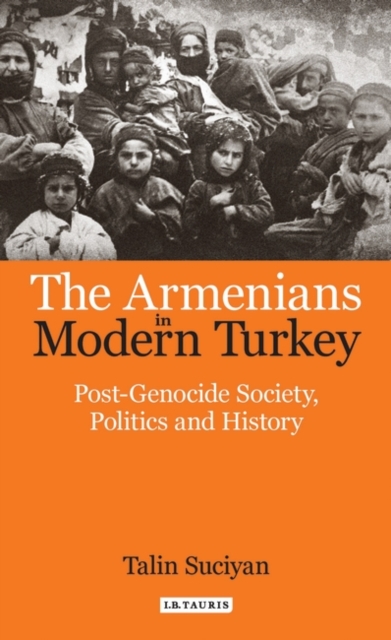
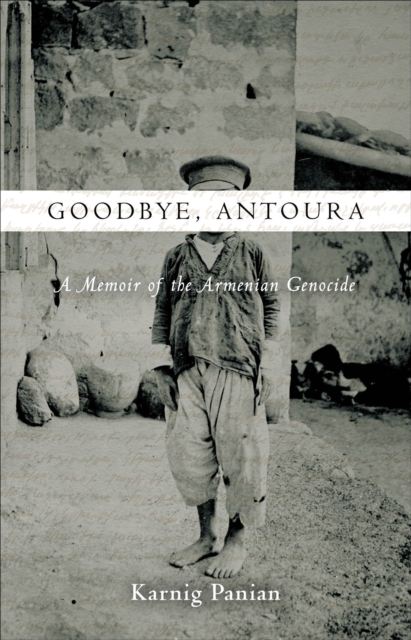
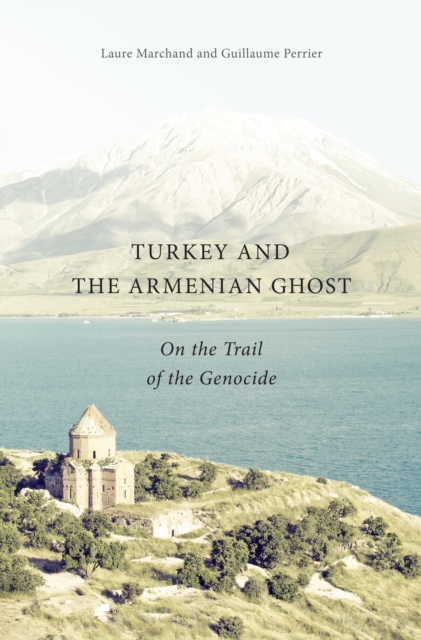
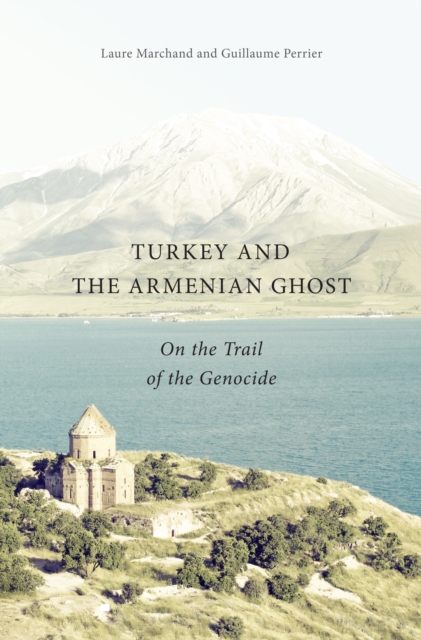
After the Armenian genocide of 1915, in which over a million Armenians died, thousands of Armenians lived and worked in the Turkish state alongside those who had persecuted their communities.
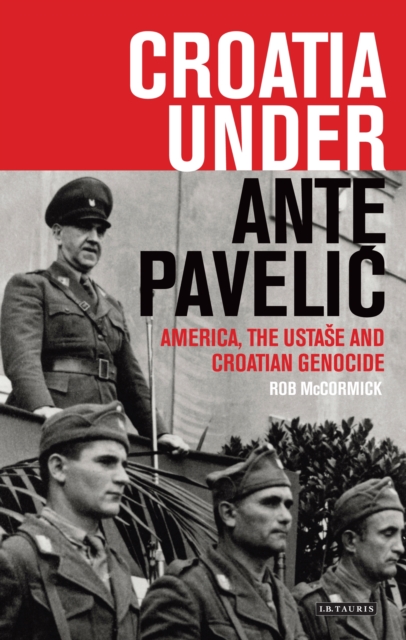
Ante Pavelic was the leader of the fascist party of Croatia (the Ustaše), who, on Adolf Hitler's instruction, became the leader of Croatia after the Nazi invasion of 1941.
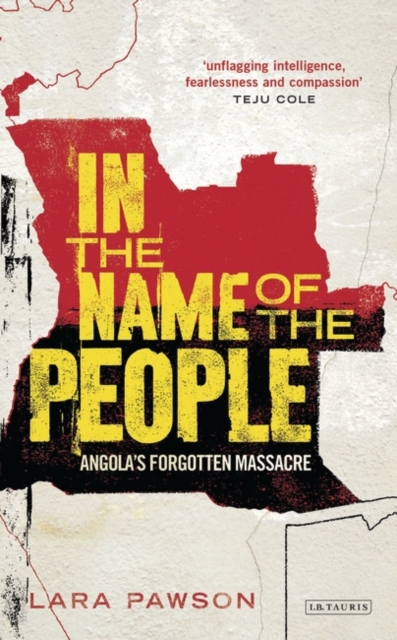
On 27th May 1977, a small demonstration against the MPLA, the ruling party of Angola led to the slaughter of thousands, if not tens of thousands, of people.
A DAILY MAIL, FINANCIAL TIMES AND PROSPECT POLITICS BOOK OF THE YEARSHORTLISTED FOR THE BEST BOOK BY A NON-PARLIAMENTARIAN IN THE WESTMINSTER BOOK AWARDS'Quite simply the best and most powerful book I've read this year' David Peace'A magnificent book .
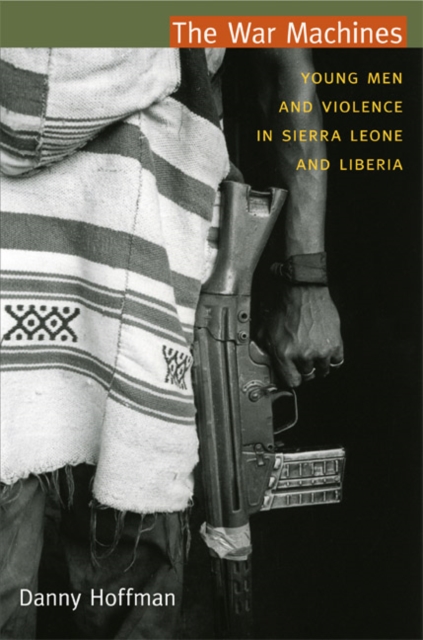
In The War Machines, Danny Hoffman considers how young men are made available for violent labor both on the battlefields and in the diamond mines, rubber plantations, and other unregulated industries of West Africa.
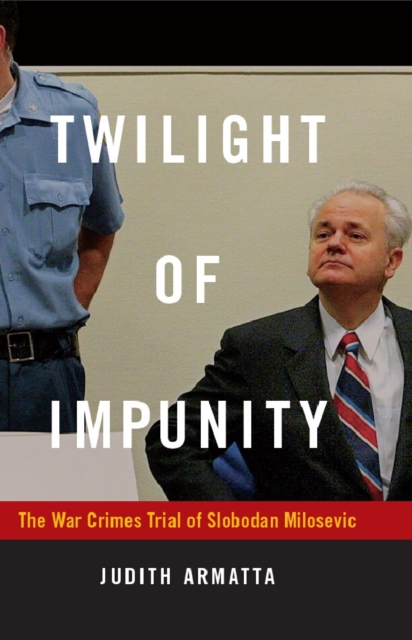
An eyewitness account of the first major international war-crimes tribunal since the Nuremberg trials, Twilight of Impunity is a gripping guide to the prosecution of Slobodan Milosevic for war crimes, crimes against humanity, and genocide.
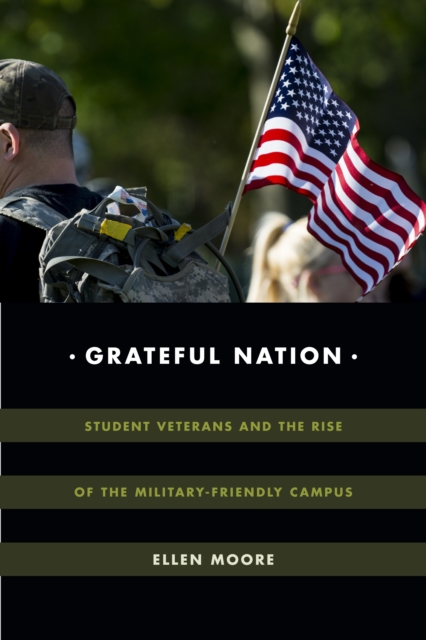
In today's volunteer military many recruits enlist for the educational benefits, yet a significant number of veterans struggle in the classroom, and many drop out.
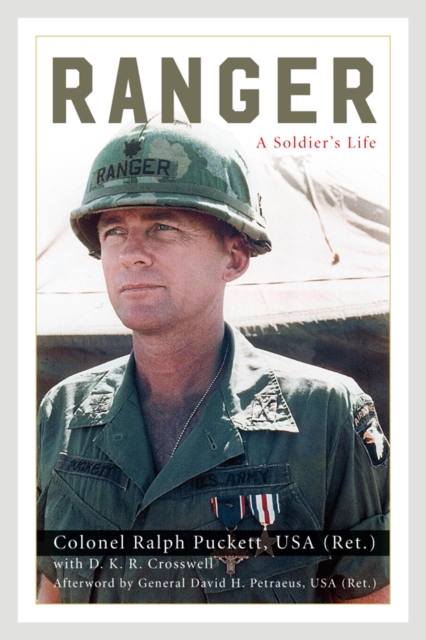
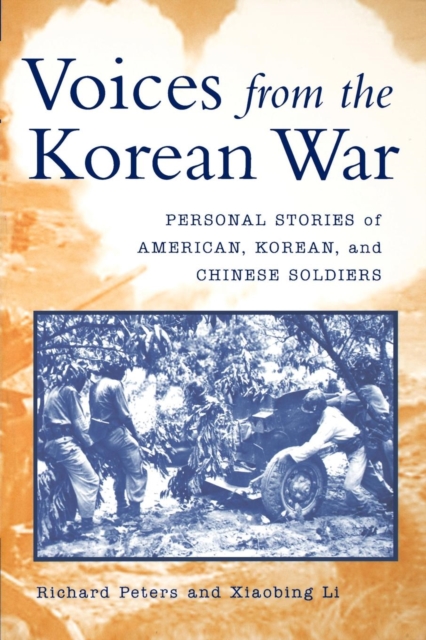
On November 25, 1950, during one of the toughest battles of the Korean War, the US Eighth Army Ranger Company seized and held the strategically important Hill 205 overlooking the Chongchon River.
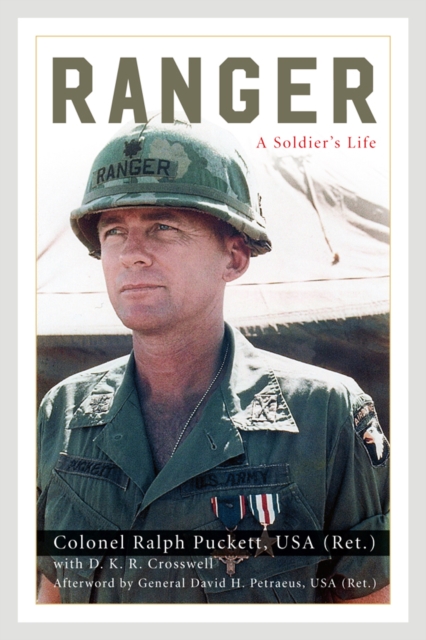
On November 25, 1950, during one of the toughest battles of the Korean War, the US Eighth Army Ranger Company seized and held the strategically important Hill 205 overlooking the Chongchon River.
The Next Jihad draws from the on-the-ground experience and personal testimonials of two of the world's leading advocates for religious freedom and human rightsone Jewish and one Christianas they explain what's happening to Christians across Africa, why it matters, and what must be done now.
At a time when Canadians were arguing about the merits of a new flag, the birth-control pill, and the growing hippie counterculture, the leaders of Canada's largest Protestant church were occupied with turning much of English-Canadian religious culture on its head.
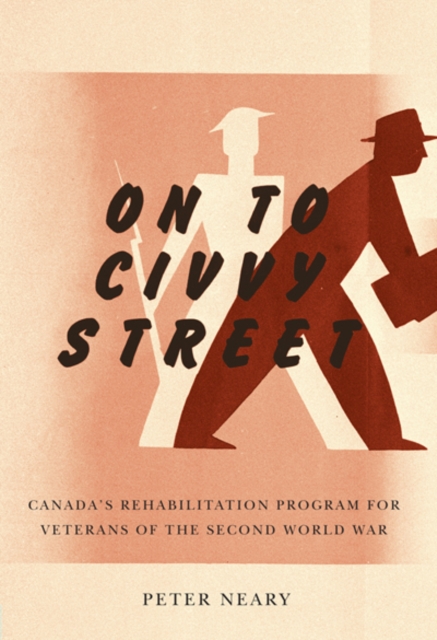
Detailing the ways in which the Canadian government built on existing programs for veterans, Peter Neary identifies the key figures and events responsible for developing the orders and statutes that came to be known as the Veterans Charter, creating the Department of Veterans Affairs, and establishing sweeping new benefits for servicemen and women.
Detailing the ways in which the Canadian government built on existing programs for veterans, Peter Neary identifies the key figures and events responsible for developing the orders and statutes that came to be known as the Veterans Charter, creating the Department of Veterans Affairs, and establishing sweeping new benefits for servicemen and women.
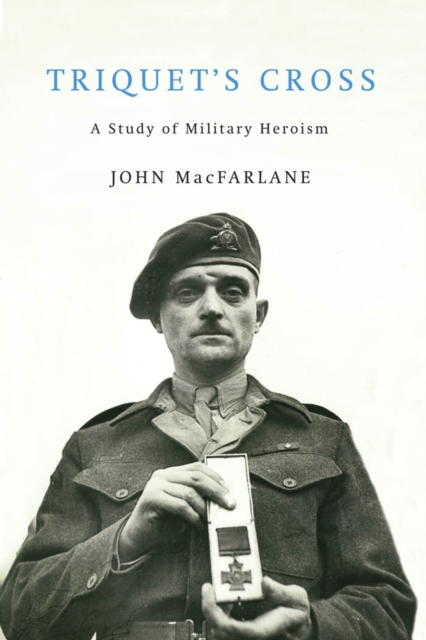
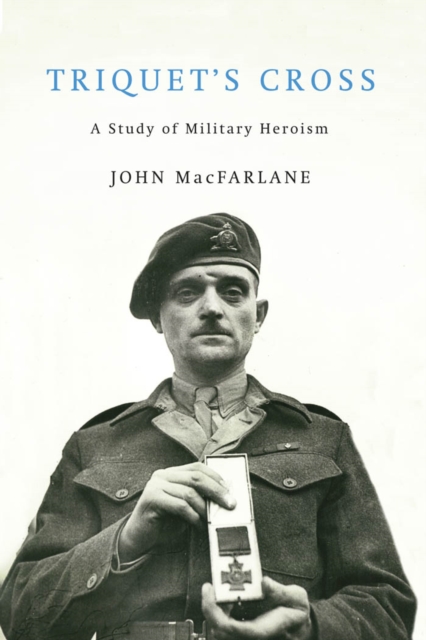
In Triquet's Cross John MacFarlane tells the story of Paul Triquet, a French-Canadian soldier who was awarded the Victoria Cross for bravery in the battle for Casa Berardi during the Second World War.
The UN has adopted a "e;responsibility to protect"e; mandate for humanitarian intervention in civil wars - but there is no institutional basis for carrying out that mandate.
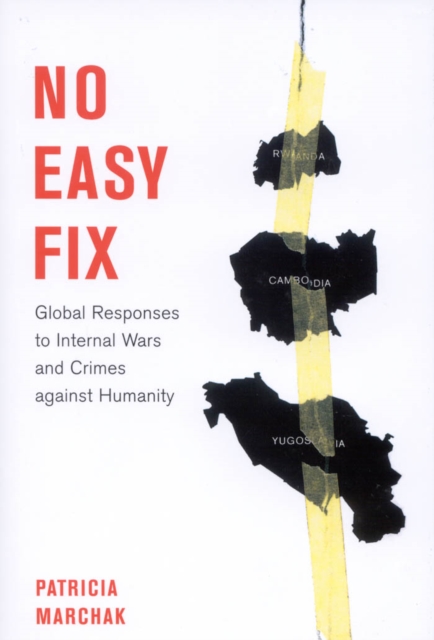
Marchak departs significantly from mainstream explanations of genocide, rejecting racism as a fundamental cause and disputing a wide range of other explanations that cite racist and religious ideologies, perception of threat, authoritarianism, and unique historical circumstances as primary causes.
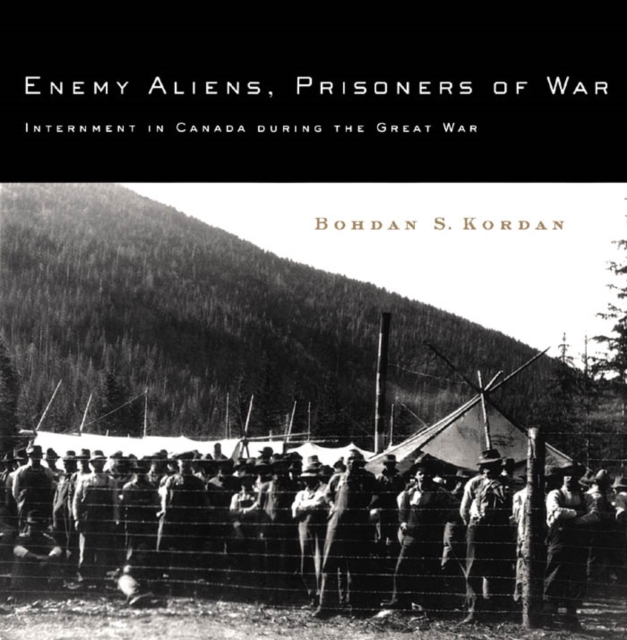
Focusing on these and other thematic issues, Bohdan Kordan assesses the policy and practice of civilian internment in Canada during the Great War and provides a clear yet critical statement about the complex and troubling nature of this experience.