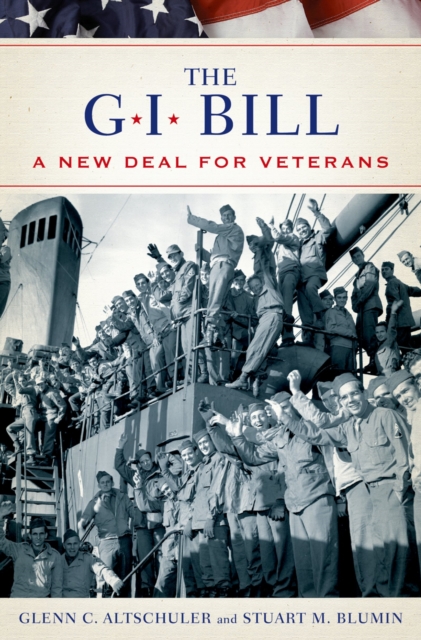
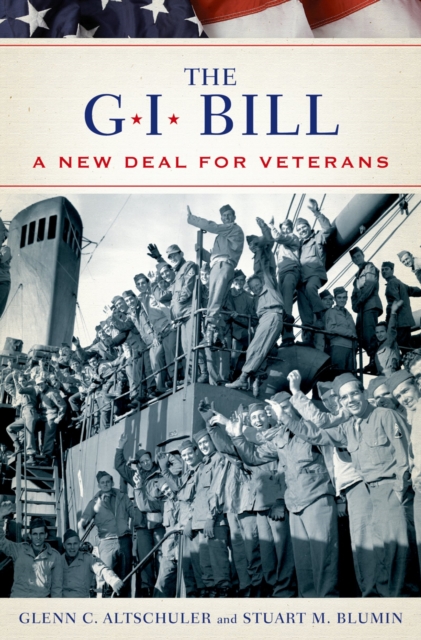
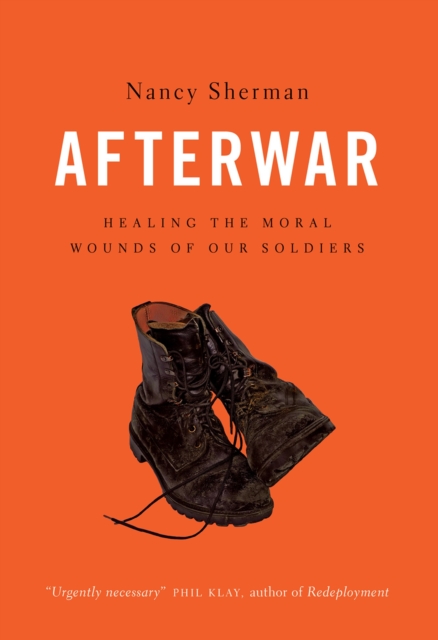
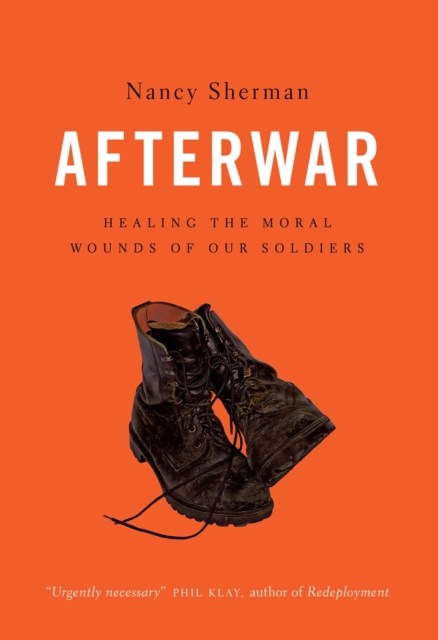
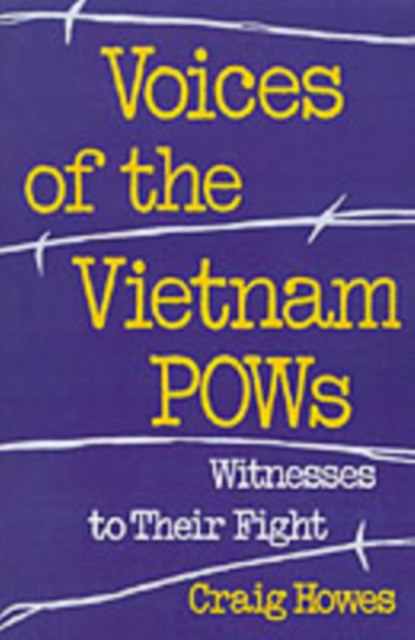
Unsure whether they would be greeted as traitors or heroes, POWs returning from Vietnam responded by holding tight to their chosen motto, "e;Return with Honor.
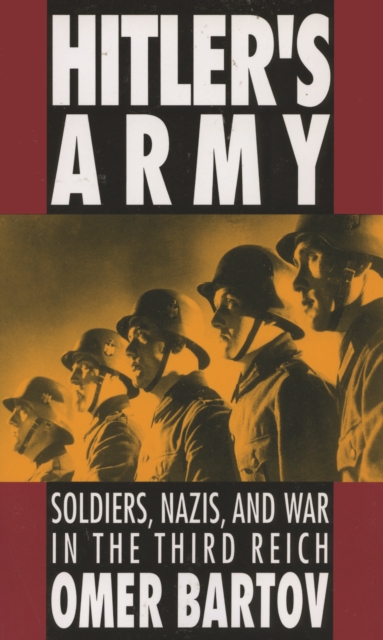
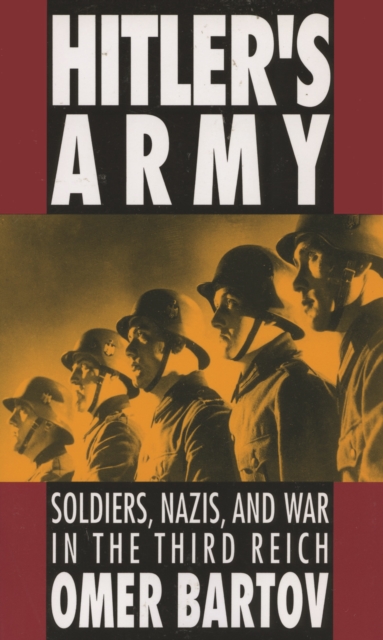
As the Cold War followed on the heels of the Second World War, as the Nuremburg Trials faded in the shadow of the Iron Curtain, both the Germans and the West were quick to accept the idea that Hitler's army had been no SS, no Gestapo, that it was a professional force little touched by Nazi politics.
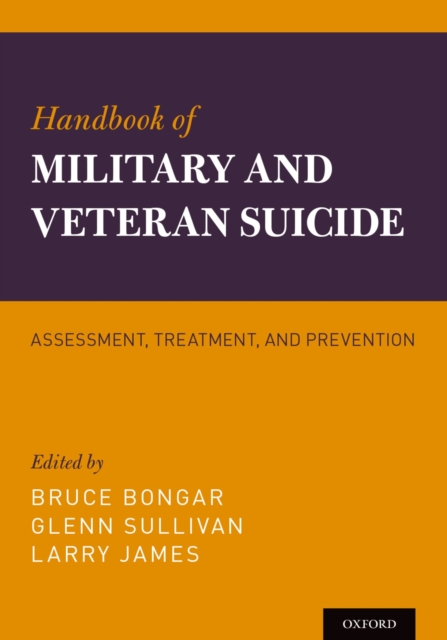
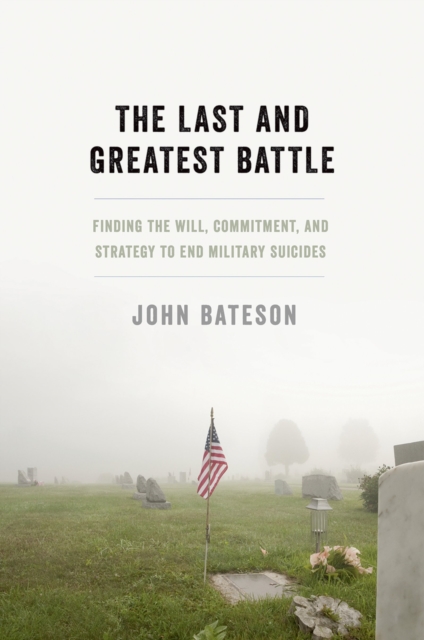
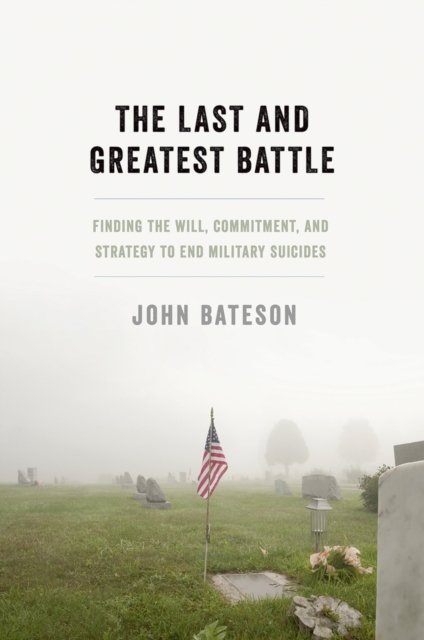
For the past decade, suicidal behavior in military and veteran populations has been a constant feature in the news and in the media, with suicide rates among active duty American military personnel reaching their highest level in almost three decades.
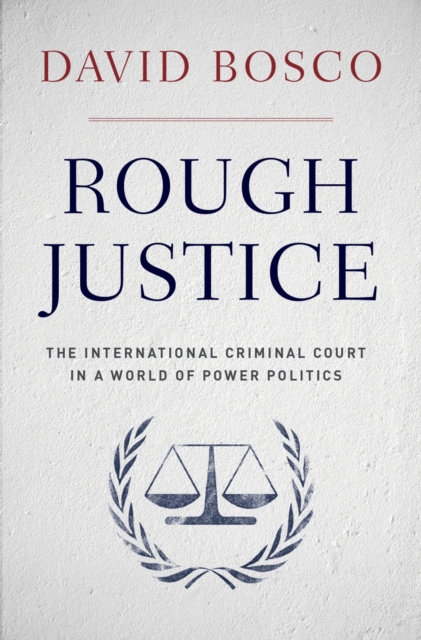
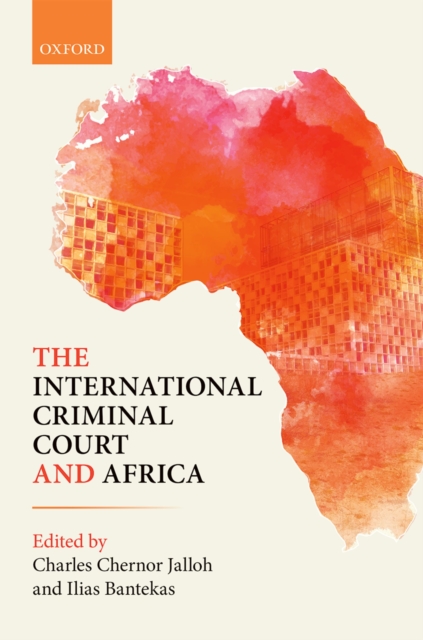
Ten years ago, in the wake of massive crimes in central Africa and the Balkans, the first permanent international criminal court was established in The Hague despite resistance from some of the world's most powerful states.
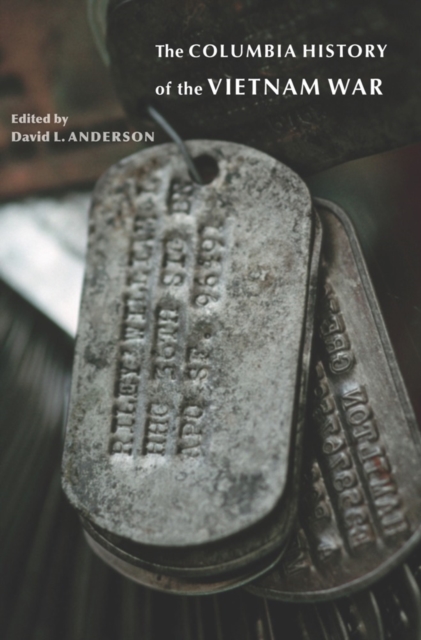
Rooted in recent scholarship, The Columbia History of the Vietnam War offers profound new perspectives on the political, historical, military, and social issues that defined the war and its effect on the United States and Vietnam.
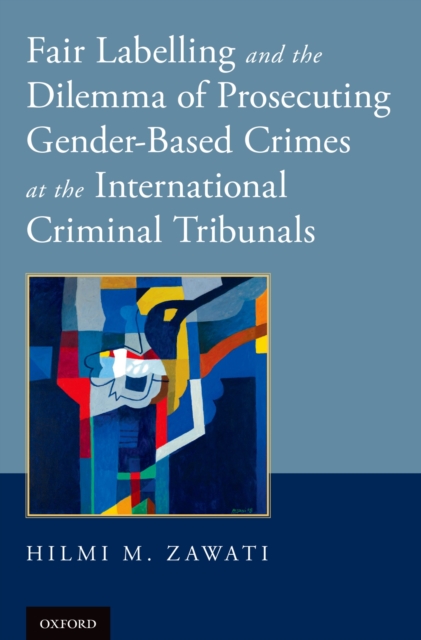
This scholarly legal work focuses on the dilemma of prosecuting gender-based crimes under the statutes of the international criminal tribunals with reference to the principle of fair labelling.
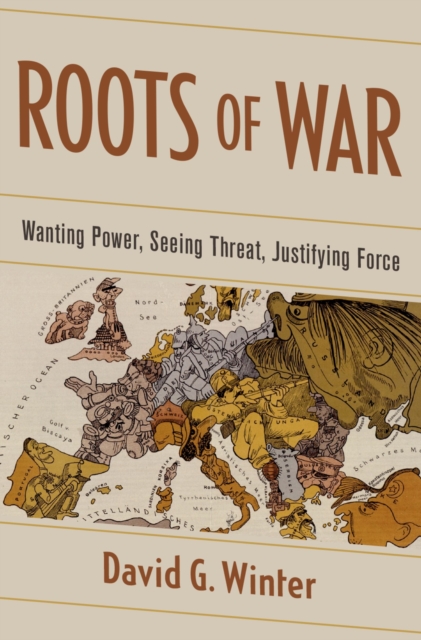
Ever since Thucydides pondered reasons for the outbreak of the Peloponnesian War, writers, philosophers, and social scientists have tried to identify factors that promote conflict escalation: for example, history (tomorrow's wars are often rooted in yesterday's conflicts), changing balance of power among nations, or domestic political forces.
Ever since Thucydides pondered reasons for the outbreak of the Peloponnesian War, writers, philosophers, and social scientists have tried to identify factors that promote conflict escalation: for example, history (tomorrow's wars are often rooted in yesterday's conflicts), changing balance of power among nations, or domestic political forces.
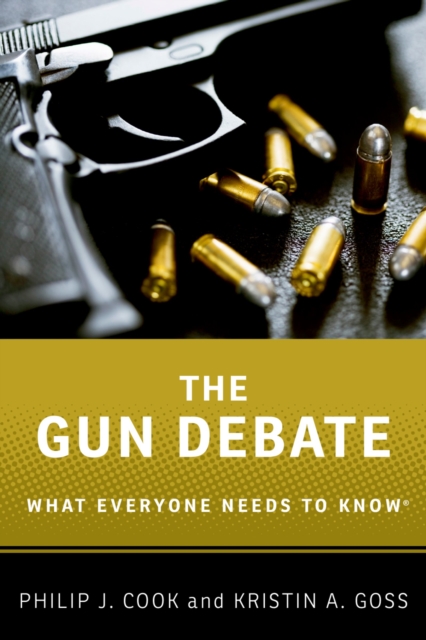
From gang- and drug-related shootings to mass shootings in schools, shopping centers, and movie theatres, reports of gun crimes fill the headlines of newspapers and nightly news programs.
From gang- and drug-related shootings to mass shootings in schools, shopping centers, and movie theatres, reports of gun crimes fill the headlines of newspapers and nightly news programs.
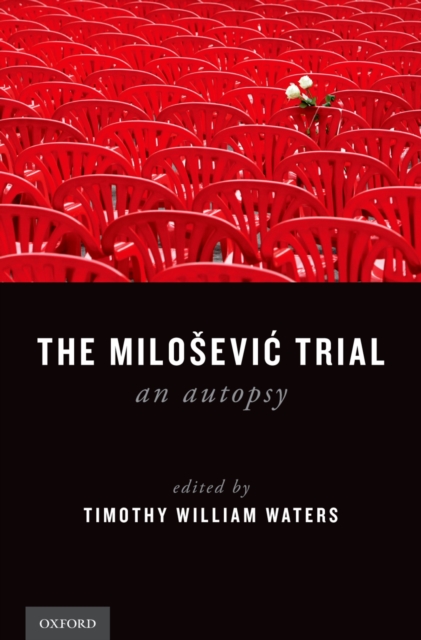
The Milosevic Trial - An Autopsy provides a cross-disciplinary examination of one of the most controversial war crimes trials of the modern era and its contested legacy for the growing fields of international criminal law and post-conflict justice.
The Milosevic Trial - An Autopsy provides a cross-disciplinary examination of one of the most controversial war crimes trials of the modern era and its contested legacy for the growing fields of international criminal law and post-conflict justice.
Unsure whether they would be greeted as traitors or heroes, POWs returning from Vietnam responded by holding tight to their chosen motto, "e;Return with Honor.
As the Cold War followed on the heels of the Second World War, as the Nuremburg Trials faded in the shadow of the Iron Curtain, both the Germans and the West were quick to accept the idea that Hitler's army had been no SS, no Gestapo, that it was a professional force little touched by Nazi politics.
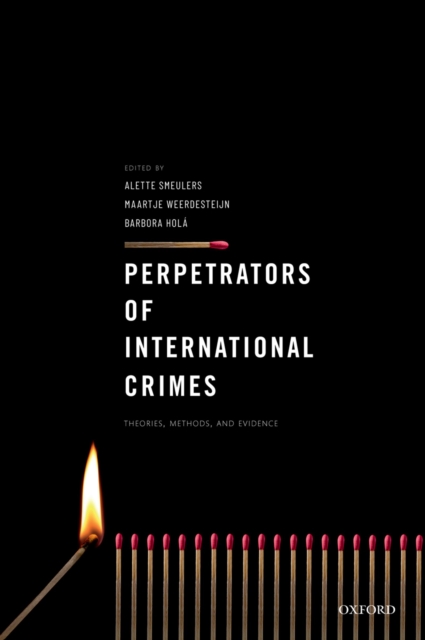
International criminal law and justice is a flourishing field which has led, in recent years, to new international criminal tribunals and new mechanisms for investigation and holding criminals to account.
International criminal law and justice is a flourishing field which has led, in recent years, to new international criminal tribunals and new mechanisms for investigation and holding criminals to account.
Judge Mettraux's four-volume compendium, International Crimes: Law and Practice, will provide the most detailed and authoritative account to-date of the law of international crimes.
Judge Mettraux's four-volume compendium, International Crimes: Law and Practice, will provide the most detailed and authoritative account to-date of the law of international crimes.
As communities struggle to make sense of mass atrocities, expectations have increasingly been placed on international criminal courts to render authoritative historical accounts of episodes of mass violence.
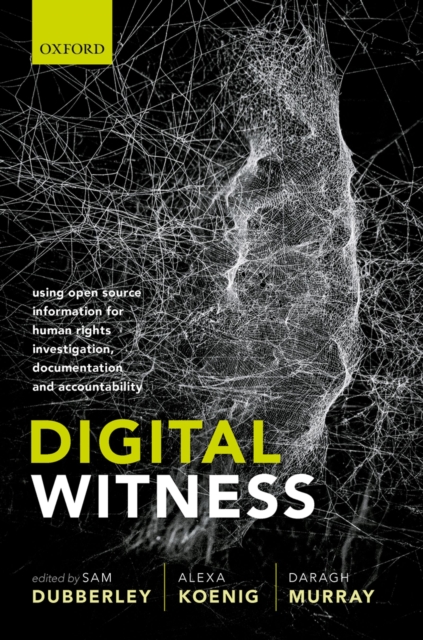
From videos of rights violations, to satellite images of environmental degradation, to eyewitness accounts disseminated on social media, human rights practitioners have access to more data today than ever before.
From videos of rights violations, to satellite images of environmental degradation, to eyewitness accounts disseminated on social media, human rights practitioners have access to more data today than ever before.
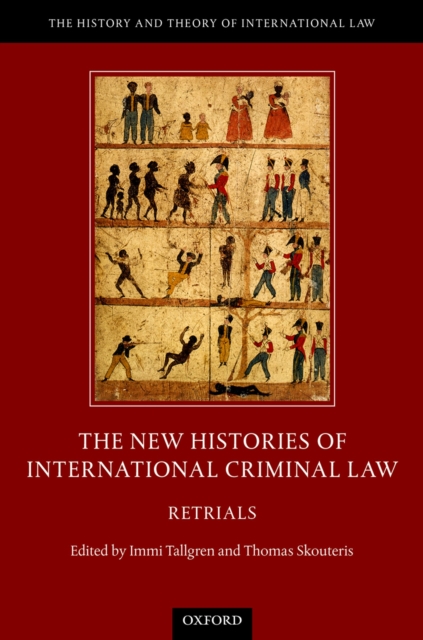
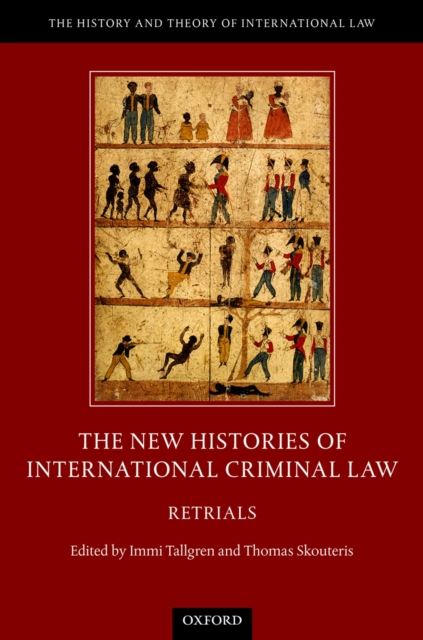
The language of international criminal law has considerable traction in global politics, and much of its legitimacy is embedded in apparently 'axiomatic' historical truths.
The language of international criminal law has considerable traction in global politics, and much of its legitimacy is embedded in apparently 'axiomatic' historical truths.
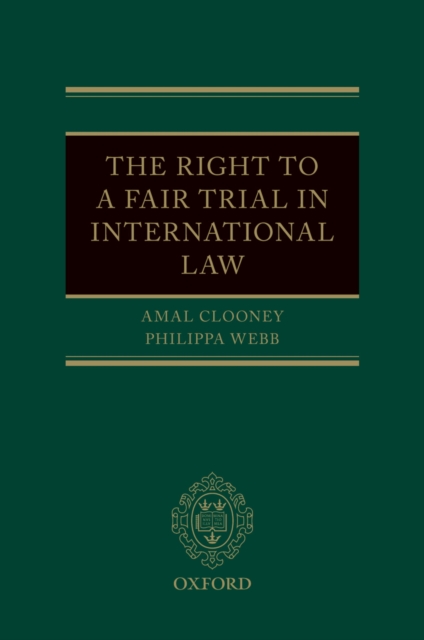
The Right to a Fair Trial in International Lawbrings together the diverse sources of international law that define the right to a fair trial in the context of criminal (as opposed to civil, administrative or other) proceedings.