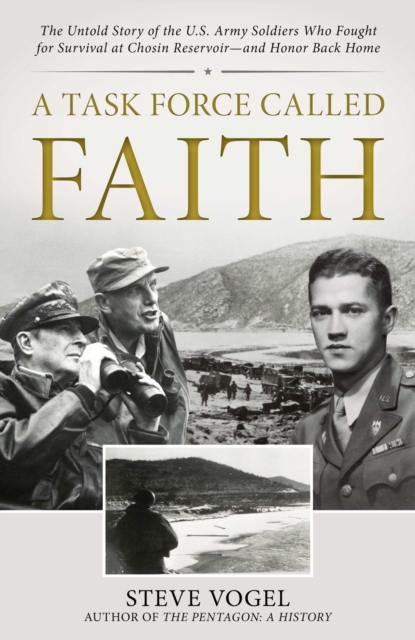
WINNER OF THE 2025 ARMY HISTORICAL FOUNDATION (AHF) DISTINGUISHED WRITING AWARD ("e;Operational-Battle History"e; Category)The forgotten heroes of Chosinhow Task Force Faith fought against impossible odds and a legacy of unfair shame.
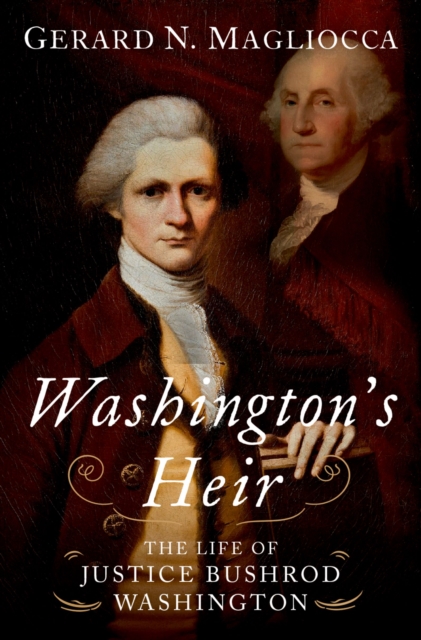
The first biography of George Washington's extraordinary nephew, who inherited Mount Vernon and was Chief Justice John Marshall's right-hand man on the Supreme Court for nearly thirty years.
The first biography of George Washington's extraordinary nephew, who inherited Mount Vernon and was Chief Justice John Marshall's right-hand man on the Supreme Court for nearly thirty years.
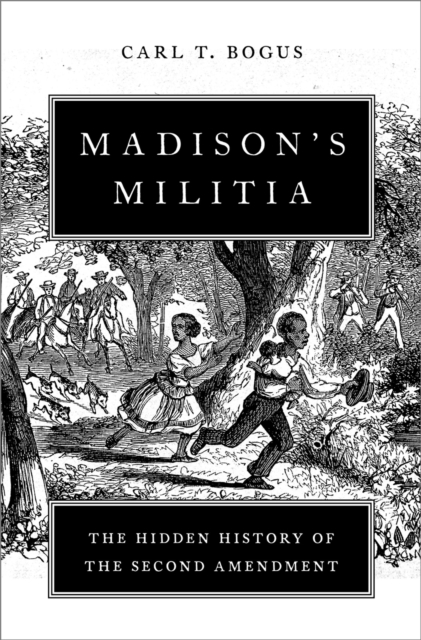
This engaging history overturns the conventional wisdom about the Second Amendment--showing that the right to bear arms was not about protecting liberty but about preserving slavery.
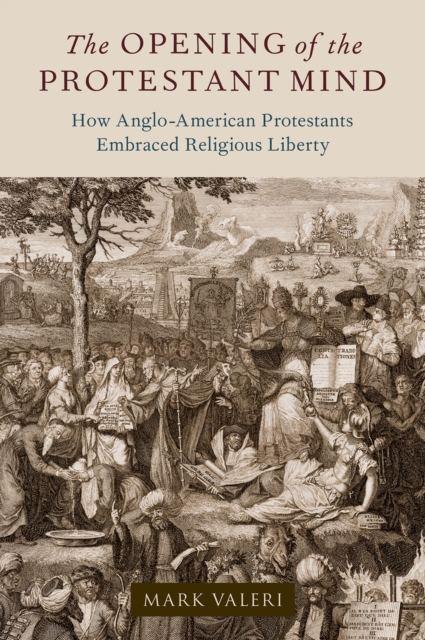
During the mid-seventeenth century, Anglo-American Protestants described Native American ceremonies as savage devilry, Islamic teaching as violent chicanery, and Catholicism as repugnant superstition.
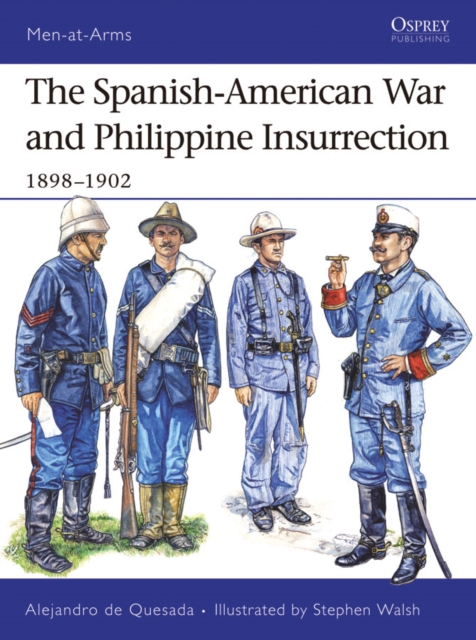
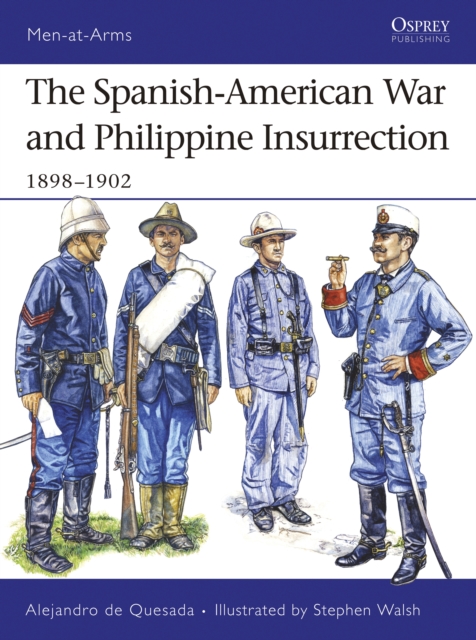
This book details the uniforms and weapons of the American, Spanish, Cuban and Filipino forces involved in the United States Army's first overseas war.
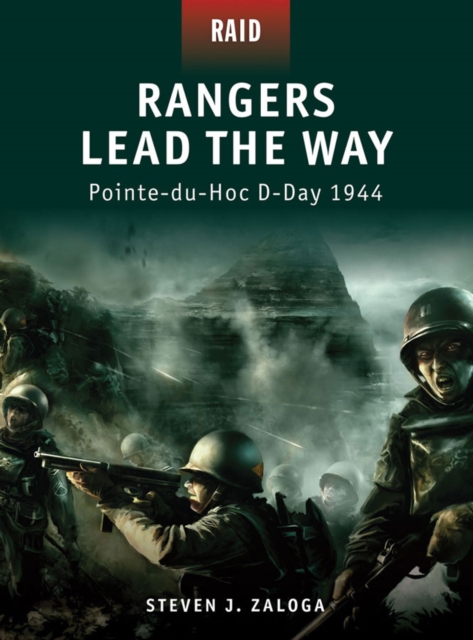
An in-depth look at the US' desperate battle to secure Carentan and support the Normandy invasion and the elite German units that sought to repel them.
An in-depth look at the US' desperate battle to secure Carentan and support the Normandy invasion and the elite German units that sought to repel them.
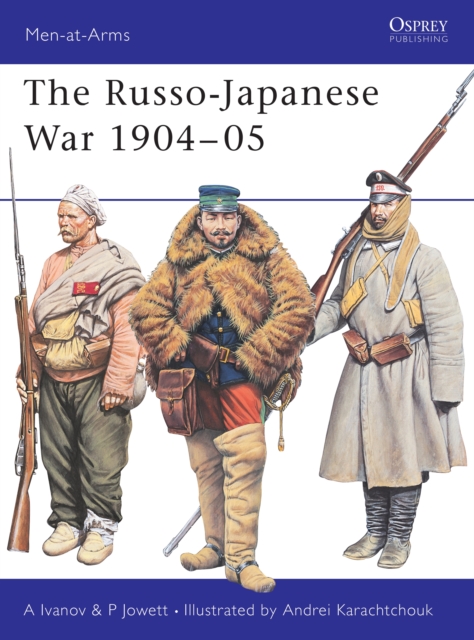
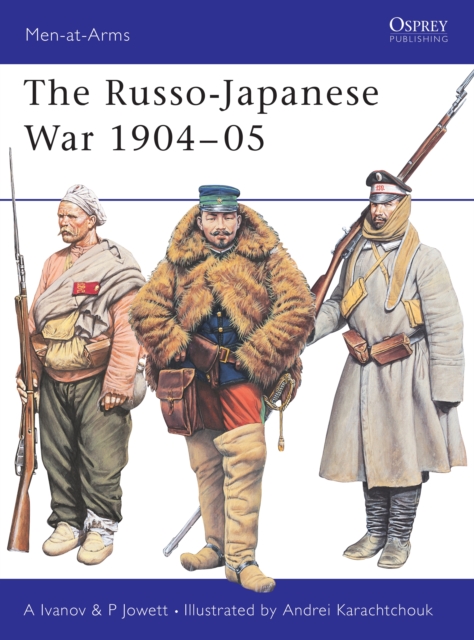
The Russo-Japanese War in Manchuria was the first 20th century conflict fought between the regular armies of major powers, employing the most modern means machine guns, trench warfare, minefields and telephone communications.
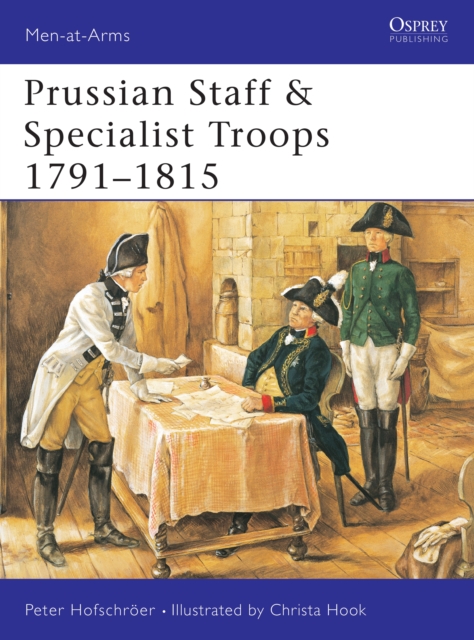
The origins of what would become the German General Staff of the late 19th and 20th centuries - probably the most professional military machine in the world - can be traced to the Prussian Army of the French Revolutionary and Napoleonic Wars.
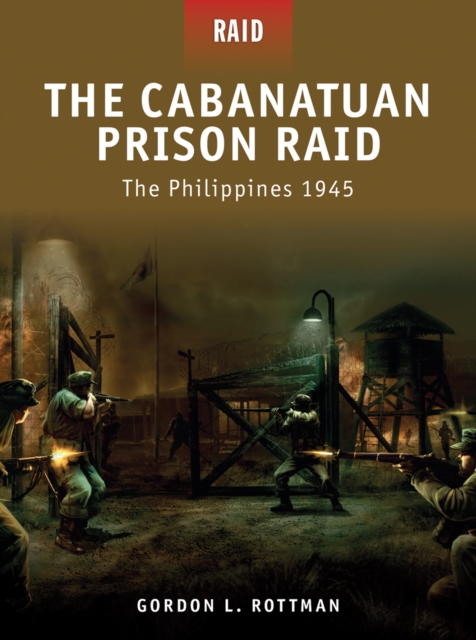
On 27 January 1945 the 6th Ranger Battalion and the 6th Army Special Reconnaissance Unit (the Alamo Scouts) began the most dangerous and important mission of their careers: to rescue 500 American, British and Dutch prisoners-of-war held at a camp near Cabanatuan.
This book details the uniforms and weapons of the American, Spanish, Cuban and Filipino forces involved in the United States Army's first overseas war.
The Russo-Japanese War in Manchuria was the first 20th century conflict fought between the regular armies of major powers, employing the most modern means machine guns, trench warfare, minefields and telephone communications.
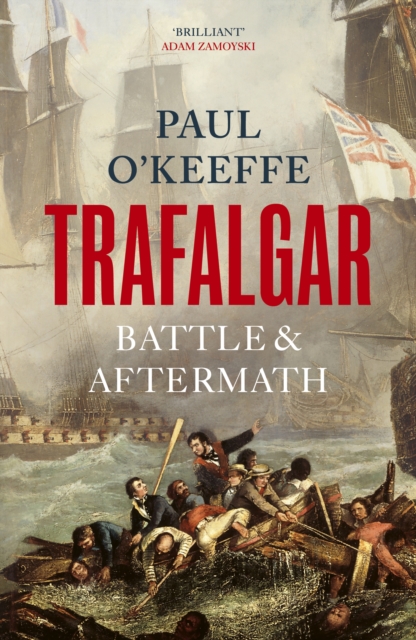
A vivid and visceral portrayal of the most famous naval battle in history, focusing on the human cost of war, by a brilliant military historian'A striking success' The Times'Fresh, original and brilliantly vivid' Telegraph'The best all-round book on the subject yet' SpectatorAt about 1.
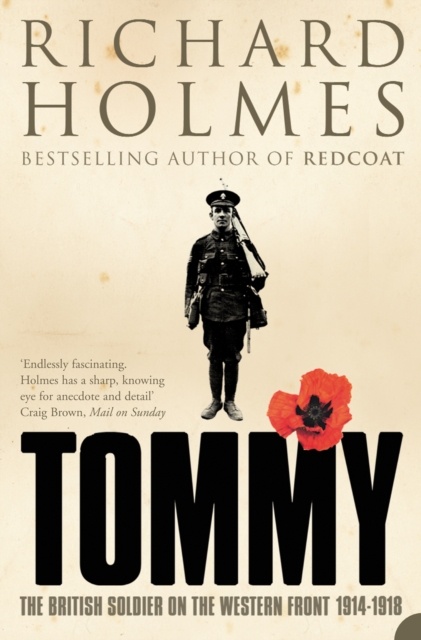
Groundbreaking and critically-acclaimed, Tommy is the first history of World War I to place the British soldier who fought in the trenches centre-stage.
A fresh, all-encompassing study of the most active British fleet of the French Revolutionary and Napoleonic wars: the Mediterranean Fleet, in which Horatio Nelson made his legendary name.
This visual history sheds light on forgotten parts of World War II history through the lens of the US Marine Corps, serving everywhere outside of the Pacific.
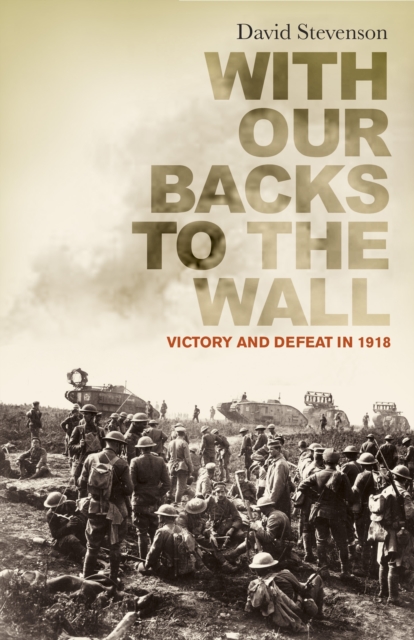
FINANCIAL TIMES HISTORY BOOK OF THE YEAR and DAILY TELEGRAPH BOOKS OF THE YEARShortlisted for the 2012 DUKE OF WESTMINSTER MEDAL FOR MILITARY LITERATUREAt the end of 1917 Britain and France faced a strategic nightmare.
A fresh, all-encompassing study of the most active British fleet of the French Revolutionary and Napoleonic wars: the Mediterranean Fleet, in which Horatio Nelson made his legendary name.
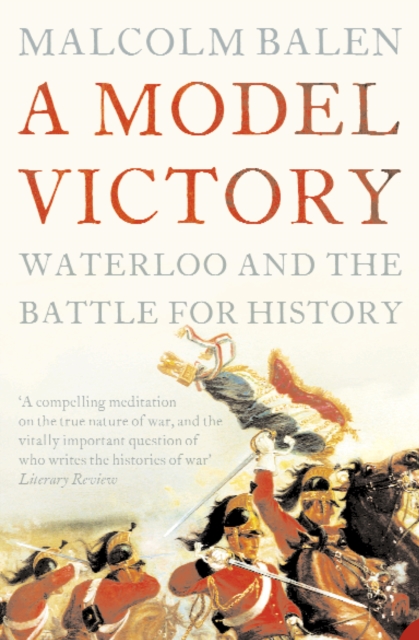
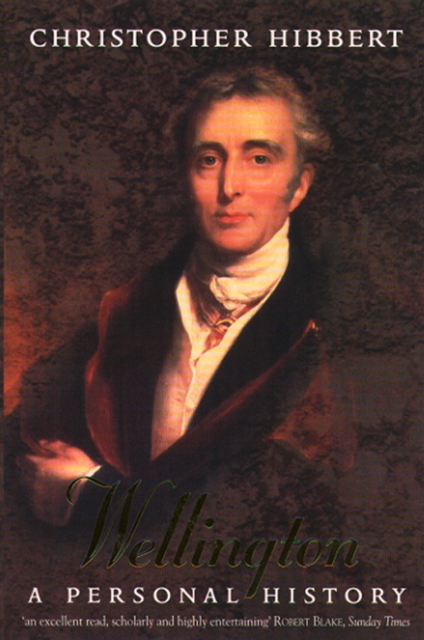
A bestseller in hardback, this is a highly-praised and much-needed biography of the first Duke of Wellington, concentrating on the personal life of the victor of Waterloo, and based on the fruits of modern research.
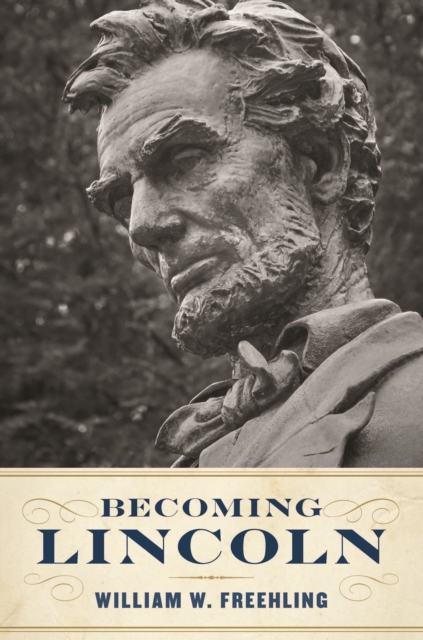
Shortlisted for the 2018 Lincoln PrizePrevious biographies of Abraham Lincoln-universally acknowledged as one of America's greatest presidents-have typically focused on his experiences in the White House.
Shortlisted for the 2018 Lincoln PrizePrevious biographies of Abraham Lincoln-universally acknowledged as one of America's greatest presidents-have typically focused on his experiences in the White House.
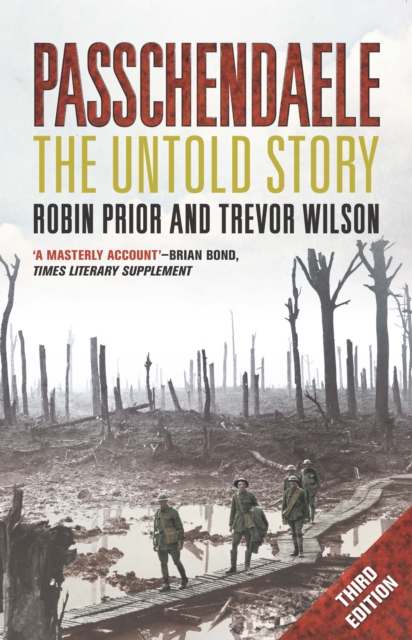
No conflict of the Great War excites stronger emotions than the war in Flanders in the autumn of 1917, and no name better encapsulates the horror and apparent futility of the Western Front than Passchendaele.
No conflict of the Great War excites stronger emotions than the war in Flanders in the autumn of 1917, and no name better encapsulates the horror and apparent futility of the Western Front than Passchendaele.
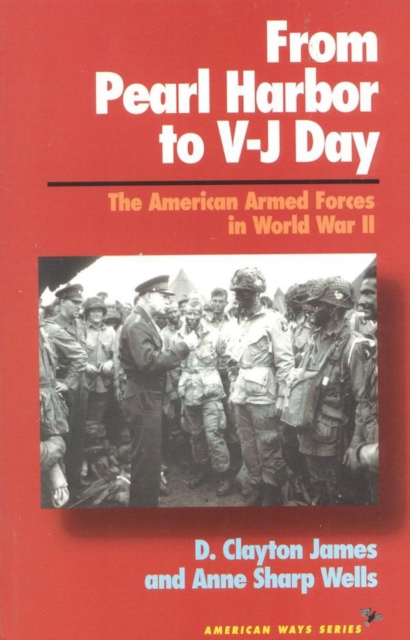
A compact but comprehensive history of the American armed forces in World War II, examining the strategy, logistics, high command, operations, and home-front aspects of the military campaign.
A compact but comprehensive history of the American armed forces in World War II, examining the strategy, logistics, high command, operations, and home-front aspects of the military campaign.