The second edition of this well received handbook provides a comprehensive overview and annotated commentary of those areas of international law most relevant to the planning and conduct of military operations.
Fighting for Peace in Somalia provides the first comprehensive analysis of the African Union Mission in Somalia (AMISOM), an operation deployed in 2007 to stabilize the country and defend its fledgling government from one of the world's deadliest militant organizations, Harakat al-Shabaab.
Since the end of the Cold War, crises from the Balkans to Central Asia and Africa have forced international organizations to adapt, expand, and cooperate to end civil wars, manage humanitarian challenges, and contain terrorist threats.
The imperatives of sovereignty, human rights and national security very often pull in different directions, yet the relations between these three different notions are considerably more subtle than those of simple opposition.
The complexity of the twenty-first century threat landscape contrasts markedly with the bilateral nuclear bargaining context envisioned by classical deterrence theory.
The complexity of the twenty-first century threat landscape contrasts markedly with the bilateral nuclear bargaining context envisioned by classical deterrence theory.
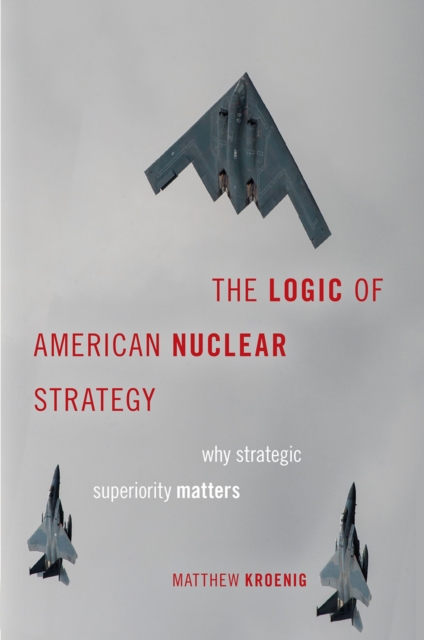
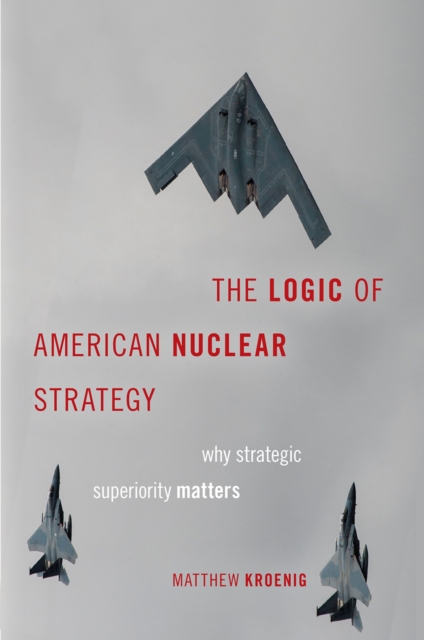
For decades, the reigning scholarly wisdom about nuclear weapons policy has been that the United States only needs the ability to absorb an enemy nuclear attack and still be able to respond with a devastating counterattack.
For decades, the reigning scholarly wisdom about nuclear weapons policy has been that the United States only needs the ability to absorb an enemy nuclear attack and still be able to respond with a devastating counterattack.
The United Nations Peacebuilding Commission (UNPBC) was established in December 2005 to develop outlines of best practice in post-conflict reconstruction, and to secure the political and material resources necessary to assist states in transition from conflict to peacetime.
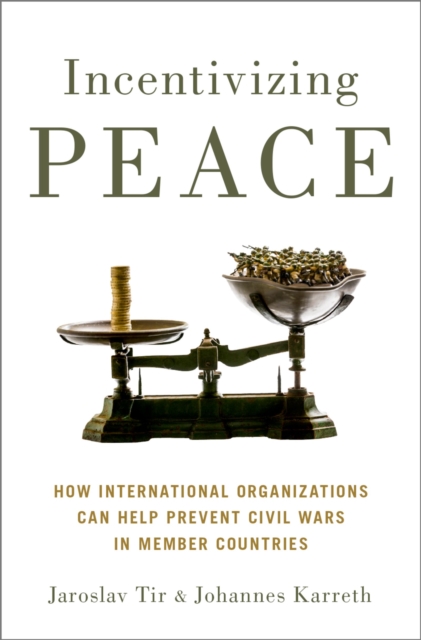
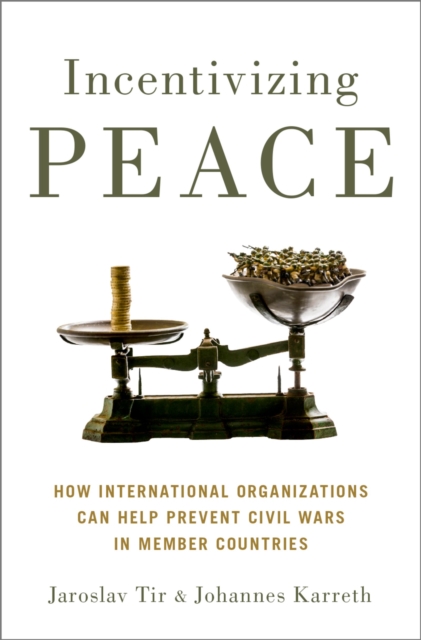
The idea of studying peace has gained considerable traction in the past few years after languishing in the shadows of conflict for decades but how should it be studied?
The idea of studying peace has gained considerable traction in the past few years after languishing in the shadows of conflict for decades but how should it be studied?
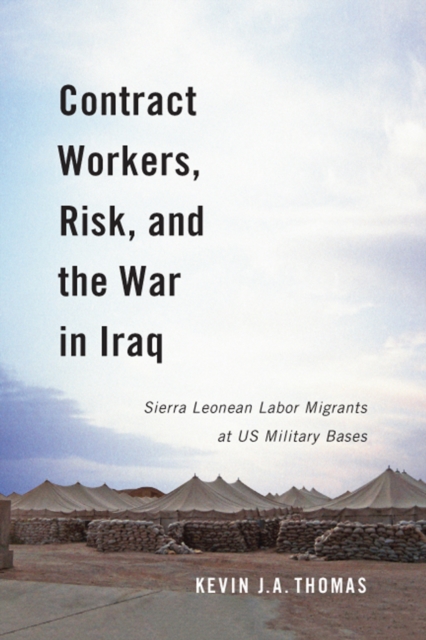
In 2003, just before the start of the US invasion of Iraq, military planners predicted that the mission's success would depend on using diverse sources for their workforce.