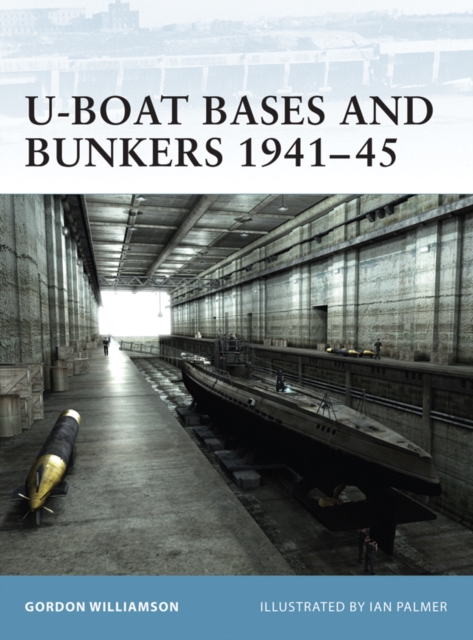
Few of the massive military structures built by Germany during World War II are as impressive as the U-Boat bases and bunkers in Germany, Norway and France.
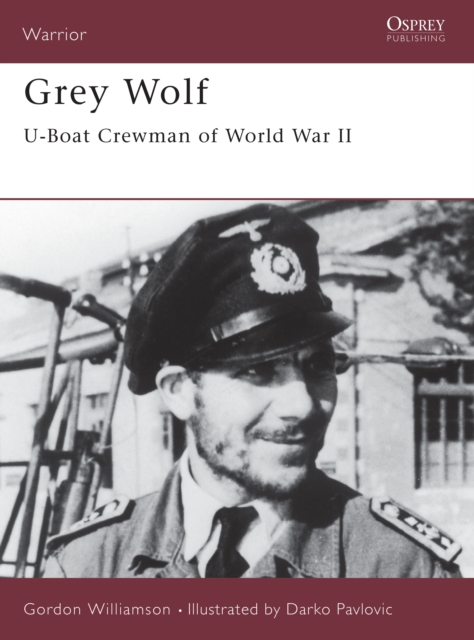
The scourge of Allied shipping during World War II, the U-Boot Waffe was one of the most feared components of Hitler's war machine, yet the Kriegsmarine was the least political branch of the Third Reich.
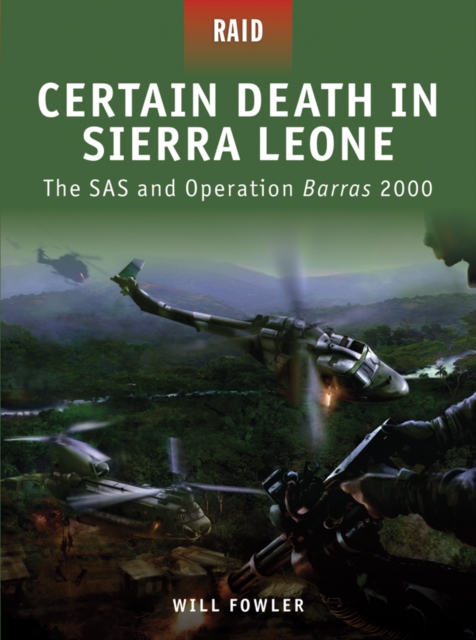
In September 2000 the notorious militia gang, 'West Side Boys' kidnapped eleven British soldiers in Sierra Leone and Operation Barras was launched as the rescue operation.
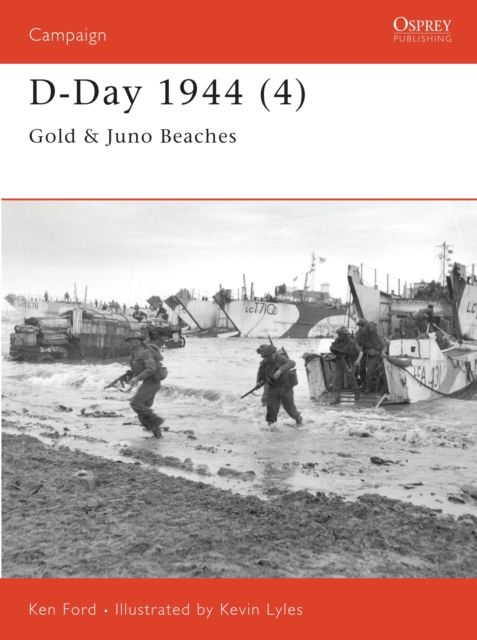
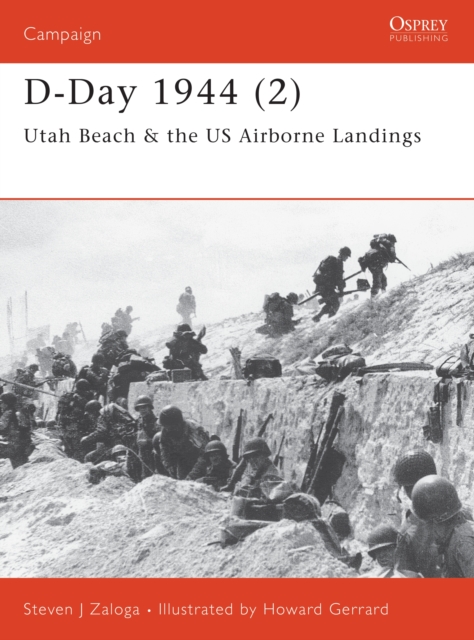
A highly illustrated and detailed study of the Gold and Juno Beaches Landings Operation Overlord, the Allied invasion of Normandy, was the greatest sea-borne military operation in history.
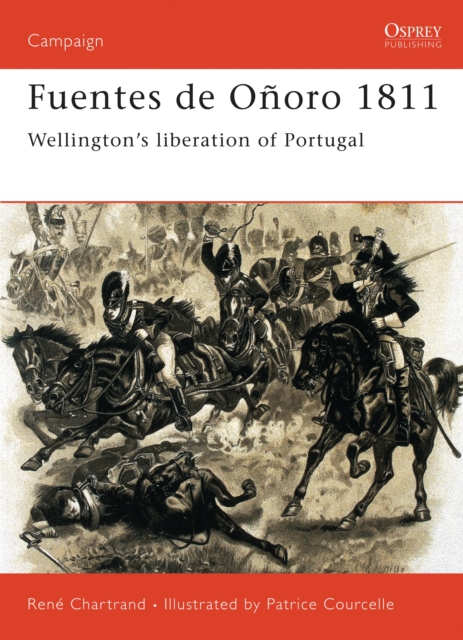
Packed with illustrations and maps, this slim volume examines Wellington's comeback in Portugal, which ultimately led to the end of its French occupation.
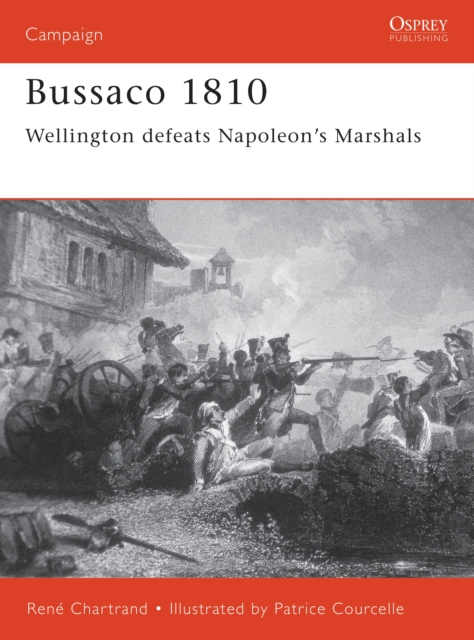
Alongside battlescene illustrations, maps and contemporary prints, Ren Chartrand examines the Anglo-Portuguese defeat of Napoleon's French forces at Bussaco.
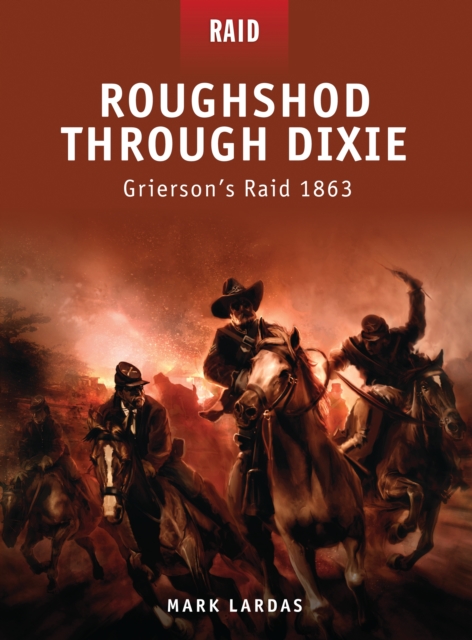
On April 17, 1863 Benjamin Grierson led a force of 1,700 Union cavalrymen across enemy lines into Confederate-held Tennessee in a bold diversionary raid.
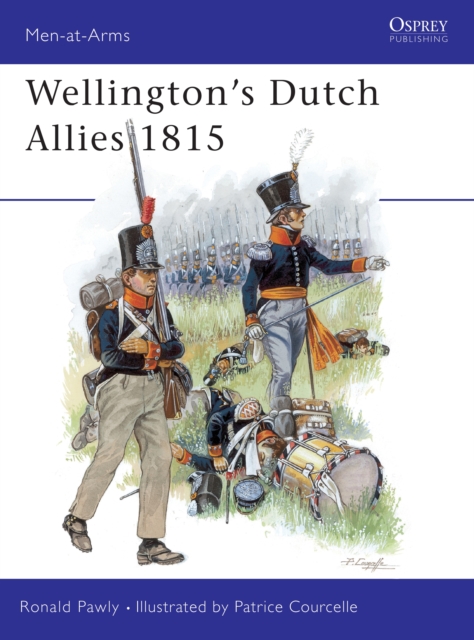
The British Army that faced Napoleon in the Peninsula was small by continental standards, but it consistently out-fought larger French armies, never losing a major open-field action.
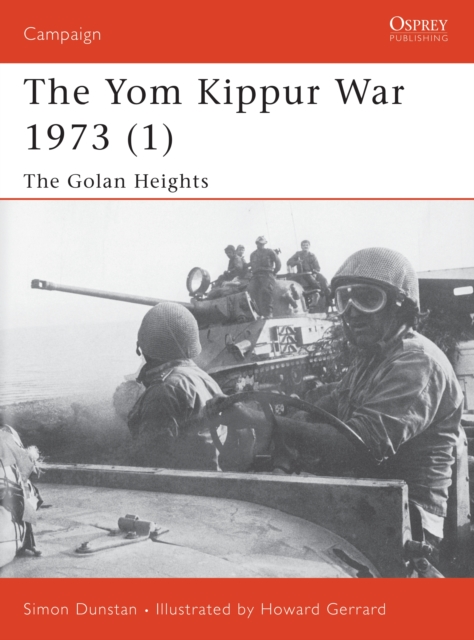
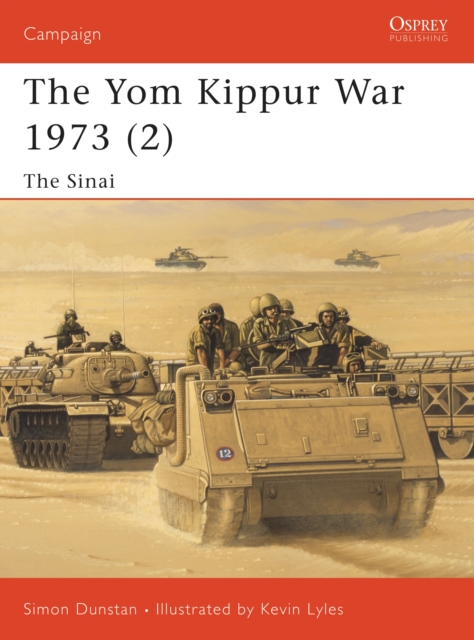
The second instalment of Simon Dunstan's Yom Kippur War 1973, this book charts how Israel's victory in the 1967 'Six Day War' sowed the seeds of the 1973 Yom Kippur War.
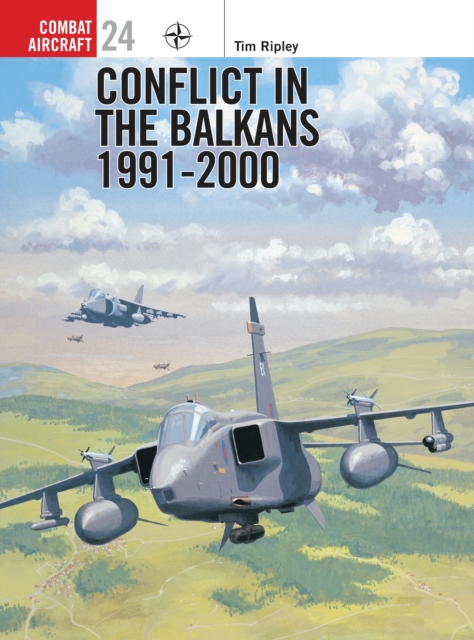
Exposing the true scale and significance of the deployment of air power in the Balkans, this book details the activities of NATO and UN aircraft as well as local pilots in the former Yugoslavia.
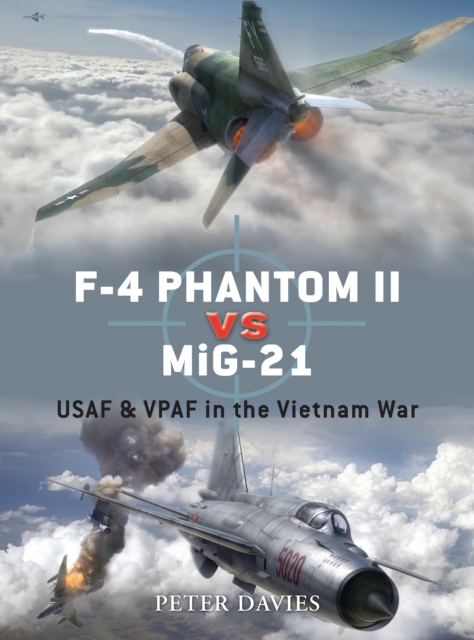
A gripping account of the mighty F-4 Phantom II, icon of the Cold War and ultimate American fighter of the 1960s, versus the nimble, agile and abundant MiG-21, which was a communist icon of the period.
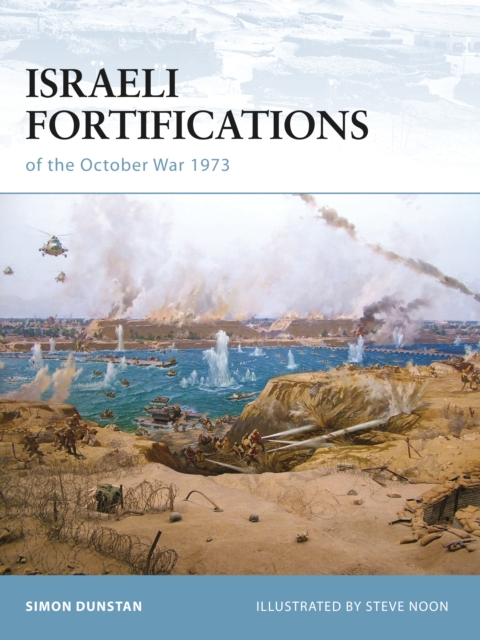
Following the Israel Defence Forces' success in the Six Day War of 1967, the IDF Chief of Staff, General Haim Bar-Lev, ordered the construction of a series of fortified positions named the Bar Lev Line.
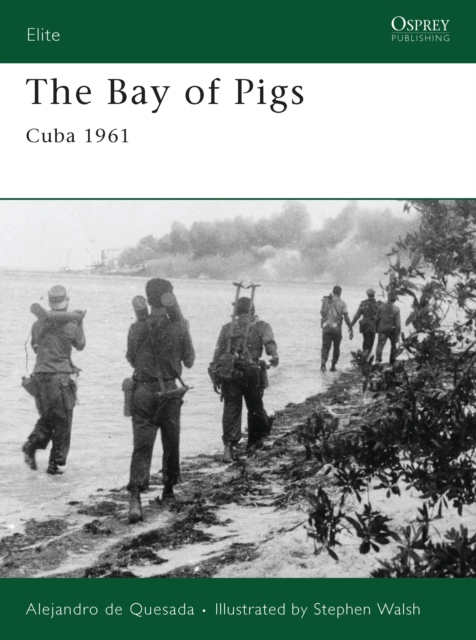
From the shadowy world of the CIA to the desperate actions of exiles seeking to return home, this dramatic story reveals how Cold War politics were played out on the battlefield.
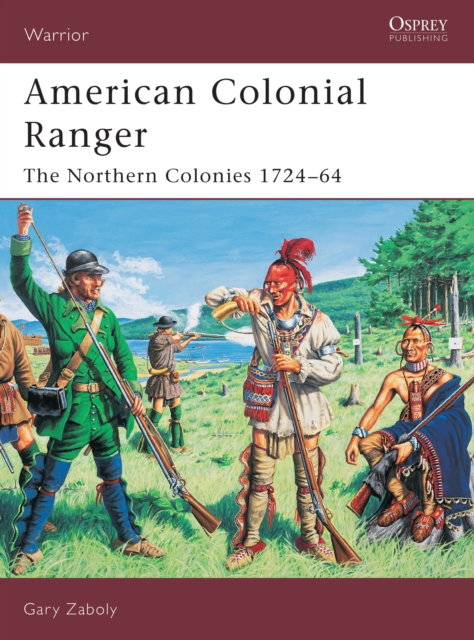
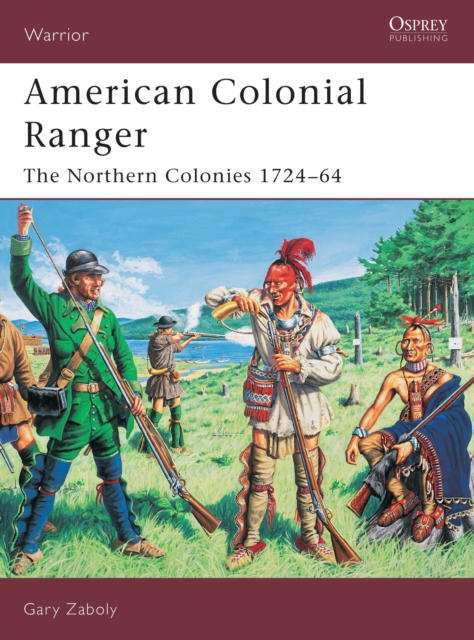
A fully illustrated history of colonial rangers in 18th-century North America, covering ranger battle tactics, uniforms, and camps, with a full-colour plate section.
A fully illustrated history of colonial rangers in 18th-century North America, covering ranger battle tactics, uniforms, and camps, with a full-colour plate section.
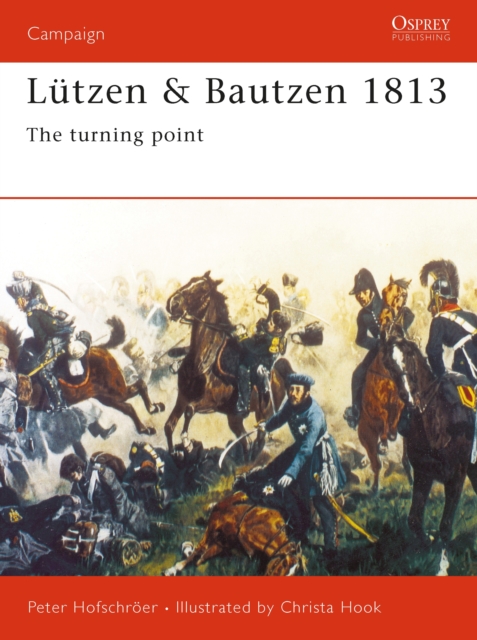
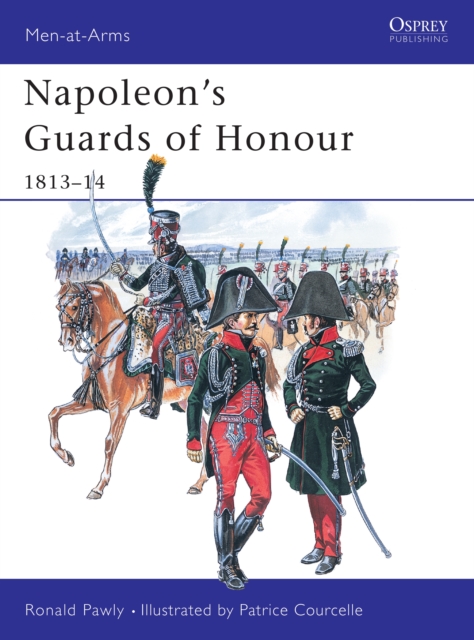
One of the least understood of Napoleon's corps were the four regiments of Gardes d'honneur, raised in 1813 during the frantic rebuilding of the French cavalry after the huge losses in Russia.
Countries emerging from civil war or protracted violence often face the daunting challenge of rebuilding their economy while simultaneously creating the political and social conditions for a stable peace.