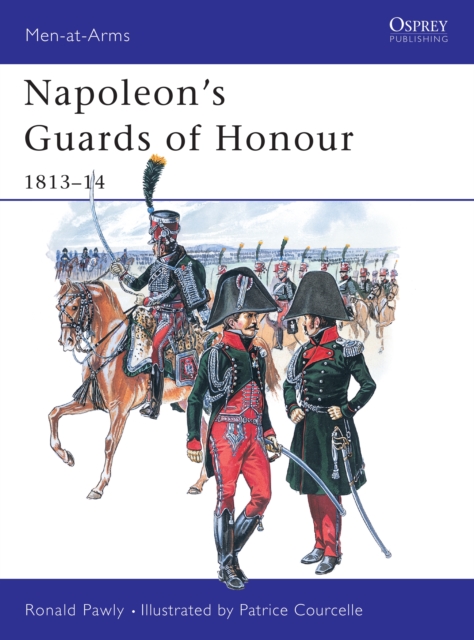
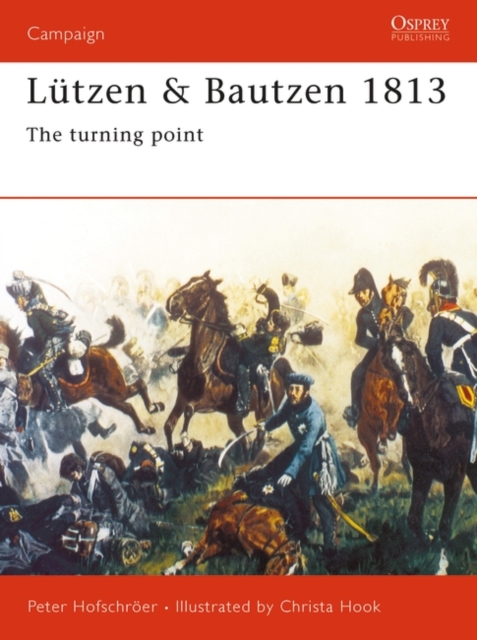
One of the least understood of Napoleon's corps were the four regiments of Gardes d'honneur, raised in 1813 during the frantic rebuilding of the French cavalry after the huge losses in Russia.
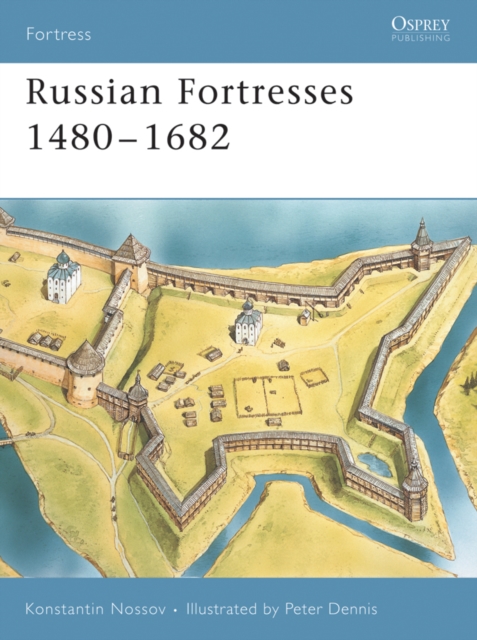
A history of the key fortresses that dominated the landscape of medieval Russia from its legendary foundations in the 9th century to its conquest by the Mongols and the eventual rise to power of the principality of Muscovy.
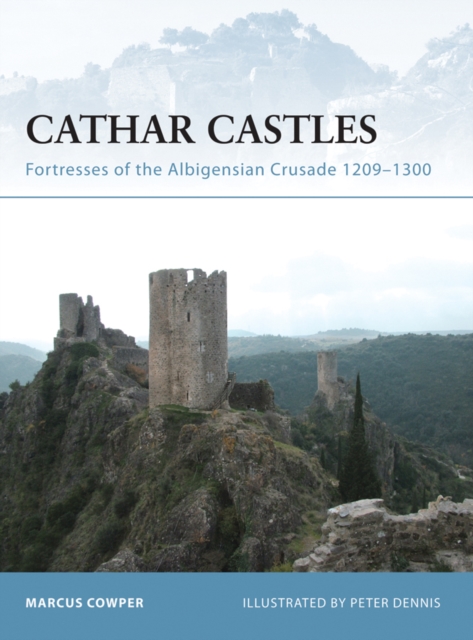
During the early 13th century the north of what is now France went to war with the south in a bloody crusade aimed at destroying the heretical sect known as the Cathars.
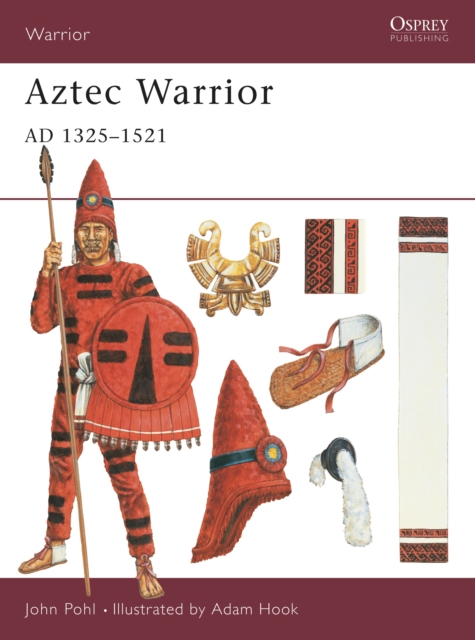
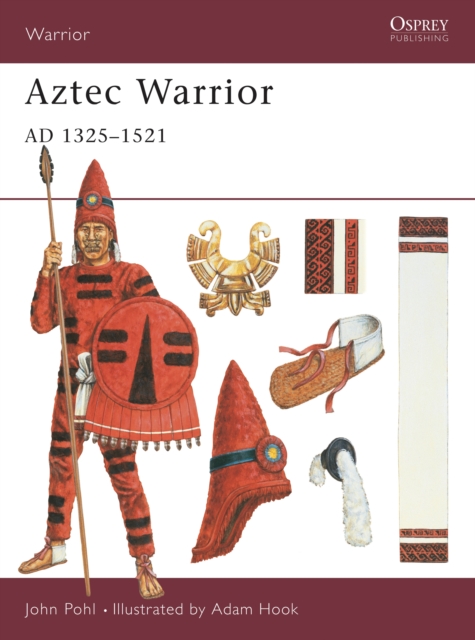
According to one popular image, the Aztec army was a ruthless and efficient war machine, that established an empire by convincingly overwhelming its neighbors, sacrificing thousands to bloodthirsty gods along the way.
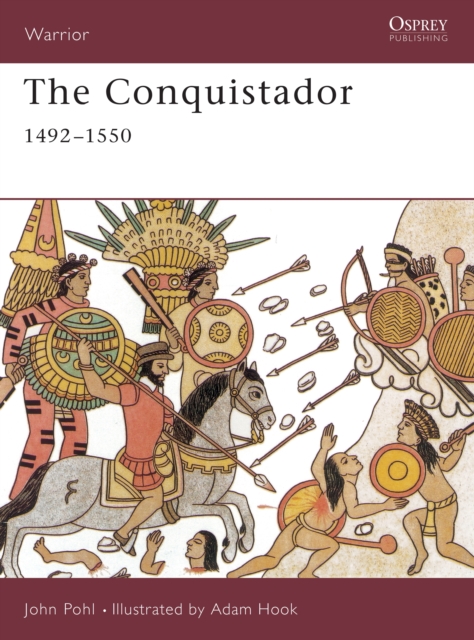
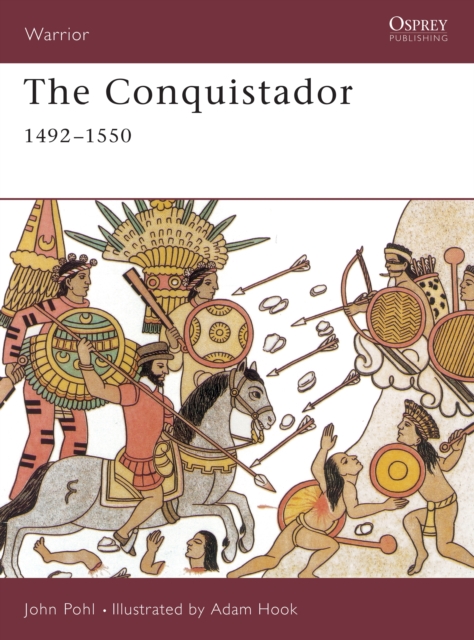
Many accounts portray the conquest of the "e;New World"e; as a remarkable military achievement, with Cort s' vastly outnumbered but better armed Spaniards defeating hordes of superstitious native peoples.
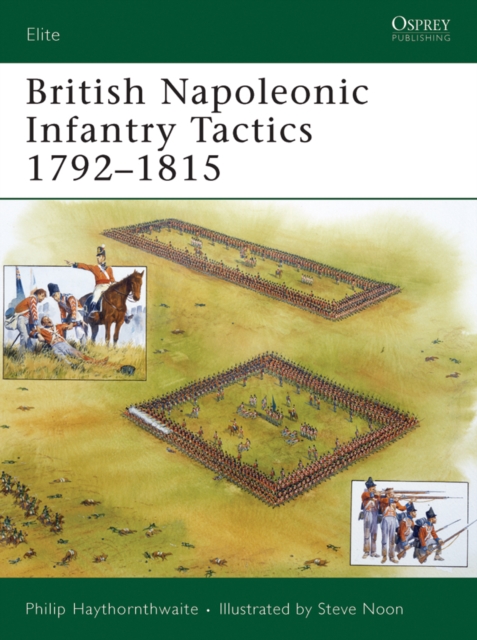
The British Army that faced Napoleon in the Peninsula was small by continental standards, but it consistently out-fought larger French armies, never losing a major open-field action.
According to one popular image, the Aztec army was a ruthless and efficient war machine, that established an empire by convincingly overwhelming its neighbors, sacrificing thousands to bloodthirsty gods along the way.
Many accounts portray the conquest of the "e;New World"e; as a remarkable military achievement, with Cort s' vastly outnumbered but better armed Spaniards defeating hordes of superstitious native peoples.
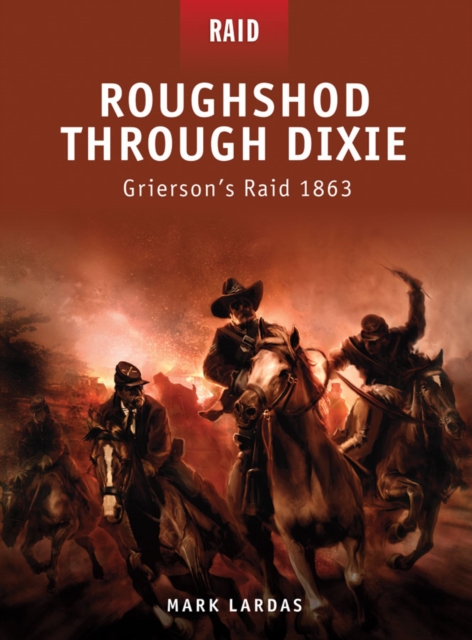
On April 17, 1863 Benjamin Grierson led a force of 1,700 Union cavalrymen across enemy lines into Confederate-held Tennessee in a bold diversionary raid.
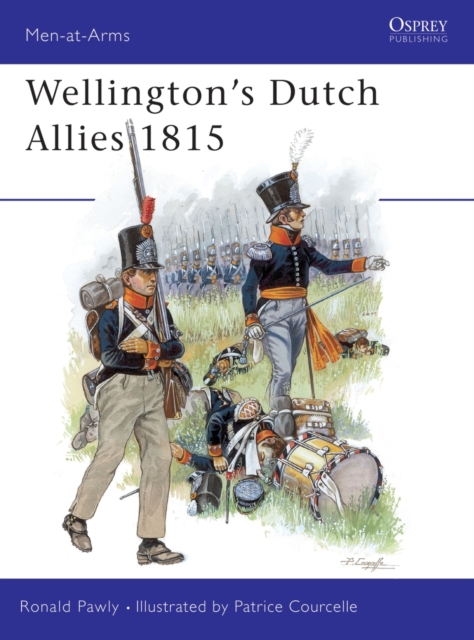
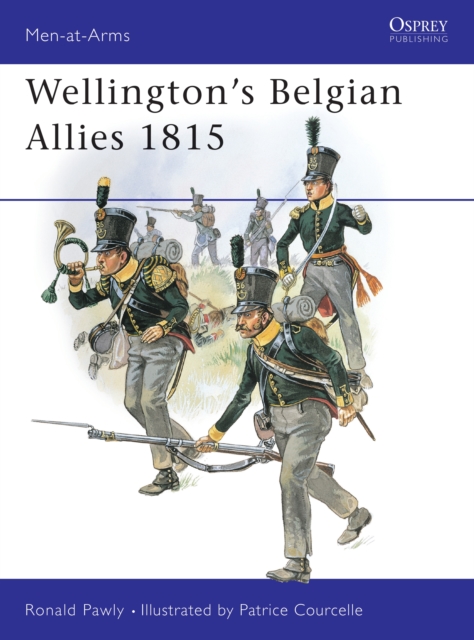
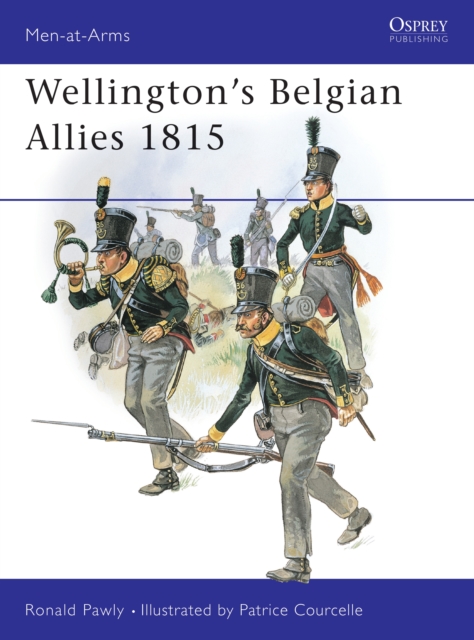
The army commanded by the Duke of Wellington at Quatre-Bras and Waterloo included two infantry divisions and three cavalry brigades of the newly-unified Netherlands (or 'Dutch-Belgian') army.
The army commanded by the Duke of Wellington at Quatre-Bras and Waterloo included two infantry divisions and three cavalry brigades of the newly-unified Netherlands (or 'Dutch-Belgian') army.
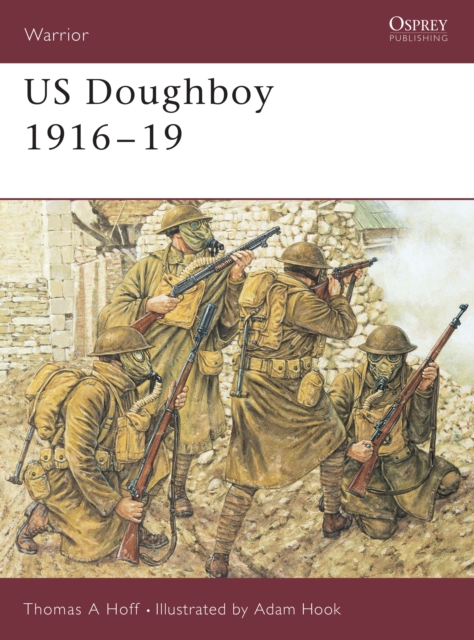
Dedicated to the life of the average US soldier during World War I, this book follows the doughboy during the course of the war: from conscription, arrival at a training facility, transportation to Europe, and finally into combat in the trenches.
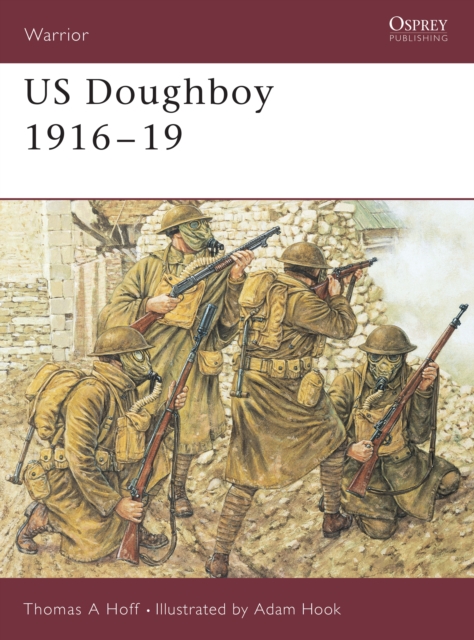
Dedicated to the life of the average US soldier during World War I, this book follows the doughboy during the course of the war: from conscription, arrival at a training facility, transportation to Europe, and finally into combat in the trenches.
The origins of what would become the German General Staff of the late 19th and 20th centuries - probably the most professional military machine in the world - can be traced to the Prussian Army of the French Revolutionary and Napoleonic Wars.
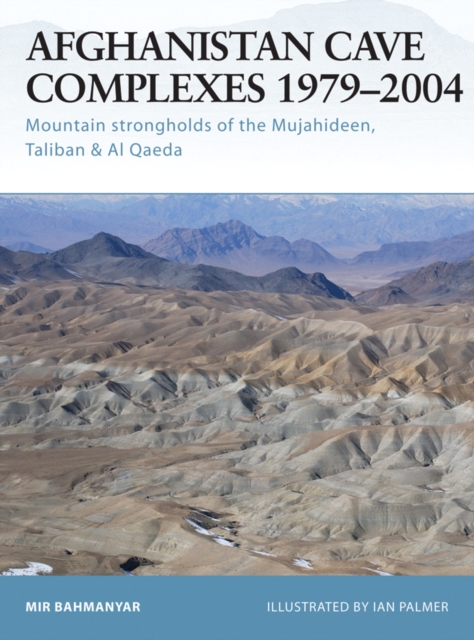
Following the Soviet invasion in 1979, the Mujahideen defenders of Afghanistan developed and reinforced many natural cave systems to use as supply bases and defensive positions.
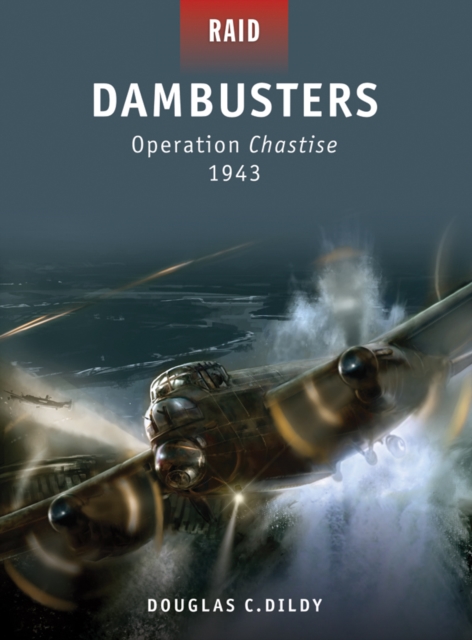
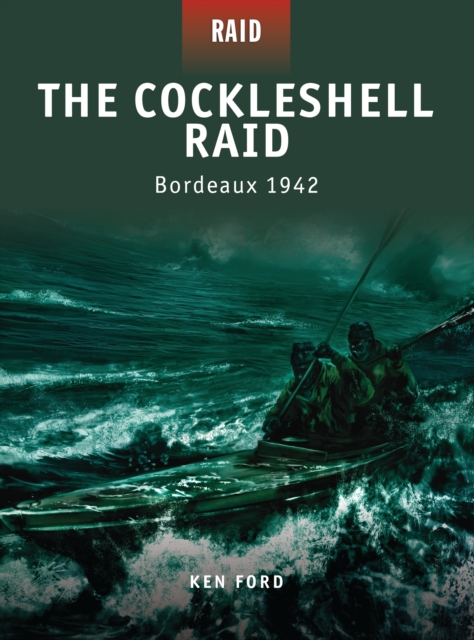
On the night of December 7, 1942, five canoes were launched off the mouth of the Gironde river, each containing a pair of British commandoes tasked with slipping into the port of Bordeaux and destroying as many of the merchant ships as possible.
Throughout their stormy history the Teutonic Knights of Germany have always been the most controversial brotherhood ever to call themselves 'Knights of Christ'.
A brilliant but little-known operation, the Shimazu clan raid on the independent kingdom of Ryukyu (modern Okinawa) in 1609 is one of the most extraordinary episodes in samurai history - the culmination of centuries of rivalry between the two powers.
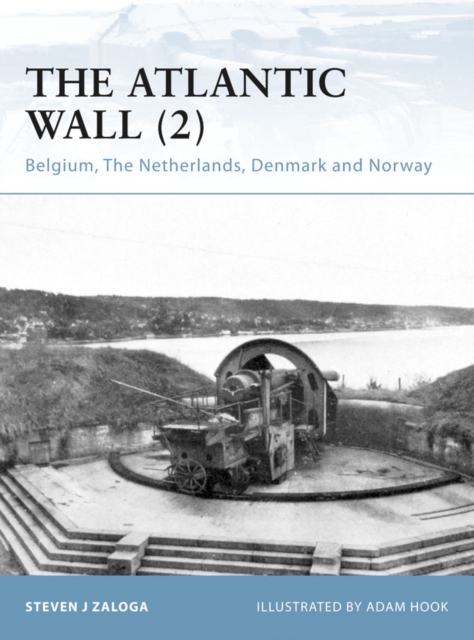
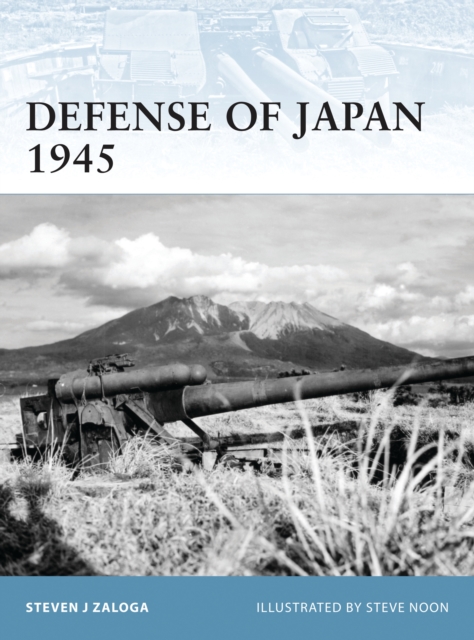
In 1945, with her fleet destroyed and her armies beaten, the only thing that stood between Japan and an Allied invasion was the numerous coastal defence positions that surrounded the islands.
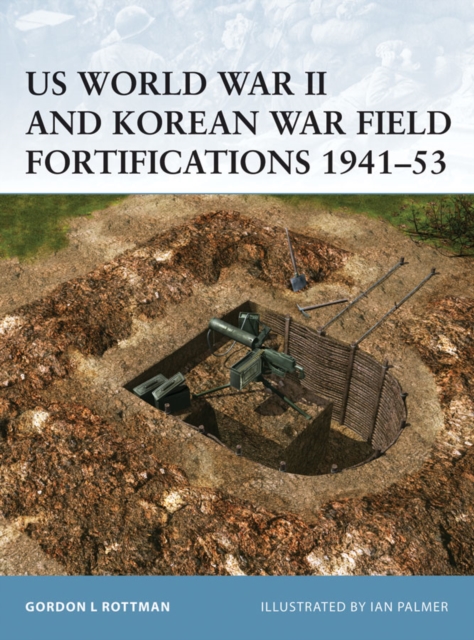
Gordon L Rottman explores the design development and combat history of the US Army's field fortifications during these two major wars, alongside illustrations and diagrams throughout.
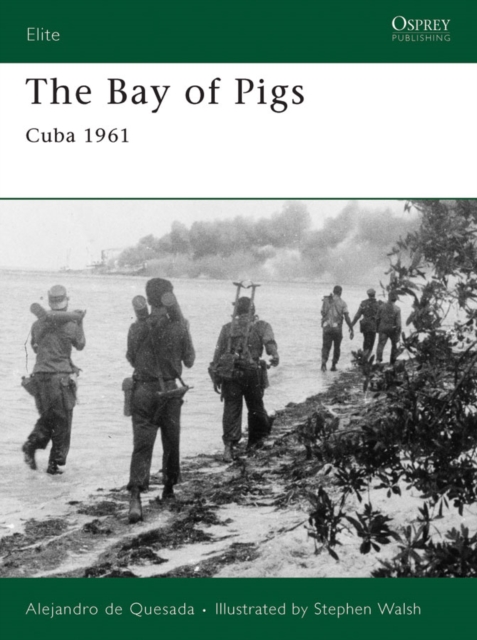
From the shadowy world of the CIA to the desperate actions of exiles seeking to return home, this dramatic story reveals how Cold War politics were played out on the battlefield.
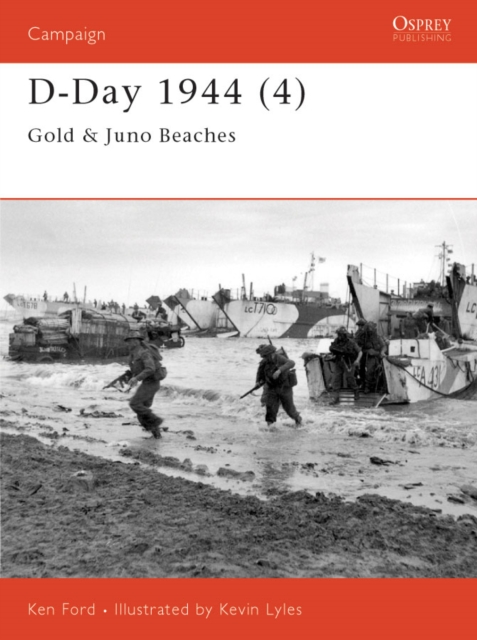
A highly illustrated and detailed study of the Gold and Juno Beaches Landings Operation Overlord, the Allied invasion of Normandy, was the greatest sea-borne military operation in history.
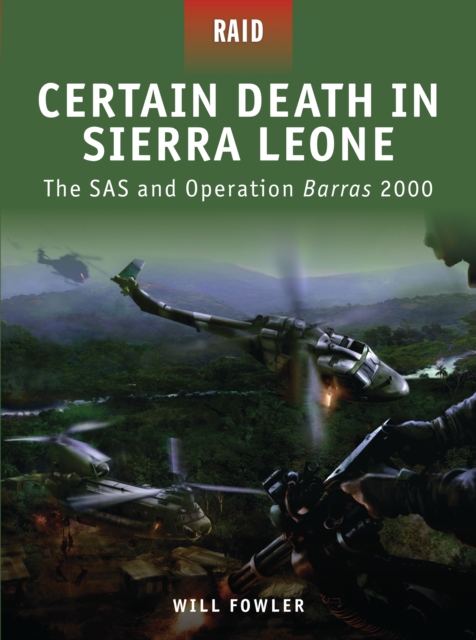
In September 2000 the notorious militia gang, 'West Side Boys' kidnapped eleven British soldiers in Sierra Leone and Operation Barras was launched as the rescue operation.
In 1945, with her fleet destroyed and her armies beaten, the only thing that stood between Japan and an Allied invasion was the numerous coastal defence positions that surrounded the islands.
On the night of December 7, 1942, five canoes were launched off the mouth of the Gironde river, each containing a pair of British commandoes tasked with slipping into the port of Bordeaux and destroying as many of the merchant ships as possible.
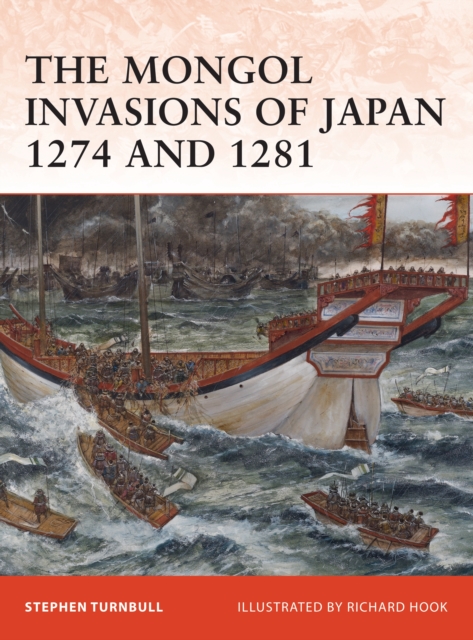
An illustrated account of one of the most important campaigns in the history of Japan and the origin of the kami kaze - a key part of Japanese national identity.