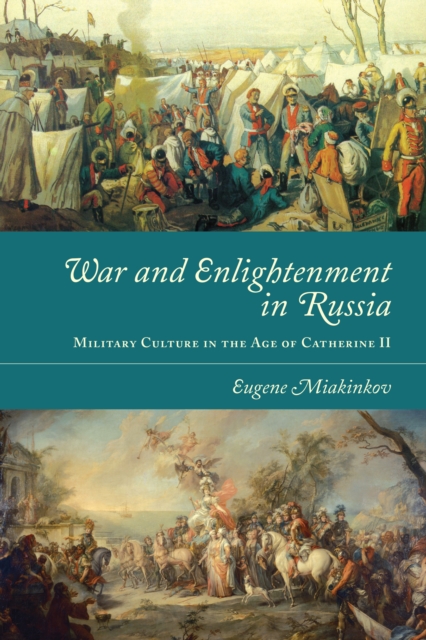
War and Enlightenment in Russia explores how members of the military during the reign of Catherine II reconciled Enlightenment ideas about the equality and moral worth of all humans with the Russian reality based on serfdom, a world governed by autocracy, absolute respect for authority, and subordination to seniority.
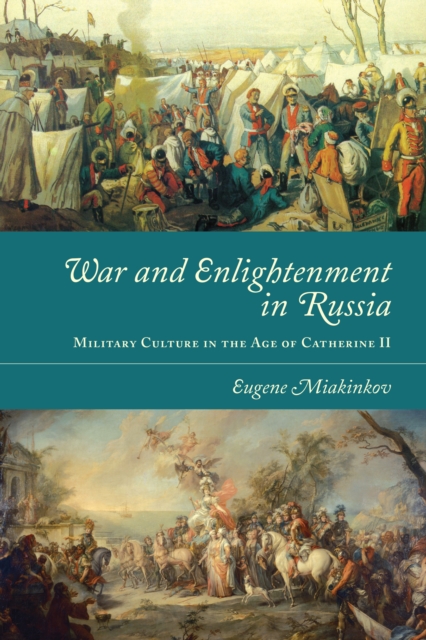
War and Enlightenment in Russia explores how members of the military during the reign of Catherine II reconciled Enlightenment ideas about the equality and moral worth of all humans with the Russian reality based on serfdom, a world governed by autocracy, absolute respect for authority, and subordination to seniority.
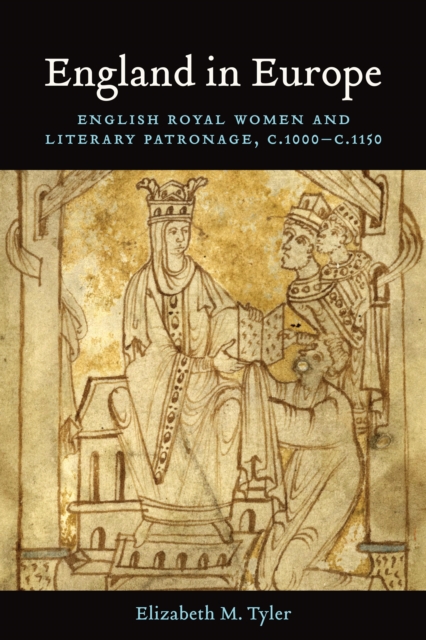
In England in Europe, Elizabeth Tyler focuses on two histories: the Encomium Emmae Reginae, written for Emma the wife of the thelred II and Cnut, and The Life of King Edward, written for Edith the wife of Edward the Confessor.
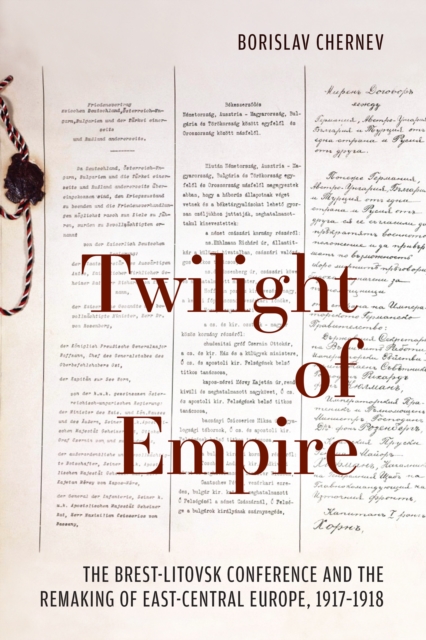
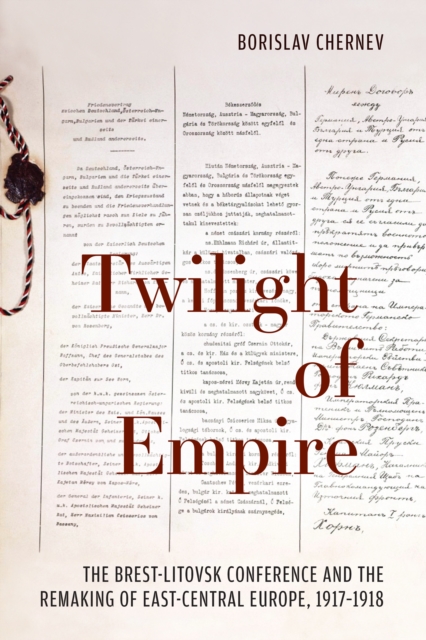
Twilight of Empire is the first book in English to examine the Brest-Litovsk Peace Conference during the later stages of World War I with the use of extensive archival sources.
Twilight of Empire is the first book in English to examine the Brest-Litovsk Peace Conference during the later stages of World War I with the use of extensive archival sources.
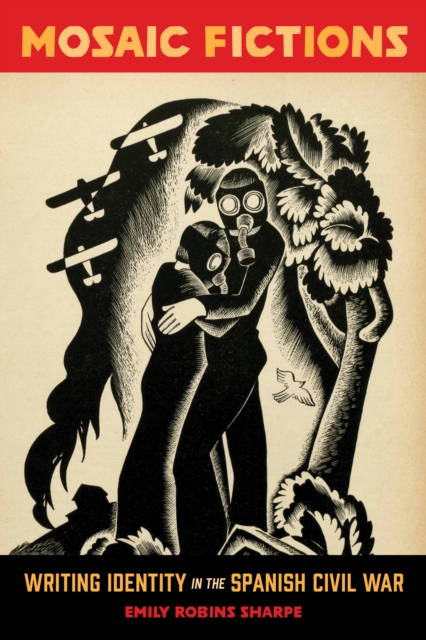
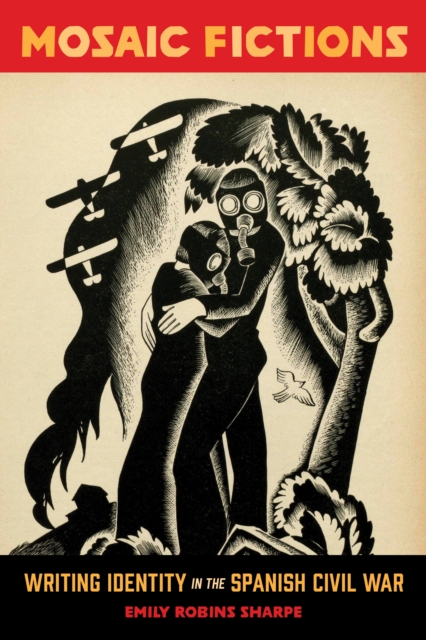
During the last decade of Franco's repressive rule, the Spanish outlook on sex, drugs, and fashion shifted dramatically, creating a favourable cultural environment for the return of democracy.
During the last decade of Franco's repressive rule, the Spanish outlook on sex, drugs, and fashion shifted dramatically, creating a favourable cultural environment for the return of democracy.
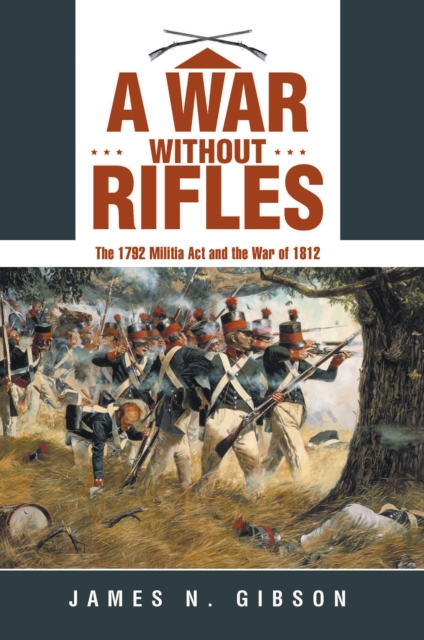
A War without Rifles: The 1792 Militia Act and the War of 1812 turns an eye to the conflict most overlooked by historians, even in a decade marking the bicentennial of the first declared war fought by the United States of America.
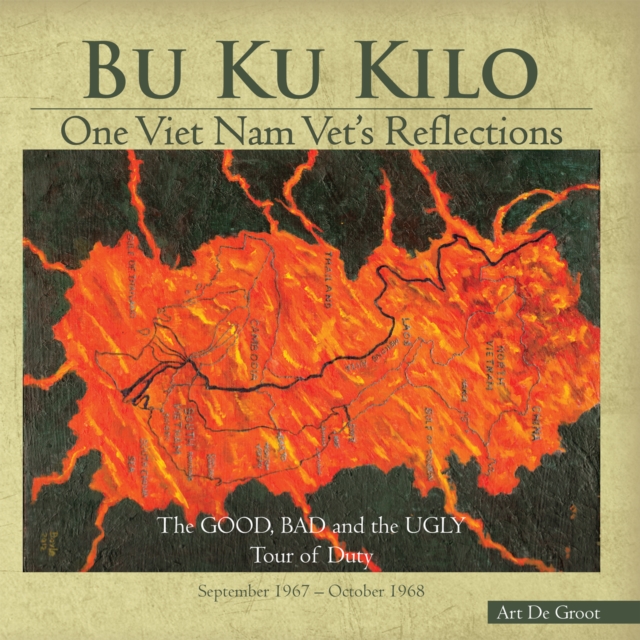
This book is a collection of fascinating short stories, photos, and documents furnished by the heroic and courageous men that served as air or ground crew members in Vietnam.
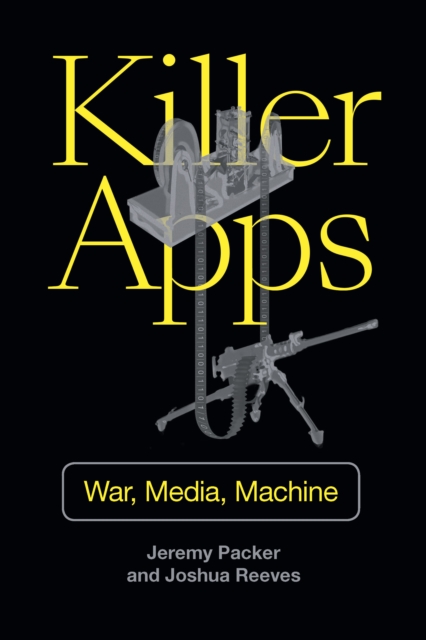
In Killer Apps Jeremy Packer and Joshua Reeves provide a detailed account of the rise of automation in warfare, showing how media systems are central to building weapons systems with artificial intelligence in order to more efficiently select and eliminate military targets.
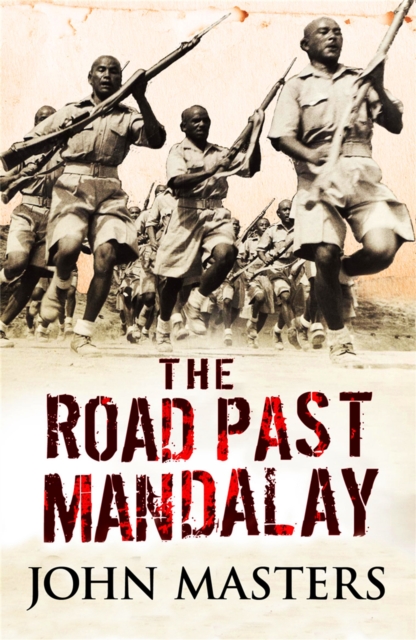
The second part of the bestselling novelist's dramatic autobiography about his time in the Gurkhas during the second world warThis is the second part of John Masters' autobiography: how he fought with his Gurkha regiment during World War II until his promotion to command one of the Chindit columns behind enemy lines in Burma.
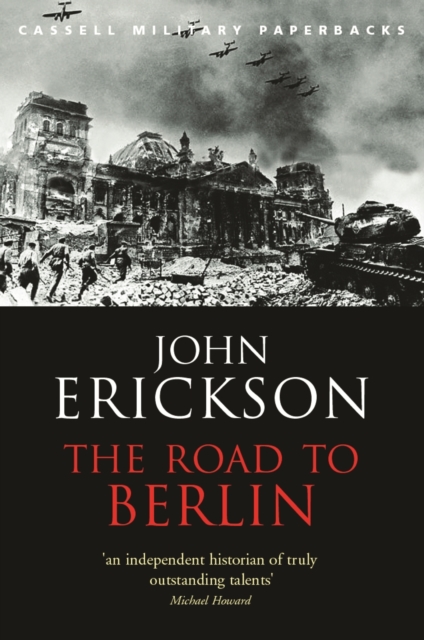
Beginning with the destruction of the German Sixth Army at Stalingrad, The Road to Berlin is the story of how the Red Army drove the Germans from its territory, and finally invaded the Reich.
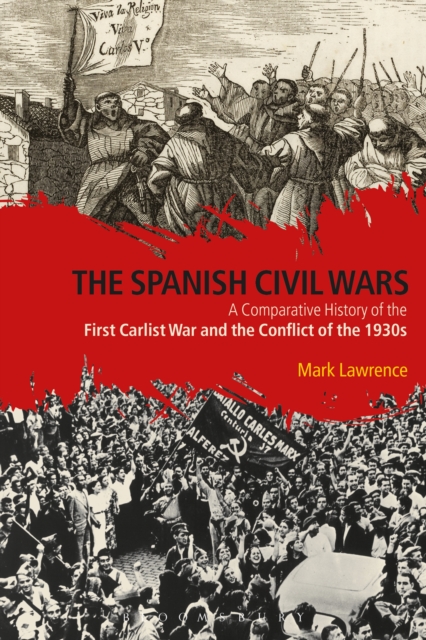
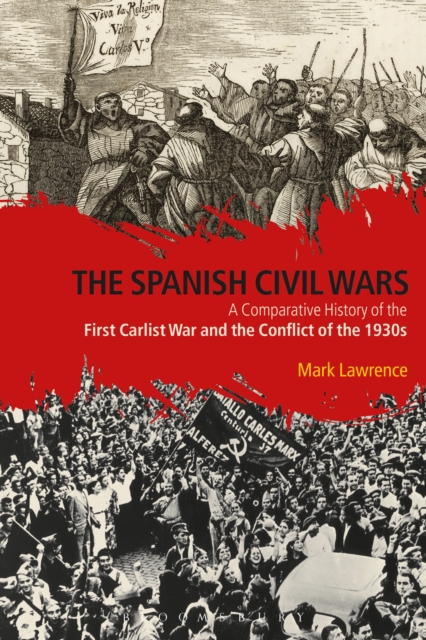
This book provides a comparative history of the domestic and international nature of Spain's First Carlist War (1833-40) and the Spanish Civil War (1936-39), as well as the impact of both conflicts.
This book provides a comparative history of the domestic and international nature of Spain's First Carlist War (1833-40) and the Spanish Civil War (1936-39), as well as the impact of both conflicts.
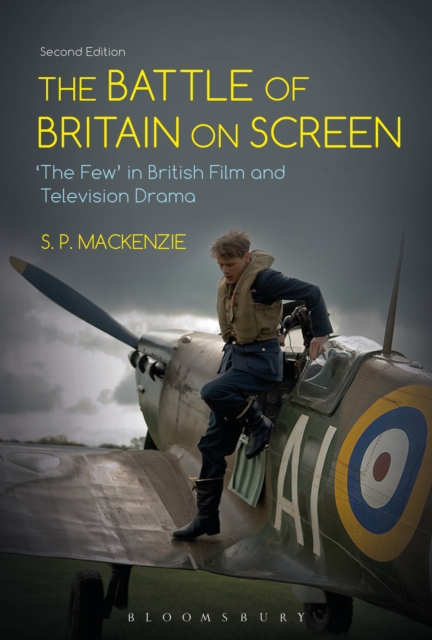
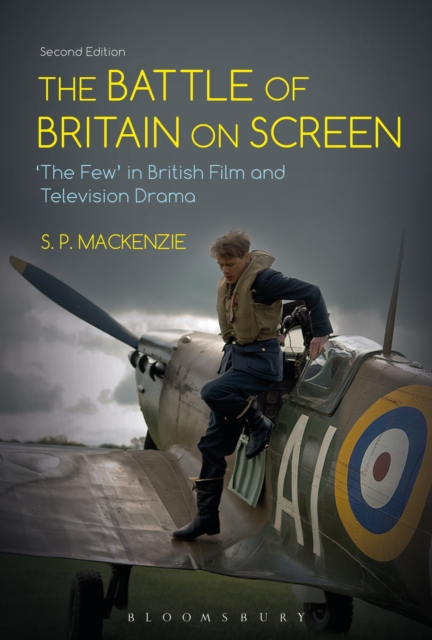
This new, updated edition of The Battle of Britain on Screen examines in depth the origins, development and reception of the major dramatic screen representations of 'The Few' in the Battle of Britain produced over the past 75 years.
This new, updated edition of The Battle of Britain on Screen examines in depth the origins, development and reception of the major dramatic screen representations of 'The Few' in the Battle of Britain produced over the past 75 years.
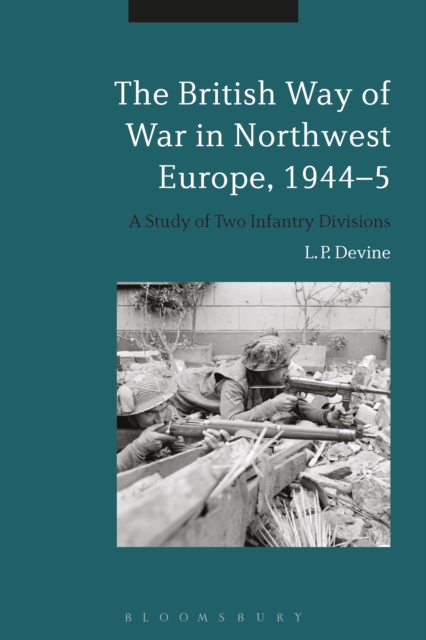
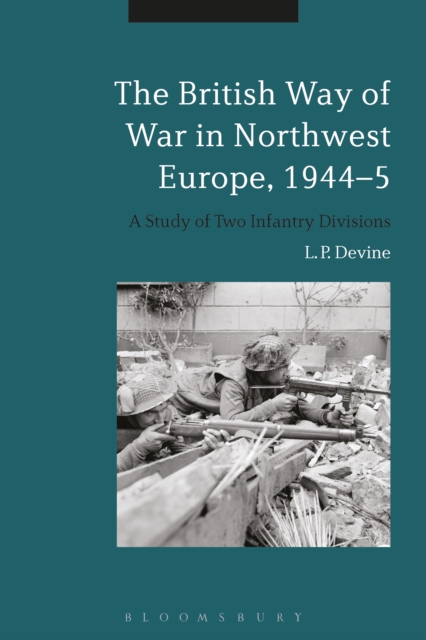
This bookexamines the experience of two British Infantry Divisions, the 43rd (Wessex) and 53rd (Welsh), during the Overlord campaign in Northwest Europe.
This bookexamines the experience of two British Infantry Divisions, the 43rd (Wessex) and 53rd (Welsh), during the Overlord campaign in Northwest Europe.