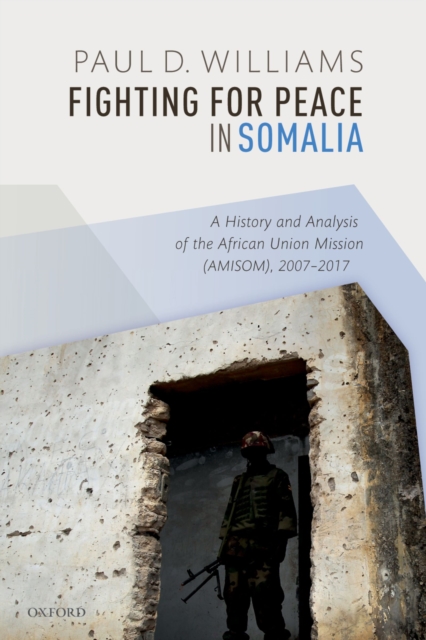
Fighting for Peace in Somalia provides the first comprehensive analysis of the African Union Mission in Somalia (AMISOM), an operation deployed in 2007 to stabilize the country and defend its fledgling government from one of the world's deadliest militant organizations, Harakat al-Shabaab.
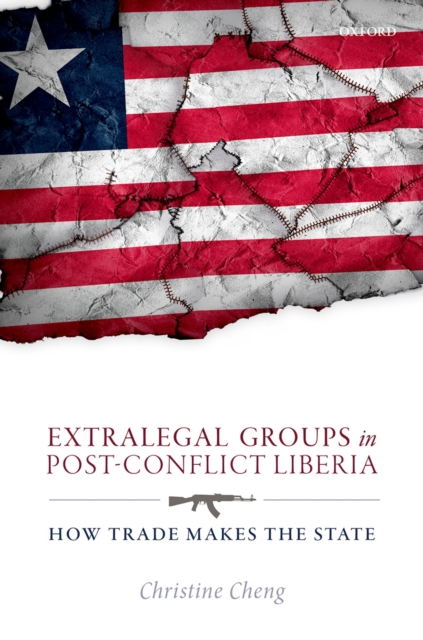
In the aftermath of the Liberian civil war, groups of ex-combatants seized control of natural resource enclaves in the rubber, diamond, and timber sectors.
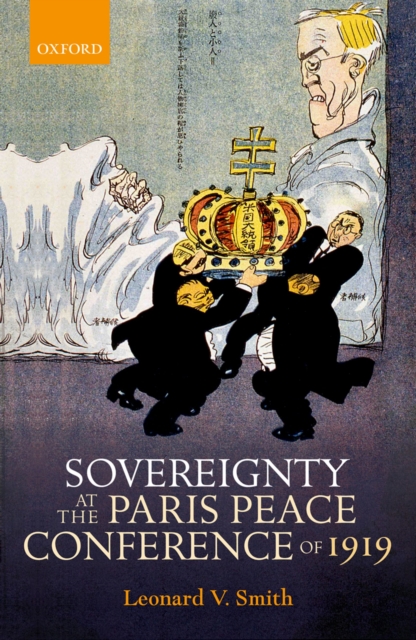
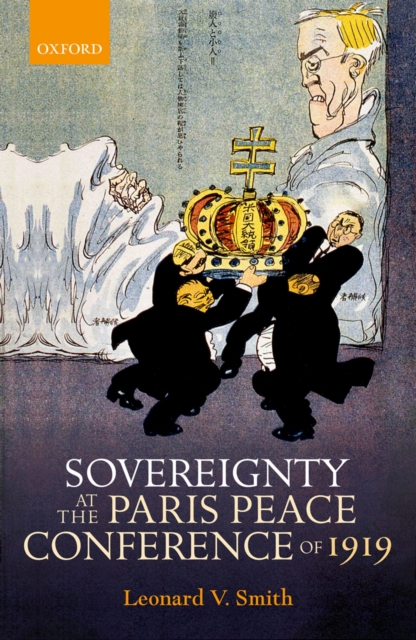
We have known for many decades that the Paris Peace Conference of 1919 "e;failed"e;, in the sense that it did not prevent the outbreak of World War II.
This book provides a short and accessible introduction to the theory of strategy, examines the general theory of strategy in accordance with 23 key Principles and explains its nature, functions, and intended consequences.
This book provides a short and accessible introduction to the theory of strategy, examines the general theory of strategy in accordance with 23 key Principles and explains its nature, functions, and intended consequences.
Composing Peace: Mission Composition in UN Peacekeeping is about mission composition in peacekeeping operations and asks how diversity of mission composition influences the ability of a peace mission to keep the peace.
Composing Peace: Mission Composition in UN Peacekeeping is about mission composition in peacekeeping operations and asks how diversity of mission composition influences the ability of a peace mission to keep the peace.
This book celebrates the scholarship of Richard Baxter, former Judge of the International Court of Justice and former Professor of International Law at Harvard Law School.
This book celebrates the scholarship of Richard Baxter, former Judge of the International Court of Justice and former Professor of International Law at Harvard Law School.
We have known for many decades that the Paris Peace Conference of 1919 "e;failed"e;, in the sense that it did not prevent the outbreak of World War II.
In the aftermath of the Liberian civil war, groups of ex-combatants seized control of natural resource enclaves in the rubber, diamond, and timber sectors.
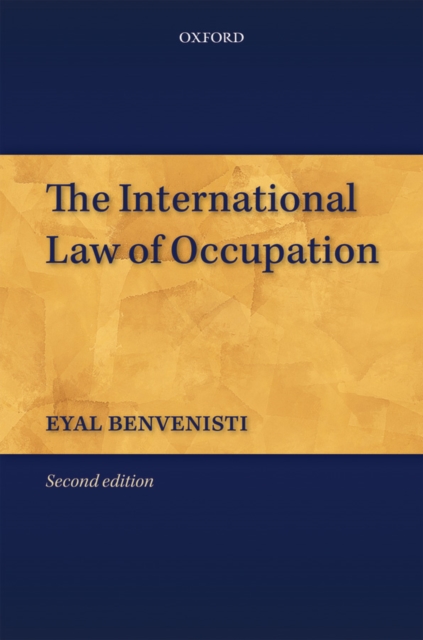
The law of occupation imposes two types of obligations on an army that seizes control of enemy land during armed conflict: obligations to respect and protect the inhabitants and their rights, and an obligation to respect the sovereign rights of the ousted government.
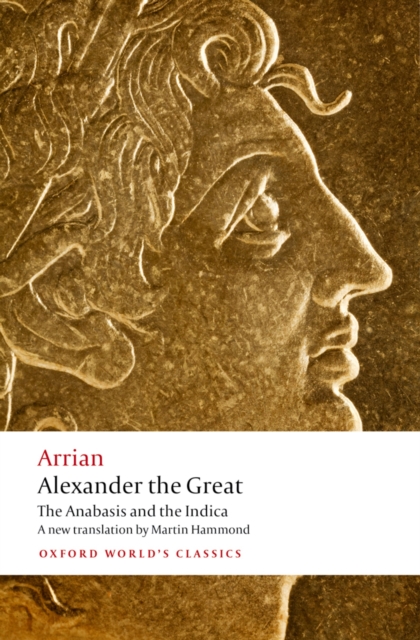
'He was a man like no other man has ever been' So Arrian sums up the career of Alexander the Great of Macedon (356-323 BC), who in twelve years that changed the world led his army in conquest of a vast empire extending from the Danube to the rivers of the Punjab, from Egypt to Uzbekistan, and died in Babylon at the age of 32 with further ambitions unfulfilled.
This book comprises contributions by leading experts in the field of international humanitarian law on the subject of the categorisation or classification of armed conflict.
This book comprises contributions by leading experts in the field of international humanitarian law on the subject of the categorisation or classification of armed conflict.
The law of occupation imposes two types of obligations on an army that seizes control of enemy land during armed conflict: obligations to respect and protect the inhabitants and their rights, and an obligation to respect the sovereign rights of the ousted government.
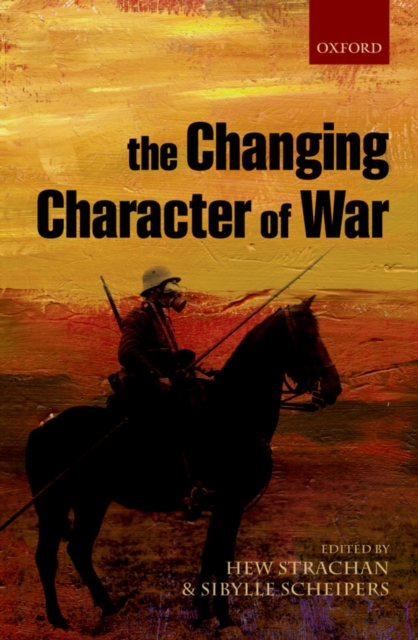
Over the last decade (and indeed ever since the Cold War), the rise of insurgents and non-state actors in war, and their readiness to use terror and other irregular methods of fighting, have led commentators to speak of 'new wars'.
The imperatives of sovereignty, human rights and national security very often pull in different directions, yet the relations between these three different notions are considerably more subtle than those of simple opposition.
The governance of post-conflict territories embodies a central contradiction: how does one help a population prepare for democratic governance and the rule of law by imposing a form of benevolent autocracy?
The Procedure of the UN Security Council is the definitive book of its kind and has been widely used by UN practitioners and scholars for nearly 40 years.
This War Report provides detailed information on every armed conflict which took place during 2014, offering an unprecedented overview of the nature, range, and impact of these conflicts and the legal issues they created.