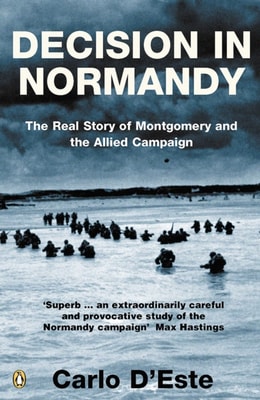
Field Marshal Montgomery's battleplan for Normandy, following the D-Day landings on 6 June 1944, resulted in one of the most controversial campaigns of the Second World War.
WINNER OF THE SOCIETY FOR MILITARY HISTORY'S DISTINGUISHED BOOK AWARD 2021SHORTLISTED FOR THE GILDER LEHRMAN PRIZE FOR MILITARY HISTORY AND THE BRITISH ARMY MILITARY BOOK OF THE YEAR AWARD A BBC HISTORY MAGAZINE BOOK OF THE YEAR 2019, AND FINANCIAL TIMES BOOK OF THE YEAR 2020'A masterpiece.
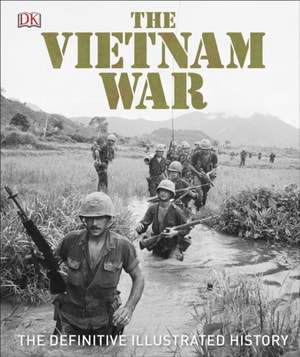
More than a quarter of a century after the last Marine Corps Huey left the American embassy in Saigon, the lessons and legacies of the most divisive war in twentieth-century American history are as hotly debated as ever.
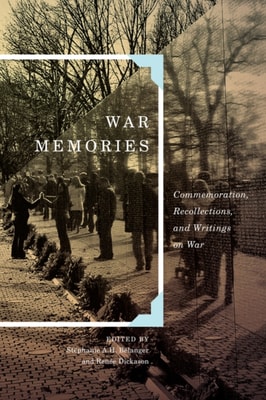
War Memories explores the patchwork formed by collective memory, public remembrance, private recollection, and the ways in which they form a complex composition of observations, initiatives, and experiences.
War Memories explores the patchwork formed by collective memory, public remembrance, private recollection, and the ways in which they form a complex composition of observations, initiatives, and experiences.
The United Nations Peacebuilding Commission (UNPBC) was established in December 2005 to develop outlines of best practice in post-conflict reconstruction, and to secure the political and material resources necessary to assist states in transition from conflict to peacetime.
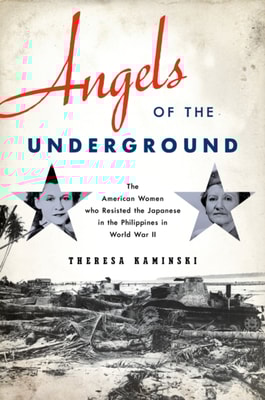
When the Japanese began their brutal occupation of the Philippines in January 1942, 76,000 ill and starving Filipino and American troops tried to hold out on Bataan and Corregidor.
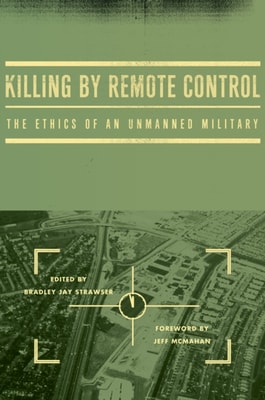
The increased military employment of remotely operated aerial vehicles, also known as drones, has raised a wide variety of important ethical questions, concerns, and challenges.
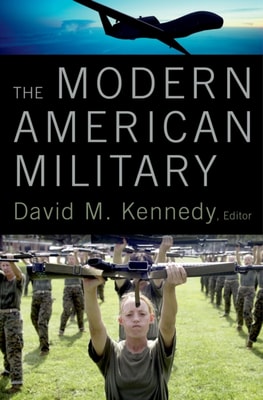
The advent of the all-volunteer force and the evolving nature of modern warfare have transformed our military, changing it in serious if subtle ways that few Americans are aware of.
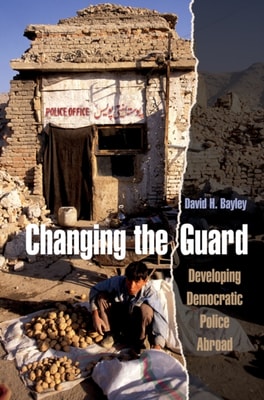
Every day the American government, the United Nations, and other international institutions send people into non-English speaking, war-torn, and often minimally democratic countries struggling to cope with rising crime and disorder under a new regime.
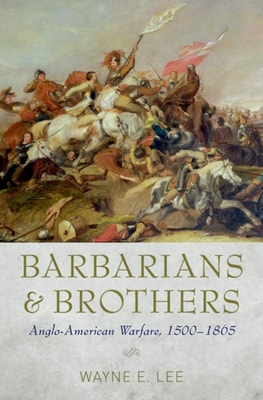
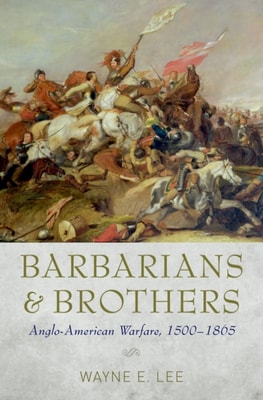
The most important conflicts in the founding of the English colonies and the American republic were fought against enemies either totally outside of their society or within it: barbarians or brothers.
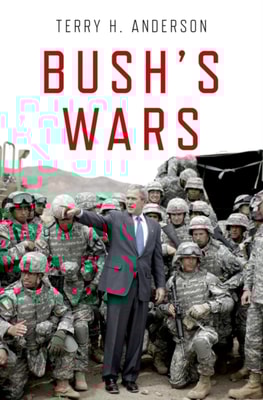
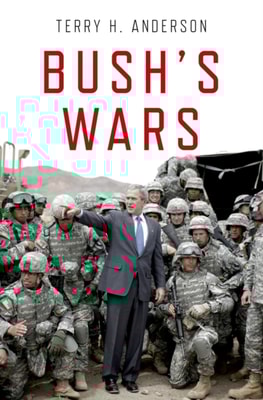
From journalistic accounts like Fiasco and Imperial Life in the Emerald City to insider memoirs like Jawbreaker and Three Cups of Tea, the books about America's wars in Iraq and Afghanistan could fill a library.
Fought amid rocks and trees, in thick blinding smoke, and under exceedingly stressful conditions, the battle for the southern slope of Little Round Top on July 2, 1863 stands among the most famous and crucial military actions in American history, one of the key engagements that led to the North's victory at Gettysburg.
The Battle of Antietam, fought on September 17, 1862, was the bloodiest single day in American history, with more than 6,000 soldiers killed--four times the number lost on D-Day, and twice the number killed in the September 11th terrorist attacks.
The most important conflicts in the founding of the English colonies and the American republic were fought against enemies either totally outside of their society or within it: barbarians or brothers.
From journalistic accounts like Fiasco and Imperial Life in the Emerald City to insider memoirs like Jawbreaker and Three Cups of Tea, the books about America's wars in Iraq and Afghanistan could fill a library.
The prevailing image of European Jews during the Holocaust years is one of helpless victims under a death sentence, unable to fight consignment to the ghettos, to the camps, and to the gas chambers.
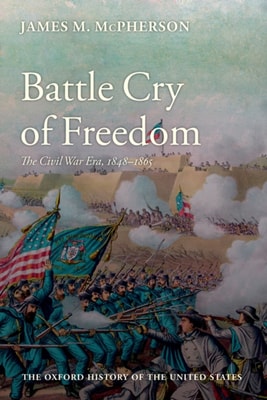
Filled with fresh interpretations and information, puncturing old myths and challenging new ones, Battle Cry of Freedom will unquestionably become the standard one-volume history of the Civil War.
Filled with fresh interpretations and information, puncturing old myths and challenging new ones, Battle Cry of Freedom will unquestionably become the standard one-volume history of the Civil War.
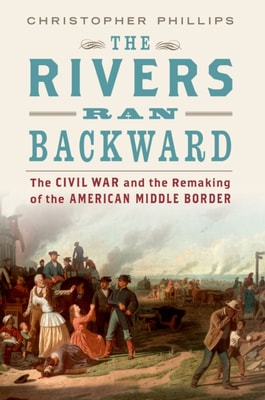
Most Americans imagine the Civil War in terms of clear and defined boundaries of freedom and slavery: a straightforward division between the slave states of Kentucky and Missouri and the free states of Illinois, Indiana, Ohio, and Kansas.
Fought amid rocks and trees, in thick blinding smoke, and under exceedingly stressful conditions, the battle for the southern slope of Little Round Top on July 2, 1863 stands among the most famous and crucial military actions in American history, one of the key engagements that led to the North's victory at Gettysburg.